
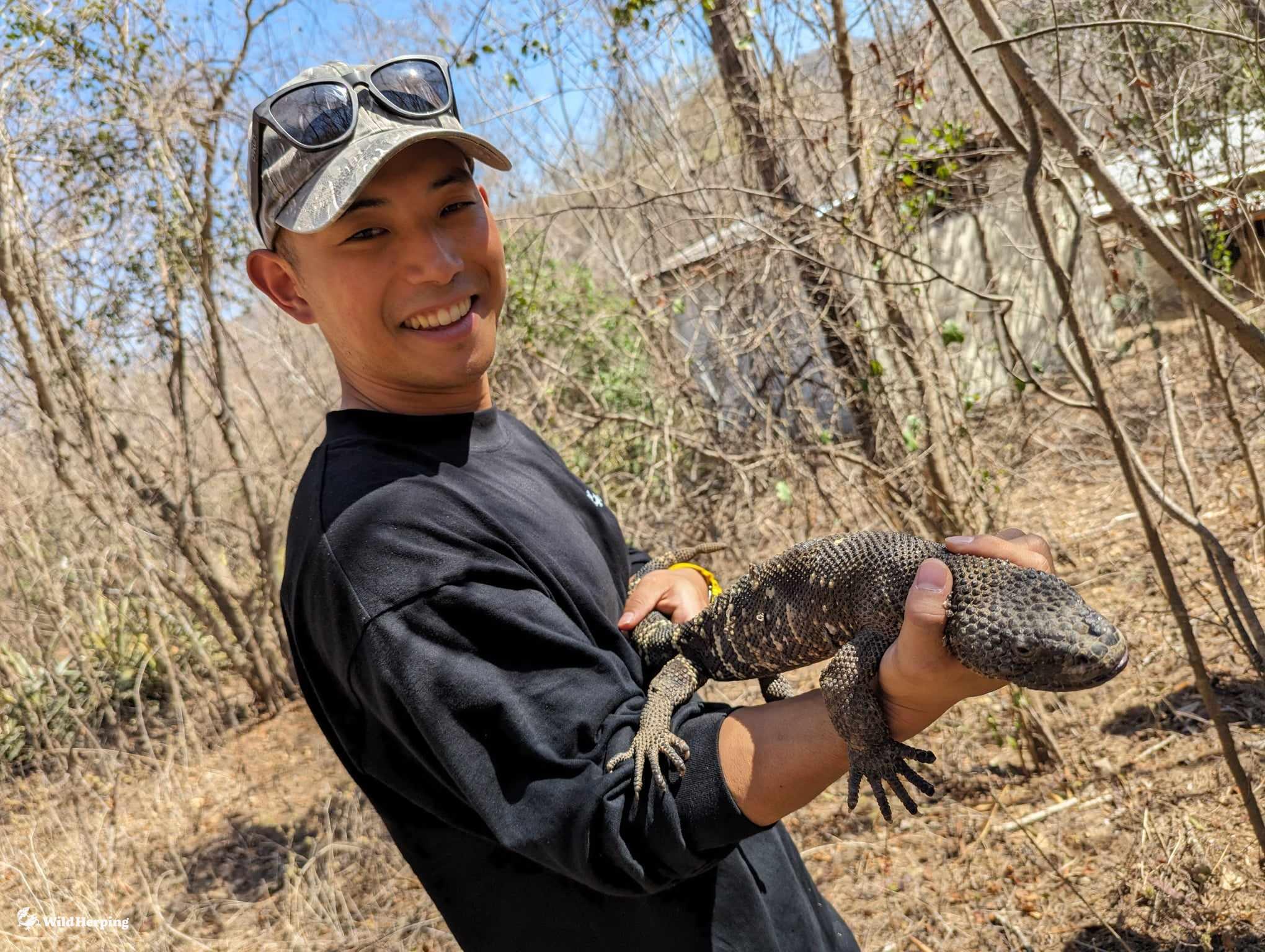
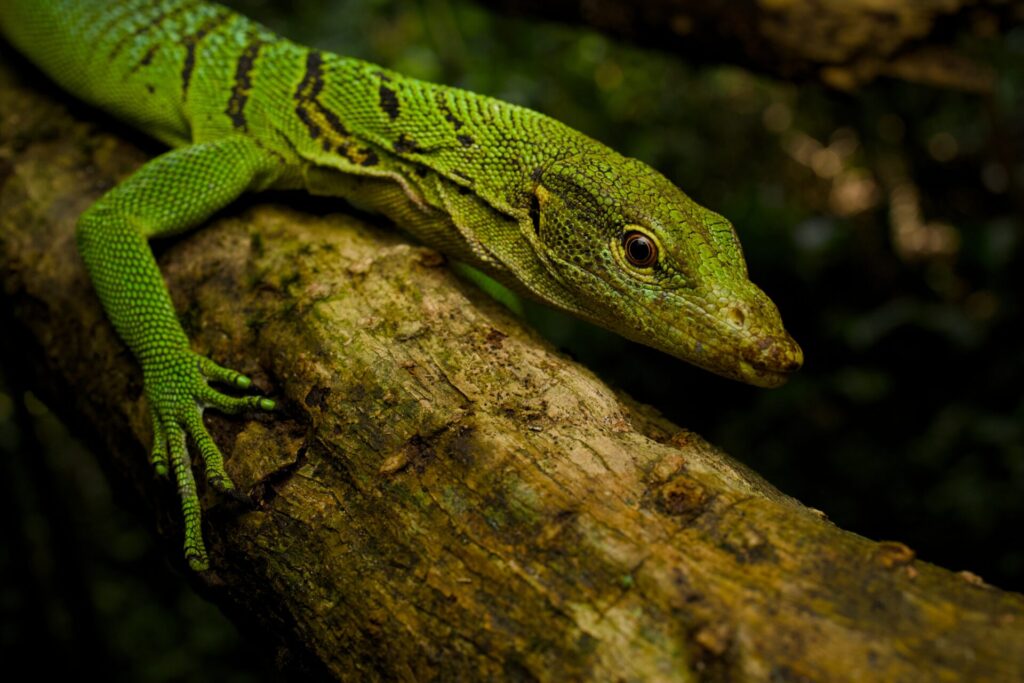
Following our previous trip to observe the Blue Tree Monitor, we went to the neighboring Salawati Island to search for the Green Tree Monitor (Varanus prasinus).
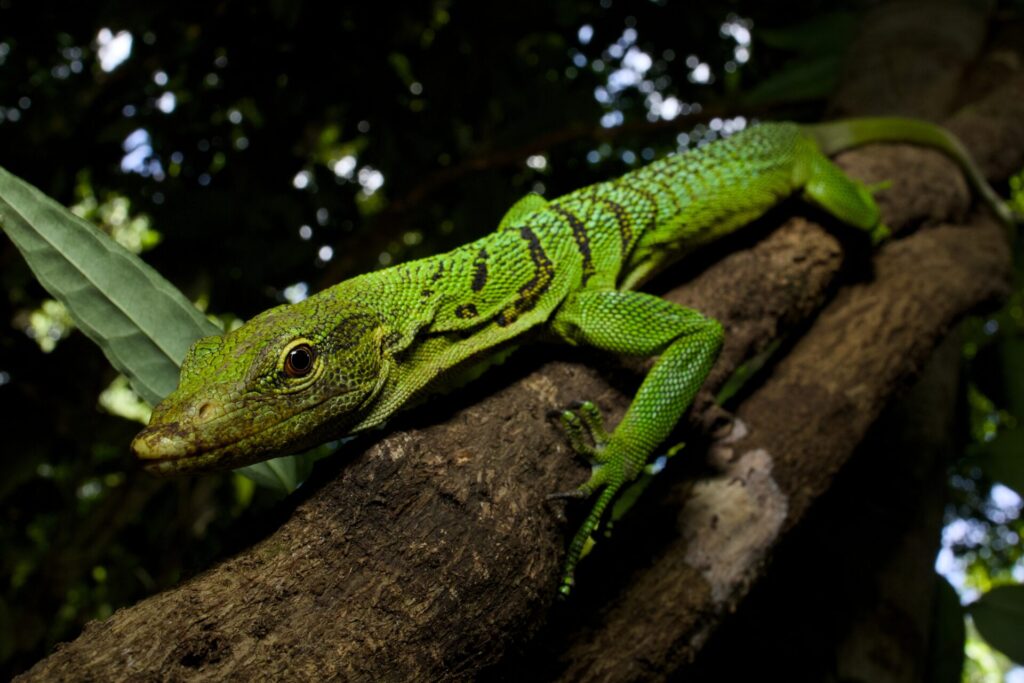
Salawati Island
Salawati Island, part of the Raja Ampat Islands in West Papua, Indonesia, covers an area of approximately 1,623 km², making it the third-largest island in the archipelago. The northern part of the island is covered with lowland tropical rainforest and is protected as the Salawati Utara Nature Reserve. The terrain mainly consists of gentle hills and forests, and rich wetlands can be found along the rivers.
The population is small, and villages are scattered. Residents lead a traditional lifestyle, relying on fishing, hunting, and agriculture, which makes for a simple life closely connected to natural resources. In the southern part of the island, the former Salawati Kingdom was centered in Samate Village. Islam was introduced in the 15th century through interactions with the Bacan Kingdom, and the island prospered between the 16th and 17th centuries. Unusually for West Papua, Islam remains relatively widespread on the island.
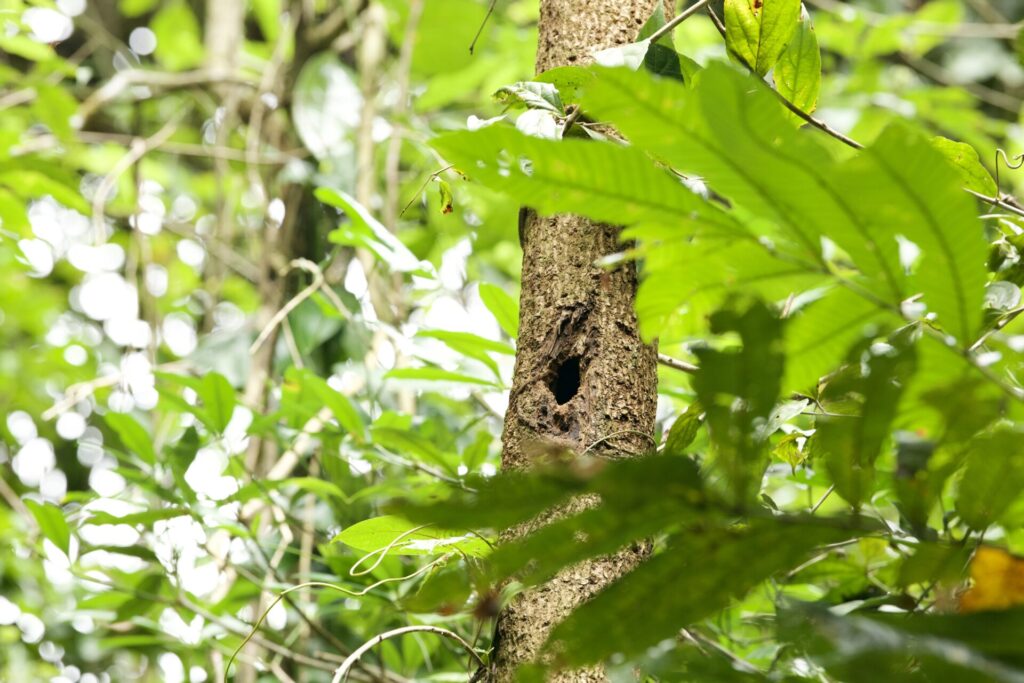
Environmental Conditions
Our stay lasted 3 nights and 4 days. Nighttime temperatures were around 26°C, while daytime activity periods reached about 36°C. Humidity in the forest remained extremely high at nearly 99%, similar to the conditions on Batanta Island.
Habitat
For this observation, we again enlisted the help of a local former hunter. Even locating the blue Cobalt Tree Monitor (Blue Tree Monitor, Varanus macraei) is challenging, but finding the Green Tree Monitor, which blends perfectly with the forest canopy, is an even more daunting task.
The main difference from Batanta Island is the elevation. On Batanta, monitors inhabit cliffs along rivers and the coast, whereas on Salawati they live in the central forest. The forest here is also relatively flat, highlighting the significant differences in their habitats.
Observations
During three days of observation, we were fortunate to spot one Green Tree Monitor (Varanus prasinus). We first noticed the call of a King Bird of Paradise (Cicinnurus regius), and upon looking up, we found an individual walking along the trees.
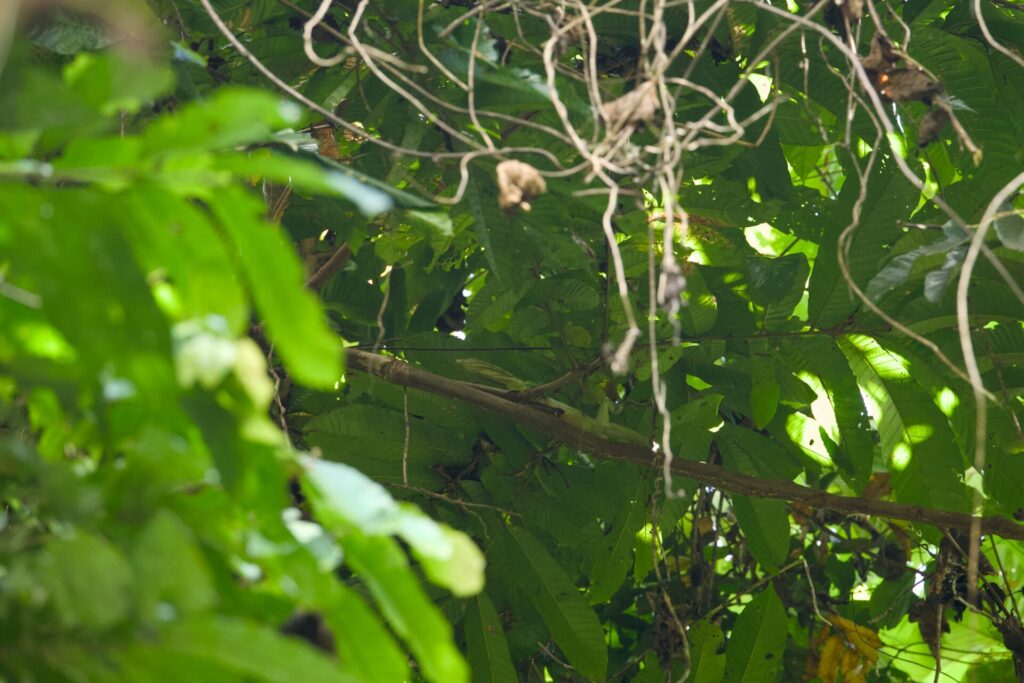
Compared to the Cobalt Tree Monitor, the Green Tree Monitor appeared faster and more aggressive. It is fascinating that monitors on neighboring islands differ so much in both coloration and behavior.
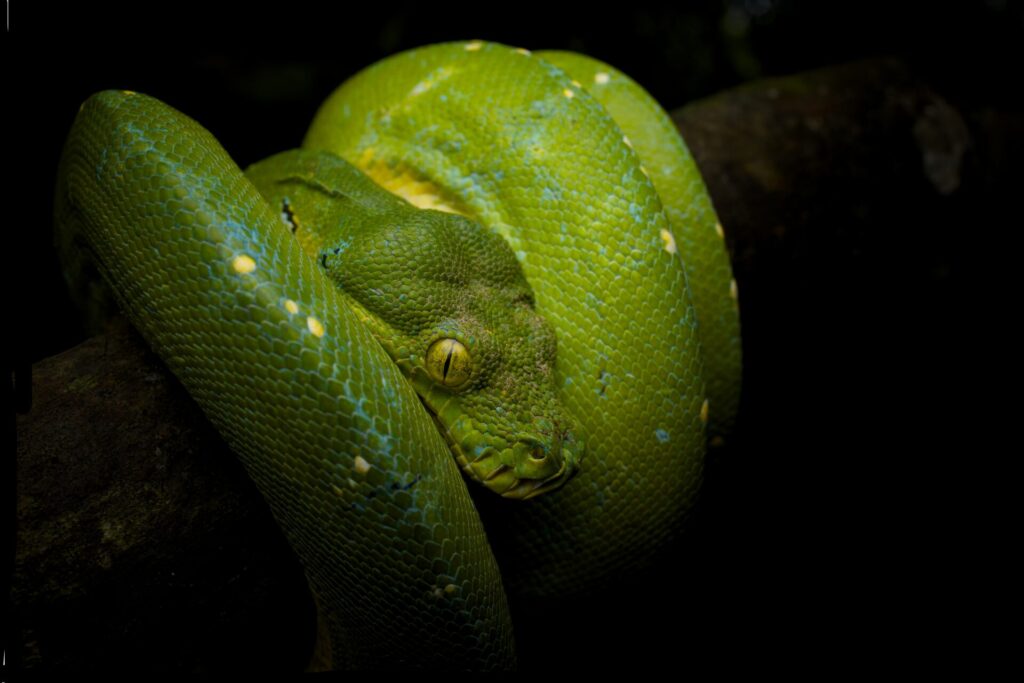
Additionally, during this trip, we successfully observed a Green Tree Python ( Morelia viridis).
Next time, we will summarize other wildlife observed on the island. Stay tuned!


