
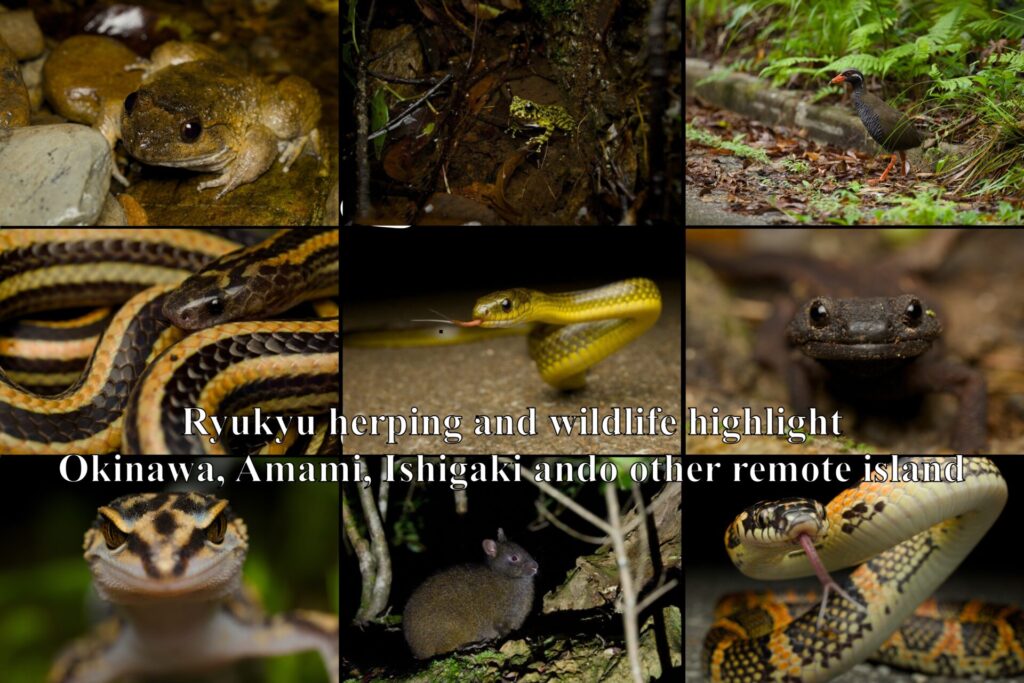
Okinawa herping is one of the most exciting wildlife experiences in Japan. After enjoying Okinawa’s beautiful beaches and tropical atmosphere during the day, the forests come alive at night with reptiles, amphibians, mammals, and countless endemic species.
The Ryukyu Islands are among the most unique regions in East Asia for wildlife observation. Each island has its own geological history, resulting in dramatically different ecosystems and species communities even between nearby islands.
From subtropical rainforests and limestone forests to isolated remote islands, the Ryukyu Archipelago is a paradise for herpers, macro photographers, and wildlife enthusiasts.
In this article, we introduce some of the best regions for herping in Okinawa and the Ryukyu Islands, along with the animals you may encounter.
⸻
1. Northern Okinawa | Yanbaru National Park
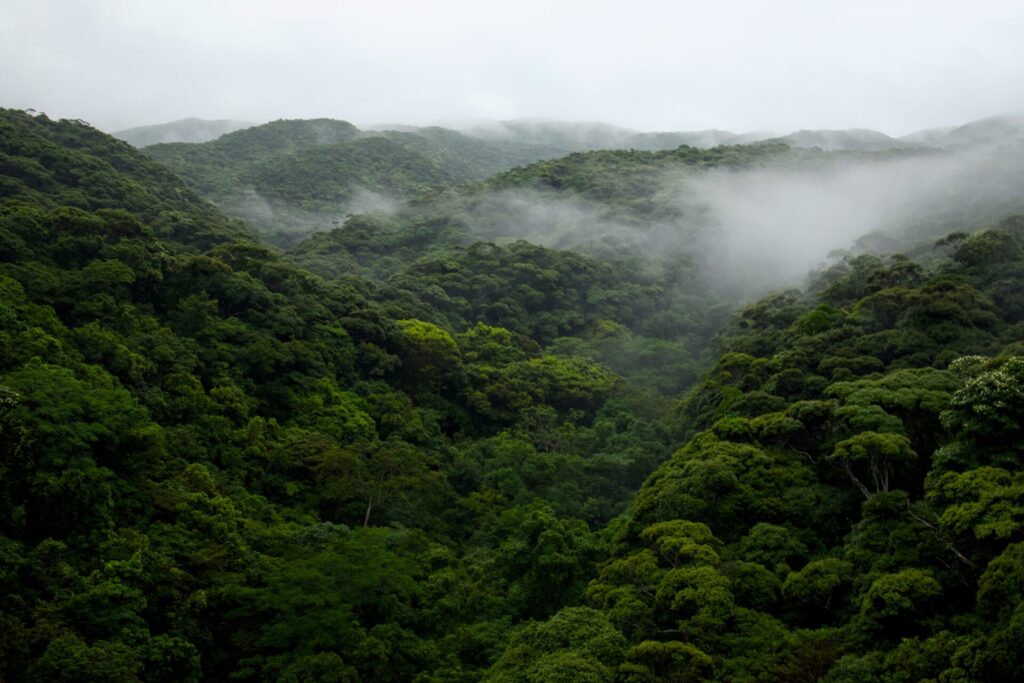
One of the most famous herping destinations in Japan is Yanbaru National Park in northern Okinawa.
Unlike southern Okinawa, which was largely formed by uplifted coral reefs, northern Okinawa consists of older uplifted mountains with higher elevation, heavy rainfall, nutrient-rich soil, and dense subtropical rainforest. Walking through forest streams and jungle trails at night feels completely different from mainland Japan.
Yanbaru is home to an extraordinary number of endemic species found nowhere else on Earth.
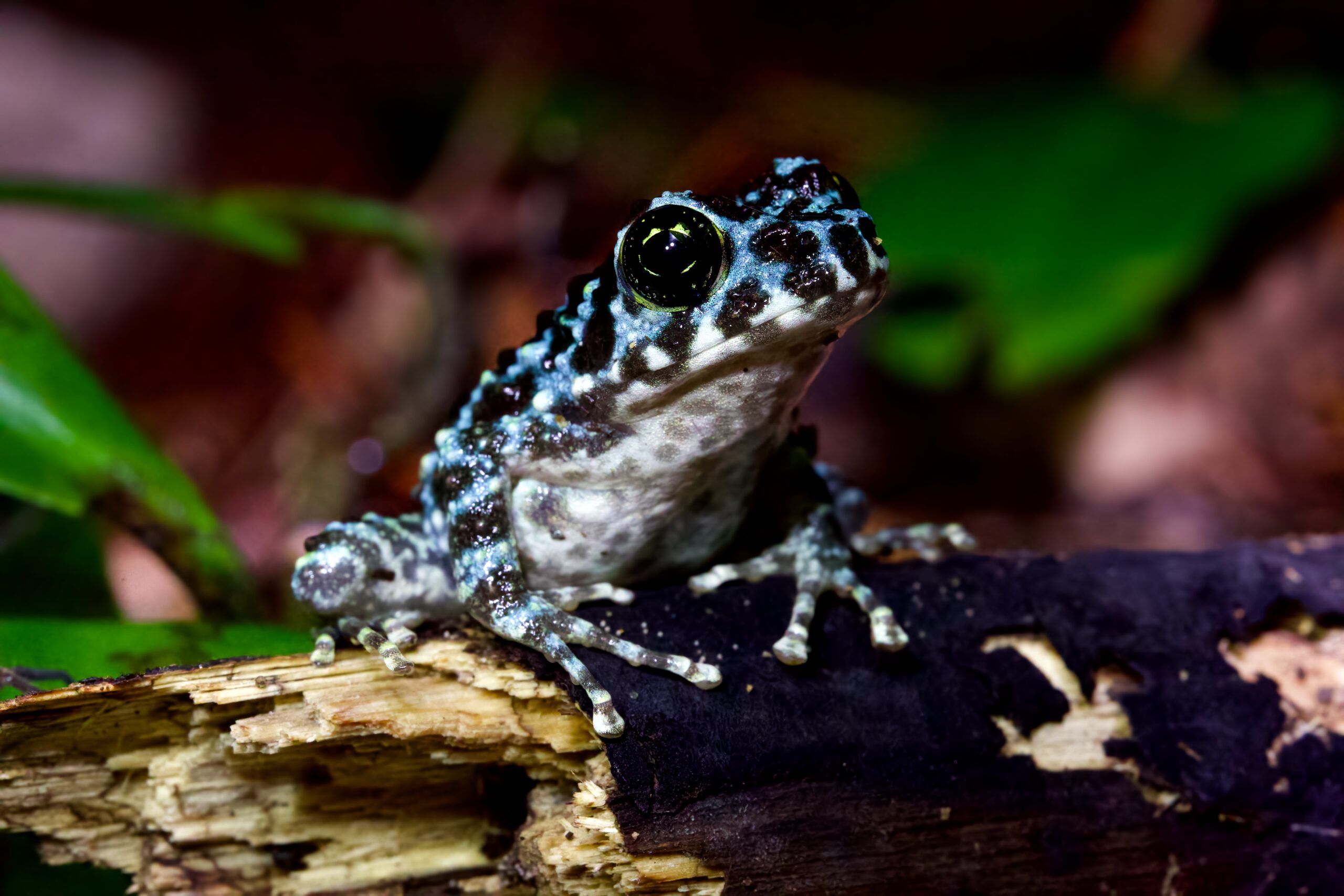
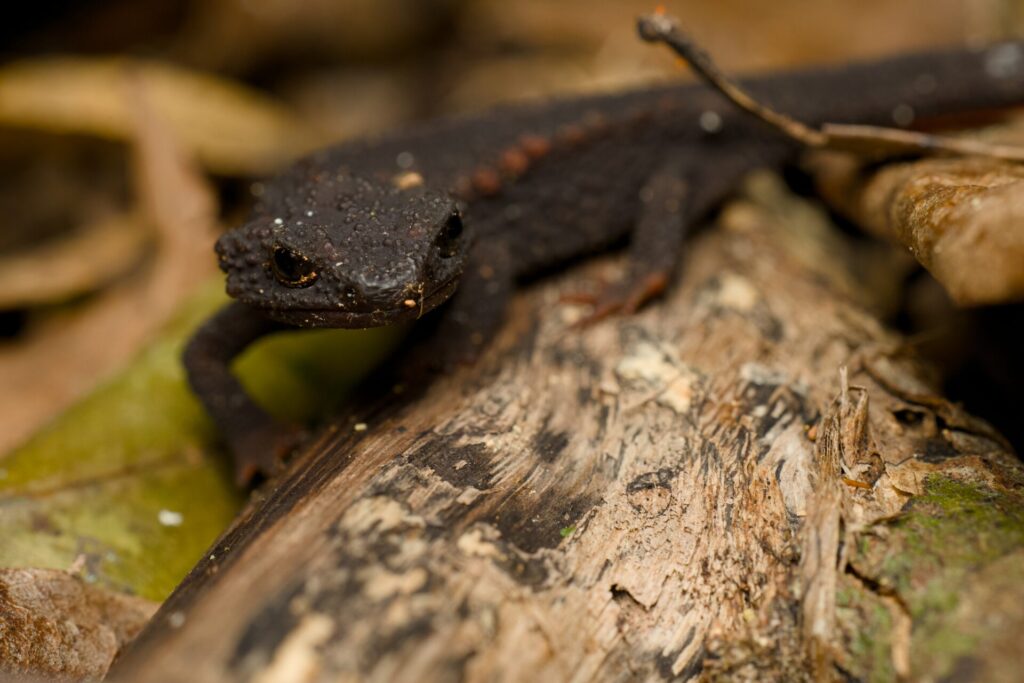
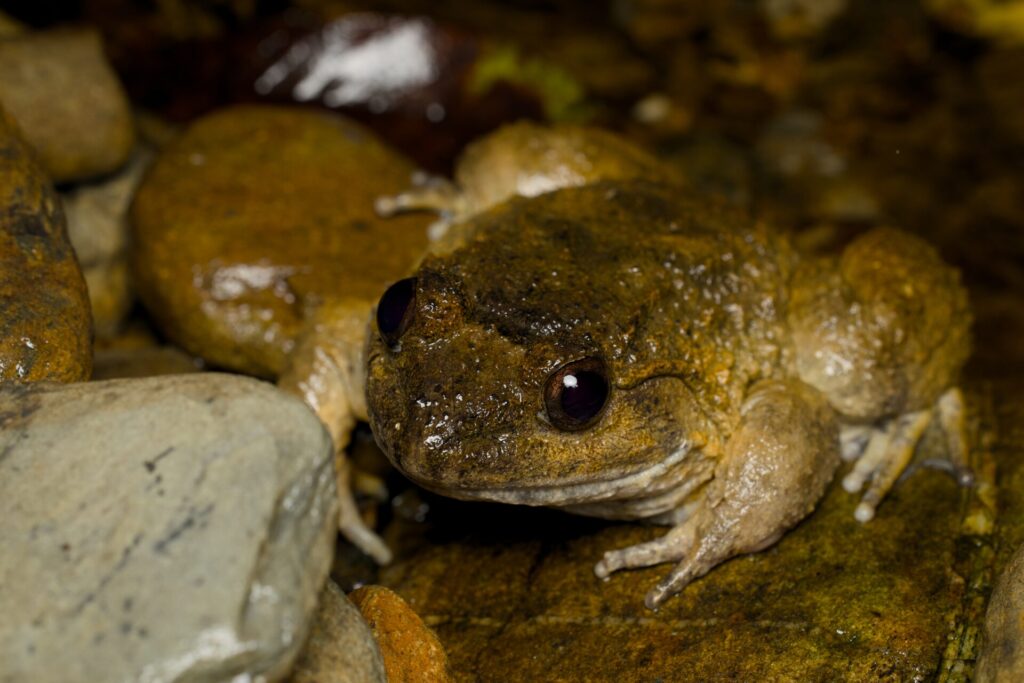
Endemic Amphibians
Some of the most iconic amphibians of Yanbaru include:
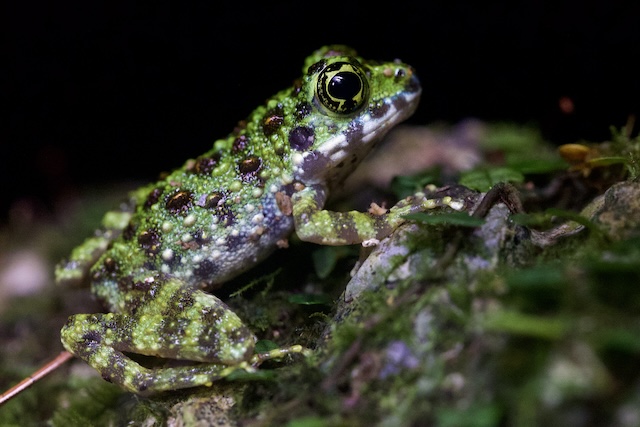
- Okinawa Ishikawa’s Frog (Odorrana ishikawae)
- Namie’s Frog (Limnonectes namiyei)
- Holst’s Frog (Babina holsti)
- Hanasaki Frog (Odorrana narina)
- Anderson’s Crocodile Newt(Echinotriton andersoni)
In some streams, rare blue-colored Ishikawa’s Frogs lacking yellow pigmentation can occasionally be found.

Reptiles
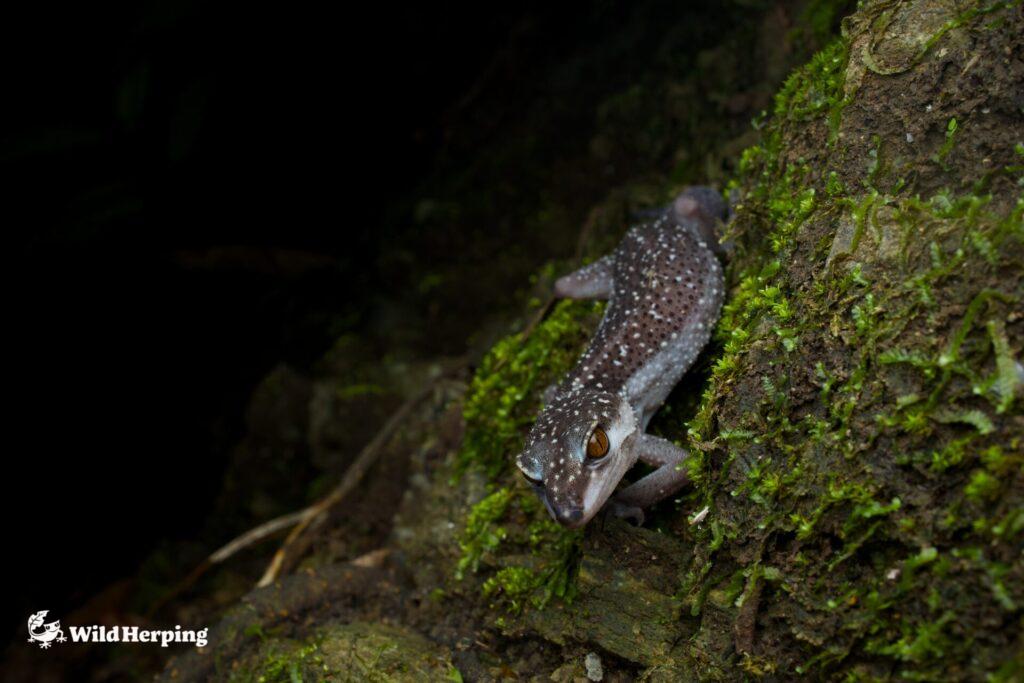
Yanbaru is also famous for its reptiles, including:
- Yambaru Ground Gecko (Goniurosaurus nebulozonatus)
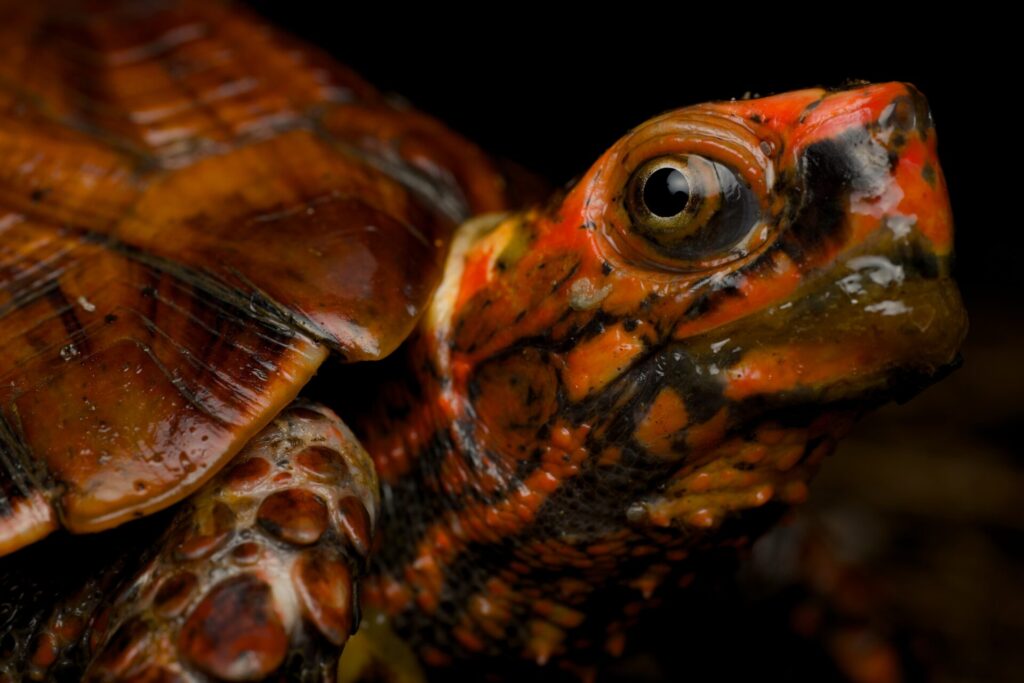
- Ryukyu Black-breasted Leaf Turtle (Geoemyda japonica)
- Anderson’s Crocodile Newt (Echinotriton andersoni)
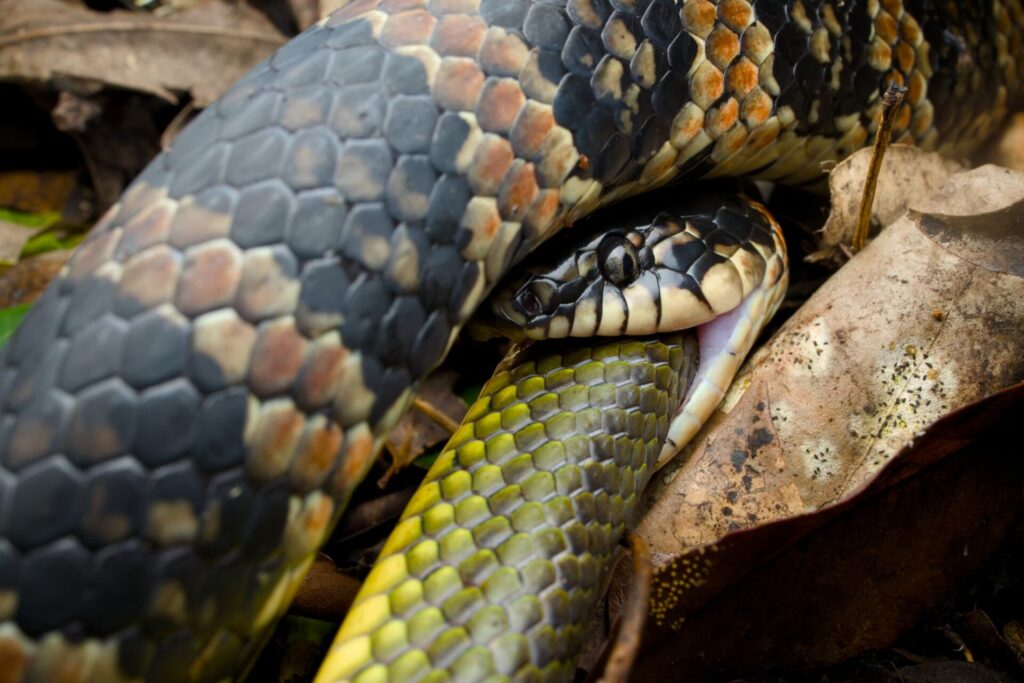
- Habu (Protobothrops flavoviridis)
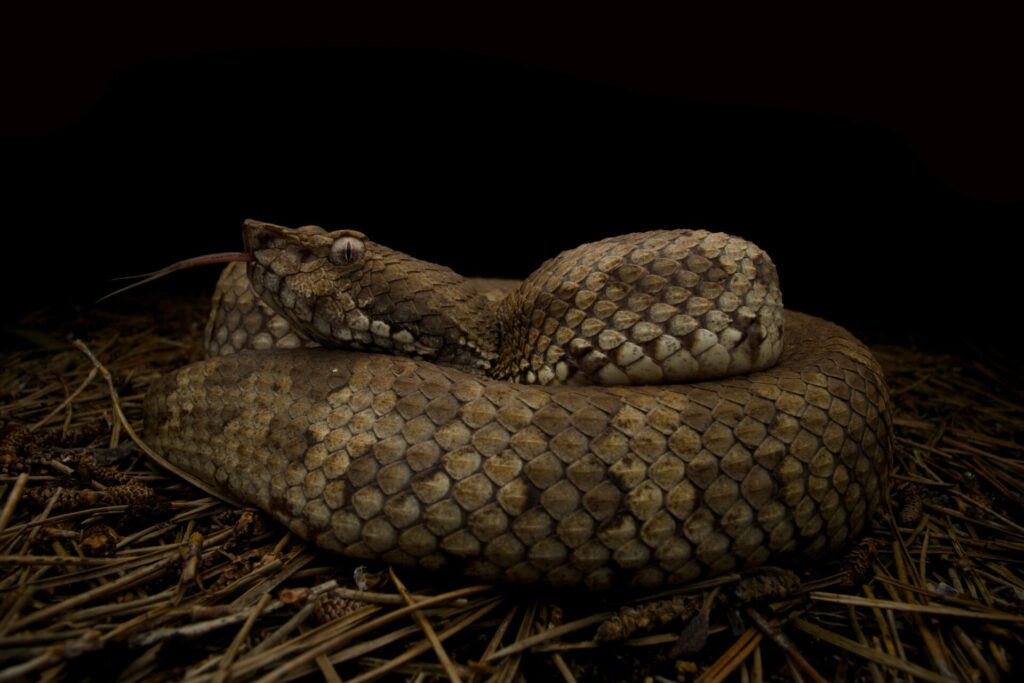
- Hime Habu (Ovophis okinavensis)
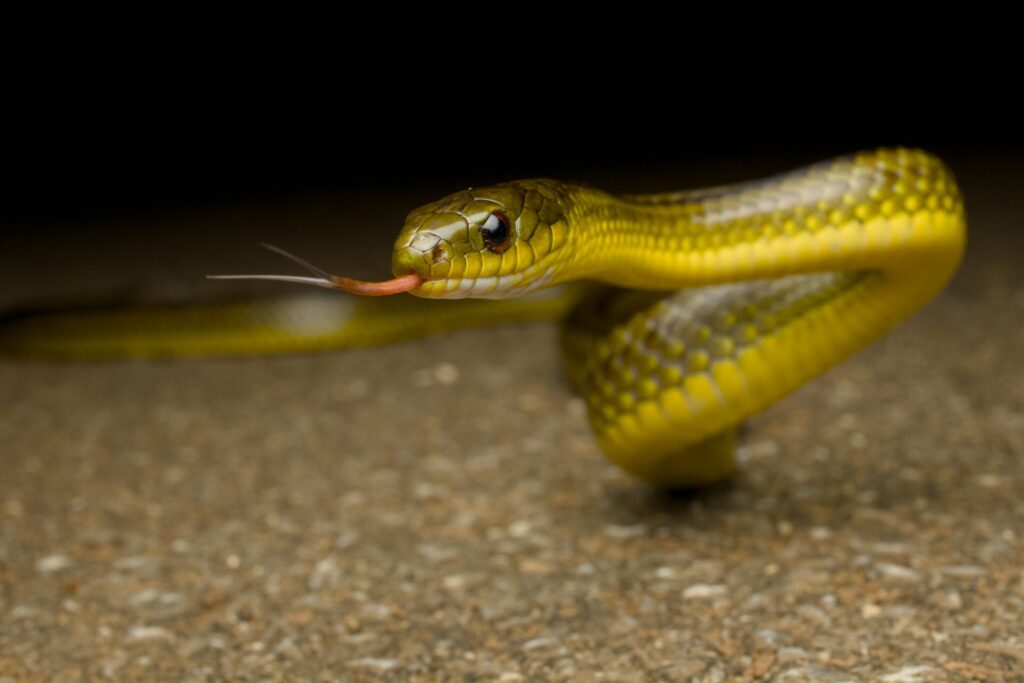
- Ryukyu Green Snake (Cyclophiops semicarinatus)
- Ryukyu Odd-tooth Snake (Lycodon semicarinatus)
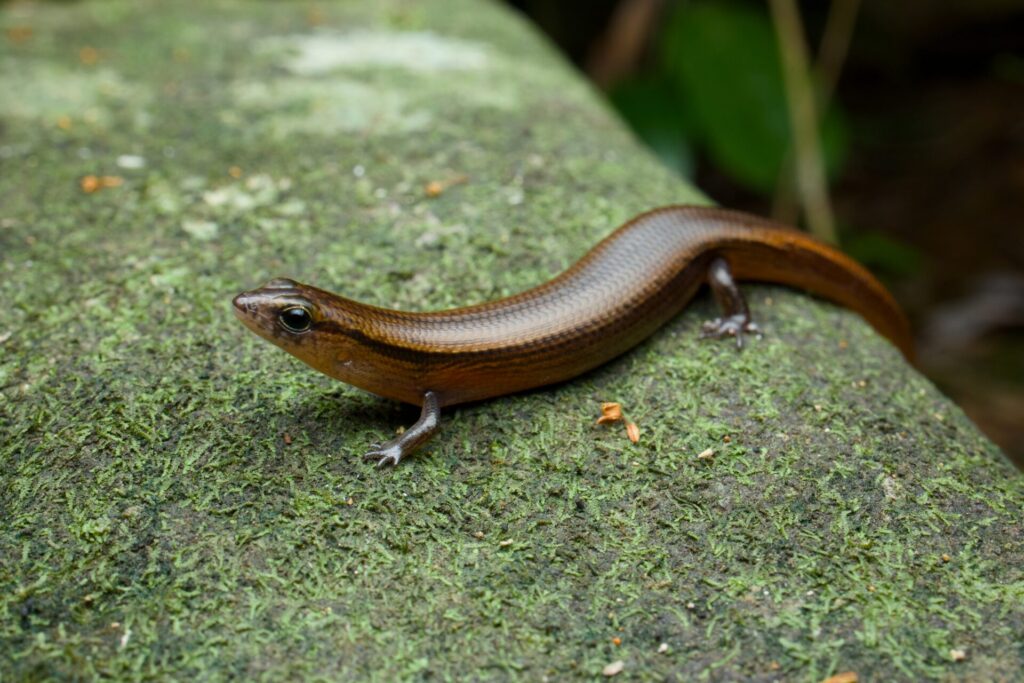
- Ryukyu skink(Ateuchosaurus pellopleurus)
The Habu is Japan’s largest venomous pit viper and one of the most sought-after snakes in Okinawa. In some areas, rare silver-colored individuals lacking yellow pigmentation, often called “Silver Habu,” may occasionally be encountered.
_250721_5-1024x683.jpg)
Birds, Mammals, and Insects
Yanbaru is also famous for its endemic birds and mammals, including:
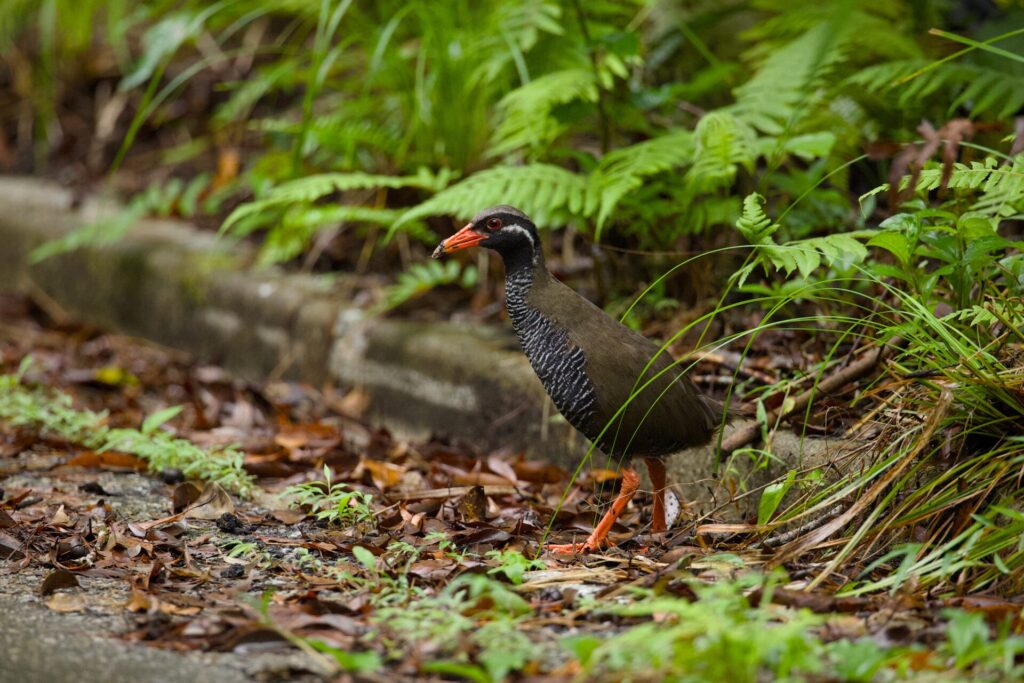
- Okinawa Rail (Gallirallus okinawae)
- Noguchi’s Woodpecker (Sapheopipo noguchii)
- Okinawa Robin (Larvivora namiyei)
- Okinawa Spiny Rat (Tokudaia muenninki)
Insects are equally impressive, including giant long-armed beetles and endemic stag beetles found only in Yanbaru forests.
For herpers, macro photographers, and anyone wanting to experience the deep subtropical forests of Okinawa, Yanbaru is an unforgettable destination.
⸻
2. Southern Okinawa | Limestone Forests Near Naha
Most visitors arrive in Okinawa through Naha, the capital city of Okinawa Prefecture. However, many people do not realize that excellent herping opportunities exist surprisingly close to the city.
Southern Okinawa was formed mainly by uplifted coral reefs, creating dramatic limestone landscapes, caves, and rocky forests that are very different from the dense rainforests of Yanbaru.
These habitats are highly photogenic and perfect for wildlife photography.
Flagship Species
The most iconic reptile of southern Okinawa is:
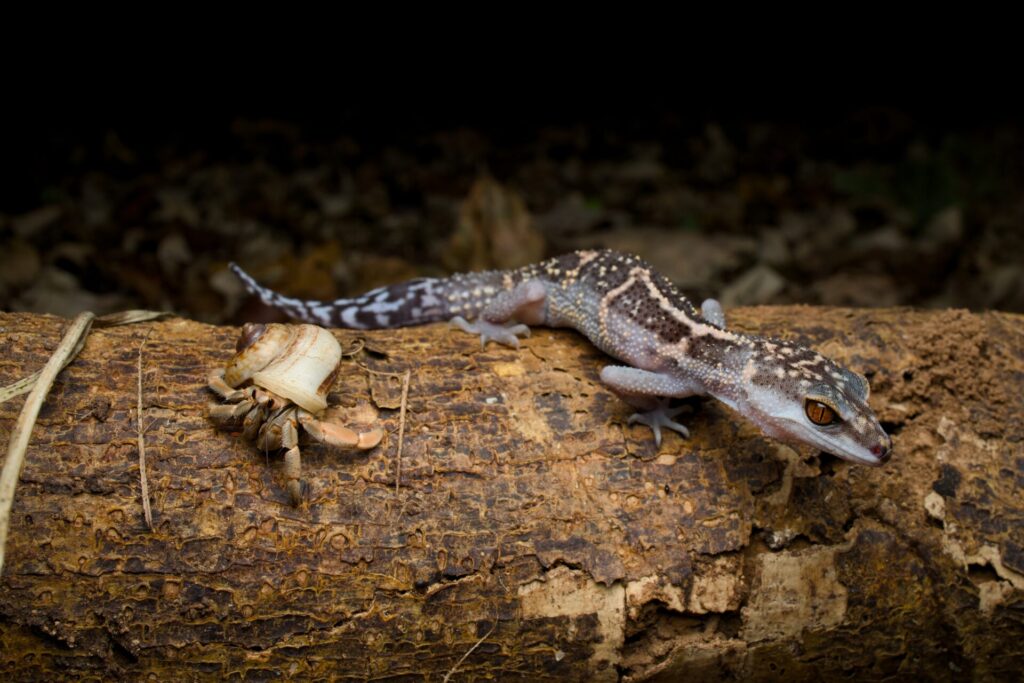
- Kuroiwa’s Ground Gecko (Goniurosaurus kuroiwae)
This striking red-and-black gecko resembles a miniature dinosaur and is often found waiting in ambush among rugged limestone rocks.
Other species that may be encountered include:
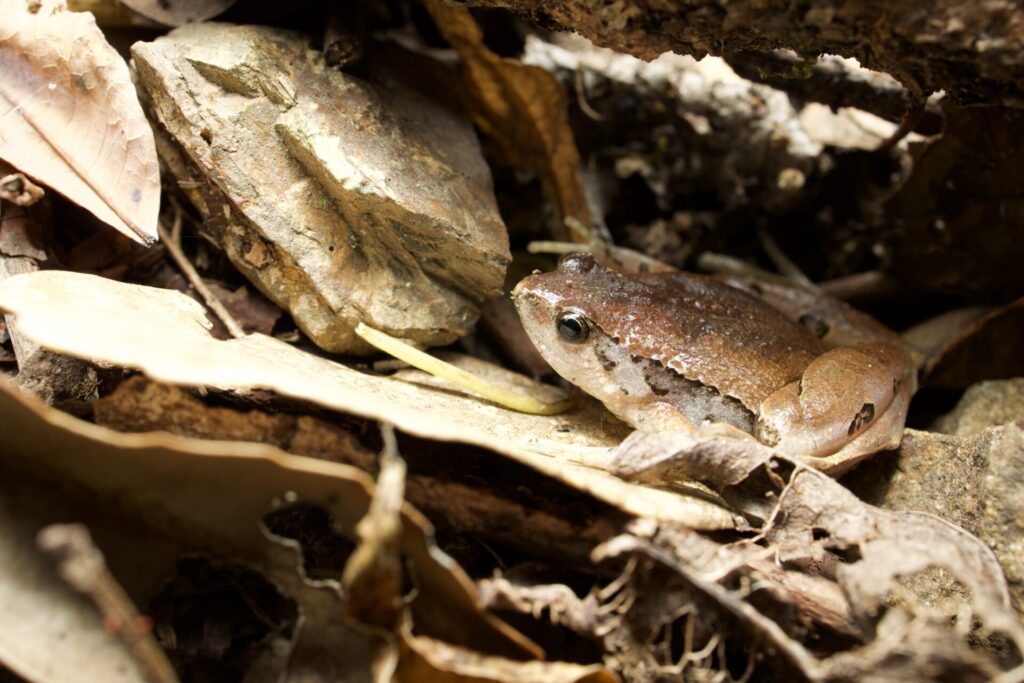
- Ryukyu Kajika Frog (Buergeria japonica)
- Okinawa Narrow-mouthed toad (Microhyla okinavensis )
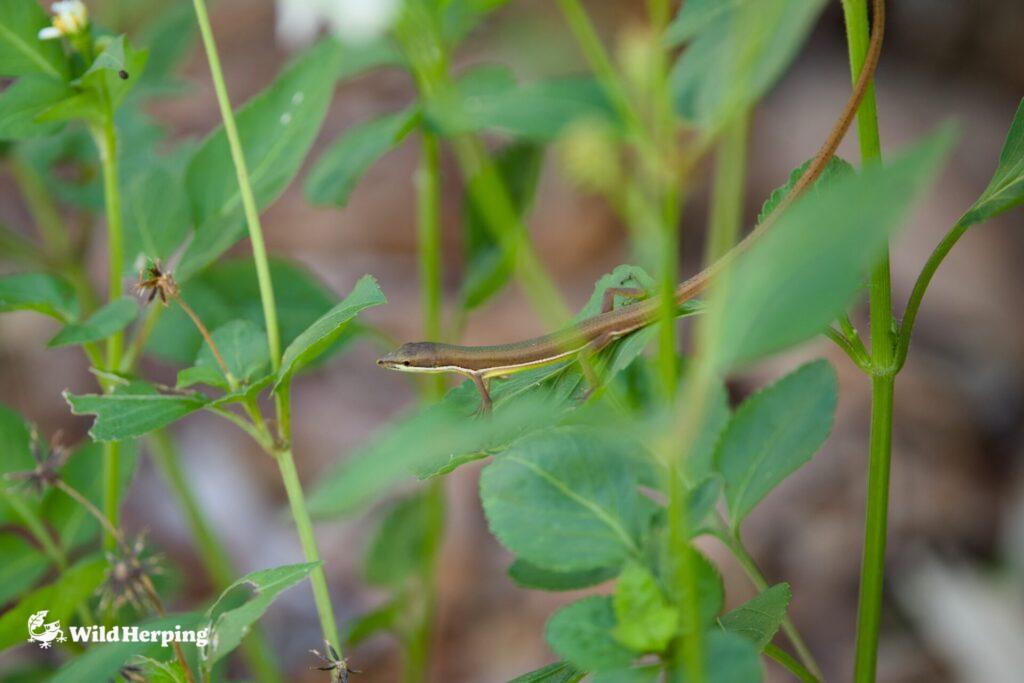
- Okinawa Green Grass Lizard (Takydromus smaragdinus)
- Okinawa Sword-tailed Newt (Cynops ensicauda)
Introduced Sakishima Habu(Protobothrops elegans) may also be observed in some areas.
Southern Okinawa is also excellent for observing colorful invertebrates such as:
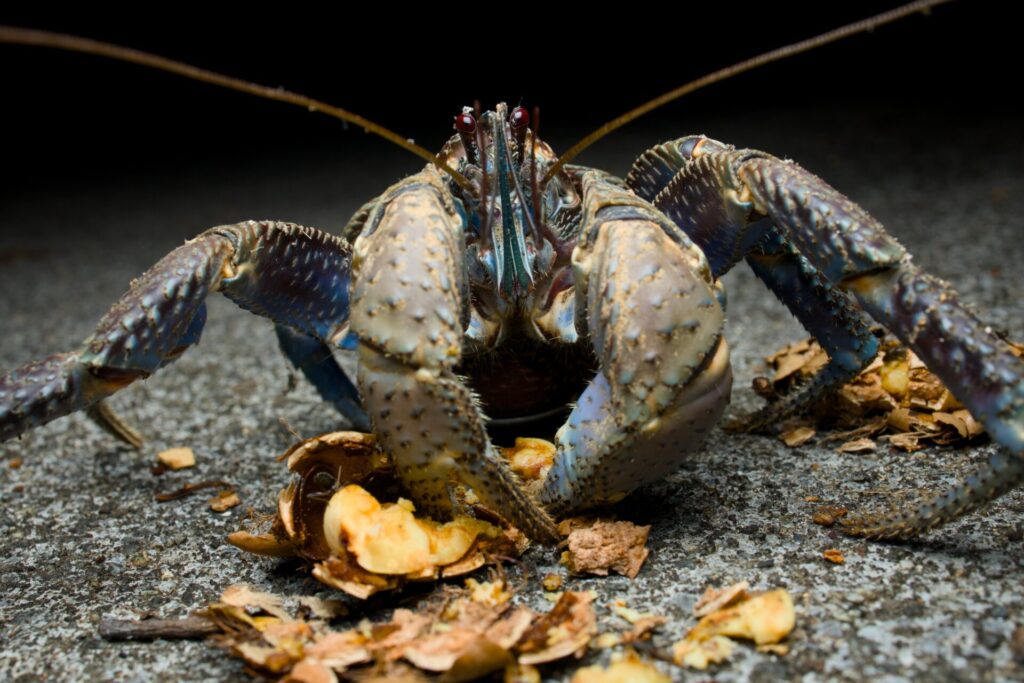
- Coconut Crabs
- Hermit Crabs
- Jewel Bugs
Depending on the season, sea turtle nesting activity may also be observed along the coast.
The incredible diversity of wildlife found only 30 minutes from a major city is one of the most fascinating aspects of Okinawa.
If you would like to photograph wildlife against dramatic limestone backgrounds, this is a perfect destination.
_250721_8-1024x683.jpg)
⸻
3. Amami Oshima | Ancient Forests and Giant Habu
Amami Oshima, located in Kagoshima Prefecture, is geologically older than Okinawa and preserves remnants of ancient subtropical forests.
The island is famous for its unique endemic wildlife and deep forest ecosystems.
Famous Endemic Species
Some of the most iconic species of Amami include:
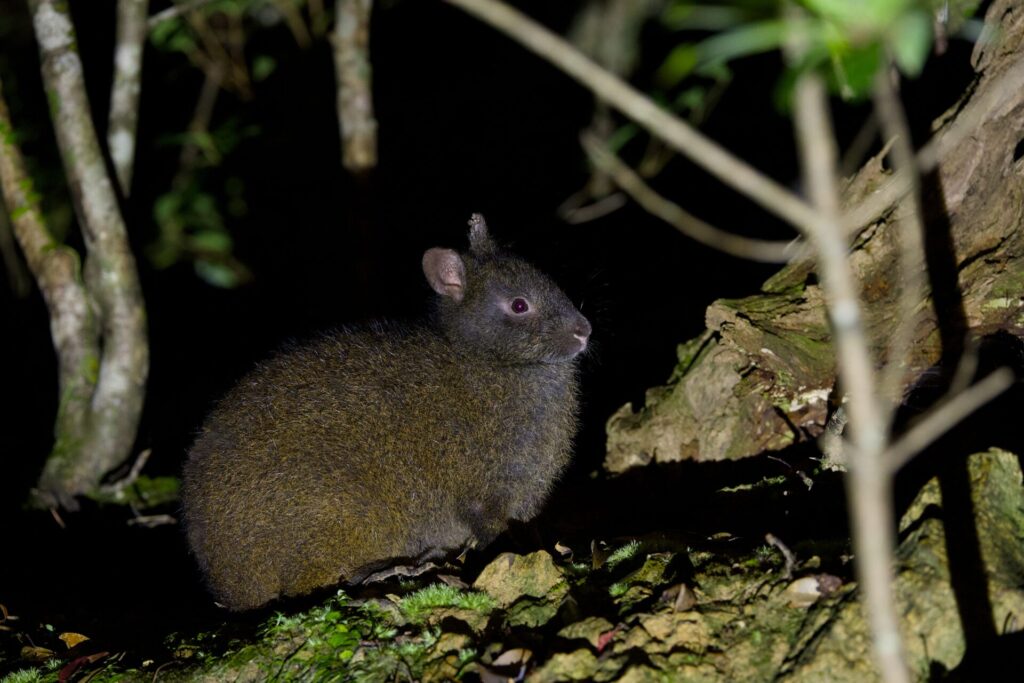
- Amami Rabbit (Pentalagus furnessi)
- Lidth’s Jay (Garrulus lidthi)
- Amami Spiny Rat (Tokudaia osimensis)
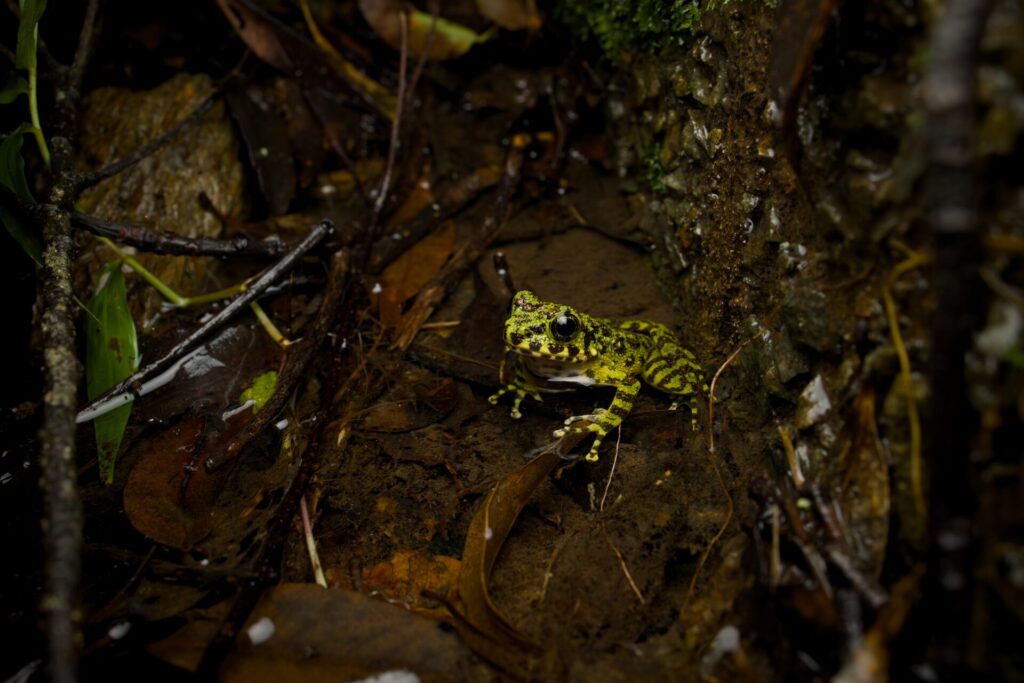
- Amami Ishikawa’s Frog (Odorrana splendida)
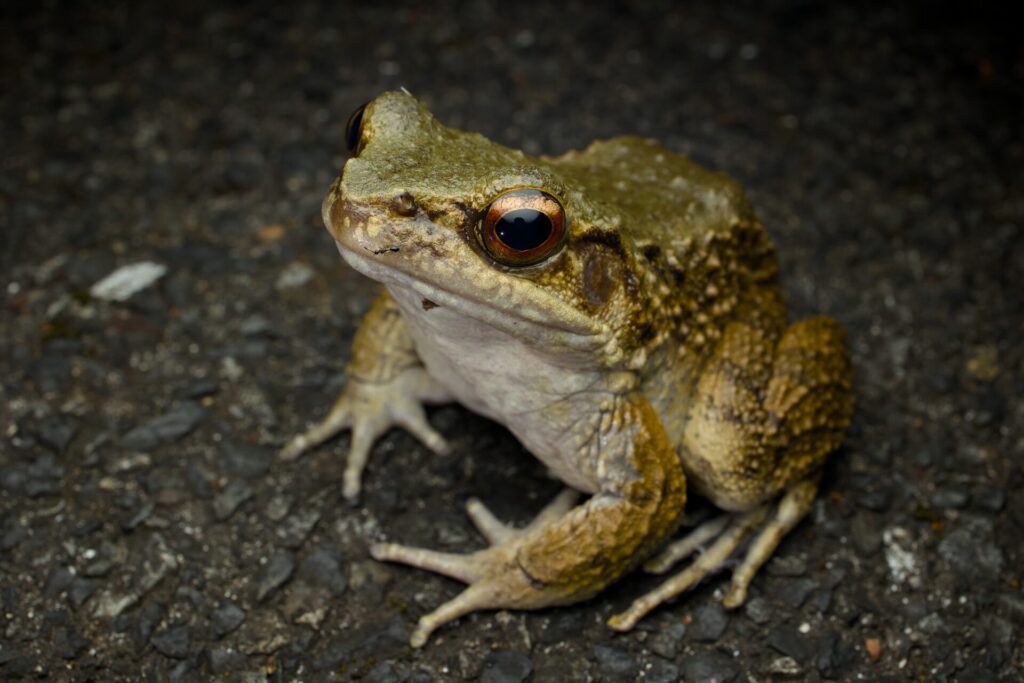
- Otton Frog (Babina holsti)
The Otton Frog is especially unusual because it has five fingers on its forelimbs, unlike most frogs.
Snake Observation
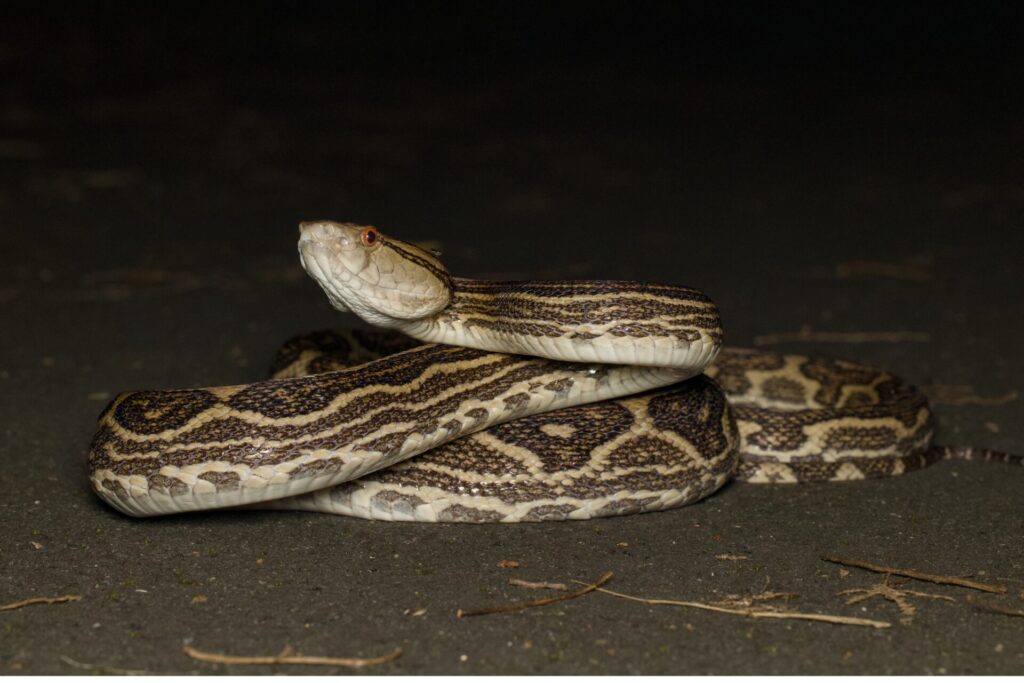
Amami is also one of the best islands for observing Habu.
Mongooses were introduced in the past to control venomous snakes, but successful eradication programs have now removed them from the island. As a result, snake encounters are often considered easier than in some parts of Okinawa.
For many herpers, Amami offers one of the best opportunities in Japan to observe large pit vipers in pristine subtropical forests.
⸻
4. Ishigaki Island | Tropical Ryukyu Wildlife and Sakishima Habu
Ishigaki Island is located more than 400 km southwest of Okinawa Island and lies much closer to Taiwan than mainland Japan. Because of its southern location and strong tropical influence from Taiwan and Southeast Asia, the wildlife of the Yaeyama Islands is dramatically different from that of Okinawa Island.
The forests, mangroves, rivers, and limestone habitats of Ishigaki create one of the most exciting herping environments in Japan. For many wildlife photographers and reptile enthusiasts, the Yaeyama Islands feel closer to tropical Southeast Asia than to the rest of Japan.
Sakishima Habu
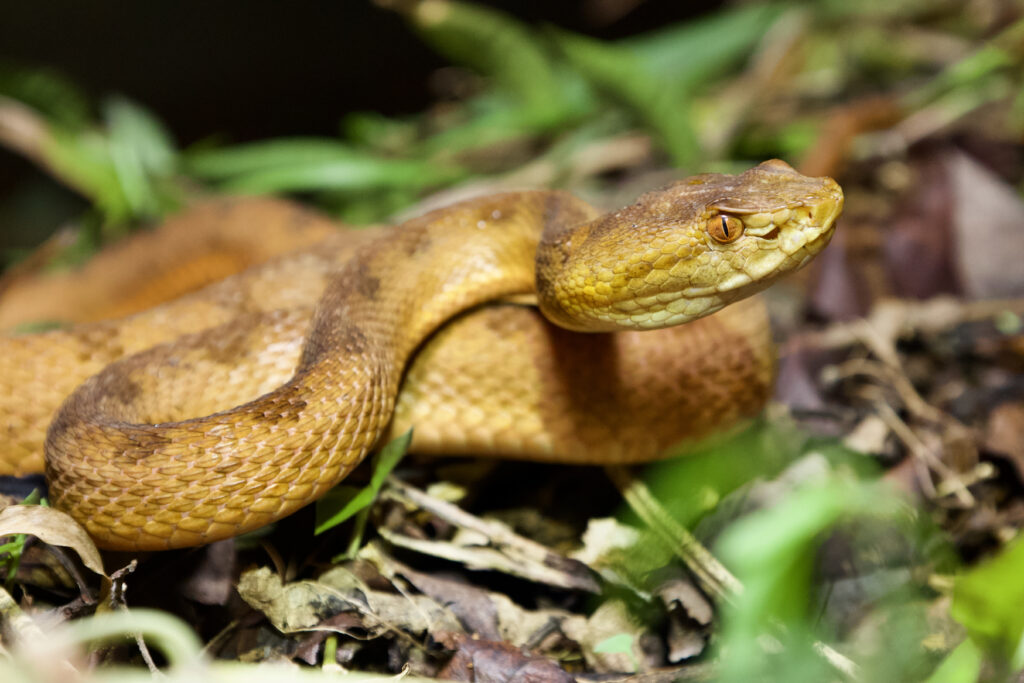
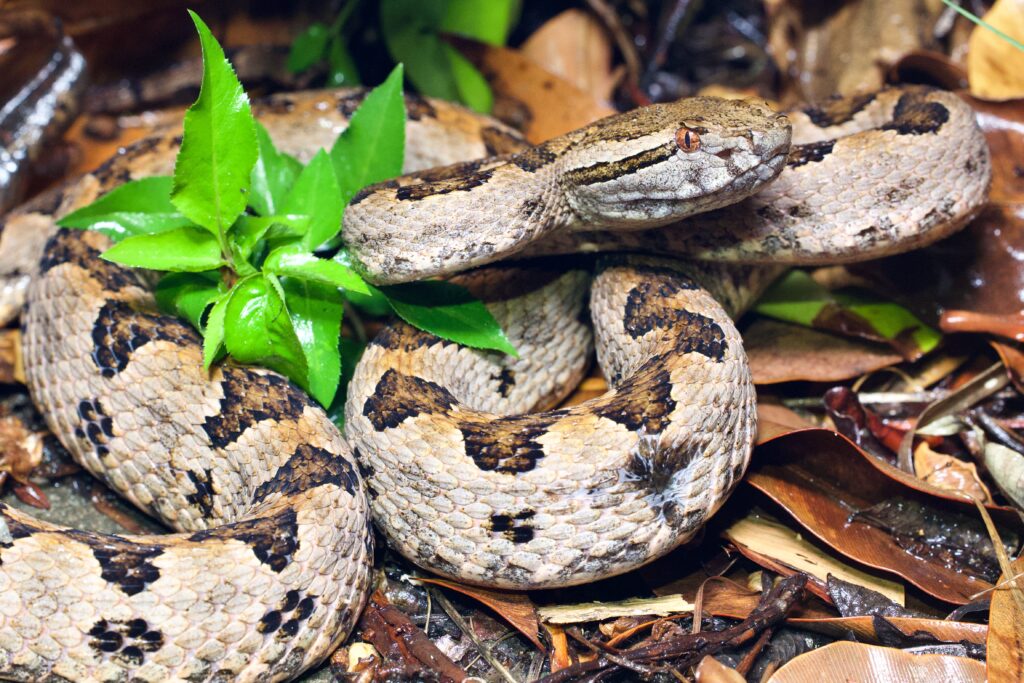
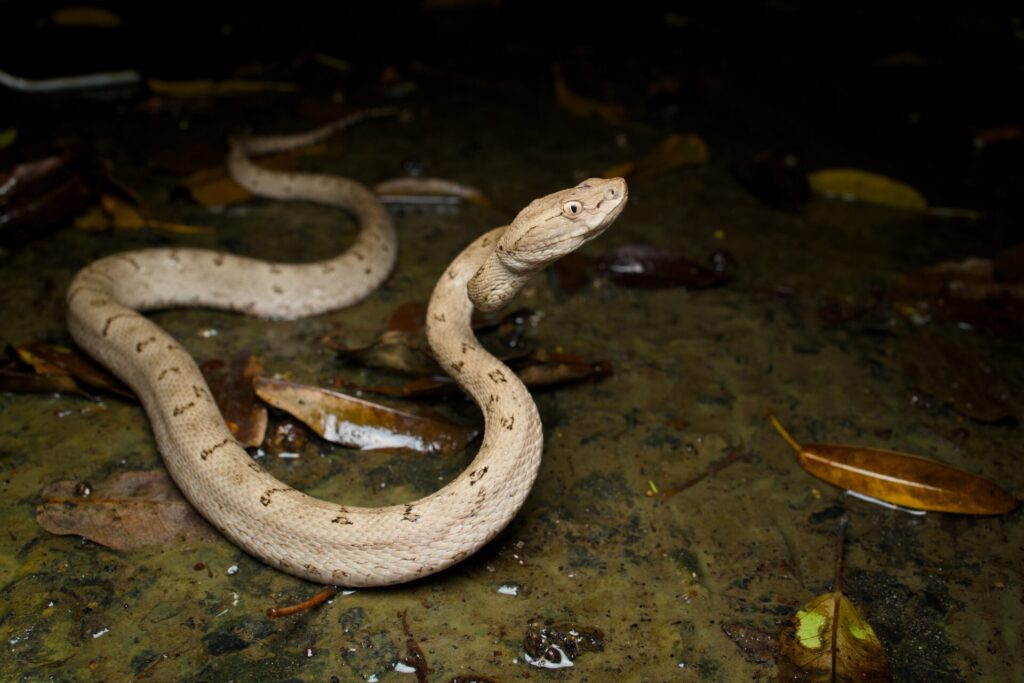
The most iconic snake of the region is the Sakishima Habu (Protobothrops elegans), a beautiful endemic pit viper found in the southern Ryukyu Islands.
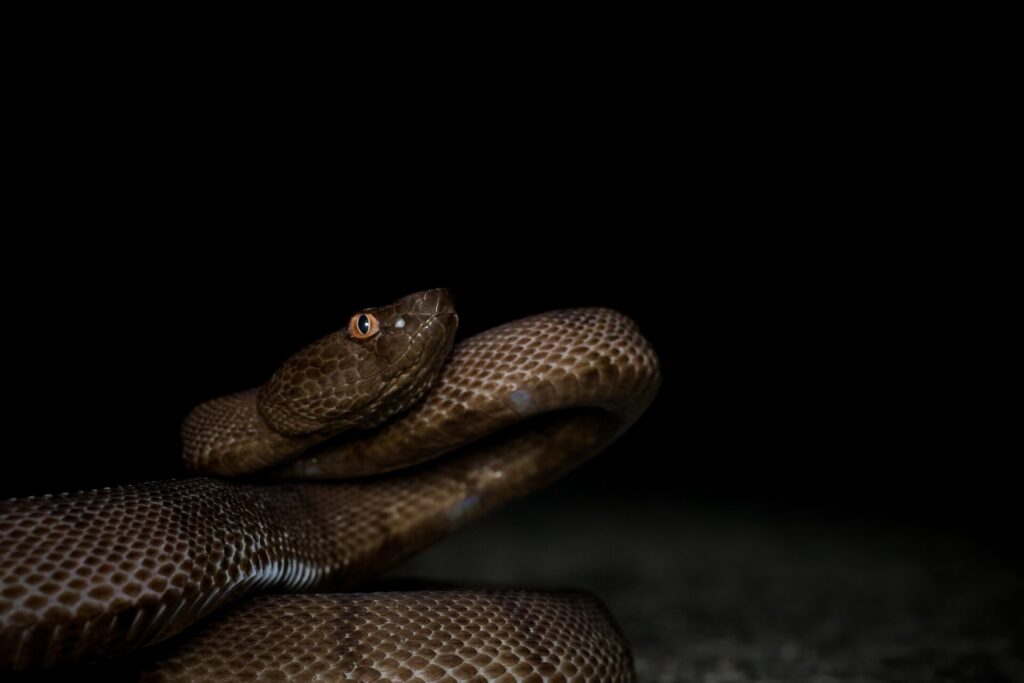
Most individuals display gray or brown coloration that blends perfectly into the forest floor and limestone habitats. However, in some areas, striking orange-colored individuals can occasionally be encountered. These orange morphs are especially popular among reptile photographers and herpers because of their vivid coloration and unique appearance.
Compared to the larger Okinawa Habu, the Sakishima Habu is often considered more slender and elegant in appearance, making it one of the most photogenic venomous snakes in Japan.
Endemic Reptiles and Amphibians
Ishigaki and the surrounding Yaeyama Islands are home to many endemic reptiles and amphibians, including:
- Yaeyama Keelback (Hebius ishigakiensis )
- Yaeyama Box Turtle (Cuora flavomarginata)
- Yaeyama Green Tree Frog (Zhangixalus owstoni)
Because the islands were isolated from each other for long periods, many animals show unique local variations in color and pattern.
For herpers and macro photographers, exploring different islands in the Yaeyama region is an extraordinary experience.
Mangroves and Tropical Ecosystems
One of the most fascinating aspects of Ishigaki is the diversity of habitats packed into a relatively small island.
Within a single day, it is possible to explore:
- Mangrove forests
- Limestone habitats
- Jungle rivers
- Mountain forests
- Coastal ecosystems
This environmental diversity supports an incredible range of wildlife and makes Ishigaki one of the best destinations in Japan for tropical wildlife photography.
Iriomote Island
By taking a ferry from Ishigaki, visitors can also explore Iriomote Island, one of the wildest islands in Japan.
Iriomote is covered by dense subtropical rainforest, mangrove rivers, and remote jungle valleys. The island is famous for the critically endangered Iriomote Cat (Prionailurus bengalensis iriomotensis), one of the rarest wild cats in the world.
Although sightings are never guaranteed, nighttime wildlife exploration on Iriomote offers the possibility of encountering this legendary animal along with many endemic reptiles, frogs, insects, and birds.
For anyone interested in tropical island ecosystems, venomous snakes, endemic reptiles, and remote jungle environments, Ishigaki and the Yaeyama Islands are essential destinations for herping in Japan.
⸻
5. Remote Islands | Island-Hopping for Endemic Reptiles
No discussion of Okinawa herping would be complete without the remote islands of the Ryukyu Archipelago.
Each island has its own geological origin. Some islands were once connected to larger landmasses, while others emerged through coral uplift or volcanic activity. As a result, every island has evolved its own unique reptile and amphibian fauna.
For wildlife photographers and reptile enthusiasts, island-hopping across the Ryukyus is an extraordinary experience.
Island Gecko Diversity
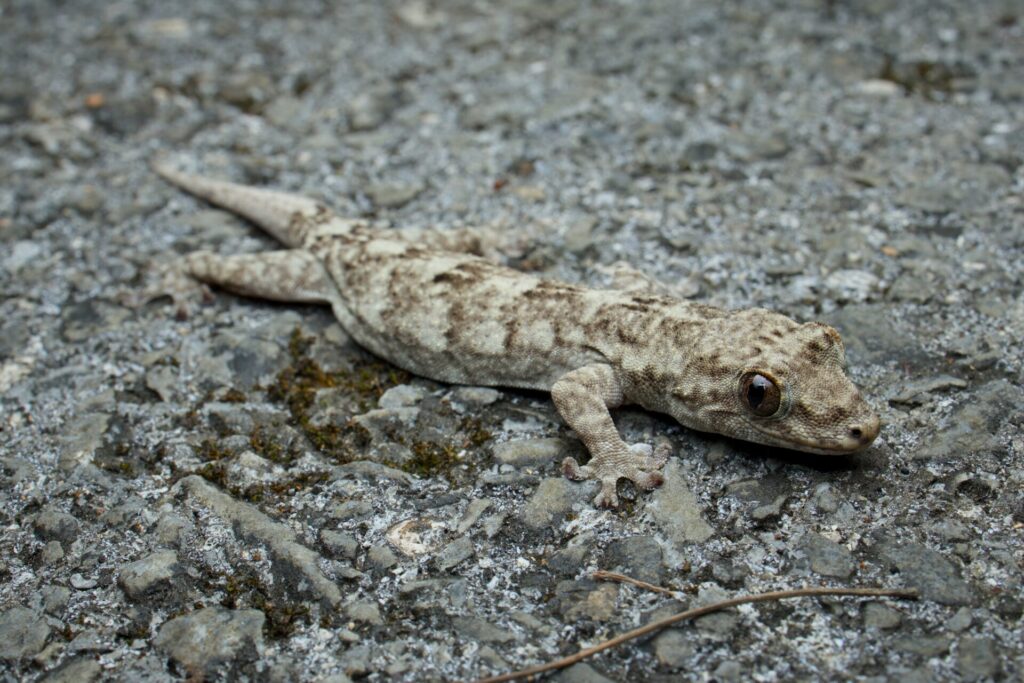
One of the highlights of Ryukyu herping is the incredible diversity of Japanese ground geckos(Goniurosaurus sp) .
Currently, seven species are recognized in the Ryukyu Islands, but many island populations show clear differences in coloration, body shape, and even behavior. Additional species and subspecies may still be discovered in the future.
Searching for different gecko populations while traveling between islands is one of the most rewarding experiences for reptile enthusiasts.
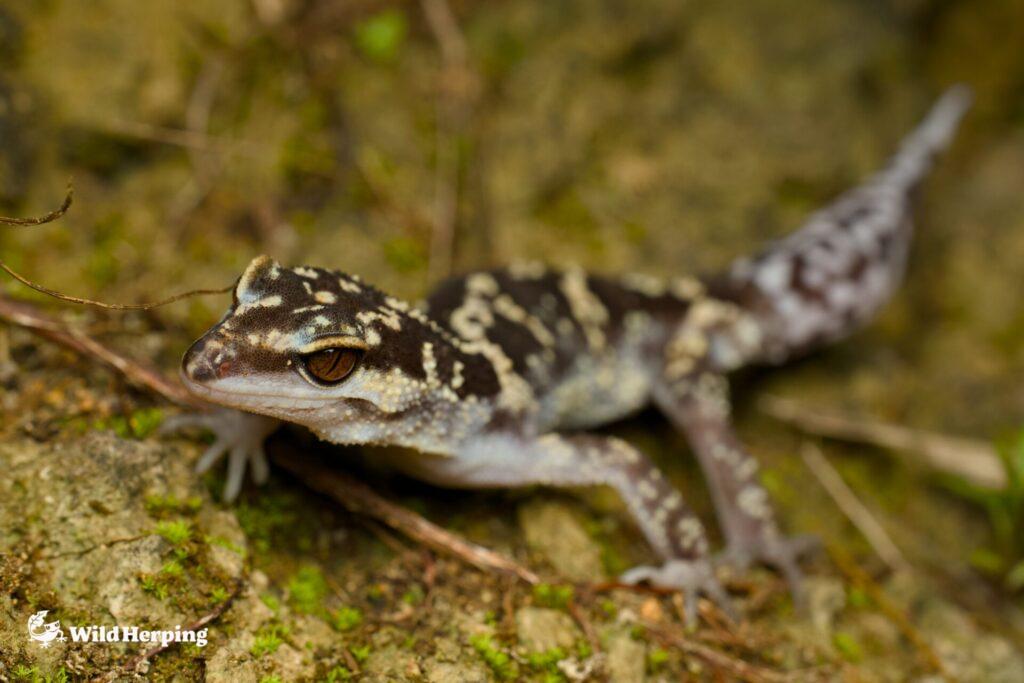
Goniurosaurus orientalis from Ie island
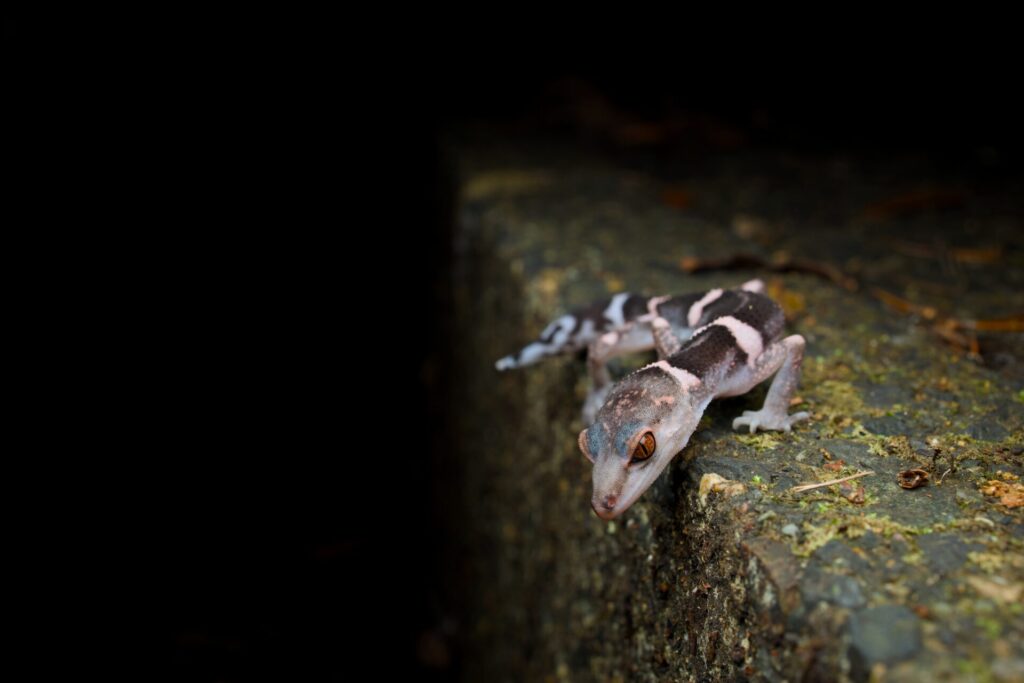
Goniurosaurus splendens
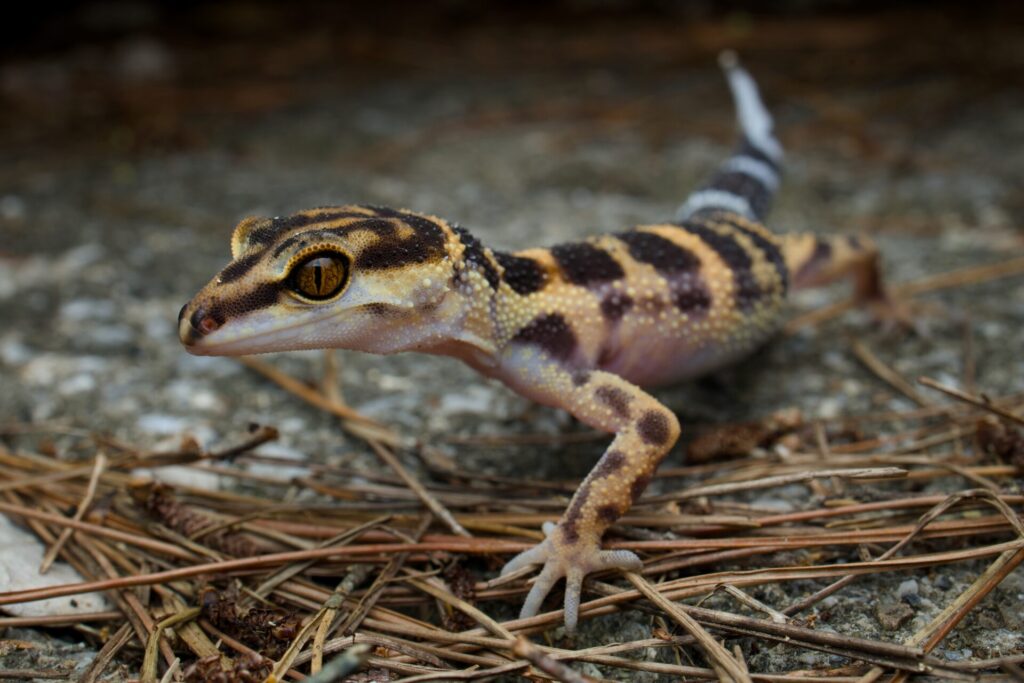
Goniurosaurus orientalis from Tonaki island
_250721_6-1024x683.jpg)
Goniurosaurus kuroiwae
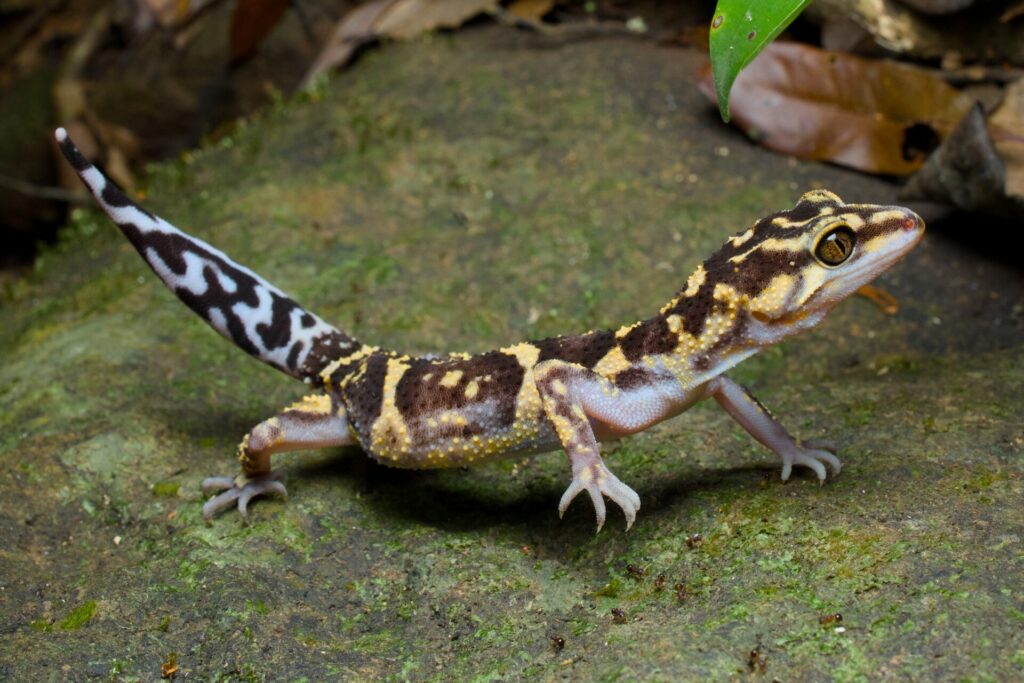
Goniurosaurus yamashinae
_250721_4-1024x683.jpg)
Goniurosaurus nebulozonatus
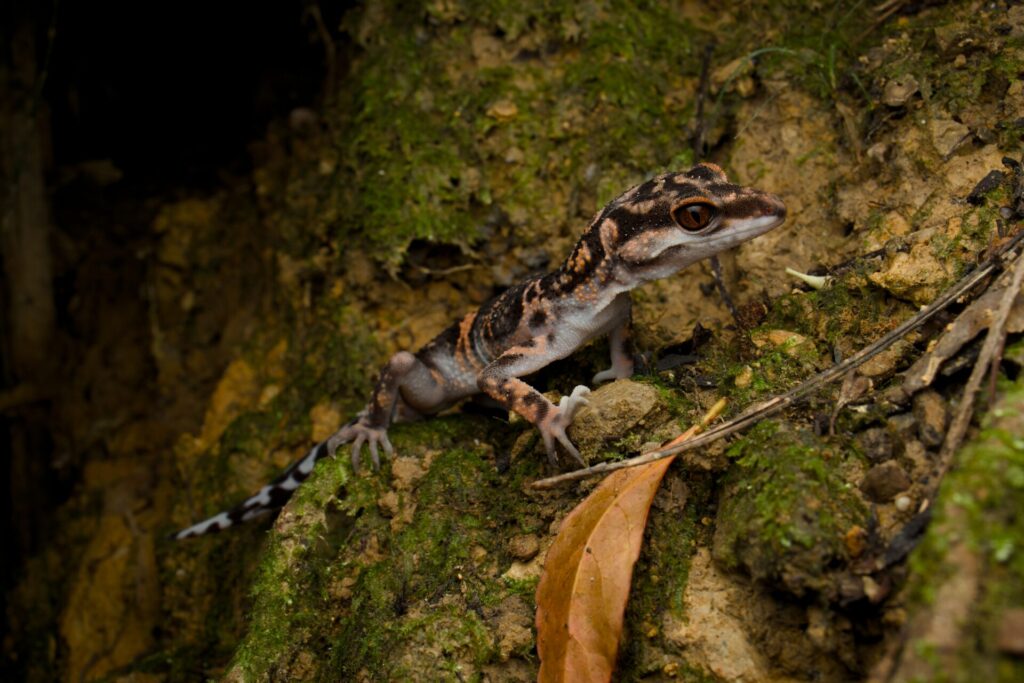
Goniurosaurus toyamai
Regional Habu Morphs
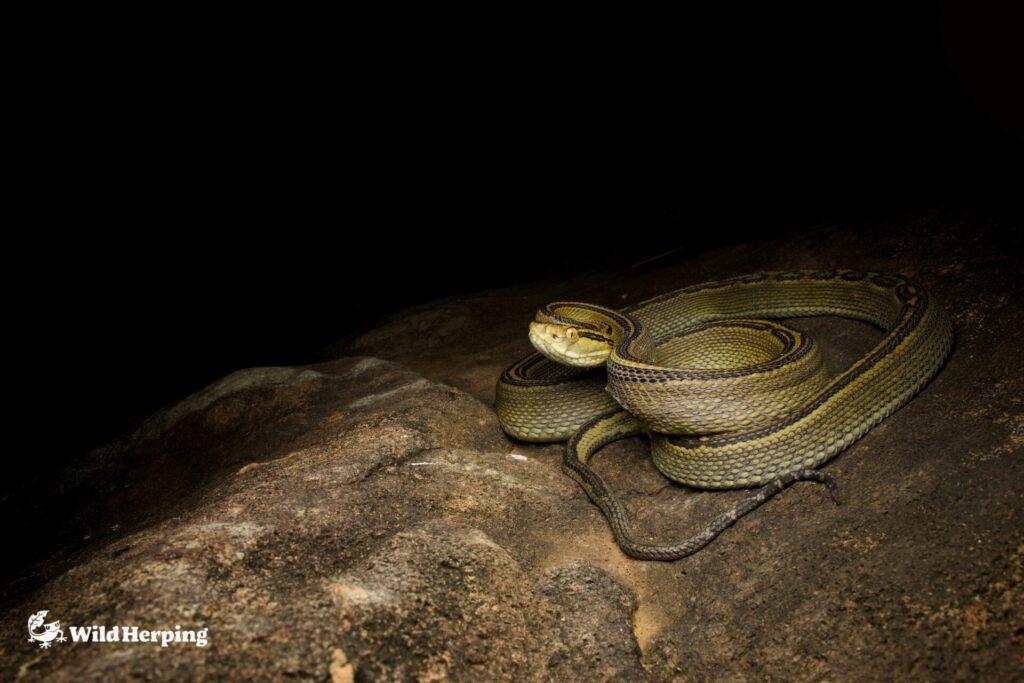
The Ryukyu Islands are also famous for their remarkable Habu diversity.
In addition to island endemic species such as:
- Tokara Habu (Protobothrops tokarensis)
- Sakishima Habu (Protobothrops elegans)
Even the widespread Habu (Protobothrops flavoviridis) shows dramatic regional variation.
For example, on Kumejima Island, many Habu display distinctive striped patterns rarely seen elsewhere in the Ryukyu Islands.
These local morphs are one of the reasons why Okinawa and the Ryukyus are considered world-class destinations for reptile photography.
⸻
Private Okinawa Herping Tours
We offer private and customized herping tours across Okinawa, Amami, and the Ryukyu Islands.
Whether you are searching for endemic frogs, island pit vipers, rare geckos, macro photography opportunities, or unique island ecosystems, we can help design an itinerary based on your targets, travel schedule, and budget.
From limestone forests near Naha to the deep rainforests of Yanbaru and the remote islands of the Ryukyu Archipelago, Japan offers some of the most unique herping experiences in the world.
Please feel free to contact us for more information about our Okinawa and Japan herping tours.


