

When people think of Kyoto, they imagine ancient temples, geisha districts, bamboo forests, and beautiful shrines.
But after sunset, Kyoto reveals a completely different side.
Most visitors spend their evenings walking through crowded tourist areas or searching for restaurants. Few realize that one of Japan’s most extraordinary wildlife experiences can be found less than an hour from the city center.
Hidden beneath the clear rivers flowing through the mountains around Kyoto lives one of the world’s most remarkable animals: the Japanese Giant Salamander.
What Is a Japanese Giant Salamander?
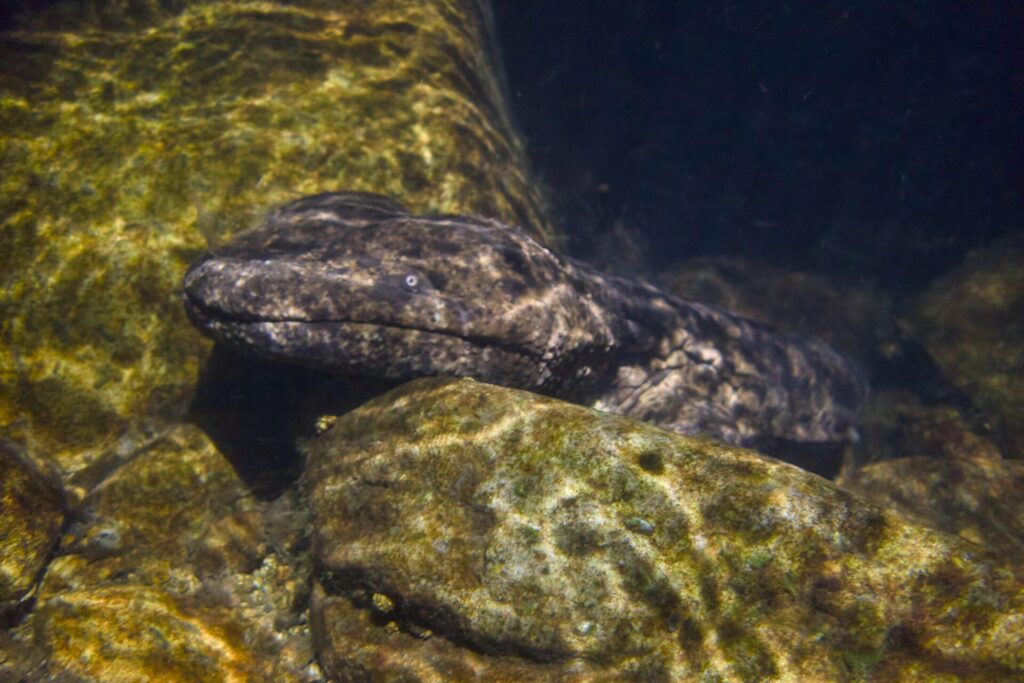
The Japanese Giant Salamander (Andrias japonicus) is one of the largest amphibians on Earth.
Growing up to 1.5 meters (5 feet) in length and weighing over 25 kilograms, these prehistoric-looking creatures have inhabited Japan’s rivers for millions of years. Their appearance has changed so little that they are often called “living fossils.”
The species is found only in Japan and is protected as a Special Natural Monument.
For many wildlife enthusiasts, seeing one in the wild is a bucket-list experience.
A Hidden Side of Kyoto
Millions of tourists visit Kyoto every year.
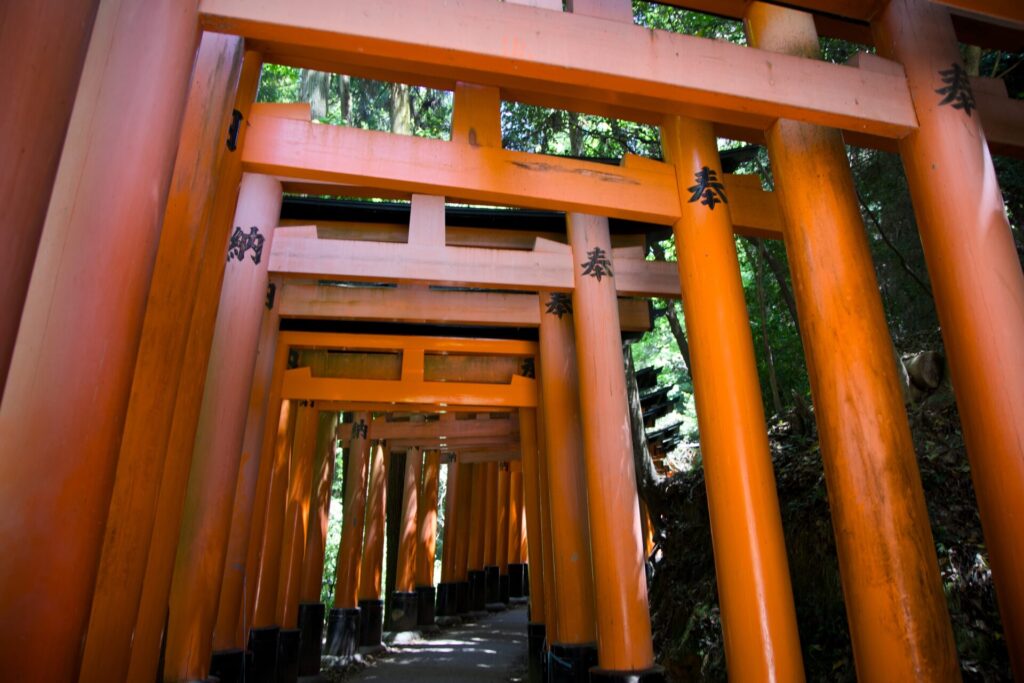
They visit Fushimi Inari Shrine, Kinkaku-ji, Arashiyama Bamboo Grove, and Gion. While these places are beautiful, they can also be crowded, especially during peak seasons.
The rivers surrounding Kyoto tell a different story.
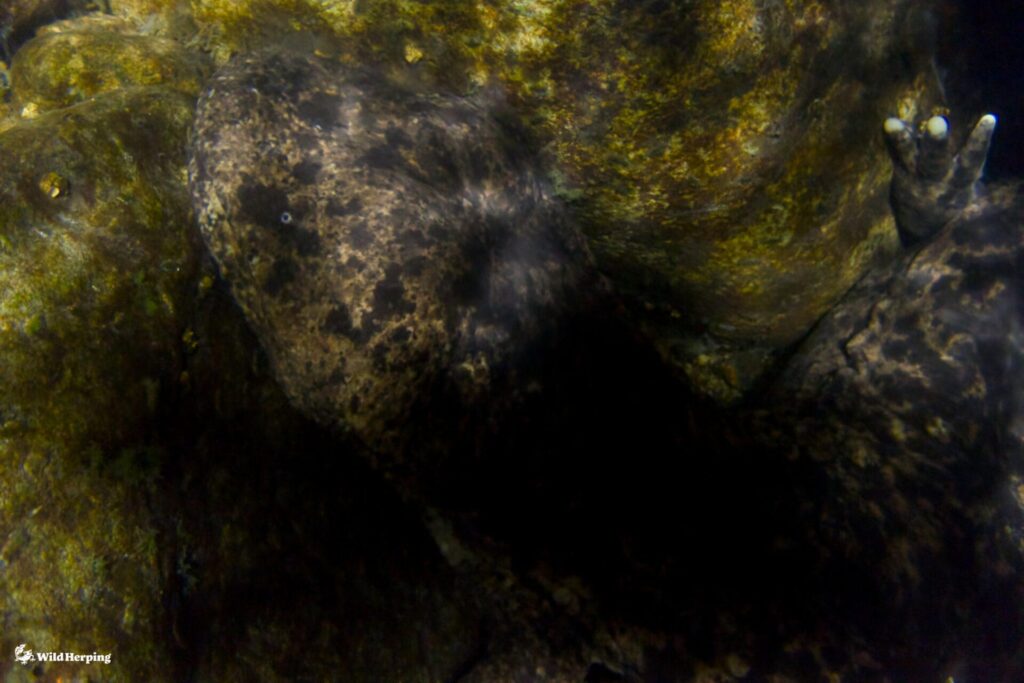
As darkness falls, giant salamanders begin to emerge from beneath rocks and riverbanks. The crowds disappear, the sounds of the city fade away, and visitors can experience a side of Kyoto that few tourists ever see.
This is not a zoo.
This is real wildlife, in its natural habitat.

Just One Hour from Fushimi Inari
One of the most surprising things about this experience is how accessible it is.
The observation sites are located approximately one hour from Kyoto’s famous Fushimi Inari Shrine.
In a single day, visitors can explore Kyoto’s historic temples and, after sunset, search for one of the world’s largest amphibians in a mountain river.
Few destinations in the world offer such a dramatic contrast between culture and wildlife.
Best Season to See Giant Salamanders in Kyoto
The best season for giant salamander observation is from late April through mid-October.
During this period, water temperatures are warmer, activity levels are higher, and observation conditions are generally excellent.
Winter observations are still possible, but salamanders tend to be less active and can be more difficult to find.
Observation Success Rate
Our tours typically achieve a success rate of approximately 75–80%.
Because these are wild animals, sightings can never be guaranteed, but giant salamanders are regularly encountered throughout the season.
Photography Opportunities
Kyoto is one of the best places in Japan to photograph giant salamanders in the wild.
Photographers often have opportunities to capture:
- Giant salamanders resting on river bottoms
- Underwater behavior
- Natural stream habitats
- Nighttime wildlife scenes
- Macro photography of river ecosystems
Whether you are a professional wildlife photographer or simply looking for unique travel memories, the opportunities can be exceptional.
Is the Tour Suitable for Children?
Yes.
The tour is family-friendly and suitable for children who enjoy nature and wildlife.
Routes and observation locations can be adjusted depending on the age and experience of participants.
Many families find this to be one of the most memorable activities during their visit to Kyoto.

What Should I Bring?
We recommend bringing:
- Headlamp
- Quick-dry outdoor clothing
- Drinking water
- Camera
Specialized equipment can often be provided upon request.
Why Choose a Giant Salamander Tour Instead of Another Kyoto Night Activity?
Because it offers something that almost nobody else experiences.
While thousands of visitors spend their evenings in crowded streets, you can spend yours standing beside a mountain stream, searching for a living fossil found nowhere else on Earth.
It is a chance to see a side of Japan that most travelers never discover.
For wildlife lovers, photographers, families, and curious travelers, this may become the highlight of an entire trip to Kyoto.
Join Our Kyoto Giant Salamander Expedition
If you are looking for one of the most unique things to do in Kyoto at night, we would love to show you the hidden world of Japan’s giant salamanders.
Private tours are available for individuals, couples, families, and small groups.
Experience Kyoto after dark — and meet one of Japan’s most extraordinary animals.
Ready to experience a different side of Kyoto?
Join our Kyoto Giant Salamander Expedition and discover one of Japan’s most extraordinary animals in the wild. Just one hour from Kyoto’s famous temples and shrines, you’ll have the opportunity to explore clear mountain streams after dark and search for the world’s second-largest amphibian alongside an experienced wildlife guide.
Whether you’re a wildlife enthusiast, photographer, or simply looking for a unique night activity in Kyoto, this tour offers an unforgettable experience far from the usual tourist crowds.
👉 Click here to learn more and book your Kyoto Giant Salamander Tour.


