
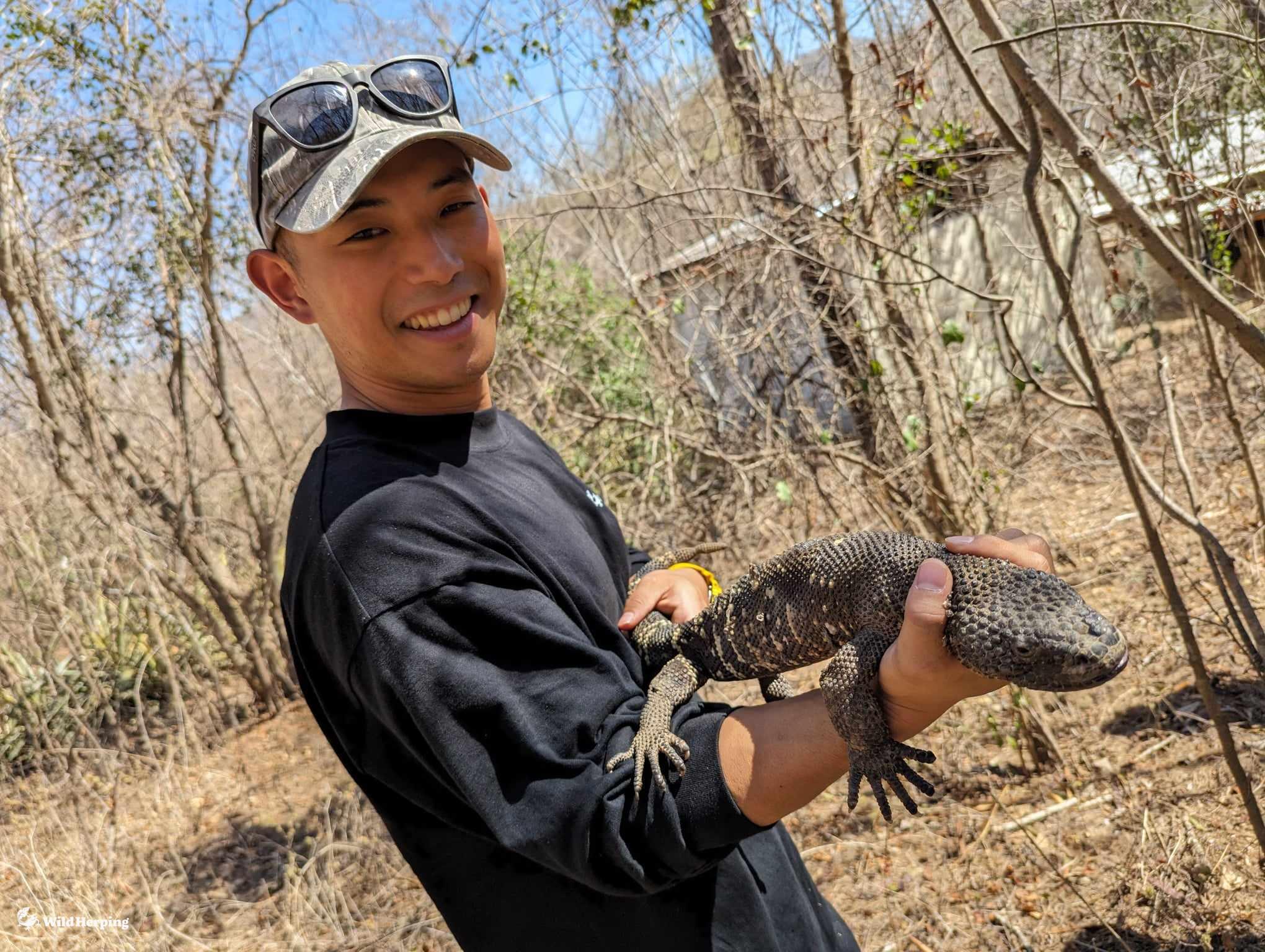
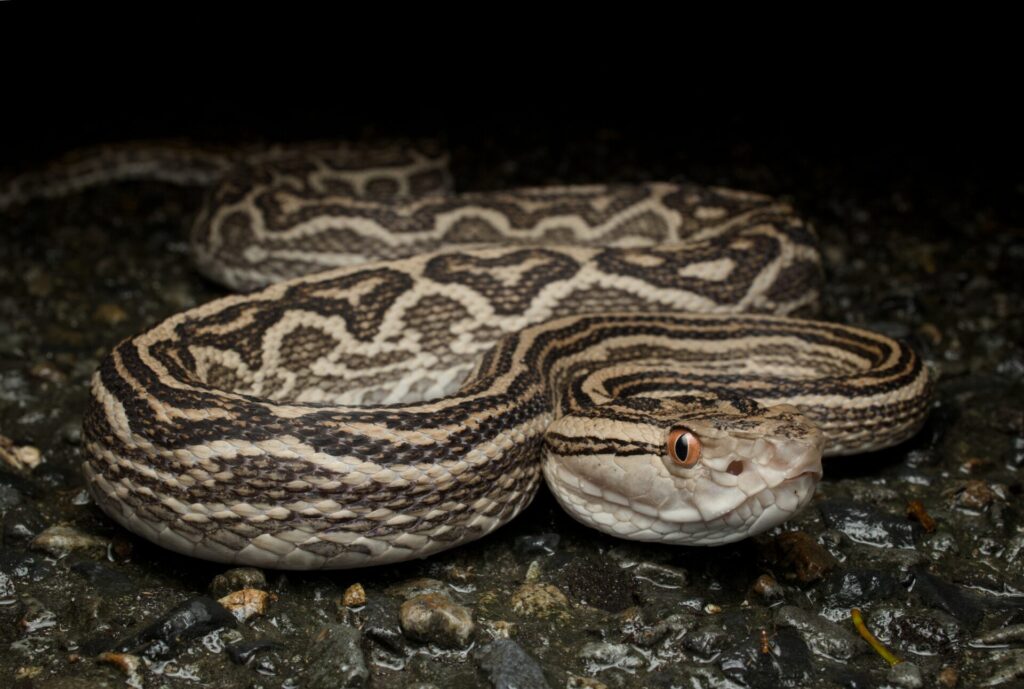
Herping in Japan offers some of the most unique reptile and amphibian watching in East Asia.
From Japanese Giant Salamanders (Andrias japonicus) in the mountain rivers of mainland Japan to Habu (Protobothrops flavoviridis), endemic ground geckos, rare frogs, and newts across Okinawa and the Ryukyu Islands, Japan offers completely different herping experiences from one region to another.
But where should you go herping in Japan? What reptiles and amphibians can you see? When is the best time to visit? And how different is herping on mainland Japan compared with Okinawa, Amami, or the remote islands farther south?
In this guide, we introduce some of the best regions for herping in Japan, the species that make them special, and what to consider when planning a herping trip across the country.
Japan may look like a relatively small country on a map, but for herpers, it is anything but simple.
Stretching from the cool temperate forests of Hokkaido to the subtropical islands of the Ryukyu Archipelago, Japan is a long, mountainous island nation shaped by isolation.
On the mainland, mountains separate river systems and populations. Across southern Japan, the sea separates islands. Differences in altitude, geology, rainfall, and climate create even more barriers.
Over time, this isolation has produced remarkably different communities of reptiles and amphibians from one region — and sometimes one island — to the next.
This is why we don’t think of Japan as a single herping destination.
To understand what makes herping in Japan so special, you need to travel through several very different worlds.
1. Mainland Japan — From Hokkaido to Kyushu
One of the greatest attractions of herping on mainland Japan is its extraordinary diversity of salamanders.
Japan is mountainous, and its rivers and streams are divided into countless separate drainage systems. Populations can become isolated from one another, while differences in elevation, climate, geology, and habitat create very different environments from region to region.
The result is an impressive variety of salamanders.
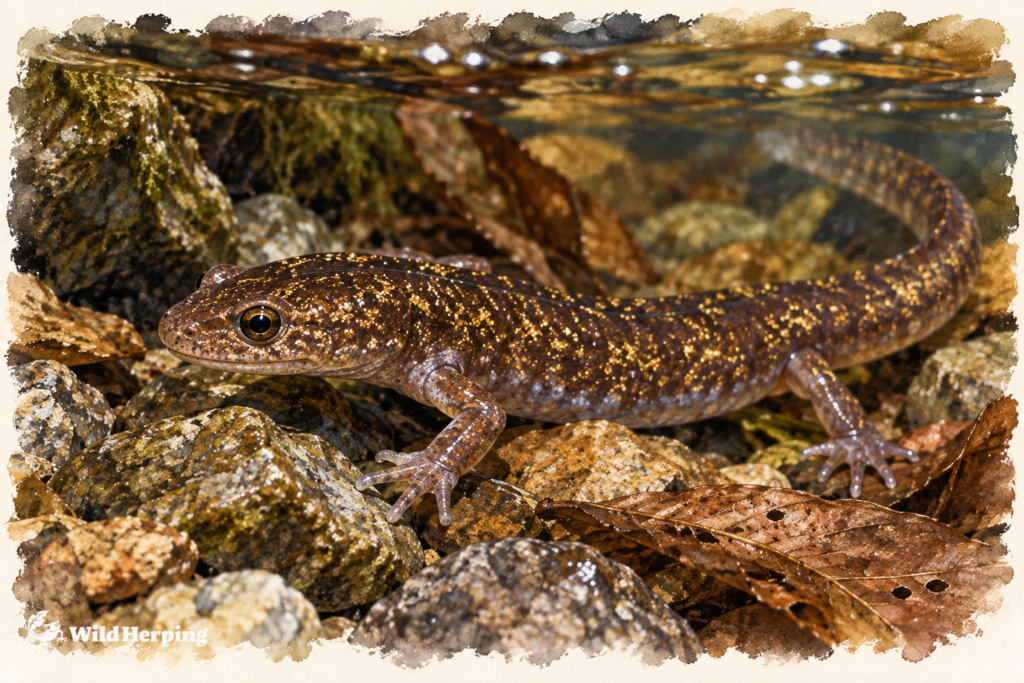
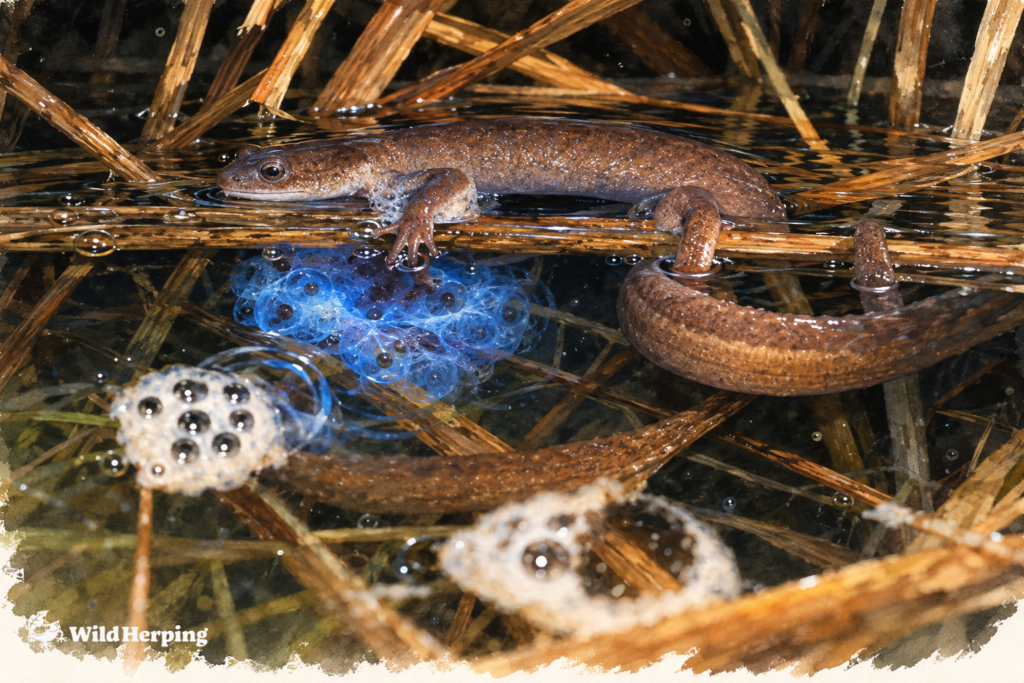
From the Siberian Salamander (Salamandrella keyserlingii) of Hokkaido, known for its striking blue egg sacs, to the Hida Salamander (Hynobius kimurae) found around Kyoto, whose body looks as though it has been sprinkled with gold leaf, Japan is home to a remarkable variety of salamanders.
Depending on where you travel, searching a small mountain stream, spring, forest floor, or rocky valley may reveal completely different species.
And then there is one salamander that breaks all expectations.
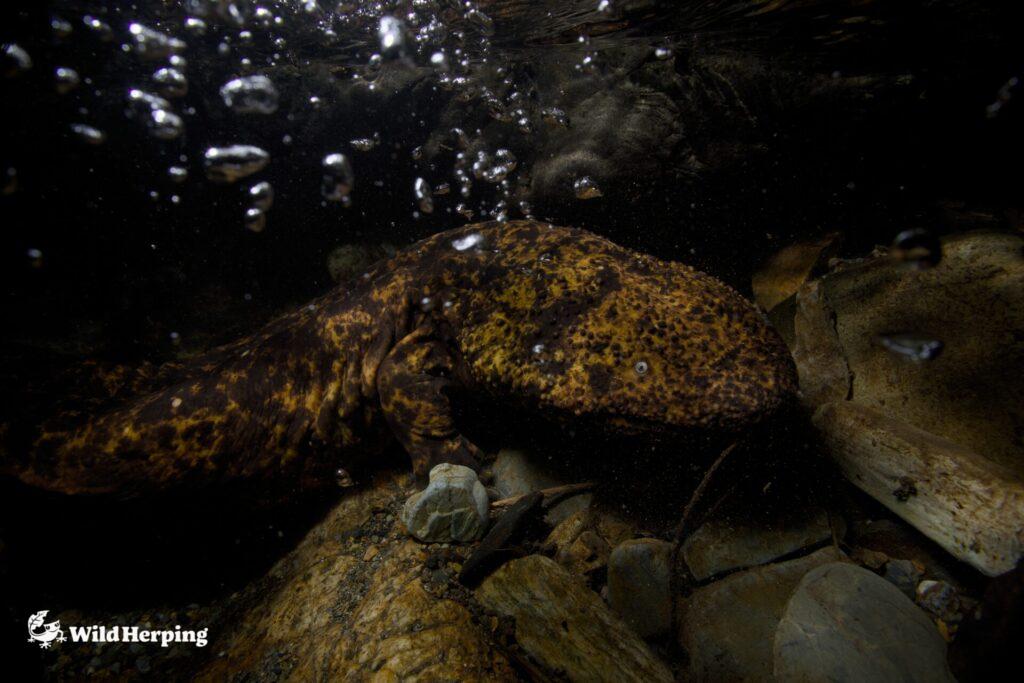
The Japanese Giant Salamander
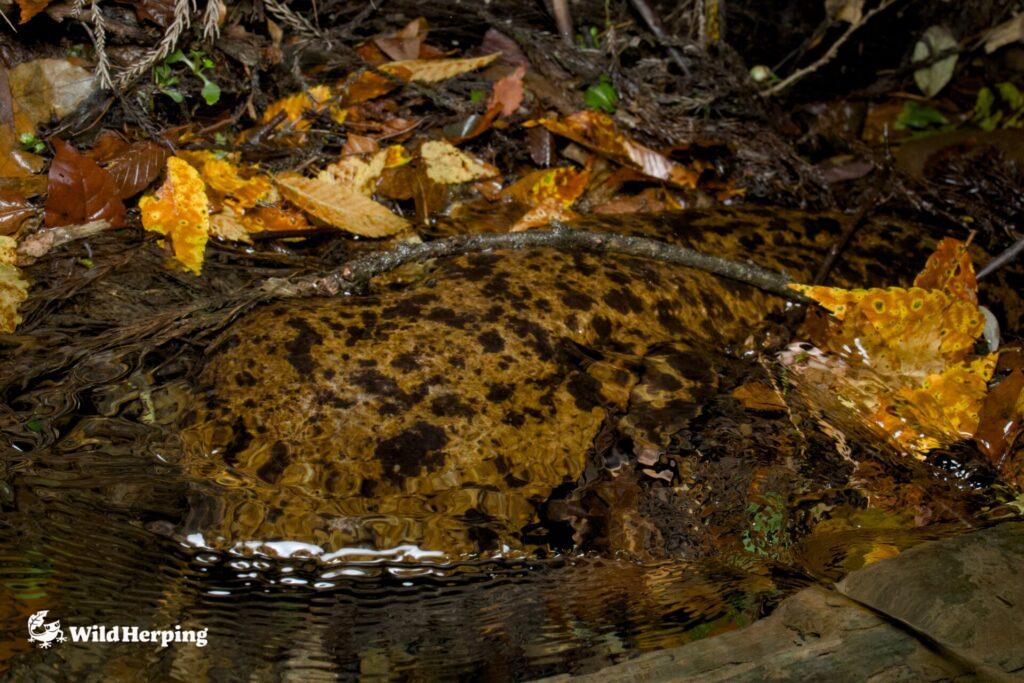
The Japanese Giant Salamander (Andrias japonicus) is one of the largest amphibians on Earth, capable of reaching around 1.5 metres in length.
Wild individuals are generally much smaller, but some of the animals we encounter in our field sites around Kyoto exceed one metre.
Seeing an animal of this size lying beneath the surface of a Japanese river is an unforgettable experience.
Once fully grown, giant salamanders have few natural predators. In suitable habitat and under the right conditions, they can also be observed with surprisingly good consistency compared with many of Japan’s smaller and more secretive salamanders.
This makes Kyoto one of our favourite places to introduce visiting herpers to mainland Japan.
What About the Snakes?
Compared with Japan’s salamanders, the snake fauna of the mainland is less diverse, with many species distributed across large areas.
But what it lacks in numbers, it makes up for with some very interesting snakes.
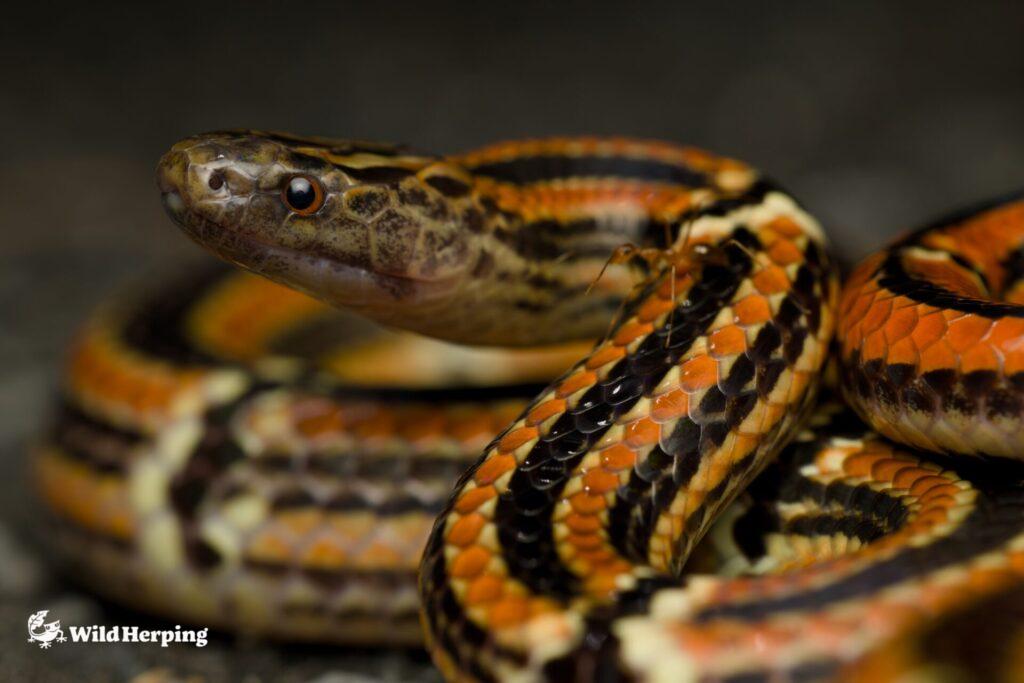
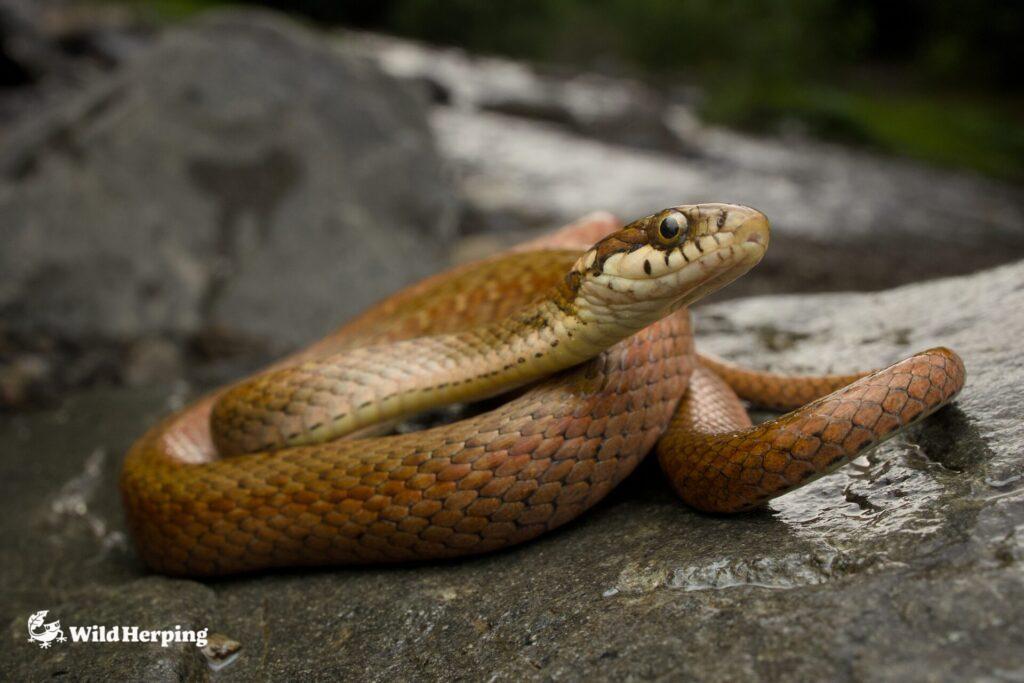
One of the favourites among visiting herpers is the beautiful Japanese Forest Ratsnake, or Jimuguri (Euprepiophis conspicillata).
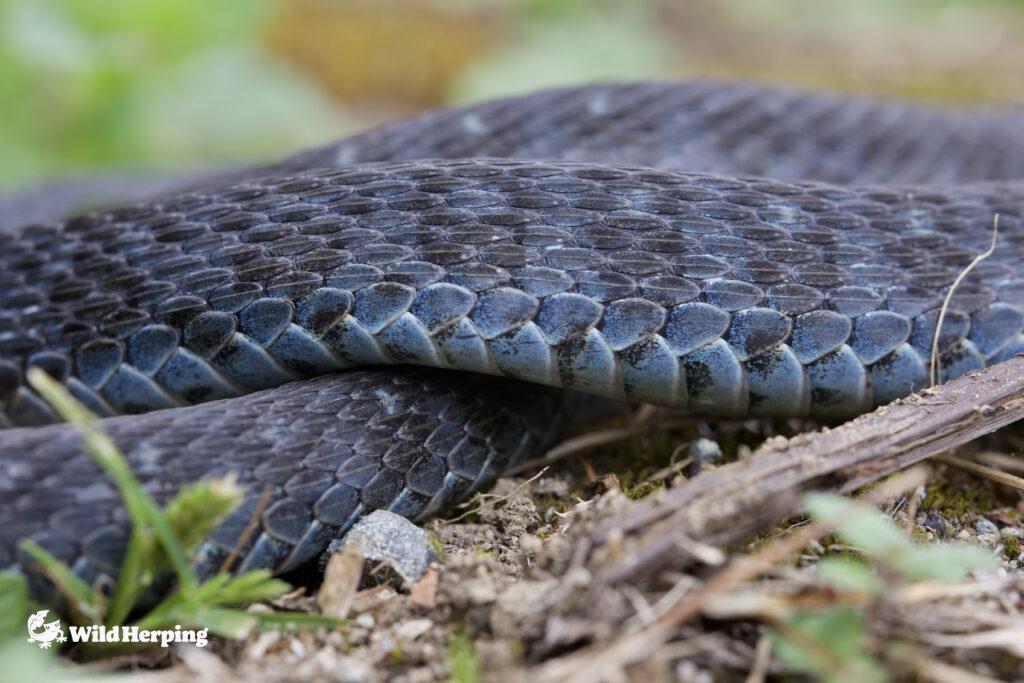
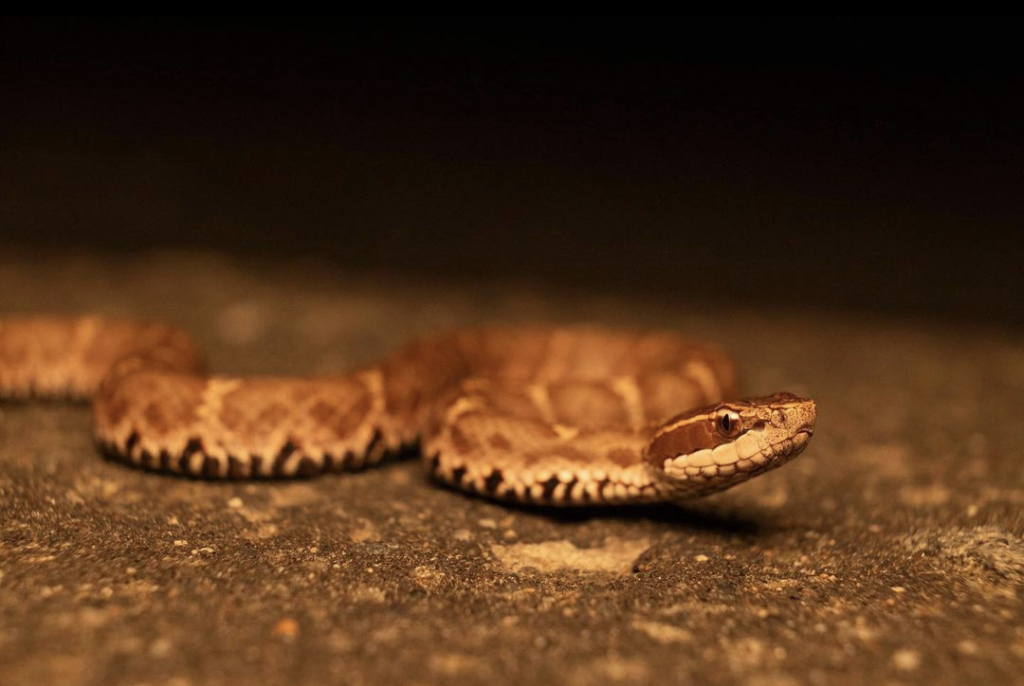
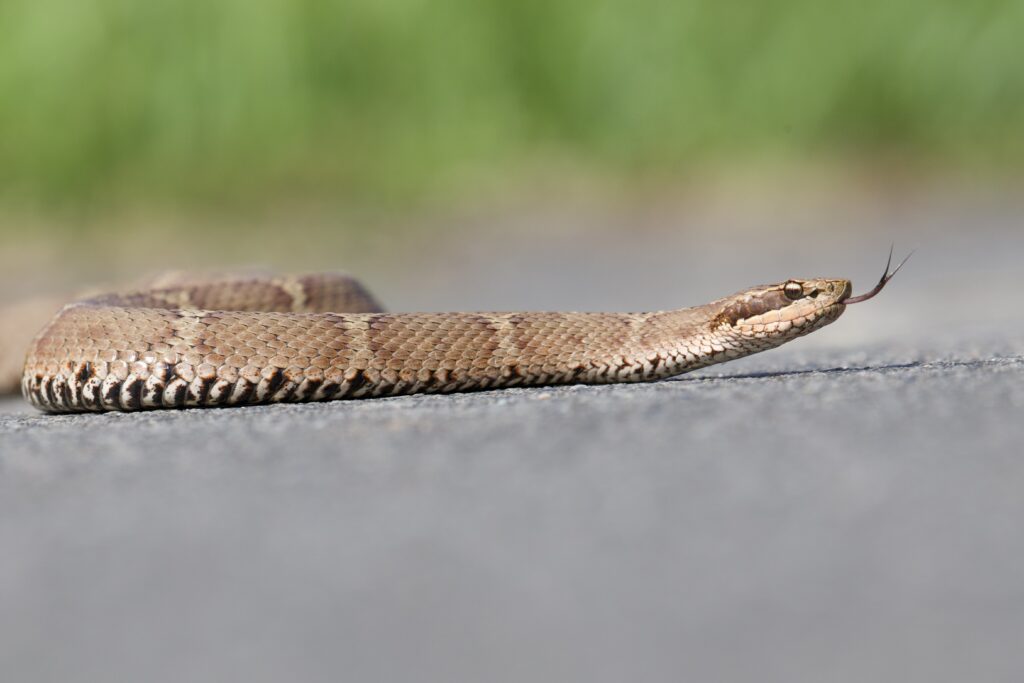
Another obvious target is the Japanese Mamushi (Gloydius blomhoffii), one of Japan’s best-known venomous snakes.
And then there is the Tiger Keelback (Rhabdophis tigrinus).
This remarkable species is particularly interesting because it is both venomous and poisonous: it possesses rear-fanged venom while also being capable of storing defensive toxins obtained from its diet.
Tiger Keelbacks also vary noticeably in appearance across different parts of Japan, making encounters interesting even for herpers who have already seen the species elsewhere.
For us, this combination of salamander diversity, beautiful snakes, mountain streams, forests, and the enormous Japanese Giant Salamander is what makes mainland herping so different from the islands farther south.
2. Okinawa — The Heart of Herping in Japan
Travel south from mainland Japan and the world changes completely.
Okinawa lies in the subtropical south of Japan. While mountains on the mainland may be covered in snow during winter, Okinawa remains comparatively warm, supporting forests and wildlife communities that feel very different from those of Honshu.
For herpers, Okinawa is one of the most exciting regions in Japan.
But even Okinawa itself cannot be treated as a single destination.
The northern and southern parts of Okinawa Main Island differ dramatically in geology, topography, vegetation, and wildlife.
Drive only an hour or two, and the herping experience can change completely.
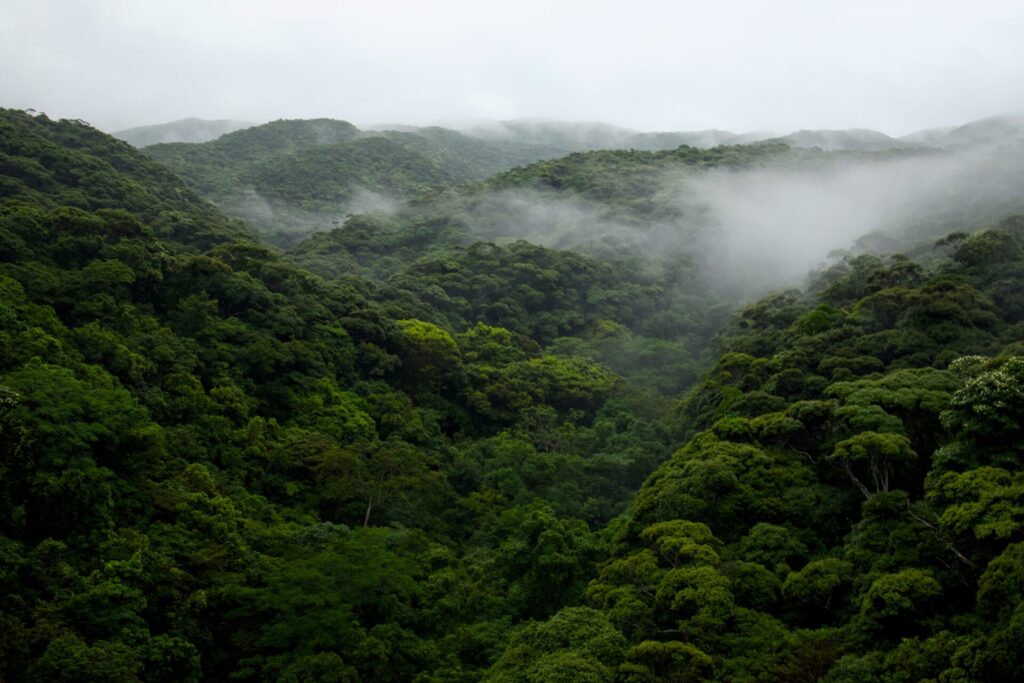
Northern Okinawa — Yanbaru
The mountainous north of Okinawa is dominated by forest.
High rainfall, streams, valleys, and extensive subtropical vegetation create an exceptionally rich environment for wildlife.
This is Yanbaru.
Species such as the Ryukyu Tip-nosed Frog (Odorrana narina) and Namiye’s Frog (Limnonectes namiyei) occur nowhere else in the world.
For anyone visiting Okinawa specifically for herping, Yanbaru is one of the places we recommend most highly.
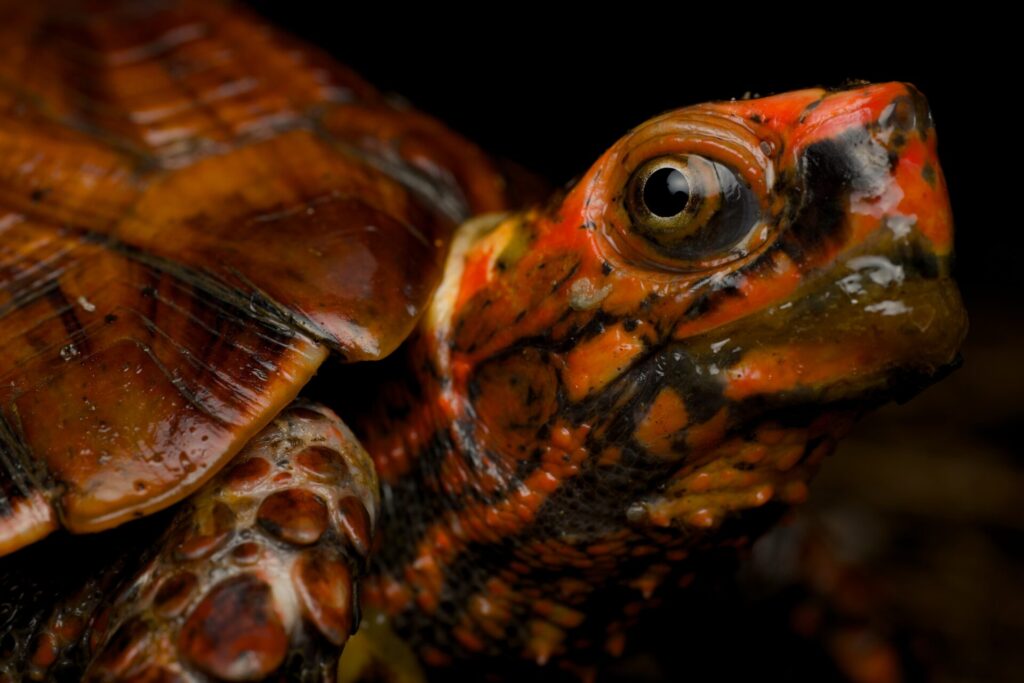
The forest is home to an extraordinary collection of endemic reptiles and amphibians, including Yanbaru Ground Gecko (Goniurosaurus nebulozonatus), the Okinawa Ishikawa’s Frog (Odorrana ishikawae), newts, turtles, snakes, and many other species.
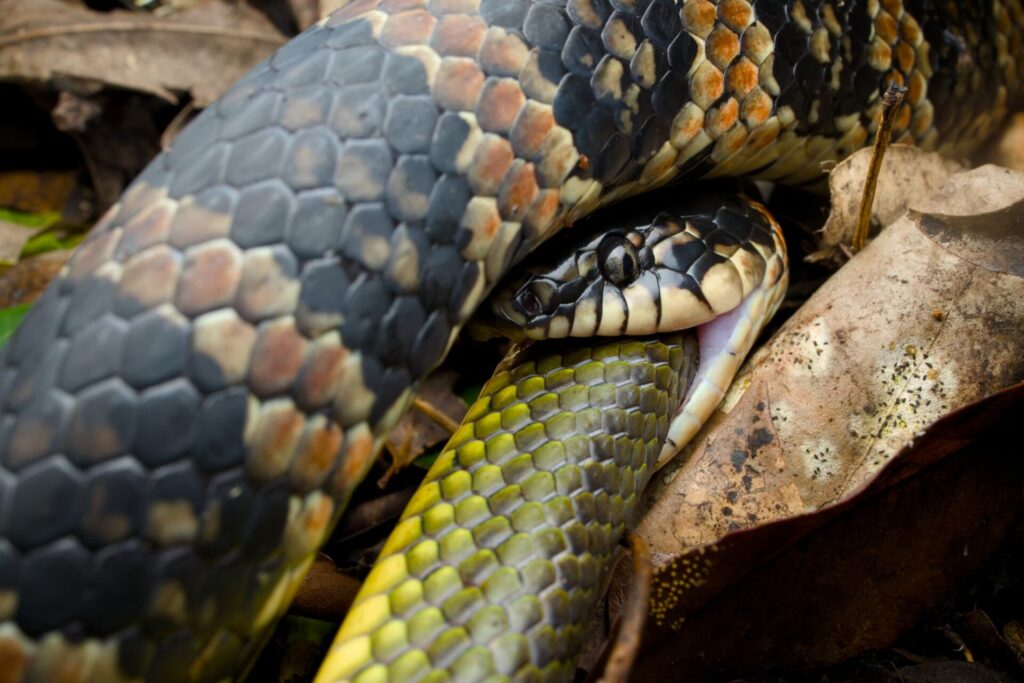
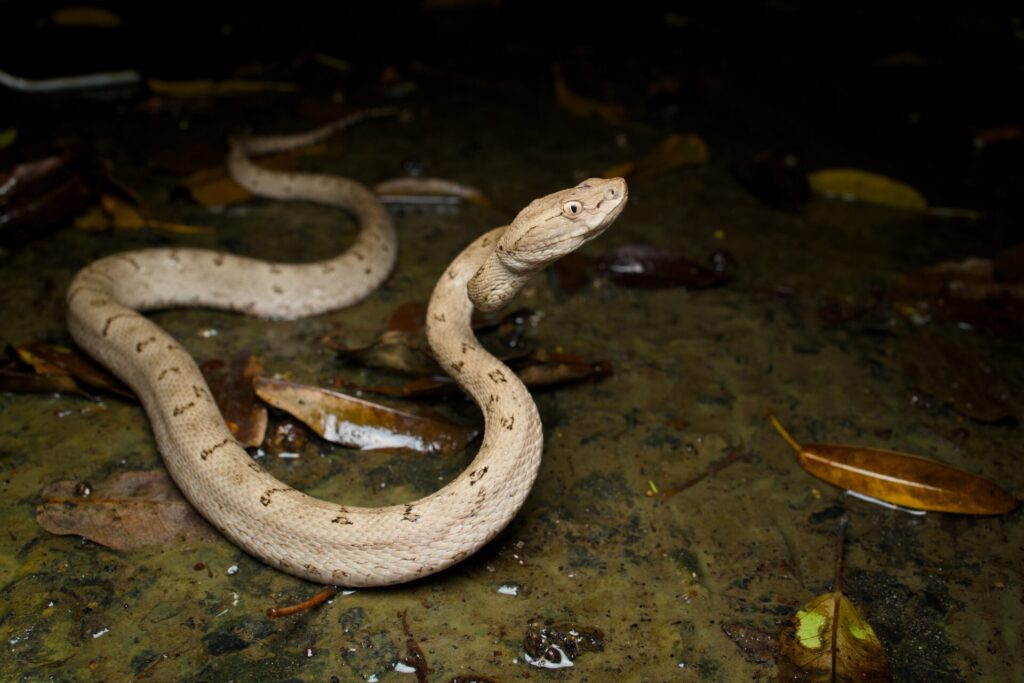
It is also one of the best areas for encountering the famous Habu (Protobothrops flavoviridis).
But Yanbaru is not only about reptiles and amphibians.
Because the forest remains extensive, nights in the field can also produce encounters with some of Okinawa’s other remarkable wildlife.
The Okinawa Rail (Hypotaenidia okinawae) may appear along forest roads, while owls and other nocturnal animals sometimes turn a herping night into something much broader than expected.
That unpredictability is part of what makes Yanbaru so addictive.
Southern Okinawa
Drive south and the landscape changes.
Southern Okinawa is generally lower, and much of its geology is associated with uplifted coral limestone.
For wildlife photographers in particular, this creates a very different experience.
Photographing reptiles against pale limestone, rocky crevices, and subtropical vegetation can produce images that look completely different from those taken in the dark forest environments of Yanbaru.
And remarkably, you do not have to travel far from the urban centre of Naha to begin finding interesting wildlife.
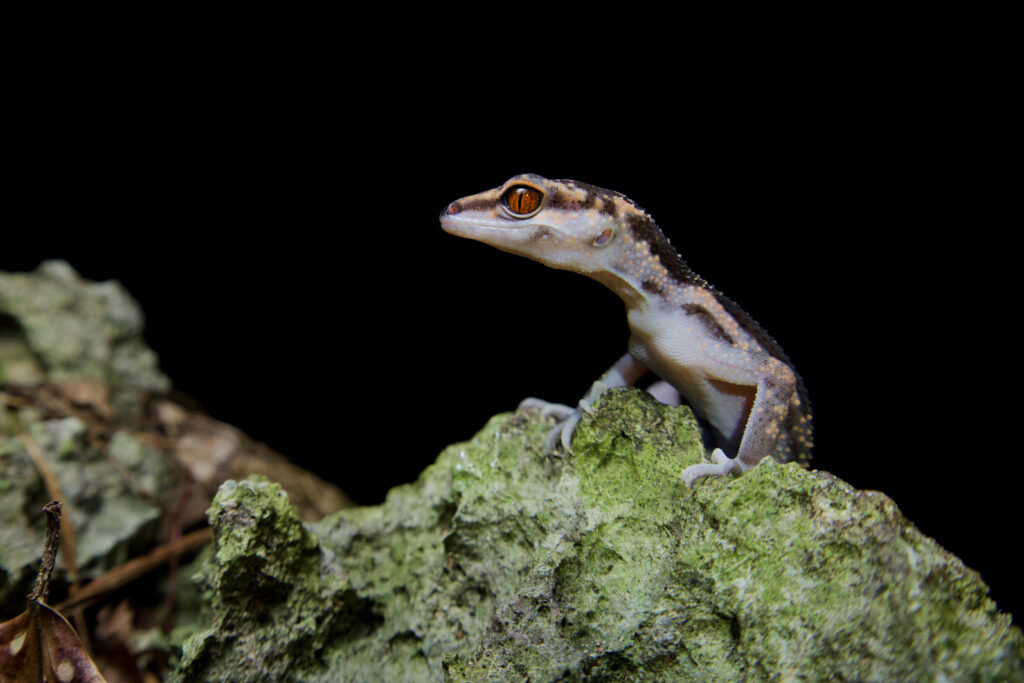
Species such as Kuroiwa’s Ground Gecko (Goniurosaurus kuroiwae) and the vivid green Okinawan Green Grass Lizard (Takydromus smaragdinus) can be encountered within relatively easy reach of the city.
For visiting herpers with limited time, the contrast between northern and southern Okinawa makes it possible to experience two very different sides of the island in a relatively short trip.
The Outer Islands of Okinawa
For many visitors, Okinawa Main Island is the destination.
For serious herpers, it may only be the starting point.
Surrounding Okinawa are numerous smaller islands, and isolation has allowed many of them to develop their own distinctive reptiles and amphibians.
Kume, Tonaki, Tokashiki, and other islands each offer different targets.
For example, Tokashiki supports Sengoku’s Ground Gecko (Goniurosaurus sengokui), while other islands have their own localized reptile and amphibian communities.
Reaching them is not always easy.
Ferries and flights are required, schedules can be limited, and weather can quickly change travel plans.
But stepping onto a small island to search for an animal with an extremely restricted natural distribution is difficult to compare with anything else.
Travel farther to Miyako or Ishigaki and the fauna changes yet again.
Suddenly you are looking for completely different lizards, snakes, frogs, turtles, and other island specialists.
This is one of the things we love most about herping in southern Japan:
Moving to the next island can mean entering an entirely new herping destination.
If time allows, exploring beyond Okinawa Main Island is highly recommended.
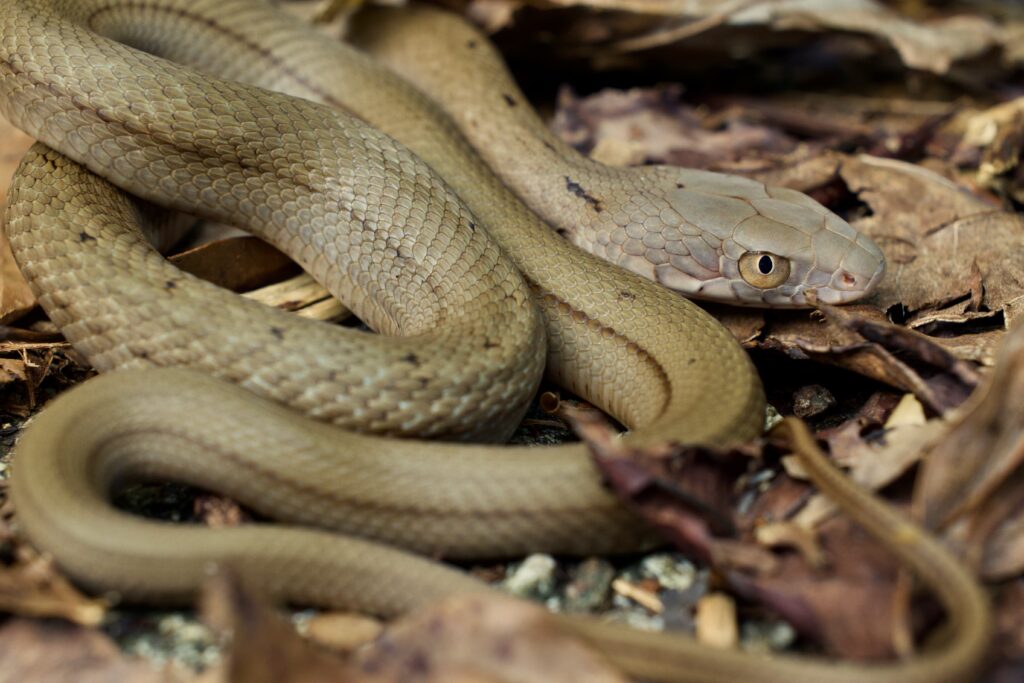
of Yonaguni Island is Japan’s largest snake.
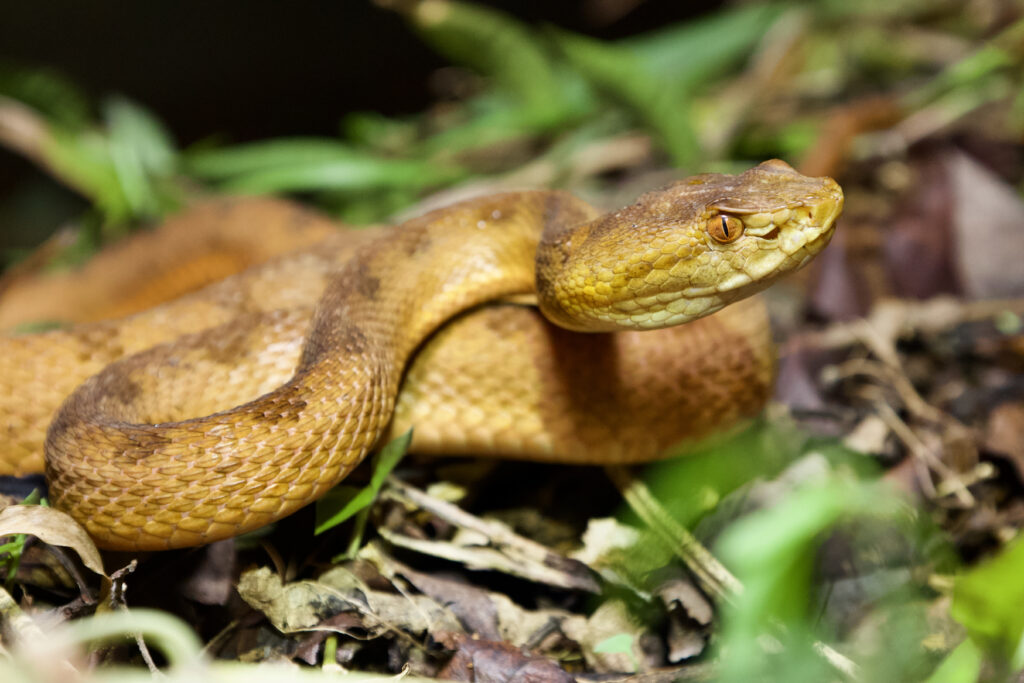
photographed on Ishigaki Island.
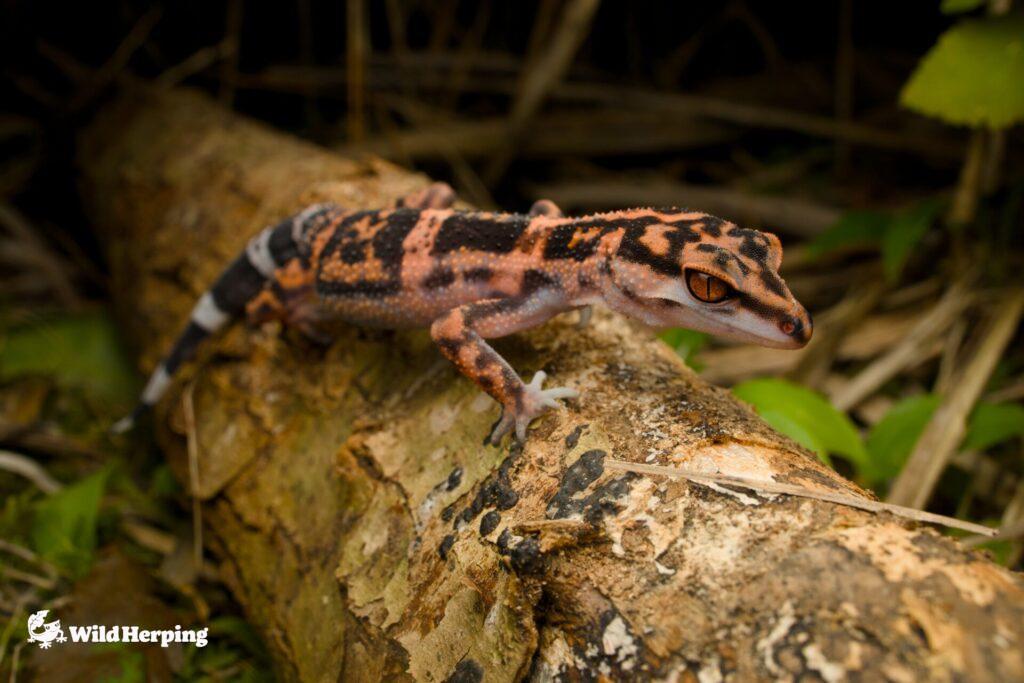
photographed in the Kerama Islands.
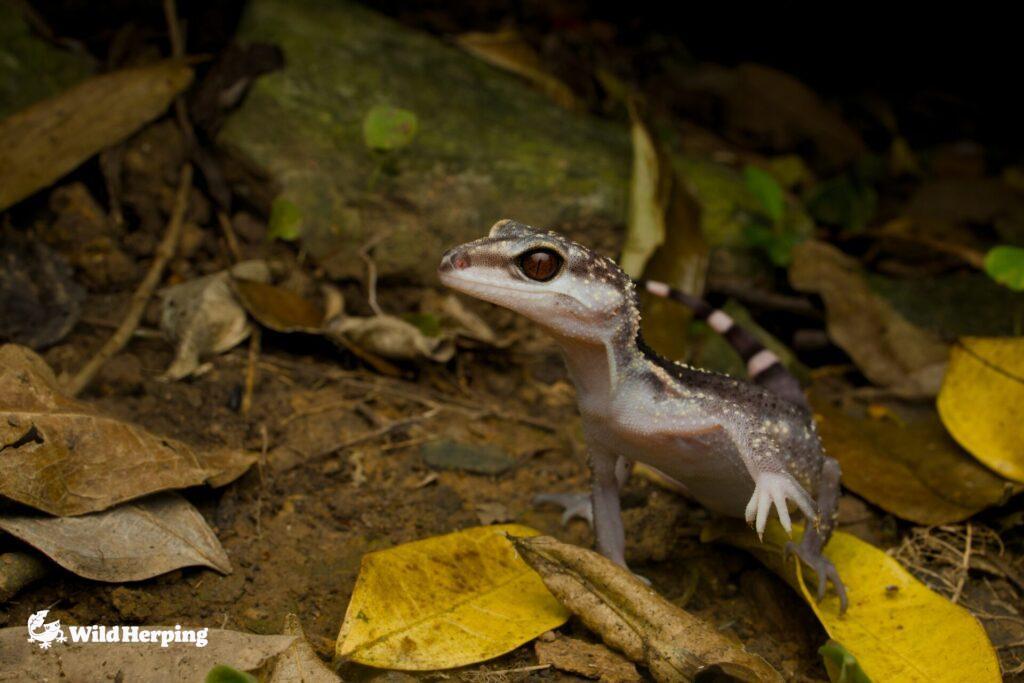
photographed on Sesoko Island.
3. Amami Oshima & the Tokara Islands
North of Okinawa lies another extraordinary island system.
Amami Oshima is part of Kagoshima Prefecture and supports extensive subtropical forests and an exceptionally distinctive ecosystem.
The uniqueness of the island is obvious even before looking at its reptiles and amphibians.
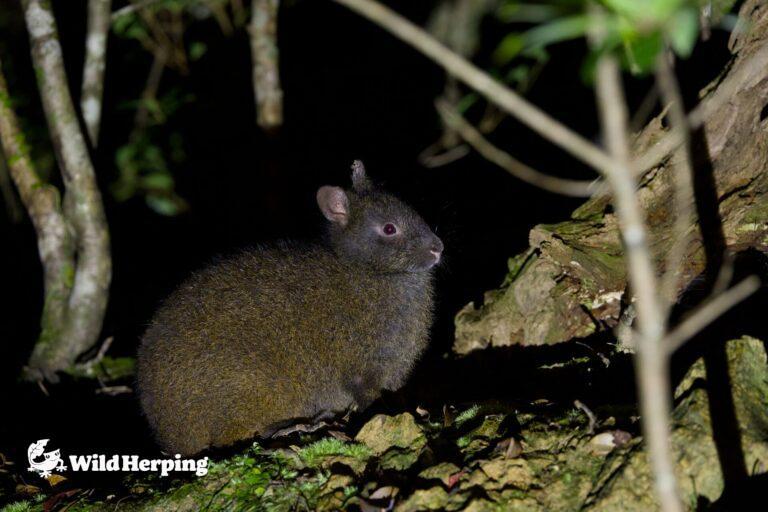
Animals such as the Amami Rabbit (Pentalagus furnessi) and Lidth’s Jay (Garrulus lidthi) are found only within this region, alongside many other endemic and highly localized species.
For herpers, the story is just as interesting.
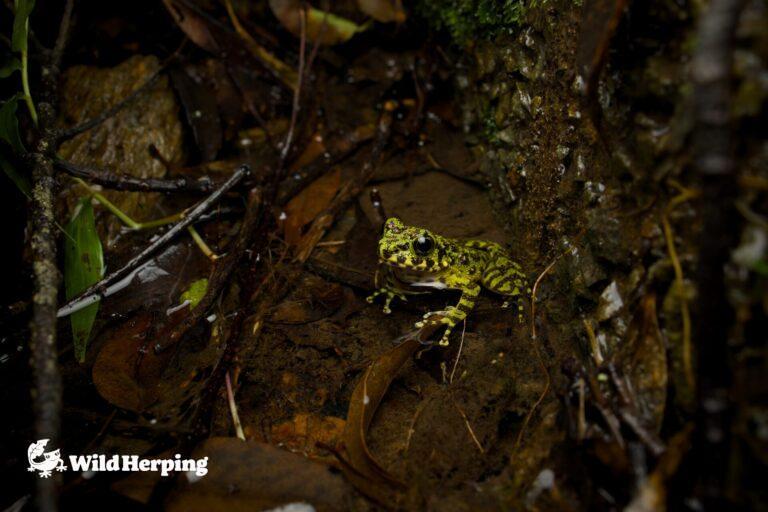
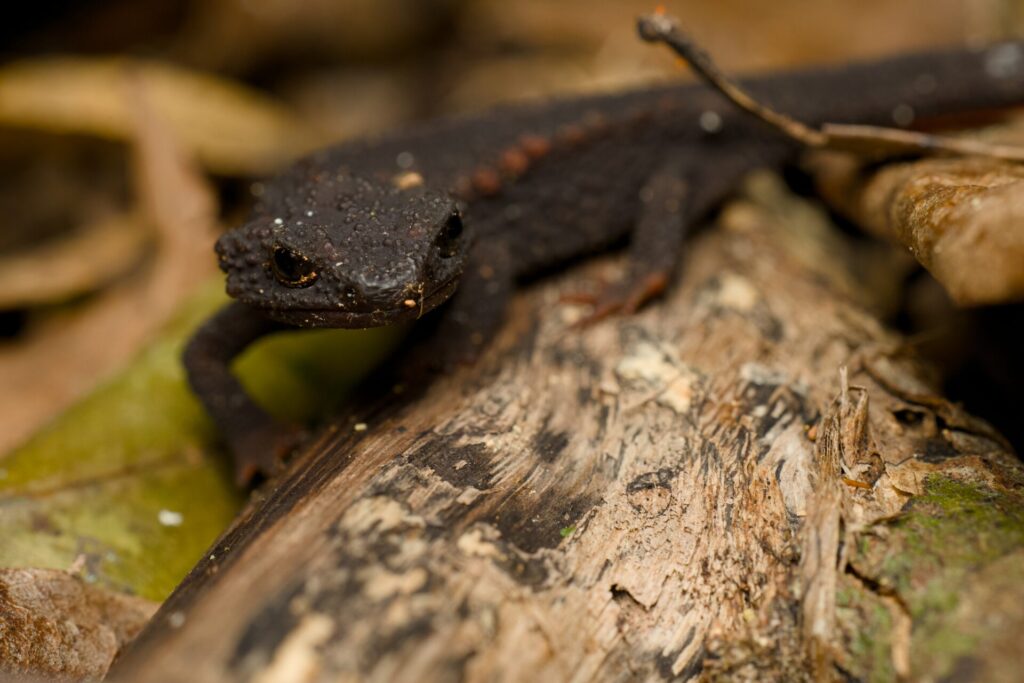
Amami supports its own assemblage of frogs, newts, snakes, and other reptiles and amphibians, including the Amami Ishikawa’s Frog (Odorrana splendida), Otton Frog (Babina subaspera), Amami Tip-nosed Frog (Odorrana amamiensis), Amami Crocodile Newt (Echinotriton raffaellii), and Habu (Protobothrops flavoviridis).
And the Habu here can be impressive.
Amami has a reputation among herpers for producing exceptionally large individuals, making every encounter with one of these snakes exciting.
But continue north from Amami and things become even stranger.
Takara Island and the Tokara Islands
The Tokara Islands form a remote chain between Amami and Kyushu.
Among them are Takarajima and Kodakarajima.
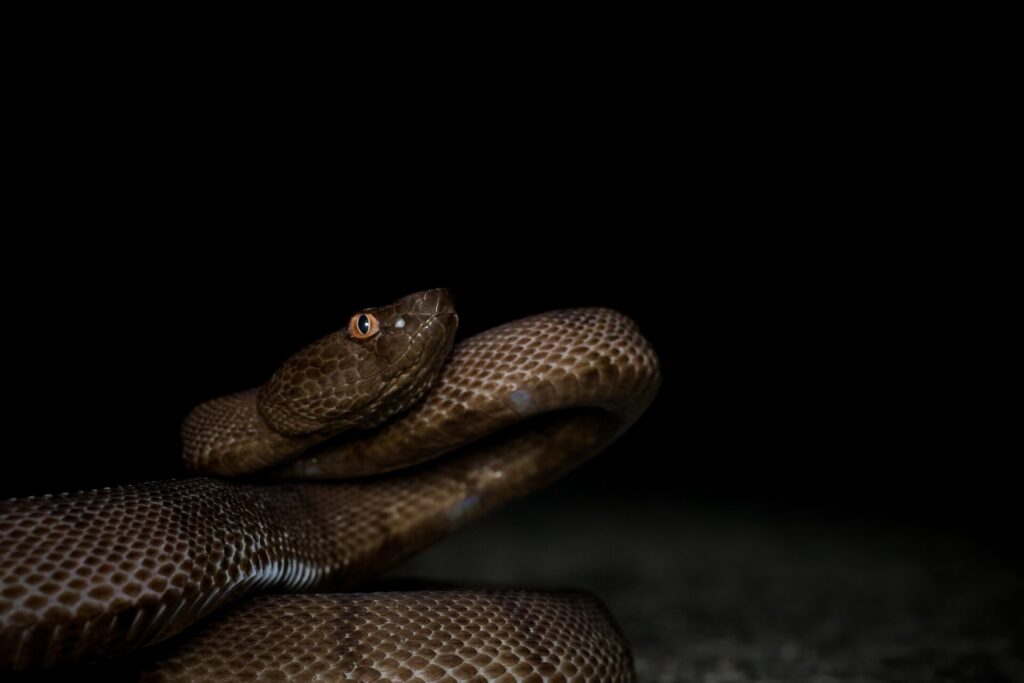
These small islands are home to animals with extremely restricted distributions, including the Tokara Habu (Protobothrops tokarensis) and Takara Gecko (Gekko shibatai).
For a herper, there is something special about travelling by ferry to a remote island specifically to search for an animal that naturally occurs on only a tiny piece of land in the middle of the ocean.
The Tokara Habu is especially fascinating.
It represents the northernmost member of the Habu group in Japan, isolated on only a small number of islands.
Why did a different Habu evolve here?
Why did it remain restricted to these islands while related snakes occur farther south?
Questions like these are part of what makes island herping so fascinating.
You are not simply searching for another snake or gecko.
You are seeing the result of millions of years of isolation.
What Is the Best Time to Go Herping in Japan?
There is no single “best month” for herping in Japan.
Japan stretches across several climate zones, and the ideal season depends heavily on where you are going and what you want to see.
This is one of the most important things to understand when planning a herping trip to Japan.
Spring
Spring brings increasing activity across much of mainland Japan as temperatures rise.
For herpers interested in temperate amphibians and reptiles, this can be an exciting time to explore mountain streams, forests, and valleys.
Different salamanders also have different breeding seasons, so the ideal timing depends heavily on the target species.
Early Summer & the Rainy Season
Warm temperatures and high humidity can create excellent conditions for amphibian activity.
Rainy nights can be particularly productive for frogs and other moisture-dependent species.
In southern Japan, subtropical forests can become extremely active.
Summer
Summer brings warm conditions across Japan and can produce excellent reptile and amphibian activity.
However, Japanese summers can also be extremely hot and humid.
Field conditions, heavy rain, tropical storms, and heat all need to be considered when planning long nights outdoors.
Autumn
Warm conditions can continue well into autumn, particularly in southern Japan.
Depending on the region and target species, autumn can remain productive even as activity begins declining farther north.
Winter
Winter changes the picture dramatically.
Snow and low temperatures reduce reptile activity across much of mainland Japan, while southern islands remain comparatively mild.
Some amphibians also have winter or early-spring breeding cycles, meaning that “winter” does not necessarily mean the end of herping.
The best season therefore depends on your target.
Choose the species first. Then choose the season.
Iconic Reptiles & Amphibians to See in Japan
Japan’s herpetofauna is far too diverse to cover completely in a single article, but several groups define the experience of herping here.
Salamanders & Newts
Japan is particularly famous for its salamanders.
Targets range from the enormous Japanese Giant Salamander (Andrias japonicus) to much smaller stream and forest salamanders whose distributions may be restricted to particular regions.
From the blue egg sacs of the Siberian Salamander (Salamandrella keyserlingii) in Hokkaido to the gold-flecked appearance of the Hida Salamander (Hynobius kimurae) around Kyoto, salamander diversity alone can justify multiple herping trips across mainland Japan.
Southern islands add completely different animals, including the Amami Crocodile Newt (Echinotriton raffaellii) and other localized species.
Snakes
Japan’s snakes range from colourful forest species to formidable pit vipers.
Some of the most recognizable include:
- Japanese Forest Ratsnake / Jimuguri (Euprepiophis conspicillata)
- Japanese Mamushi (Gloydius blomhoffii)
- Tiger Keelback (Rhabdophis tigrinus)
- Habu (Protobothrops flavoviridis)
- Tokara Habu (Protobothrops tokarensis)
For many international herpers, seeing a Habu in a subtropical Japanese forest is one of the country’s classic wildlife encounters.
Frogs
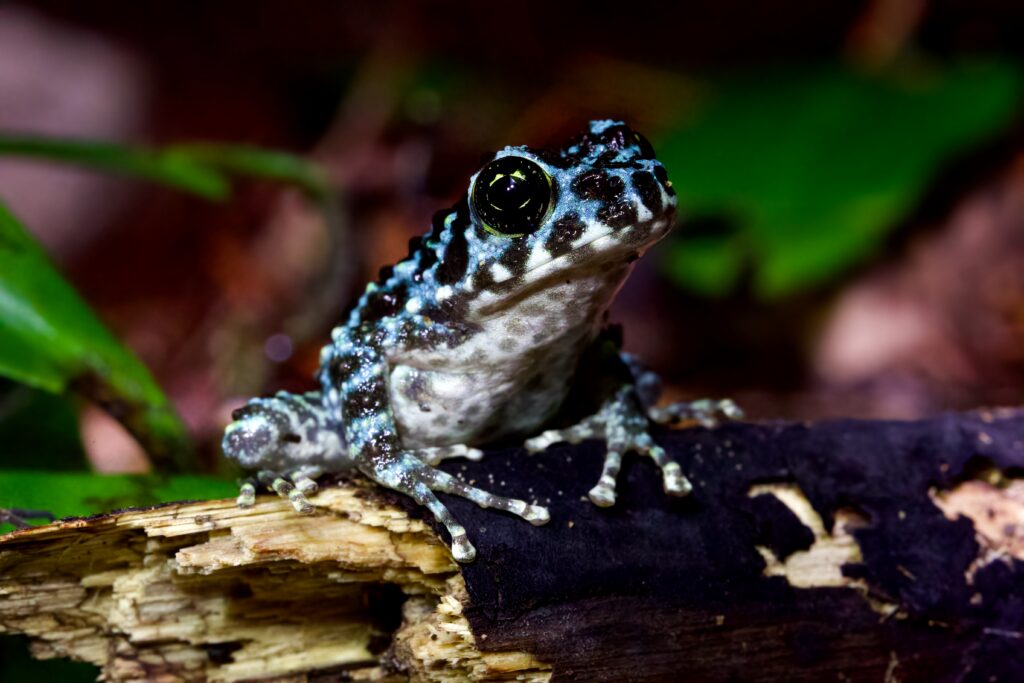
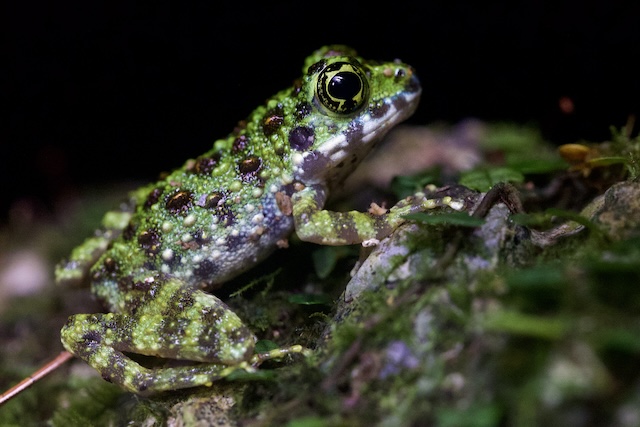
Okinawa and Amami are particularly exciting for frog enthusiasts.
Species such as Okinawa Ishikawa’s Frog (Odorrana ishikawae), Amami Ishikawa’s Frog (Odorrana splendida), Namiye’s Frog (Limnonectes namiyei), Otton Frog (Babina subaspera), and Amami Tip-nosed Frog (Odorrana amamiensis) illustrate just how localized Japan’s amphibian diversity can be.
Their colours, size, calls, and habitats make nighttime searches in subtropical forests unforgettable.
Lizards & Geckos
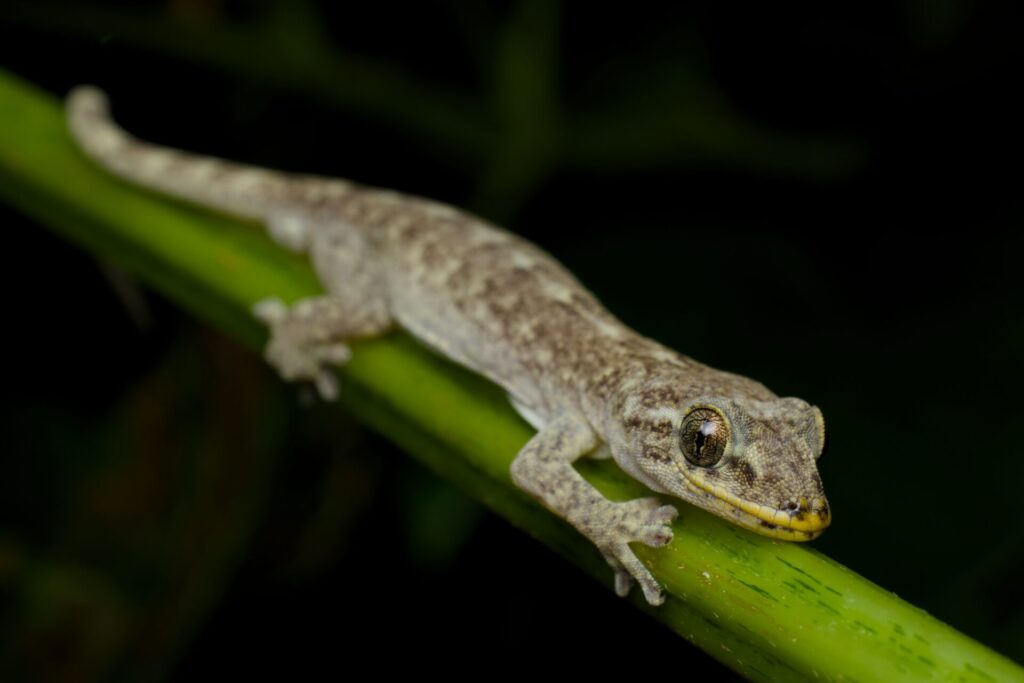
Japan’s southern islands are home to an impressive variety of lizards and geckos.
The Goniurosaurus ground geckos are particularly popular among visiting herpers, with different islands supporting different species and populations.
Examples include Kuroiwa’s Ground Gecko (Goniurosaurus kuroiwae) on Okinawa and Sengoku’s Ground Gecko (Goniurosaurus sengokui) on islands including Tokashiki.
Farther north in the Tokara Islands, Takarajima is home to the Takara Gecko (Gekko shibatai).
This extraordinary localization is another reason island-hopping can be so rewarding.
How Many Days Do You Need for Herping in Japan?
It depends entirely on your targets.
For a single target such as the Japanese Giant Salamander (Andrias japonicus) around Kyoto, a short stay may be enough.
For Okinawa Main Island, several nights allow you to explore different habitats and give you more opportunities to encounter weather-dependent species.
Once outer islands are involved, the trip becomes more complicated.
Ferries, domestic flights, weather, and limited transportation schedules mean that additional time should be built into the itinerary.
For a serious multi-region herping trip covering mainland Japan, Okinawa, Amami, and smaller islands, Japan should be thought of as several separate herping destinations rather than one trip squeezed into a few nights.
A useful rule is simple:
Build your itinerary around your target species — not around a list of famous Japanese destinations.
Is Herping in Japan Safe?
Japan is generally an accessible country for wildlife travel, but herping introduces risks that ordinary sightseeing does not.
Mountain Streams
Salamander habitat can include slippery rocks, moving water, steep banks, and rapidly changing river conditions.
Heavy rain upstream can affect a river even when conditions at your immediate location appear manageable.
Heat & Humidity
Summer herping in Japan can involve extreme humidity and high temperatures.
Carry enough water and take heat exposure seriously.
Remote Islands
Some of Japan’s most interesting herping destinations are small islands with limited transportation and medical facilities.
Weather can cancel ferries or flights and leave travelers on an island longer than expected.
Allow flexibility in your itinerary.
Typhoons & Heavy Rain
Southern Japan is affected by tropical storms and typhoons.
Never prioritize a target species over unsafe weather or field conditions.
The animals will still be there another day.
Responsible Herping in Japan
Finding an animal is only half of a successful herping experience.
How we behave after finding it matters just as much.
Wildlife should be disturbed as little as possible. Avoid unnecessary handling, prolonged photography, excessive lighting, destruction of microhabitats, or repeated disturbance of breeding and shelter sites.
When flipping natural cover, return it exactly as you found it.
Clean field equipment between locations when appropriate to reduce the risk of transferring pathogens.
Sensitive locations should also remain sensitive.
GPS coordinates and highly specific locality information for rare or vulnerable species should not be publicly shared.
Before doing something for a photograph, ask yourself:
What would happen if every visitor did the same thing?
Herping can create powerful connections between people and wildlife.
But those encounters only have long-term value if the wildlife remains wild and the habitat remains intact.
Do You Need a Guide for Herping in Japan?
Not every herping experience in Japan requires a guide.
However, Japan can be challenging for visiting herpers because species distributions, seasonal activity, transportation, weather, and habitat vary enormously between regions.
Some of the best locations are also far from major tourist routes.
A knowledgeable local guide can help visitors spend less time trying to understand logistics and more time in suitable habitat.
More importantly, responsible guiding should help protect sensitive locations rather than simply reveal them.
At WildHerping & Co., we are herpers ourselves.
Our tours grew from years spent exploring these habitats, searching for these animals, and learning how dramatically Japan’s wildlife changes from one region to another.
Japan Is Not One Herping Destination
This is perhaps the most important thing to understand about herping in Japan.
Japan is a country shaped by isolation.
On the mainland, mountains and river systems separate salamander populations.
In Okinawa, differences in geology, elevation, rainfall, and forest create different wildlife communities even within the same island.
Across the Ryukyu, Amami, and Tokara island chains, the sea has isolated populations long enough for entirely different species to evolve.
This means that seeing Japan’s herpetofauna is not simply a matter of choosing one forest and spending a week there.
Sometimes the next target requires crossing a mountain.
Sometimes it requires driving to the other side of an island.
And sometimes it requires getting on a ferry or airplane and travelling to an island where a species exists nowhere else on Earth.
That is what makes herping Japan so exciting for us.
Whether your dream species is a Japanese Giant Salamander (Andrias japonicus) in a mountain river, a Habu (Protobothrops flavoviridis) crossing a subtropical forest road, a brightly coloured frog in Yanbaru, or a Goniurosaurusfound on a small island, the trip can be built around the wildlife you want to experience.
Japan isn’t one herping destination.
It’s many of them.
Herping in Japan FAQ
Is Japan good for herping?
Yes. Japan has an exceptional variety of reptiles and amphibians spread across temperate mainland habitats and subtropical islands.
What makes Japan particularly interesting is the amount of geographic isolation. Different mountains, river systems, and islands can support very different wildlife communities.
Where is the best place for herping in Japan?
There is no single best location.
Kyoto is particularly interesting for salamanders, including the Japanese Giant Salamander (Andrias japonicus).
Okinawa offers subtropical herping with endemic frogs, Goniurosaurus ground geckos, Habu (Protobothrops flavoviridis), and many other species.
Amami Oshima combines exceptional endemic wildlife with amphibian and snake diversity.
The outer Ryukyu and Tokara islands are particularly interesting to herpers searching for highly localized island species.
The best destination depends on your target species.
What is the best time of year for herping in Japan?
It depends on the region and target species.
Spring through autumn provides many opportunities across Japan, while subtropical southern islands can remain productive outside the main mainland season.
Some salamanders also have highly specific breeding periods.
For a target-focused trip, choose the species first and then determine the best season.
Can you go herping in Okinawa?
Yes.
Okinawa is one of Japan’s most exciting herping regions.
Northern Okinawa’s Yanbaru forests, southern Okinawa’s limestone environments, and the surrounding islands all offer very different reptile and amphibian communities.
※A permit is required to enter certain areas of the Yanbaru forests in northern Okinawa.
What reptiles can you see in Japan?
Japan supports snakes, lizards, geckos, turtles, and other reptiles.
Well-known targets include Habu (Protobothrops flavoviridis), Japanese Mamushi (Gloydius blomhoffii), Tiger Keelback (Rhabdophis tigrinus), Japanese Forest Ratsnake (Euprepiophis conspicillata), and several Goniurosaurusground geckos.
What amphibians can you see in Japan?
Japan is particularly rich in salamanders, newts, and frogs.
The Japanese Giant Salamander (Andrias japonicus) is the most famous, but many smaller salamanders have much more restricted distributions.
Okinawa and Amami also support spectacular endemic frogs and newts, including Okinawa Ishikawa’s Frog (Odorrana ishikawae), Amami Ishikawa’s Frog (Odorrana splendida), and Amami Crocodile Newt (Echinotriton raffaellii).
Are there venomous snakes in Japan?
Yes.
Japan has medically significant venomous snakes, including the Japanese Mamushi (Gloydius blomhoffii) on the mainland and Habu (Protobothrops flavoviridis) in parts of southern Japan.
They should never be handled.
Can you see Japanese Giant Salamanders in the wild?
Yes.
The Japanese Giant Salamander (Andrias japonicus) occurs in suitable river systems on mainland Japan.
Wild encounters are possible, including around Kyoto, but they are protected wildlife and should be observed responsibly without unnecessary disturbance.
Is herping in Japan difficult?
It can be.
Transportation is excellent in Japanese cities, but many productive wildlife habitats are far from train stations and major tourist areas.
Species activity can also be highly dependent on season, temperature, rainfall, and location.
For serious target-based herping, planning around the wildlife rather than the sightseeing route is important.
Do I need a guide for herping in Japan?
Not necessarily.
However, a guide can be particularly useful for visitors with limited time, photographers, travelers targeting specific species, and trips involving remote islands or unfamiliar habitats.
How many days do I need for a herping trip in Japan?
For one region or target, a few days may be sufficient.
For a serious multi-region trip, considerably longer is recommended.
Okinawa, Amami, the Tokara Islands, and mainland Japan should almost be thought of as separate herping destinations.
Planning a Herping Trip to Japan?
Tell us what species you want to see, when you’re visiting Japan, and how many days you have.
WildHerping & Co. can build a herping itinerary around your target wildlife — from mountain streams and the Japanese Giant Salamander (Andrias japonicus) on the mainland to Habu (Protobothrops flavoviridis), endemic frogs, ground geckos, and island specialists across Okinawa, Amami, and the Ryukyu Archipelago.
Explore Japan with herpers who live for the same reason you came here: to find wildlife in the wild.


