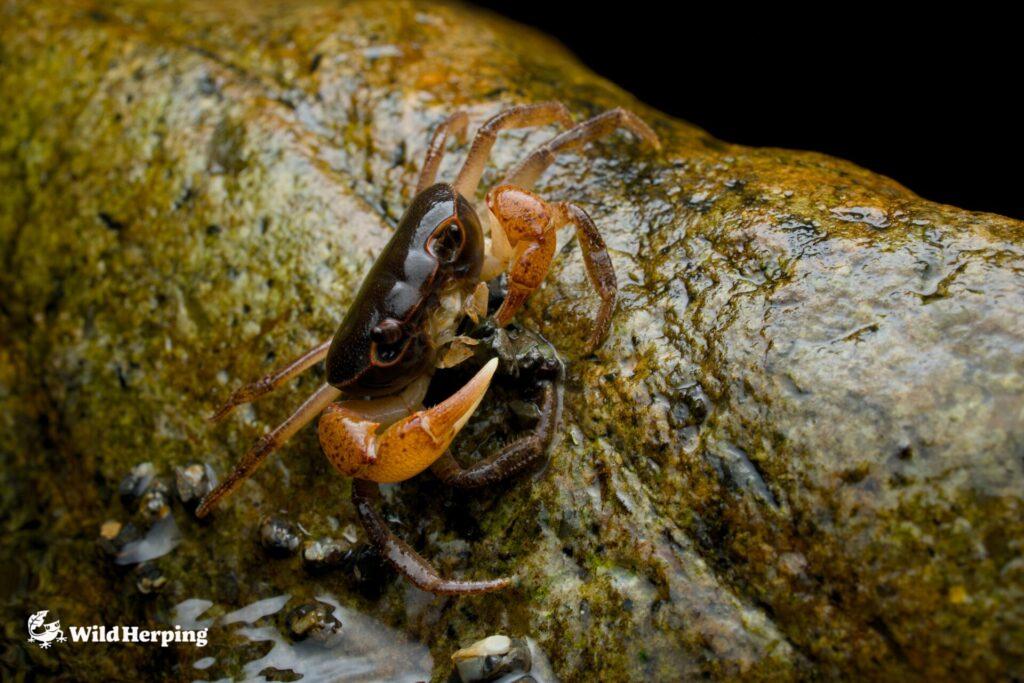
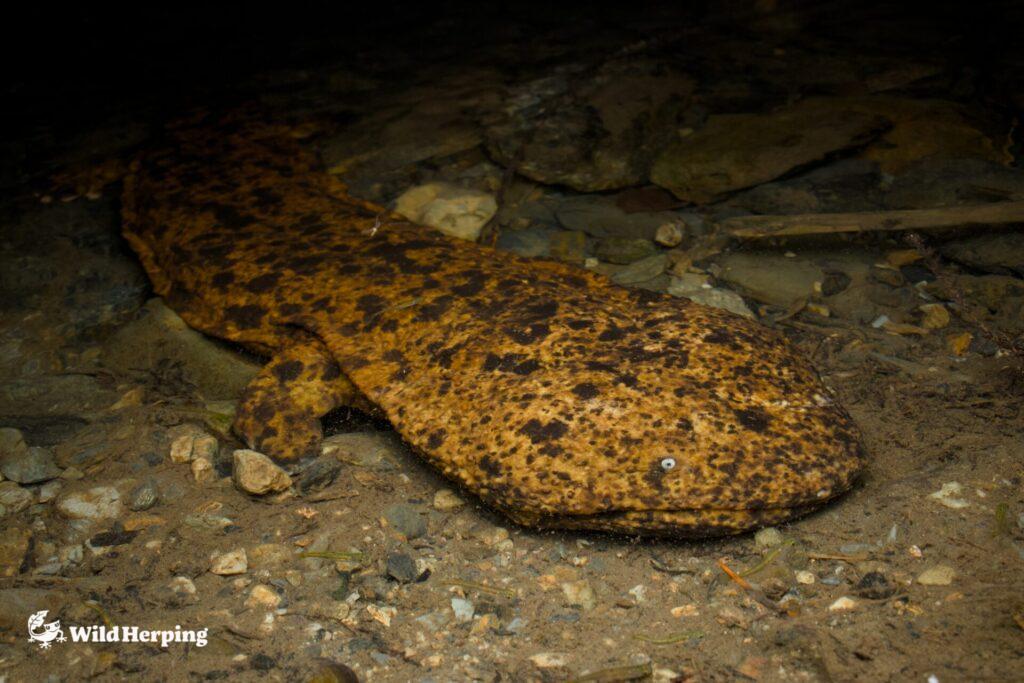
What Is Ethical Herping?(Giant salamander in Kyoto)
Connecting People with Wildlife While Protecting What We Find
Field herping is the practice of searching for wild reptiles and amphibians and observing them in the habitats where they naturally live.
At WildHerping & Co., we believe there is real value in these encounters with wildlife.
The first time you see an animal in the wild—something you may have previously known only from a field guide or photograph—it stops being just a name or an image.
It becomes something that genuinely exists in this world.
You begin to see where it lives, where it hides, what it eats, and how it survives through changing seasons.
Being there in the field reveals things that photographs alone never can.
And sometimes, a single encounter is enough to make someone think:
“I want this animal to still be here in the future.”
That is one of the reasons WildHerping & Co. exists: to create meaningful encounters between people and wildlife around the world.
Our goal is not simply to run more tours.
We want to help create a future in which the presence of wildlife itself has value—where protecting wildlife and its habitat also brings value to the communities and regions that live alongside it.
But the moment we enter the field, we also become part of that environment.
Walking through habitat.
Turning over a rock.
Shining a light.
Taking a photograph.
All of these actions, to varying degrees, have the potential to affect wildlife and the places where it lives.
There is little value in creating an encounter with a wild animal if the process of finding it damages the animal or its habitat.
That is why, at WildHerping & Co., we believe the question should not only be:
“How can we find this animal?”
but also:
“How can we make sure this animal and its habitat are still here in the future?”
That is what Ethical Herping means to us.
1. Think About the Animal, Not Just the Find
Wild animals are not there to be observed or photographed by us.
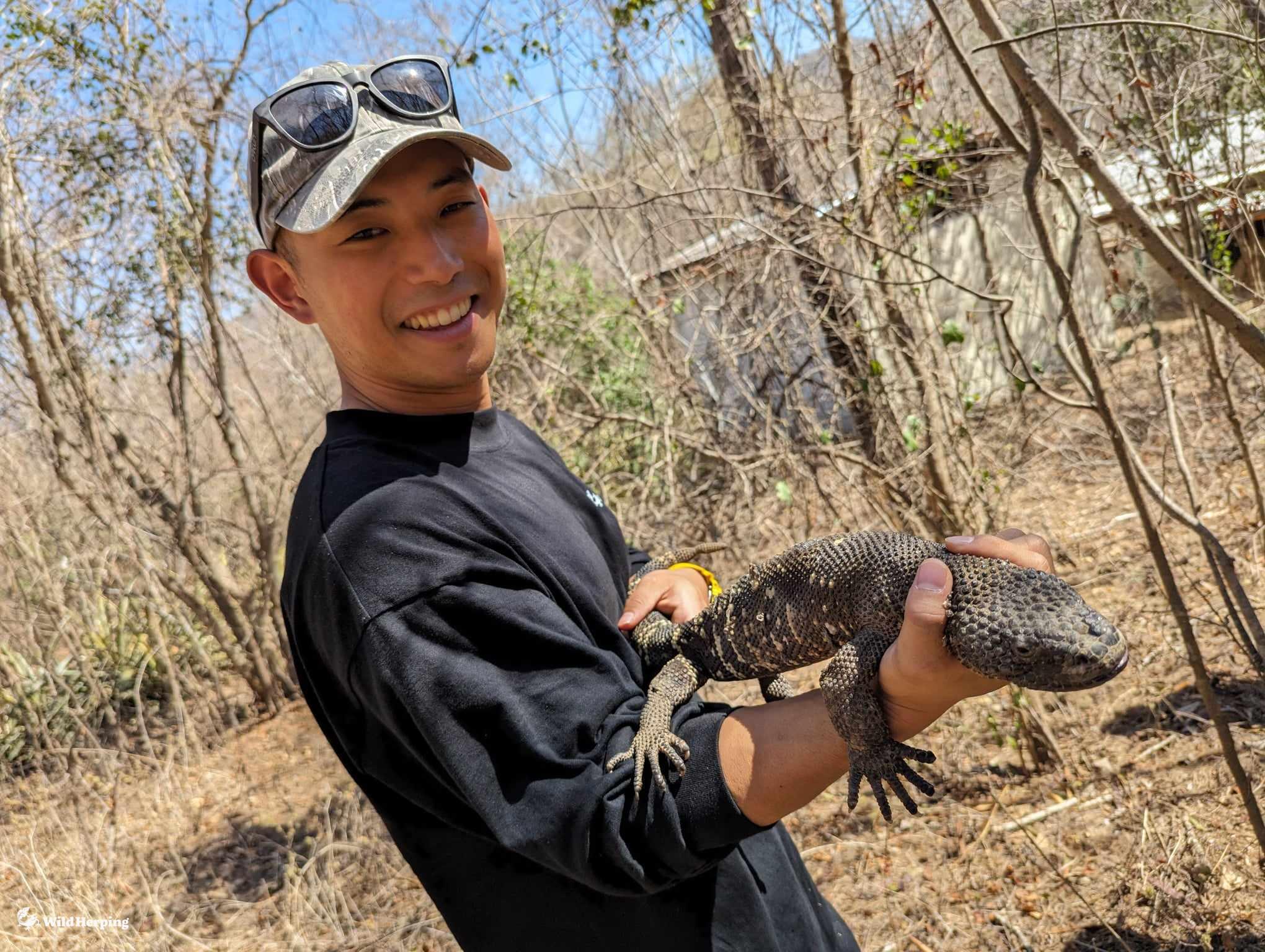
Capturing an animal, handling it, moving it, shining a light on it for an extended period, or repeatedly repositioning it for photographs can all cause stress.
What feels like only a few minutes to us may be a significant disturbance to the animal.
Photography can make this particularly easy to forget. We take one photograph, then think, “Maybe just one more,” and an encounter lasts much longer than it needs to.
Avoid unnecessary handling.
Avoid unnecessary movement.
Do not chase an animal for prolonged periods.
Once you have finished observing or photographing it, allow it to return to its natural behavior.
These are simple principles, but they make a difference.
2. Remember That Habitat Is Under Your Feet
Searching for reptiles and amphibians while hiking is generally one of the less invasive forms of field herping.
But simply walking through habitat does not mean our impact is zero.
Trampling vegetation, disturbing damp leaf litter, damaging areas around fallen logs, or repeatedly visiting the same small area can gradually change a microhabitat.
This is especially important when thinking about microhabitats.
A fallen log, a crack between rocks, or a layer of leaf litter may not look significant to us, but to a reptile or amphibian it may provide exactly the temperature, humidity, shelter, and protection it needs.
Animals that retreat deep into cracks or crevices should not be forcibly extracted.
Doing so risks injuring the animal and damaging the habitat it was using.

3. If You Flip It, Put It Back
One of the most common techniques used to find snakes, lizards, salamanders and other herps is flipping—checking beneath rocks, logs, bark and other cover.
But moving natural cover needs to be done carefully.
The space beneath a rock or log can maintain a very different temperature and humidity from the surrounding environment.
And it is not only reptiles and amphibians that depend on these places. Invertebrates and many other small organisms use the same microhabitats.
If you move a rock, log, or other piece of cover, return it as closely as possible to its original position and condition.
If something is too large or difficult to replace properly, the better choice is not to move it in the first place.
Artificial cover deserves consideration too.
Boards, sheets of metal and other human-made objects may eventually become important shelter for wildlife.
Just because something is artificial does not mean it can be disturbed repeatedly without consequence.
4. Be Especially Careful Around Sensitive Sites
Not every site should be treated in the same way.
Hibernation sites, breeding areas, egg-laying sites, and locations used by gravid animals require particular care.
At these places, we need to think not only about the impact of a single disturbance, but also about the cumulative impactof many people visiting the same site repeatedly.
The more unusual or sought-after an animal is, the more attention its location can attract.
Finding an animal does not automatically mean we need to approach it.
Sometimes the better decision is to observe from a distance, avoid handling it, leave surrounding cover untouched, and keep the encounter short.
5. When Road Cruising, Prioritize Safety and the Animal’s Direction of Travel
Road cruising—searching roads at night for reptiles and amphibians—is a common field-herping technique in many parts of the world.
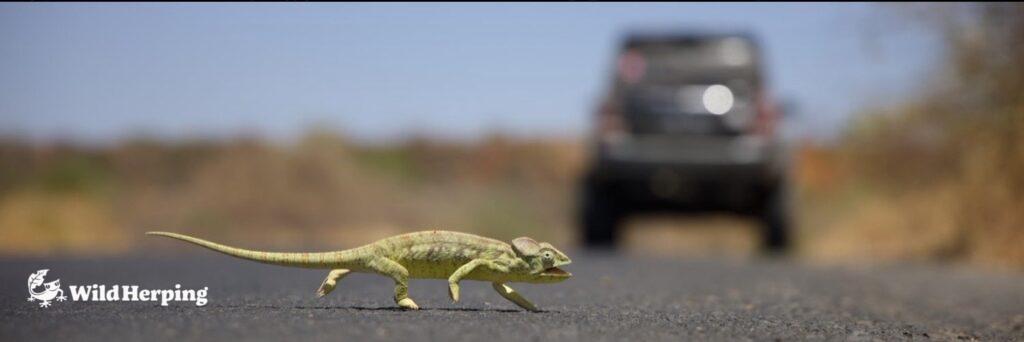
Animals found on roads are at risk of being killed by vehicles, so when conditions allow it to be done safely, helping an animal off the road can sometimes directly benefit that individual.
Human safety always comes first.
If an animal needs to be moved, it should generally be moved to the side of the road it was already heading toward.
Returning it to the side it came from may simply cause it to attempt the crossing again.
Always obey local traffic laws and regulations, and never create a dangerous situation for yourself, other road users, or people nearby.
6. Don’t Carry Pathogens From One Site to Another
One of the less visible impacts of field herping is the possibility of moving pathogens ourselves.
Reptiles and amphibians can be affected by diseases associated with pathogens such as chytrid fungi, ranaviruses, and fungi responsible for snake fungal disease.
Mud and organic material attached to boots, waders, and other field equipment can potentially provide a pathway for pathogens to move between sites.
Before moving between different field locations, remove mud, leaves and other organic material from your equipment, and clean or disinfect gear appropriately when necessary.
This is especially important for guides working across multiple regions and for anyone visiting several field sites within a short period of time.
7. Think Carefully Before Sharing Locations Online
Another important part of protecting wildlife is how we handle location information.
When you find a rare or exciting animal, it can be tempting to share exactly where you found it.
But once information is published online, it becomes extremely difficult to control where it goes.
Someone may see a post and visit the location, then share it with someone else. In a short period of time, a previously quiet site can receive a large number of visitors.
This is particularly important for breeding sites, hibernation sites, and habitats of rare or sensitive species.
Be cautious about publishing precise place names, GPS coordinates, or photographs that make a sensitive location easy to identify.
And if someone trusts you with a wildlife location, do not share it with others without their permission.
On WildHerping & Co. tours, we also ask participants not to publicly share GPS coordinates or detailed information about sensitive observation sites.
The purpose is not secrecy for the sake of secrecy.
It is to protect the wildlife that lives there and the habitat it depends on.
8. Think About Cumulative Impact
“I only moved one rock.”
“I only took a few photographs.”
“I only visited once.”
For one person, each action may seem insignificant.
But if a site becomes popular and dozens—or hundreds—of people visit it, move the same cover, photograph the same animals, and walk through the same habitat, those small impacts begin to add up.
A useful question to ask in the field is not simply:
“Will my action cause a problem?”
but:
“What would happen if everyone who came here did the same thing?”
More people becoming interested in field herping is not inherently a bad thing.
Quite the opposite.
Seeing a reptile or amphibian in the wild can inspire people to learn about it, care about it, and value the habitat it depends on.
But as the field-herping community grows, the responsibility of each person in the field becomes increasingly important.
Connecting Wildlife Encounters to the Future
We go into the field because we want to find wildlife.
But the places we visit do not exist for us.
Seeing a target species tonight is less important than making sure that animal can continue living in the same habitat tomorrow, next year, and far into the future.
At the same time, we do not want fewer people to experience wildlife.
We want more people to have meaningful encounters with truly wild animals.
To see an animal living in the wild.
To understand the forest, river, island, or landscape that supports it.
And to come away thinking:
“I want this animal to still be here, living wild, in the future.”
If enough of these encounters take place, we believe the presence of wildlife itself can become something people value.
And when wildlife has value, protecting its habitat can also create value for the communities and regions that live alongside it.
That is why Ethical Herping is more than a set of rules about not touching animals or replacing rocks.
It is a way of enjoying encounters with wildlife while helping ensure that those encounters remain possible for generations to come.
Look beyond the animal and notice the habitat that makes its existence possible.
Take home photographs and memories while leaving as little impact on the field as possible.
And let an encounter with a wild animal become a reason to care about the animal, its habitat, and its future.
Connecting people and wildlife, and building a future where protecting nature has value.
That is the future WildHerping & Co. is working toward through field herping.