
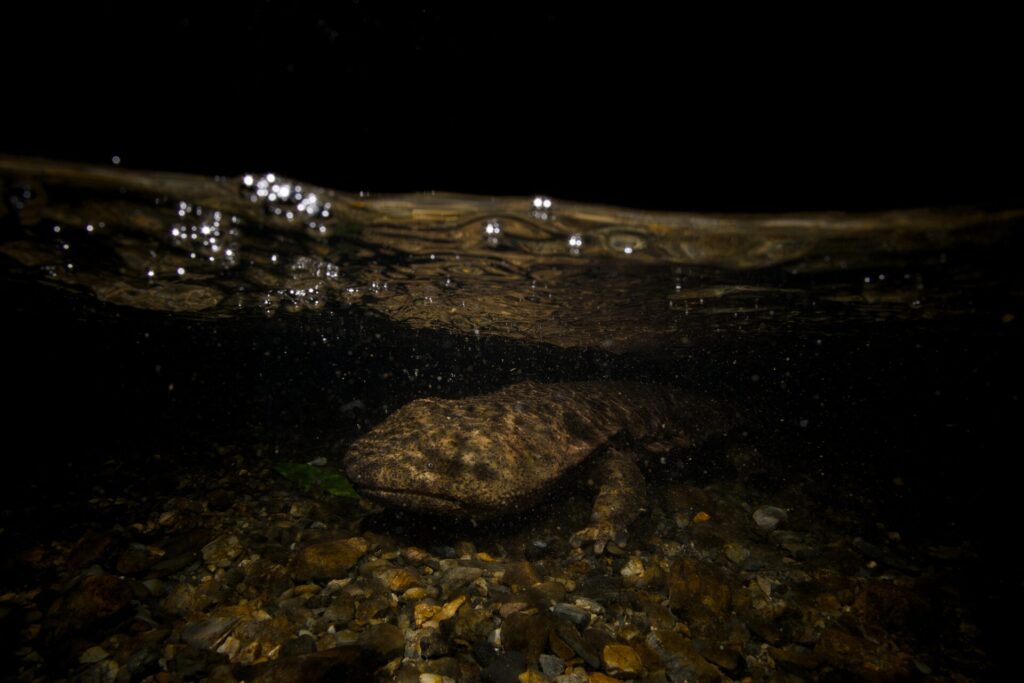
Looking for the best place to see a Japanese giant salamander in Kyoto?
Kyoto is famous for temples, shrines, and traditional culture, but few visitors realize that it is also one of the best places in the world to observe the legendary Japanese giant salamander (Andrias japonicus) and some hybrid giant salamanders in the wild.
Unlike zoos or aquariums, several rivers around Kyoto still support wild populations of this remarkable amphibian. With the right timing and local knowledge, seeing one in its natural habitat is surprisingly possible.
Contents
- Why Kyoto Is One of the Best Places
- Where to See Giant Salamanders in Kyoto
- Best Time to See Giant Salamanders
- Observation Chances
- Responsible Wildlife Watching
- Can You Visit Without a Guide?
- Join a Giant Salamander Tour in Kyoto
- FAQ

Why Kyoto Is One of the Best Places to See Japanese Giant Salamanders
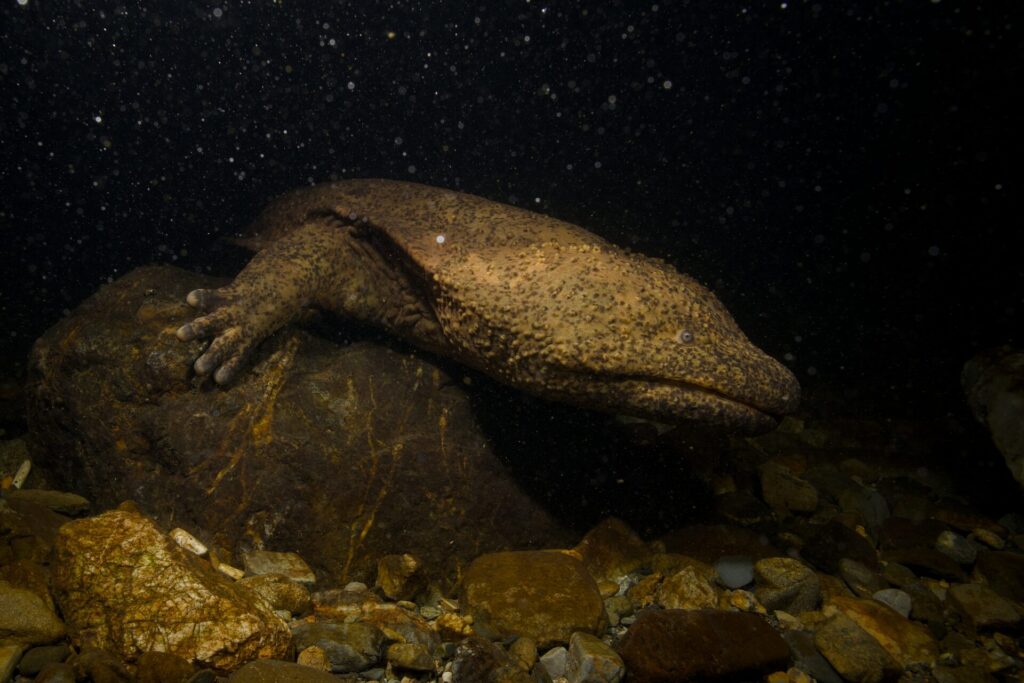
The Japanese giant salamander is one of the largest amphibians on Earth, reaching lengths of over 1.5 meters.
Kyoto offers several advantages for wildlife enthusiasts:
- Healthy wild populations
- Easy access from central Kyoto
- Excellent opportunities for night photography
- A high chance of successful observations during the active season
- Suitable for both wildlife photographers and families
One of the biggest advantages is accessibility. Some observation sites are only about one hour by car from Kyoto Station, making them an excellent evening adventure after a day of sightseeing.

Where to See Giant Salamanders in Kyoto
For conservation reasons, we do not publish the exact locations of wild giant salamander habitats.
These animals are protected, and increasing visitor pressure could damage their fragile river ecosystems.
Instead, we recommend joining an experienced local guide who understands seasonal activity, weather conditions, river safety, and responsible wildlife viewing.
This approach protects both the animals and their habitat while giving visitors the highest chance of seeing them.
Best Time to See Giant Salamanders in Kyoto
The best season generally runs from late April through mid-October.
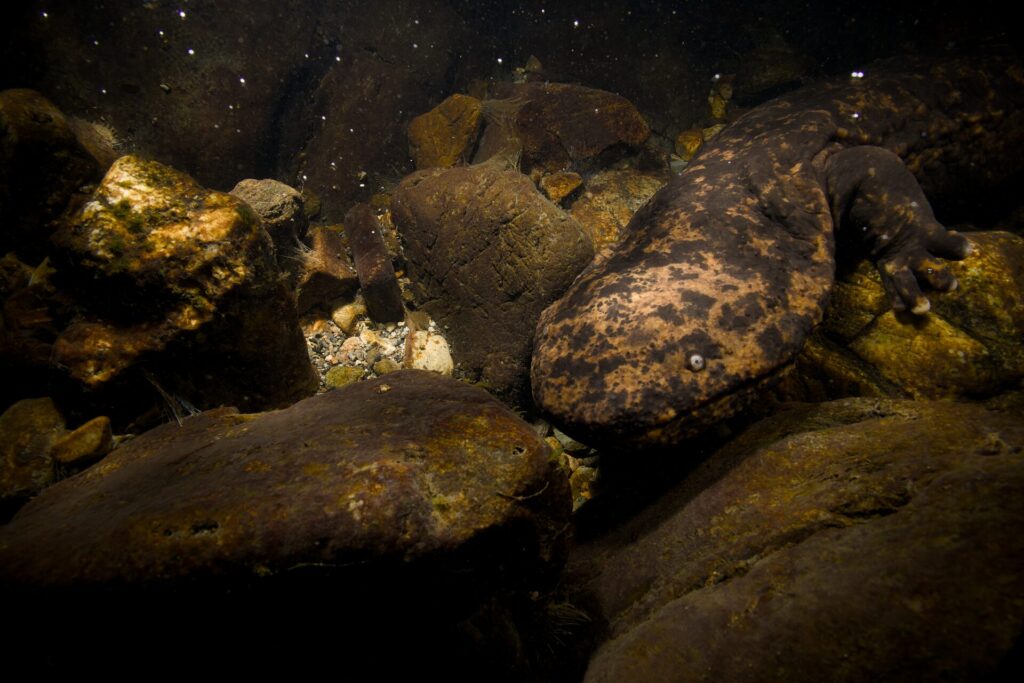
The highest activity is usually observed on warm evenings, after sunset, during humid conditions, and several hours after darkness.
Outside this period, Japanese giant salamanders become less active and are much more difficult to locate.(But still possible with us!)
What Are Your Chances of Seeing a Japanese Giant Salamander?
Because we regularly survey local rivers, our guests typically have a 75–80% chance of observing at least one wild Japanese giant salamander during the active season.
Of course, these are wild animals, and sightings can never be guaranteed.

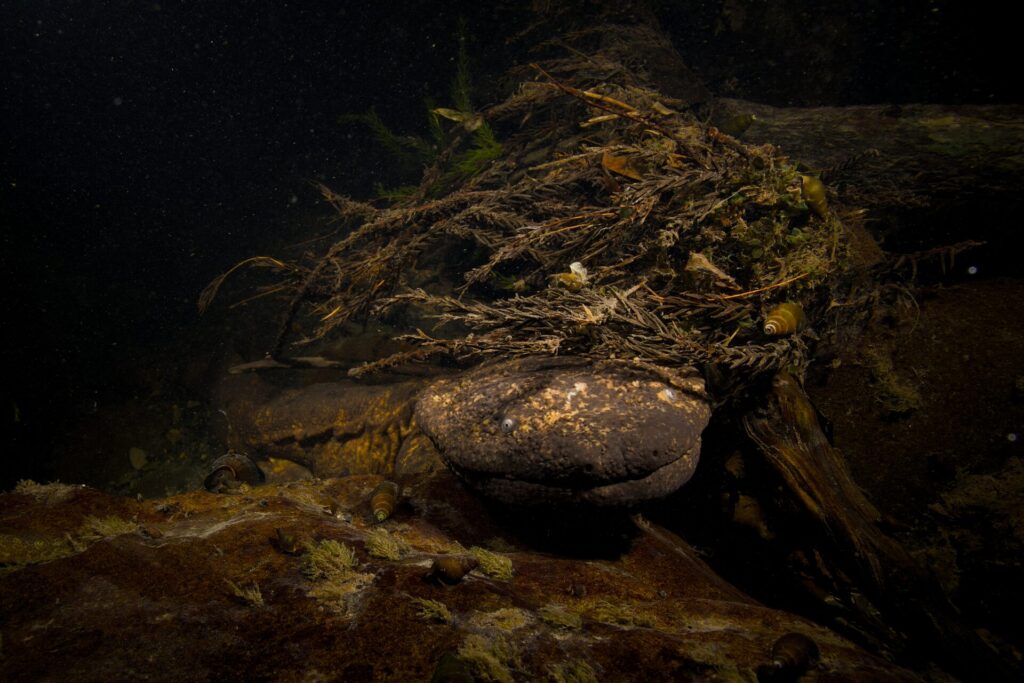
Responsible Wildlife Watching in Kyoto
The Japanese giant salamander is protected under Japanese law.
When observing them:
- Never touch or disturb the animal.
- Stay out of nesting areas.
- Avoid using excessively bright lights.
- Never publish sensitive locations.
- Leave the river exactly as you found it.
Responsible tourism helps ensure these incredible amphibians remain part of Kyoto’s rivers for future generations.


Can You See Giant Salamanders in Kyoto Without a Guide?
Absolutely. It is possible to search for giant salamanders on your own, and some visitors enjoy the challenge.
However, if you have only a limited amount of time in Kyoto, joining a local guide is often the best way to make the most of your visit.
An experienced guide knows which rivers are suitable under different weather conditions, where giant salamanders are most likely to be active, and how to observe them responsibly without disturbing their habitat.
One of the greatest advantages of joining a guided tour is that we can recommend the best location based on your interests and the current conditions. Whether you are looking for crystal-clear, shallow water that is perfect for photography, an easy-to-walk river suitable for families with children, or the best chance of seeing multiple giant salamanders in a single evening, we can tailor the experience to your goals.
In addition to giant salamanders, you may also have the opportunity to encounter many of Japan’s fascinating native wildlife, including Mamushi, Japanese pond turtles, Japanese fire-bellied newts, Kajika frogs, forest green tree frogs, fireflies, deer, raccoon dogs, and many other species.
Instead of spending hours exploring multiple rivers, you can relax and enjoy the experience while learning about Japan’s unique wildlife, ecology, and conservation efforts from someone who spends countless nights in the field.
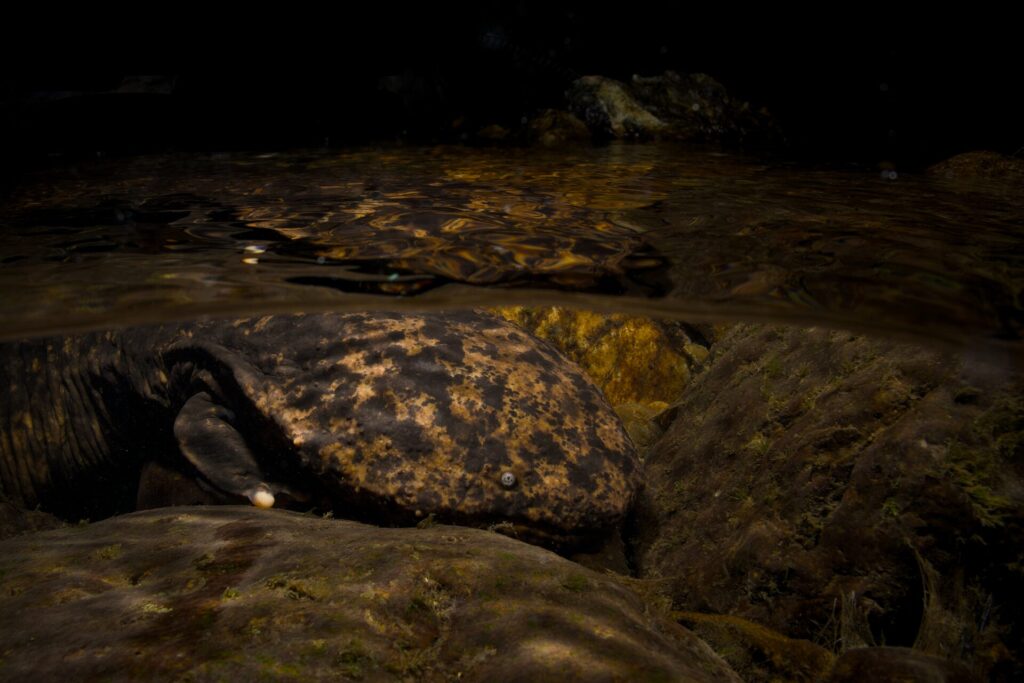
Japanese giant salamander in crystal-clear streamJoin a Giant Salamander Tour in Kyoto
If you would like the best chance of seeing a wild Japanese giant salamander while learning about its ecology and conservation, our private Kyoto Giant Salamander Tour is designed specifically for nature lovers, photographers, and families.
During the tour, you will explore beautiful mountain rivers near Kyoto with an experienced wildlife guide while searching for one of Japan’s most extraordinary animals.
Whether you are visiting Japan for wildlife photography or simply looking for a unique night adventure, this is an experience you will never forget.
Ready to discover one of Kyoto’s best-kept wildlife secrets?
FAQ: Seeing Giant Salamanders in Kyoto
Can you see giant salamanders in Kyoto?
Yes. Kyoto is one of the best places in Japan to see wild Japanese giant salamanders, especially during the warmer months.
What is the best season to see Japanese giant salamanders?
The best season is generally from late April to mid-October, when they are more active at night.
Can children join a giant salamander tour?
Yes. Family-friendly locations can be selected depending on the season, weather, and river conditions.
Can I photograph giant salamanders?
Yes. Some locations have shallow, clear water that can be excellent for photography, while still allowing responsible observation.
Are giant salamanders dangerous?
Japanese giant salamanders are not aggressive, but they are wild protected animals and should never be touched or disturbed.
How far are the observation sites from Kyoto Station?
Some suitable areas are around one hour by car from Kyoto Station, making the experience possible as an evening trip from central Kyoto.
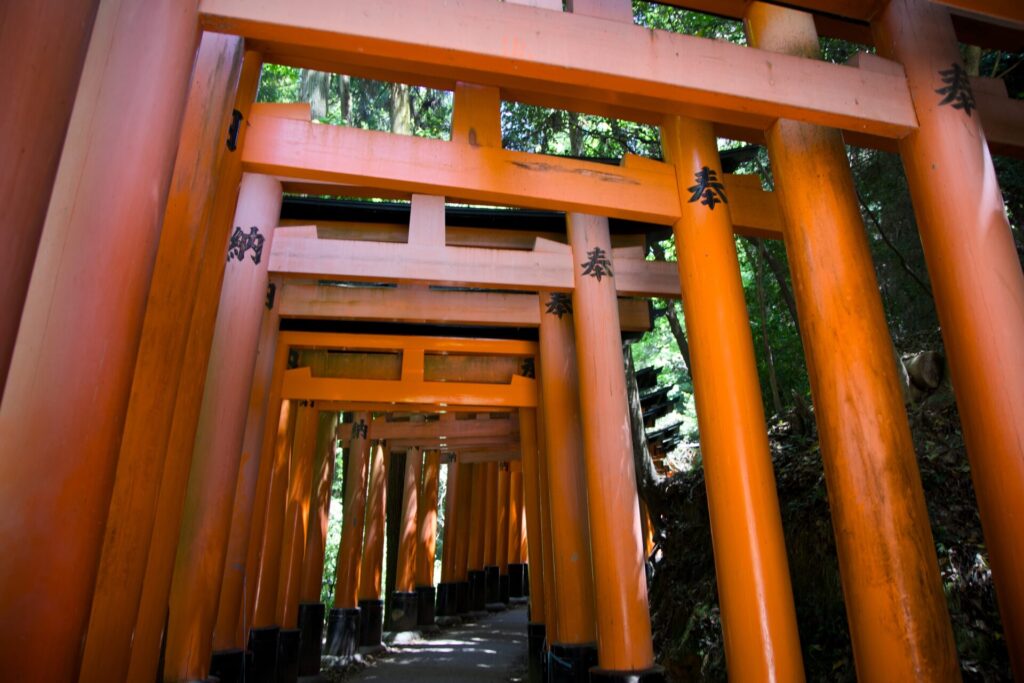
The Giant salamander is just one of many amazing creatures that come alive after dark. If you’re looking for more unforgettable nighttime experiences, check out our guide to the best things to do in Kyoto at night and discover why Kyoto is one of Japan’s most exciting destinations for wildlife enthusiasts.


