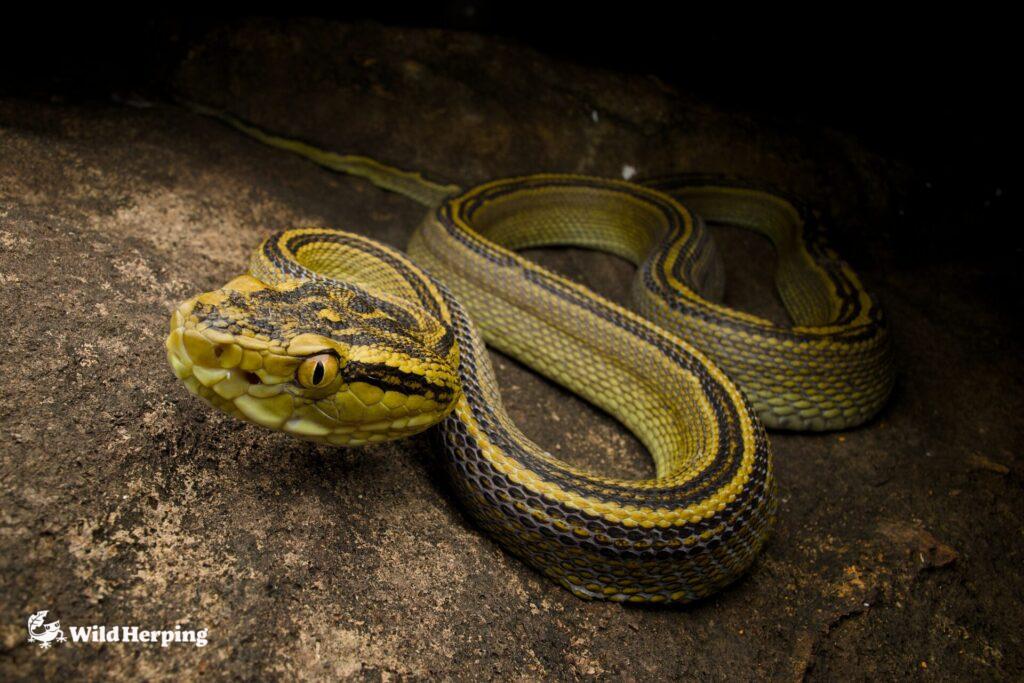
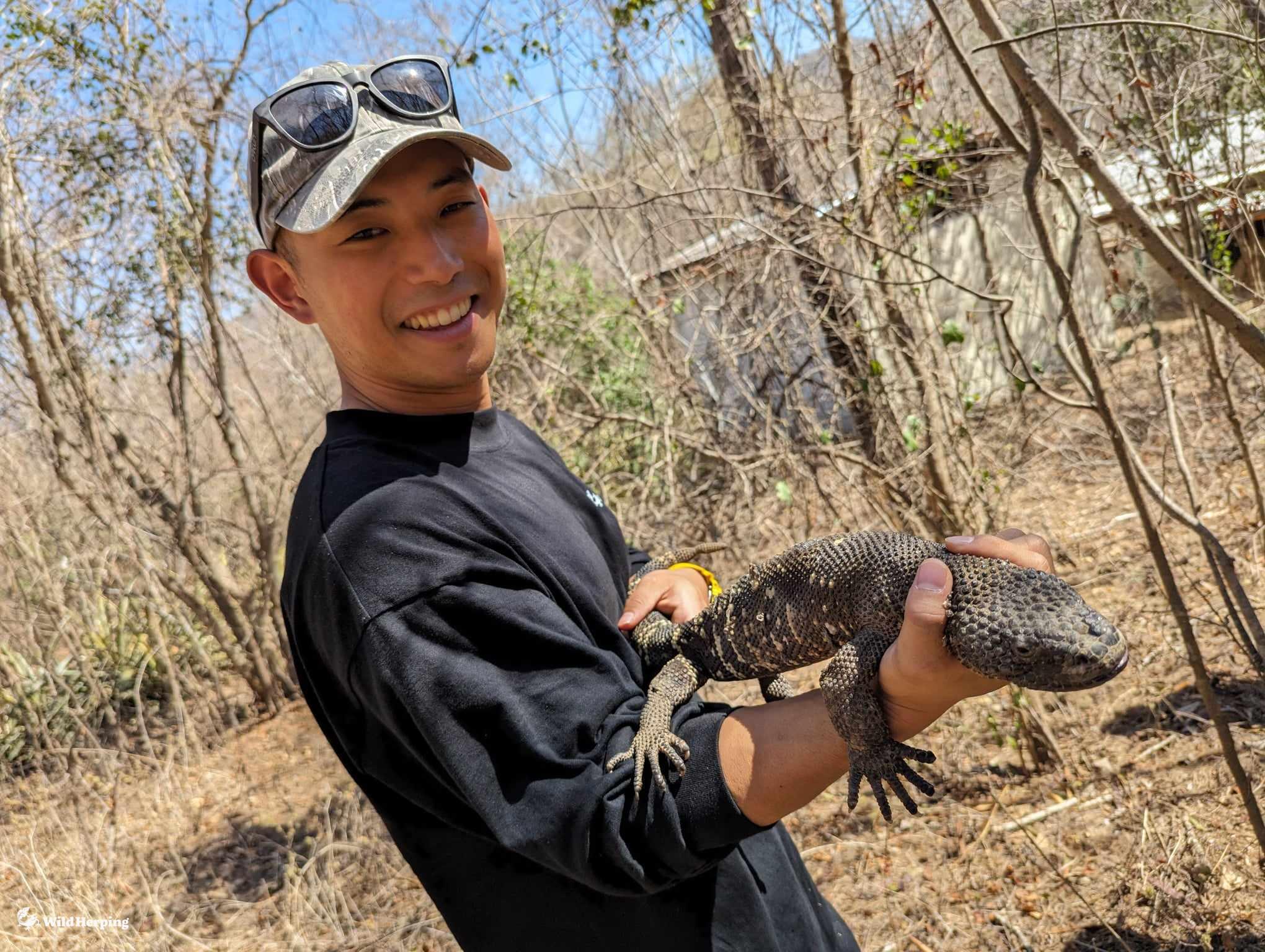
This time, I would like to introduce some of the wildlife we observed on Ie Island, a small island located about 30 minutes by ferry from the Motobu Peninsula in Okinawa, Japan.

Ie Island has a unique and complicated history. It became one of the major battlefields during the Battle of Okinawa in World War II, and even today, around 35% of the island remains occupied by U.S. military facilities. Because of this, only limited areas of the island’s original natural habitat still remain, making wildlife observation surprisingly difficult.
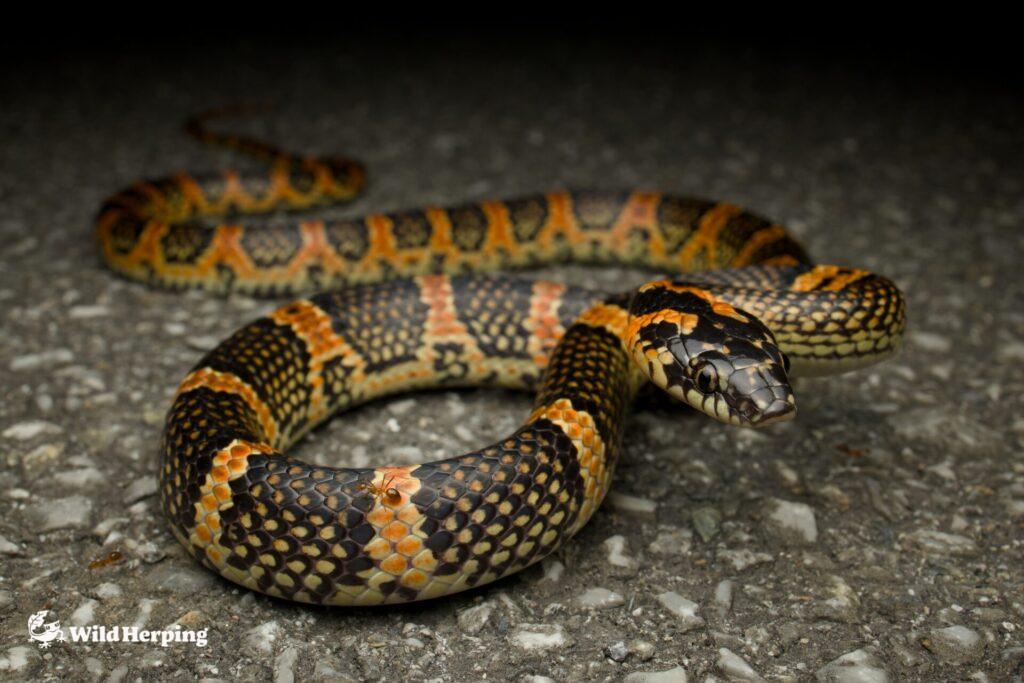
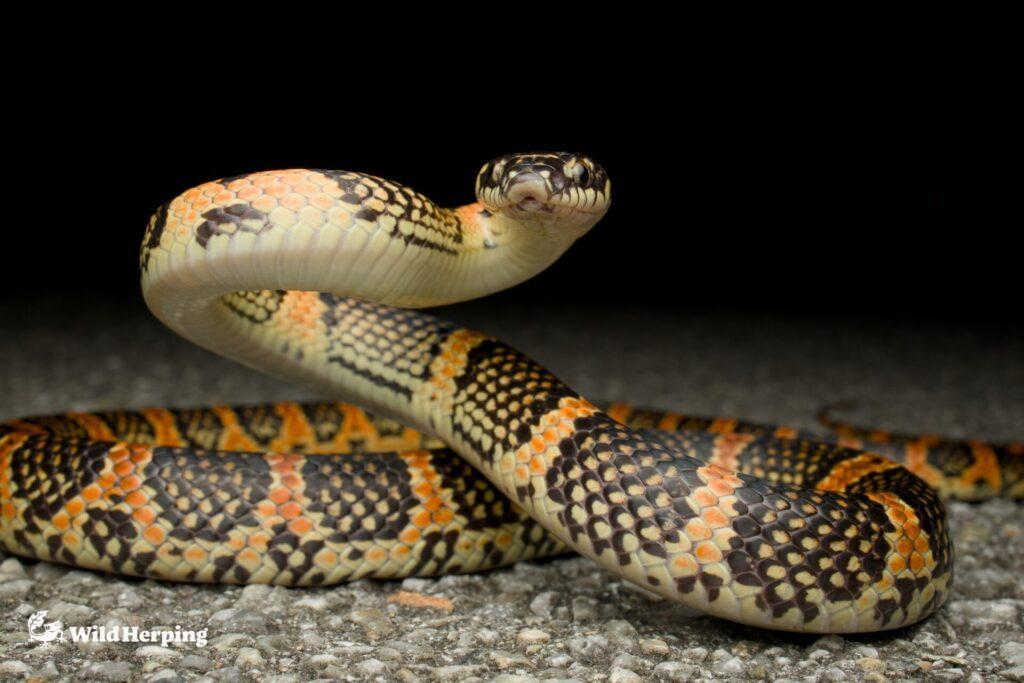
The first snake we encountered was the Akamata (Ryukyu odd-tooth snake, Lycodon semicarinatus). This species is one of the most commonly encountered snakes across the Ryukyu Islands, but its average size, coloration, and behavior vary slightly from island to island. The individuals we observed on Ie Island appeared to have particularly strong reddish coloration and were extremely active.
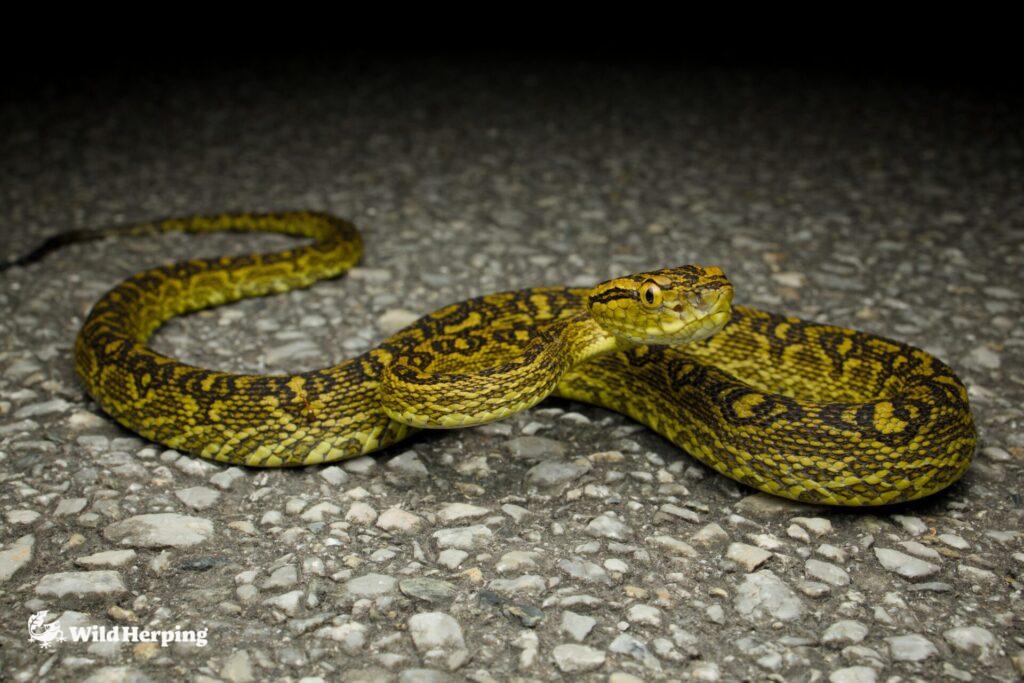
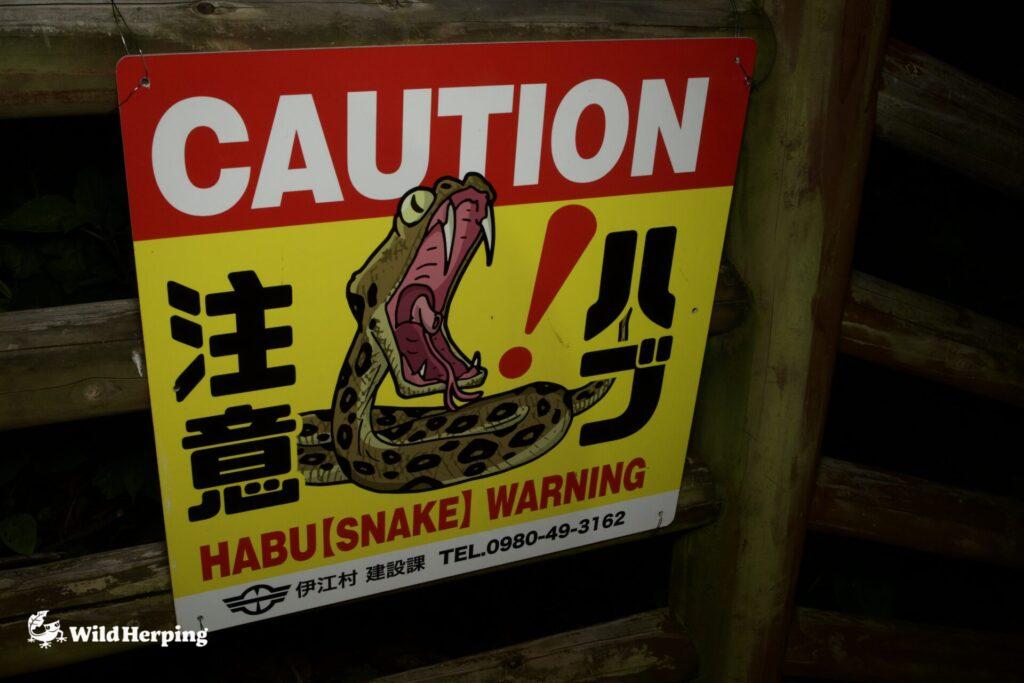
Later that night, we were also fortunate enough to encounter the Hon Habu (Protobothrops flavoviridis). Warning signs about Habu snakes can be found throughout the island’s tourist areas, so we already knew the species was present. However, the ease of finding Habu varies dramatically depending on the island, so encountering one during a single night survey felt very lucky.
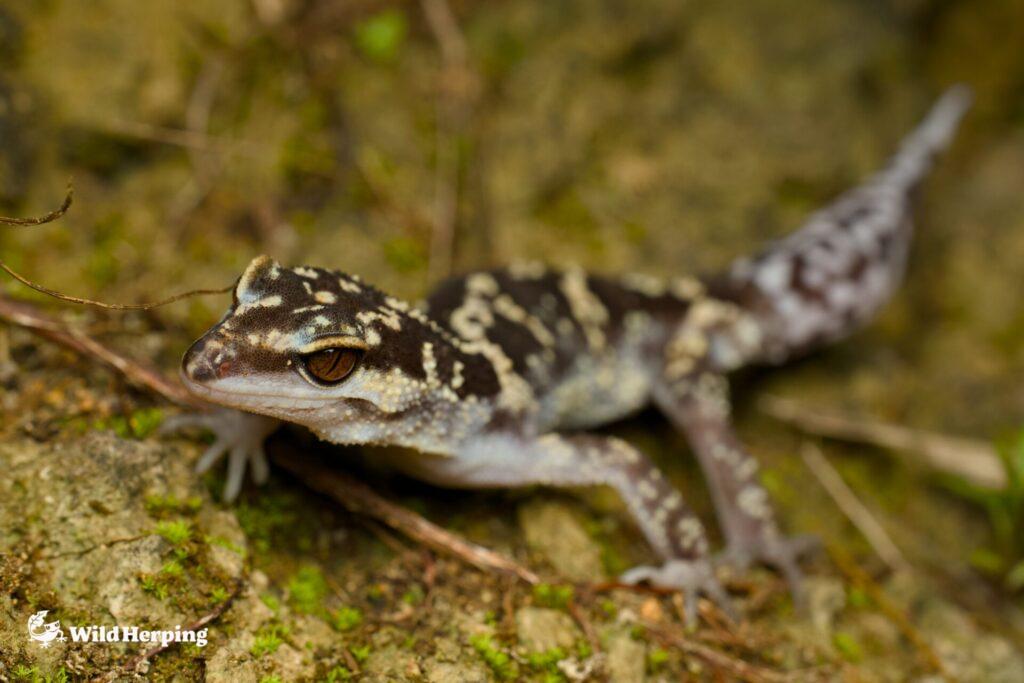
The main goal of this trip, however, was to search for the Japanese ground gecko(Spotted Ground Gecko、Goniurosaurus orientalis).
Field guides currently list this gecko population together with the population from Tonaki Island. However, after previously observing the Tonaki Island animals, the Ie Island geckos appeared noticeably different in both pattern and overall appearance. It will be very interesting to see whether future research eventually recognizes the Ie Island population as a separate species.
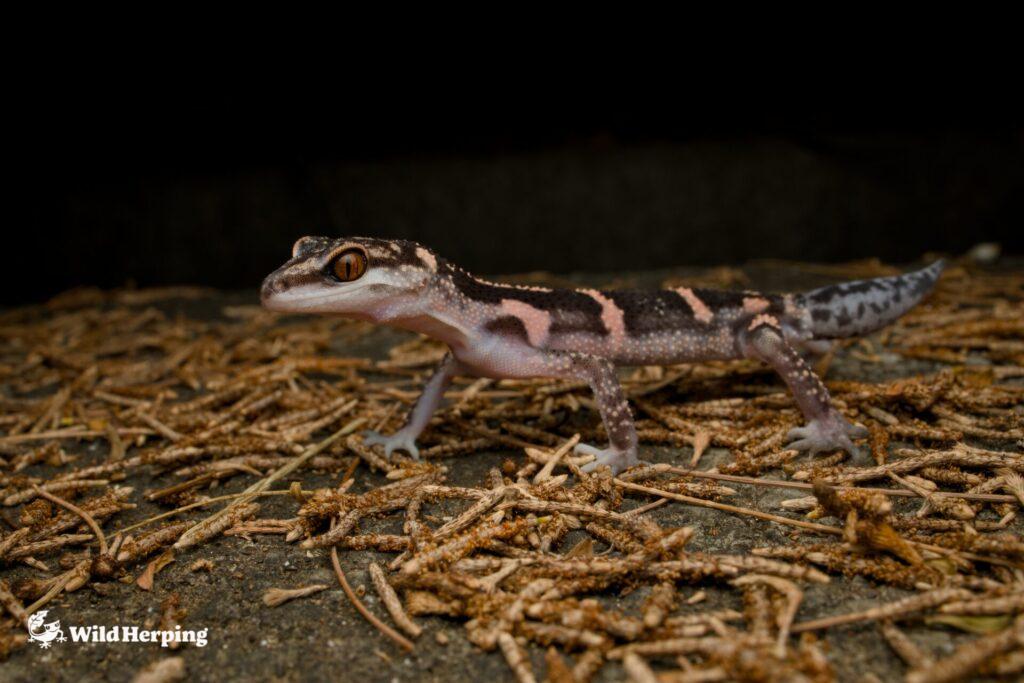
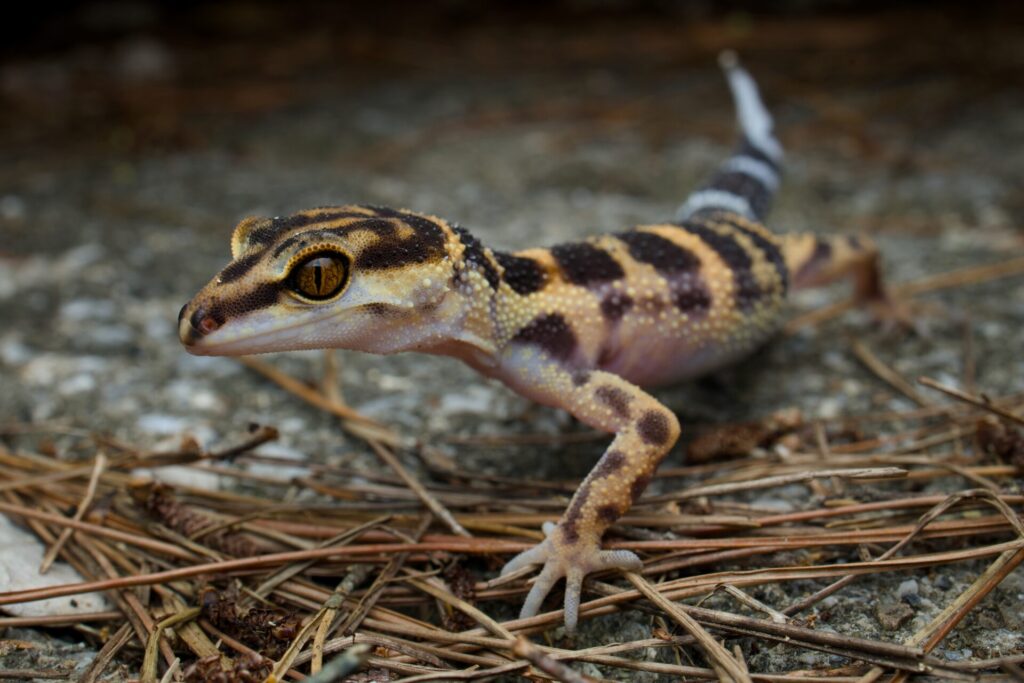
At the same time, it was impossible to ignore how little suitable habitat remains for these geckos on the island. Even after surveying large portions of Ie Island, appropriate forest and limestone habitat appeared extremely limited. I can only hope that further habitat loss and development can be avoided in the future.
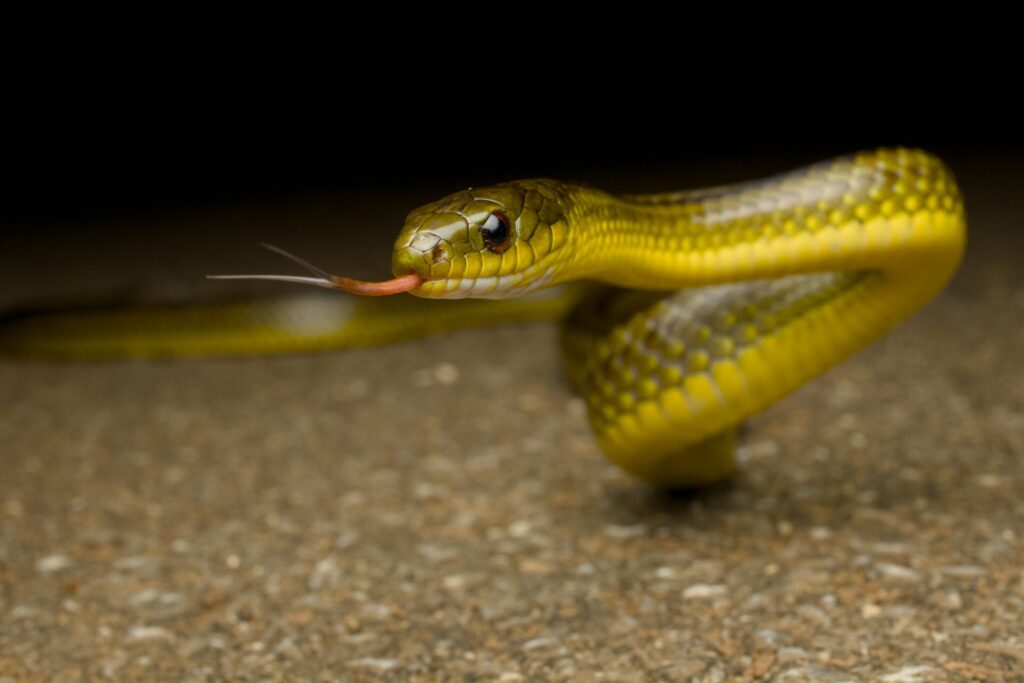
We also encountered the Ryukyu green snake (Cyclophiops semicarinatus). Despite being a relatively small individual, it was surprisingly aggressive and repeatedly displayed defensive behavior toward the camera.
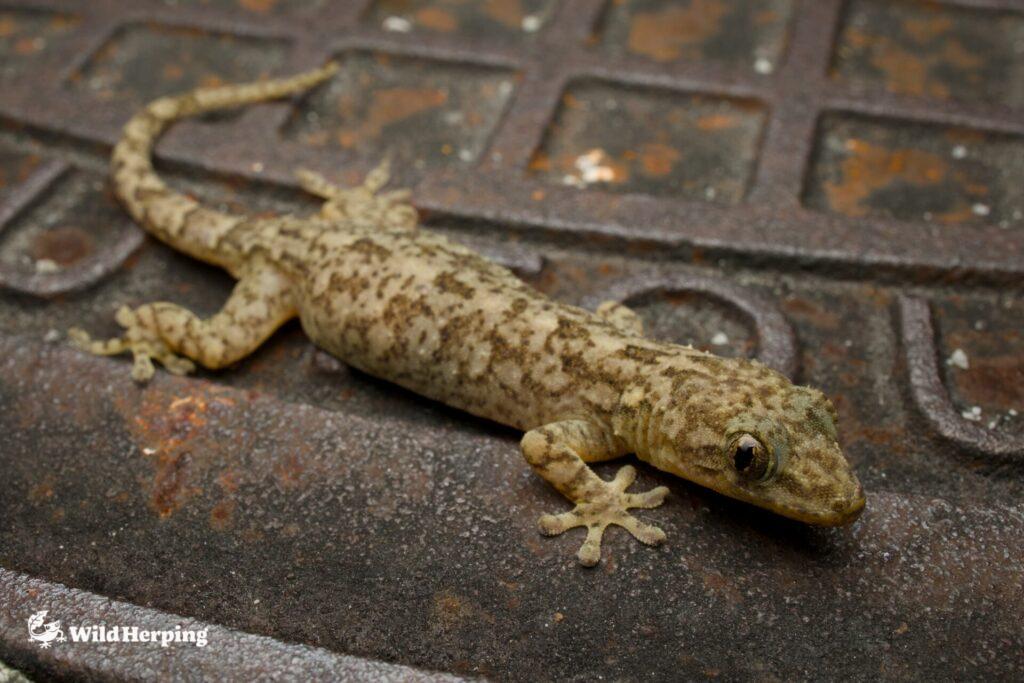
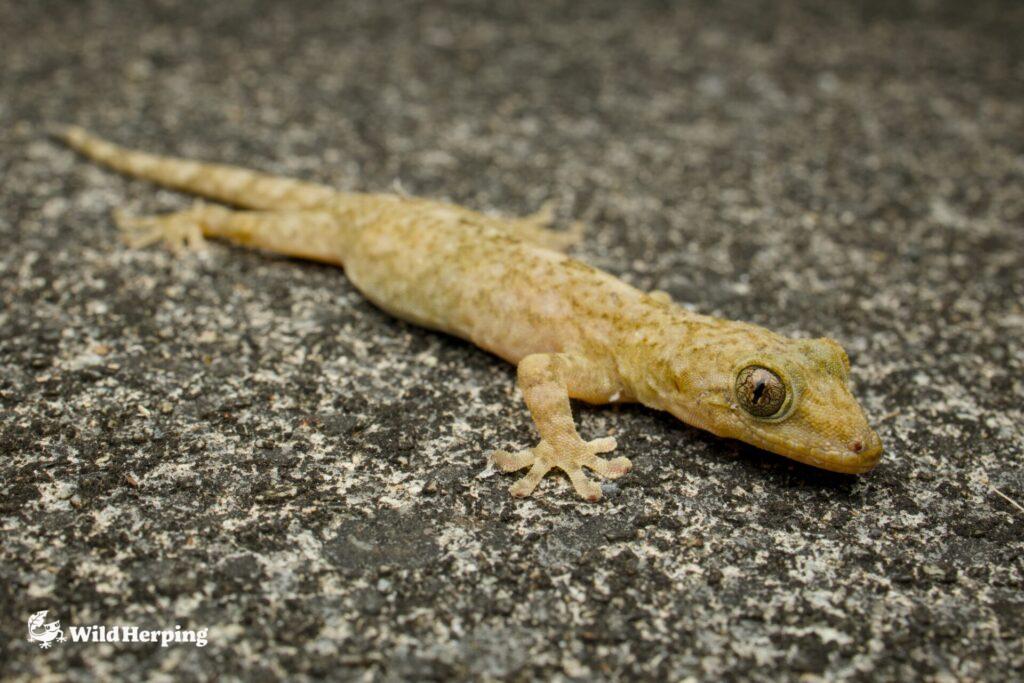
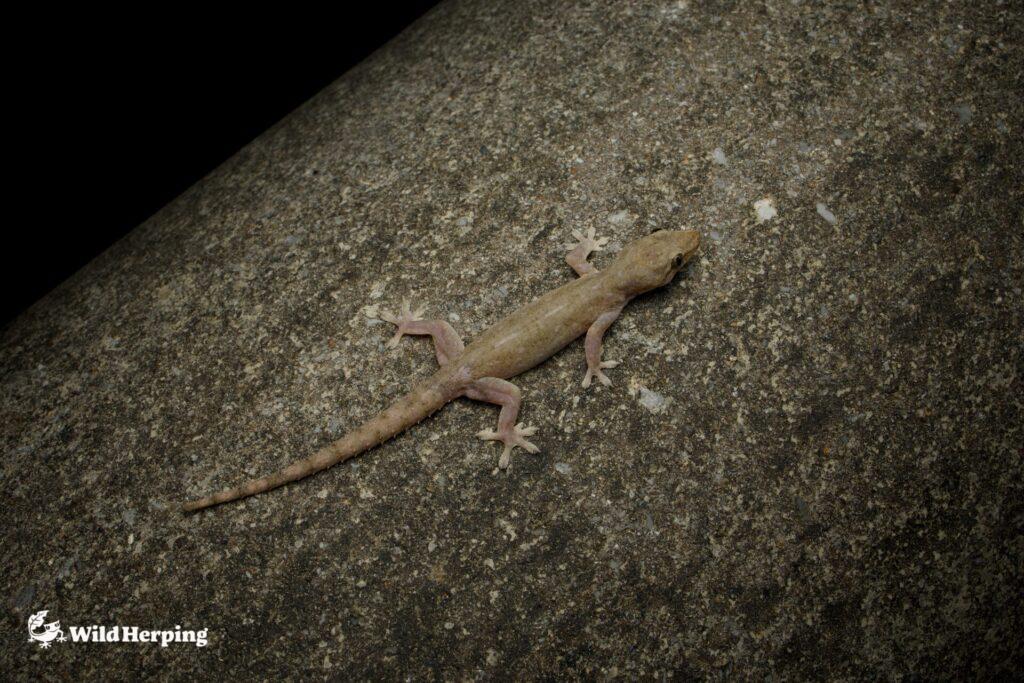
Another thing that stood out during this trip was the large number of geckos active at night throughout the island.
Although we stayed on the island for two nights, strong winds during the second night made wildlife observation extremely difficult, and aside from hermit crabs, we saw almost no animals at all.
If you plan to visit Ie Island for herping or wildlife photography, paying close attention to weather conditions and wind can make a huge difference in your success.