
- Schedule, Duration
-
24 November to 14December 2026
- Country
-
Madagascar
- Price
-
Please inquire
- Meeting/Disbanding Location
-
Ivato International Airport, Antananarivo, Madagascar
- Transportation
-
Private vehicle, private boat and domestic flights
- Inclusions
-
All essential services are included in the tour price, such as meals, drinking water during the tour, guide services, accommodations, transportation, and domestic flights.
- Exclusions
-
Transportation to the meeting point and from the disbanding location, sleeping bags, visa fees, travel insurance, alcoholic beverages, and other personal expenses.
- Accommodation Level
- Number of Participants
-
4 – 5 people
- Fitness Level
- Tour Overview
-
Now accepting applications. Courses that can be joined consecutively are also available.
- Highlights①
-
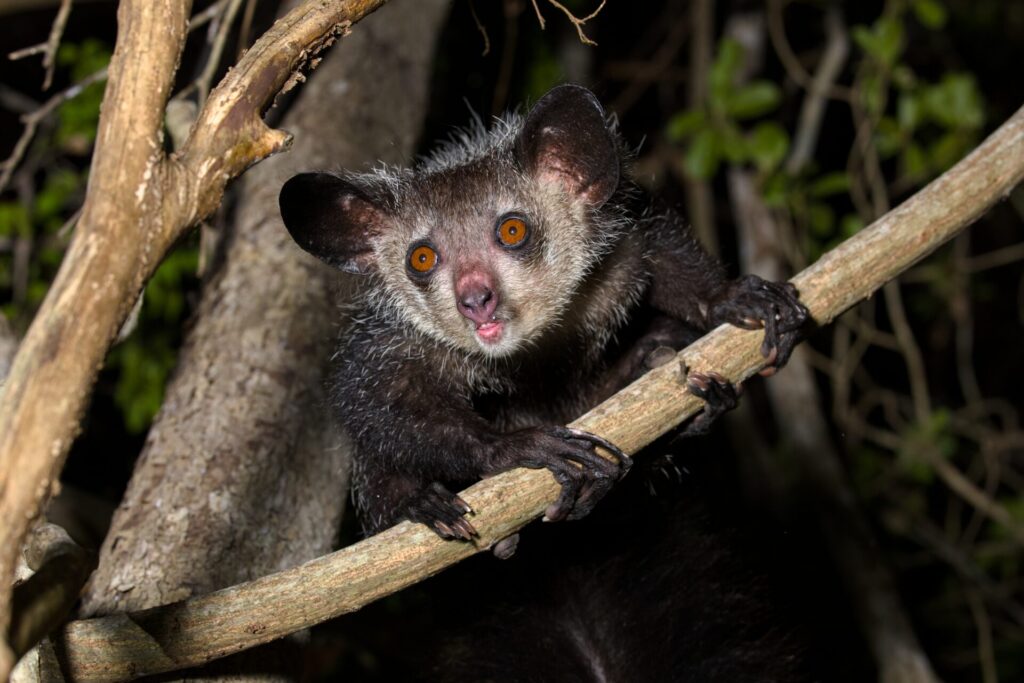
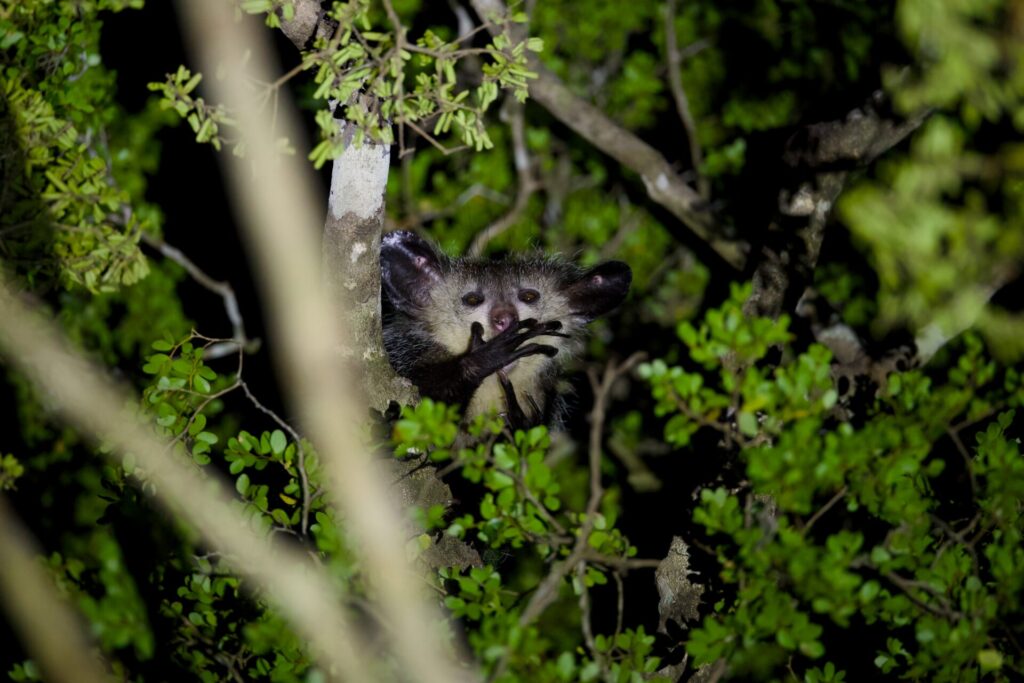
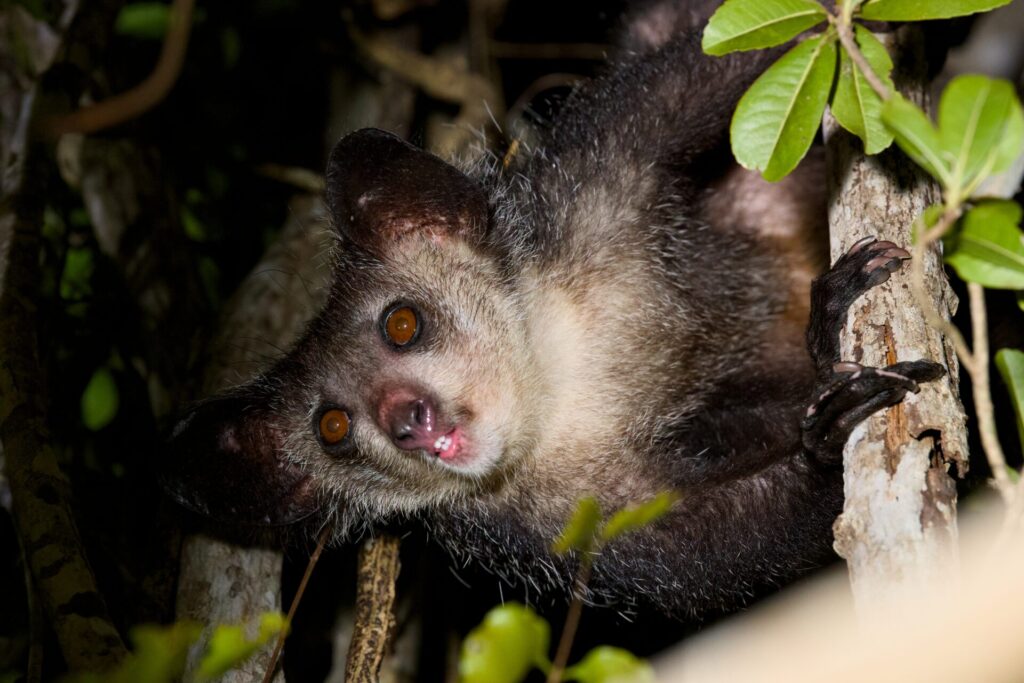
Aye-aye Tracking Experience
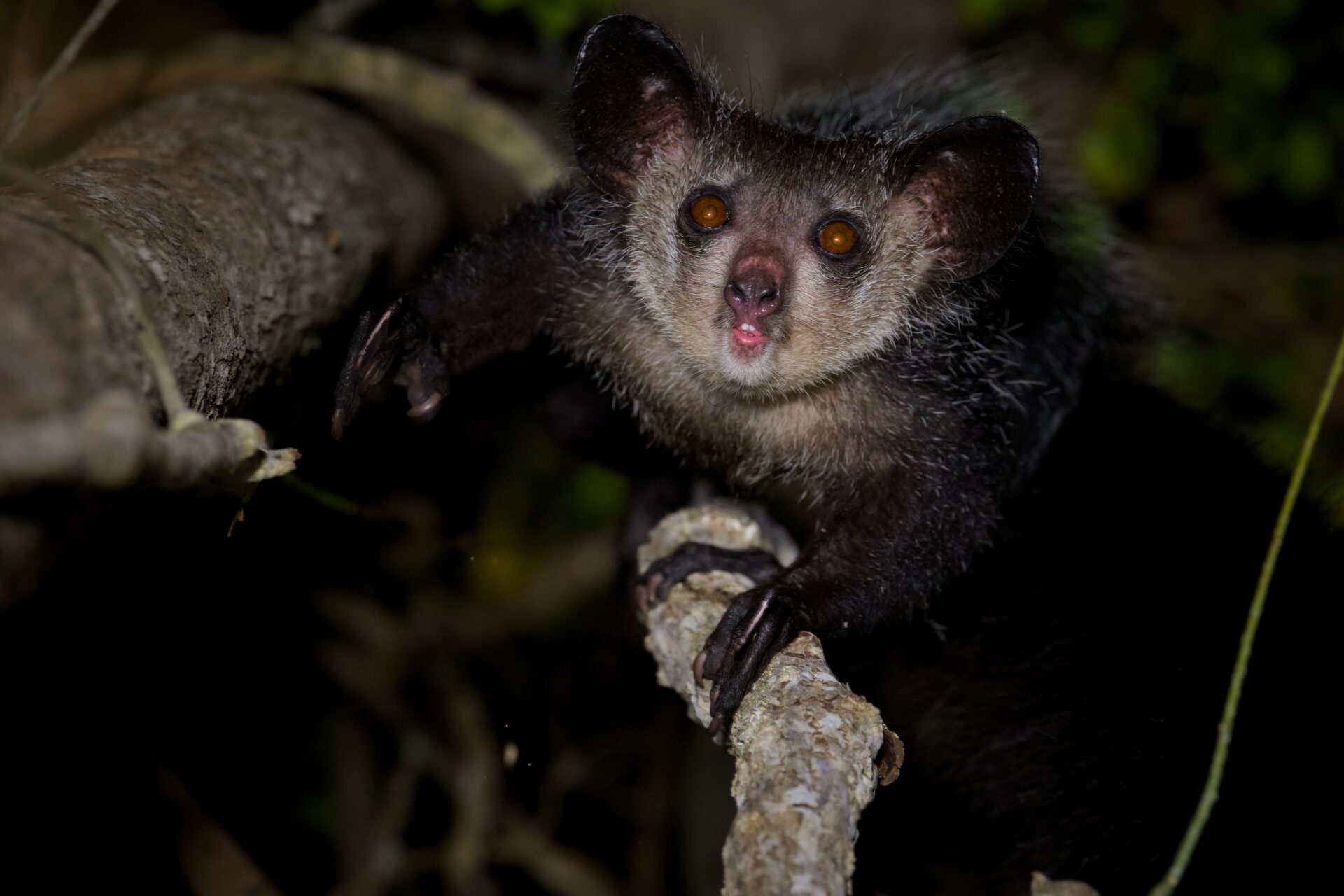
The aye-aye is considered one of the world’s rarest primates and is frequently listed among the Top 25 rarest primates on Earth. While its name is widely known, very few people have ever observed an aye-aye in the wild.
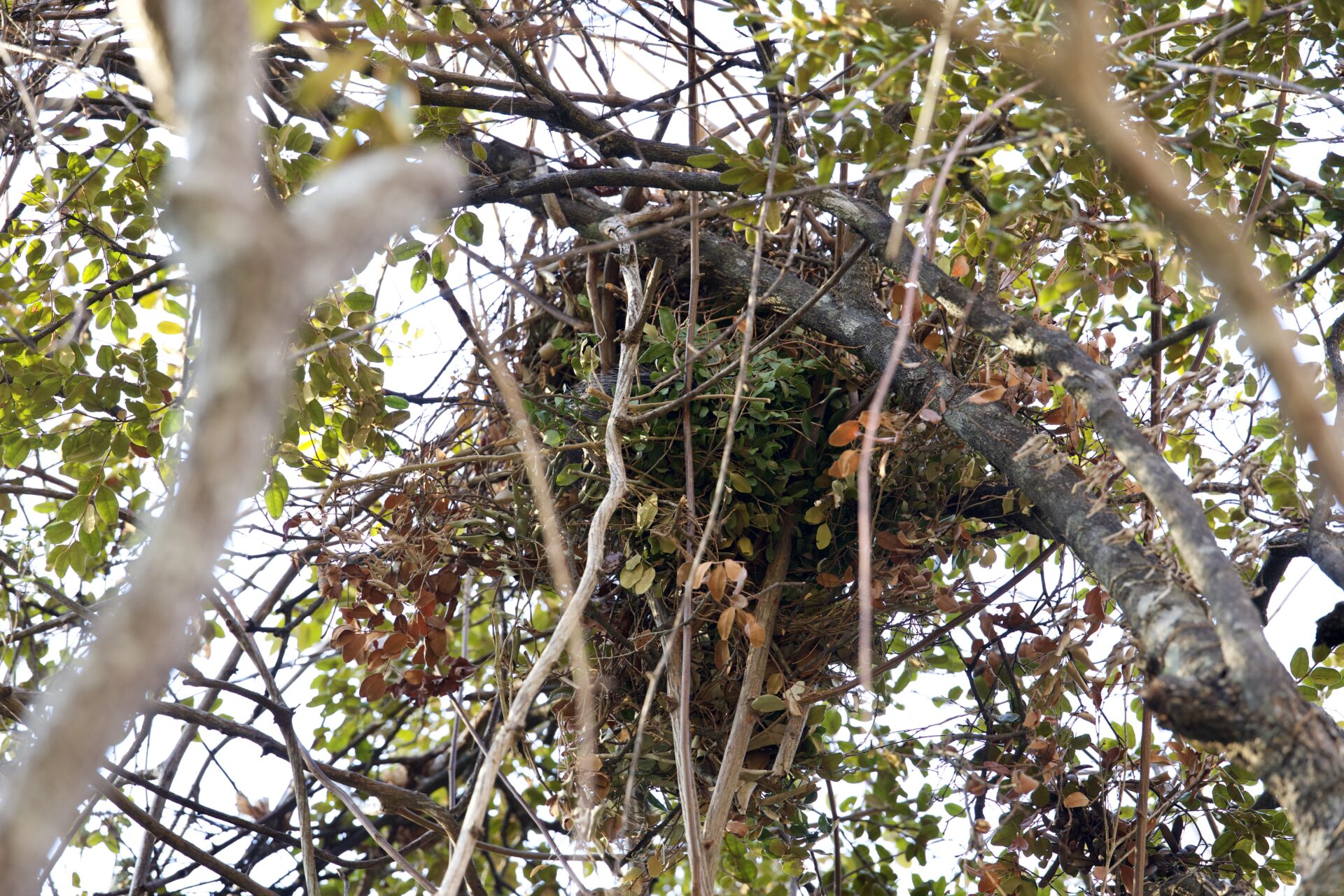
For this experience, local villagers with deep knowledge of the forest carefully locate the aye-aye’s daily-changing sleeping sites in advance. We then wait quietly at the nest until the animal begins its nightly activity.
Once a sleeping site is found, the probability of observing a wild aye-aye is extremely high, offering a rare and unforgettable wildlife encounter.


- Highlights②
-
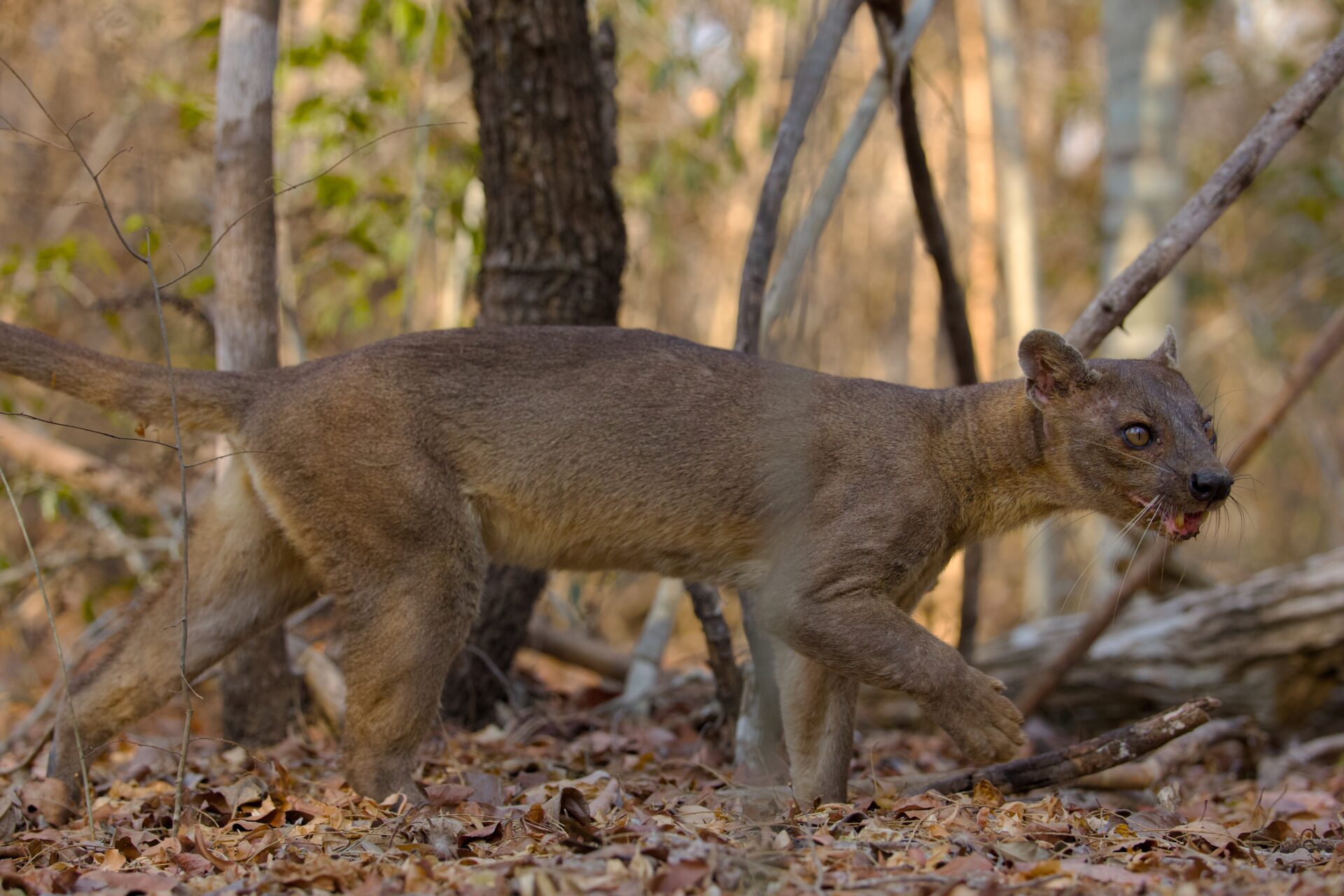
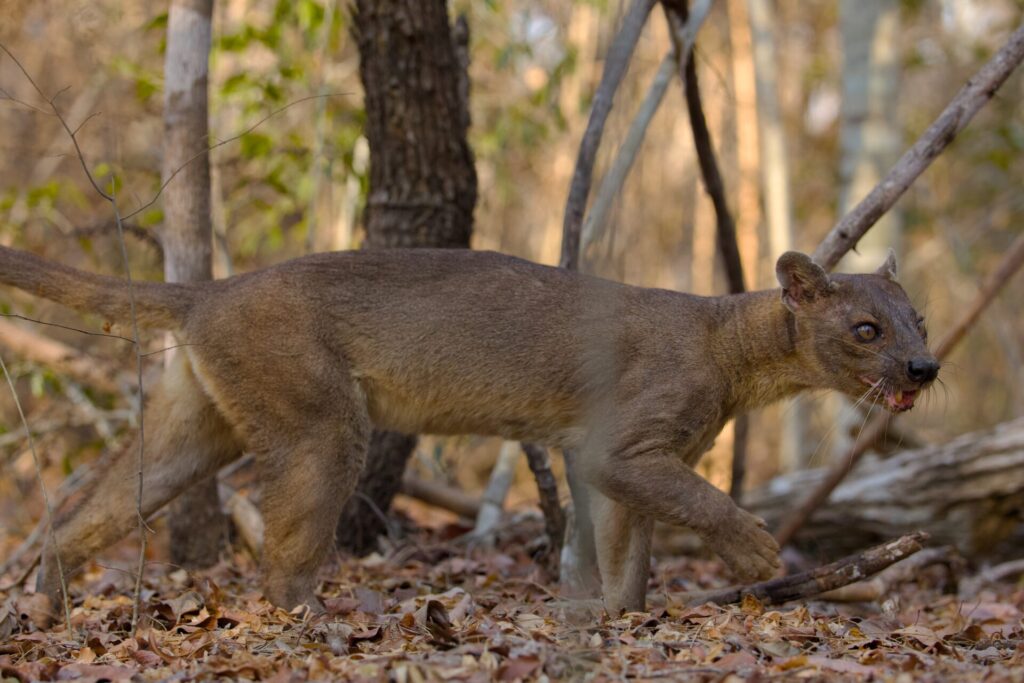
Fossa Tracking
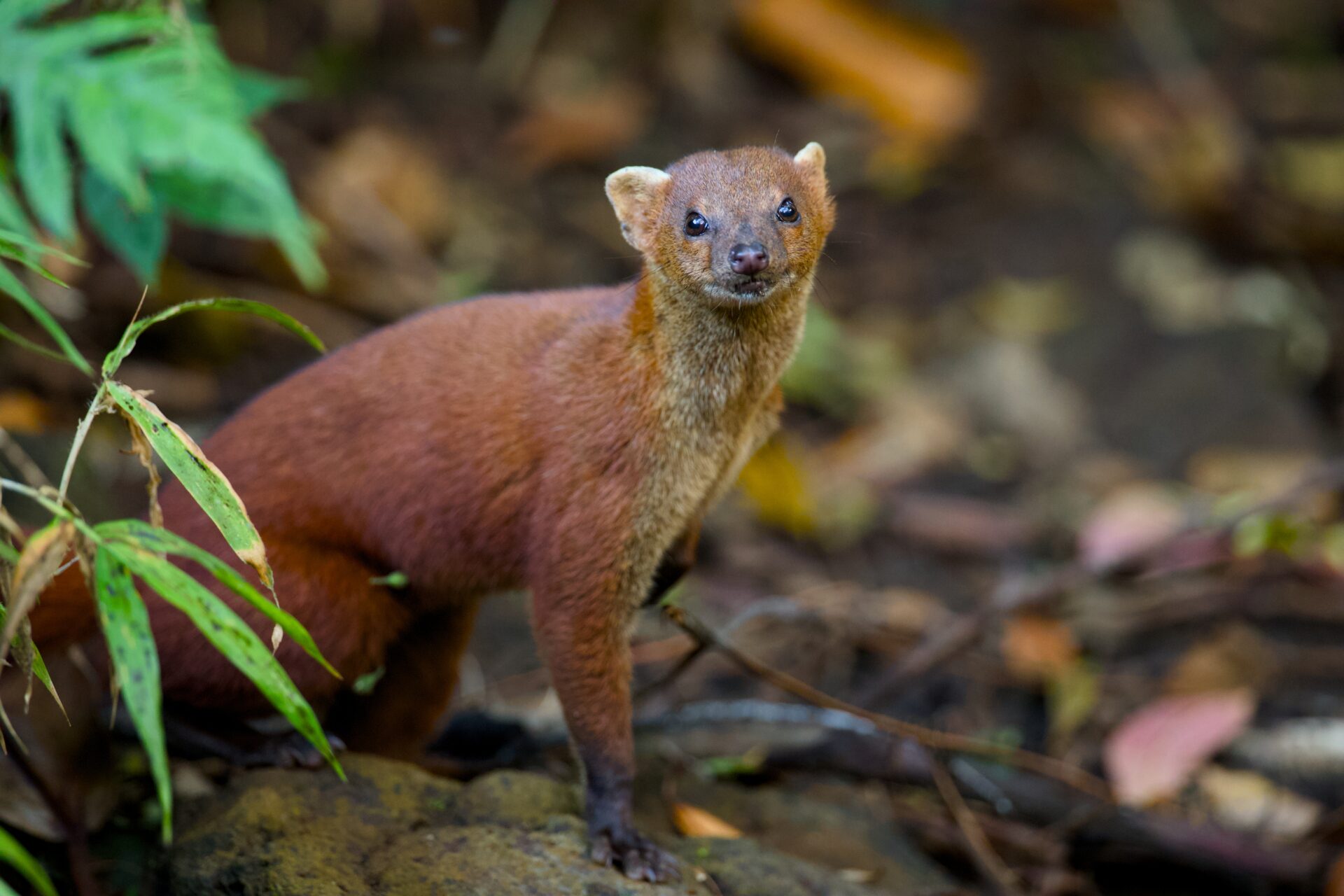
The fossa is Madagascar’s largest carnivorous mammal and its top terrestrial predator. Based on years of field research, we identify and anticipate the routes the fossa is most likely to use. With careful positioning and timing, there is a chance to encounter the animal at close range—and, if conditions allow, to capture frontal photographs in the wild.
- Highlights③
-
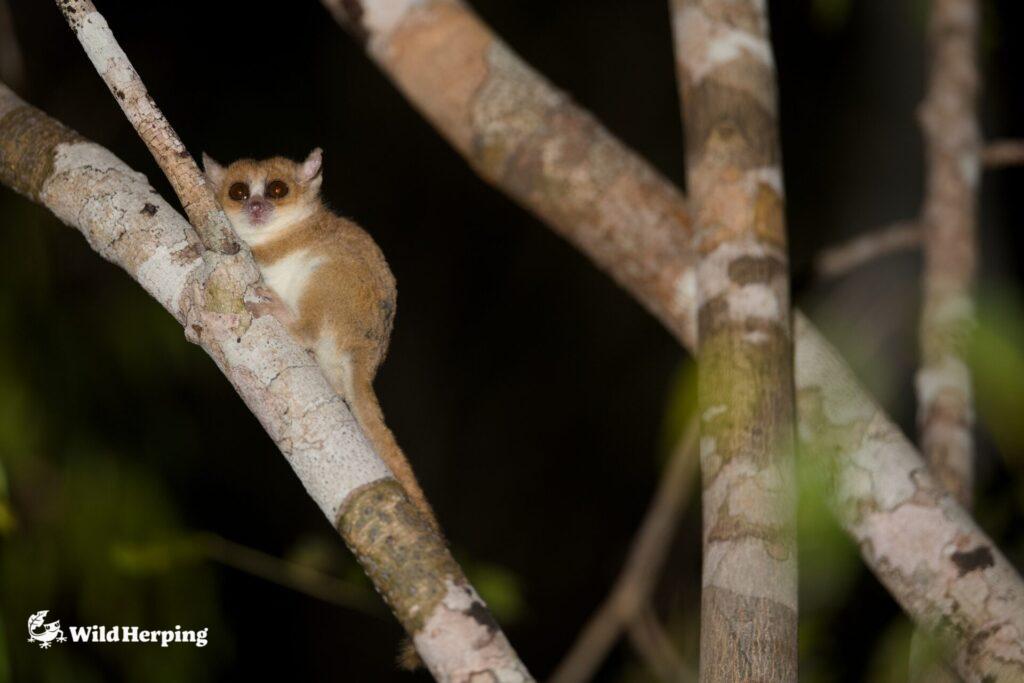
Berthe’s Mouse Lemur Tracking
The World’s Smallest Primate
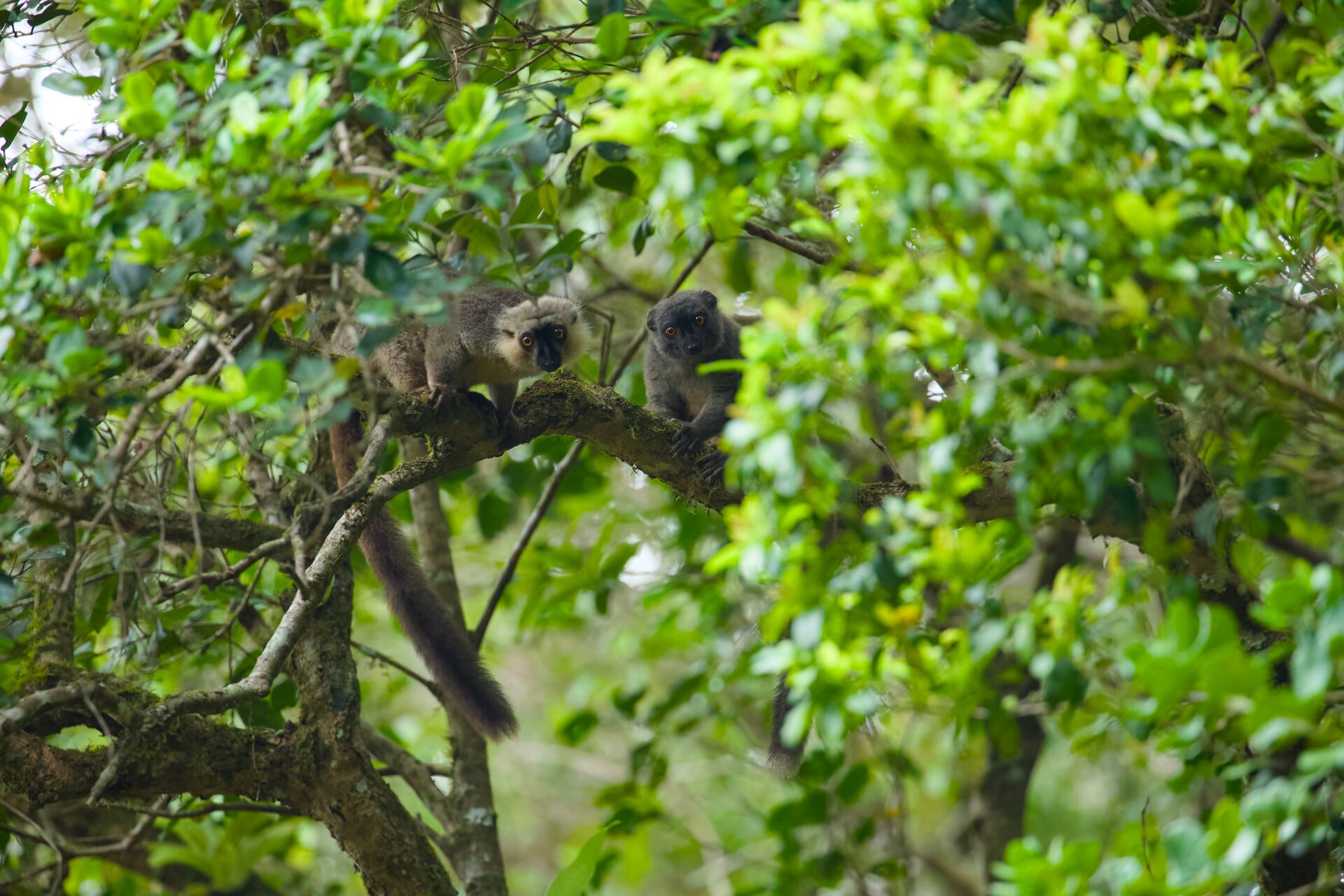
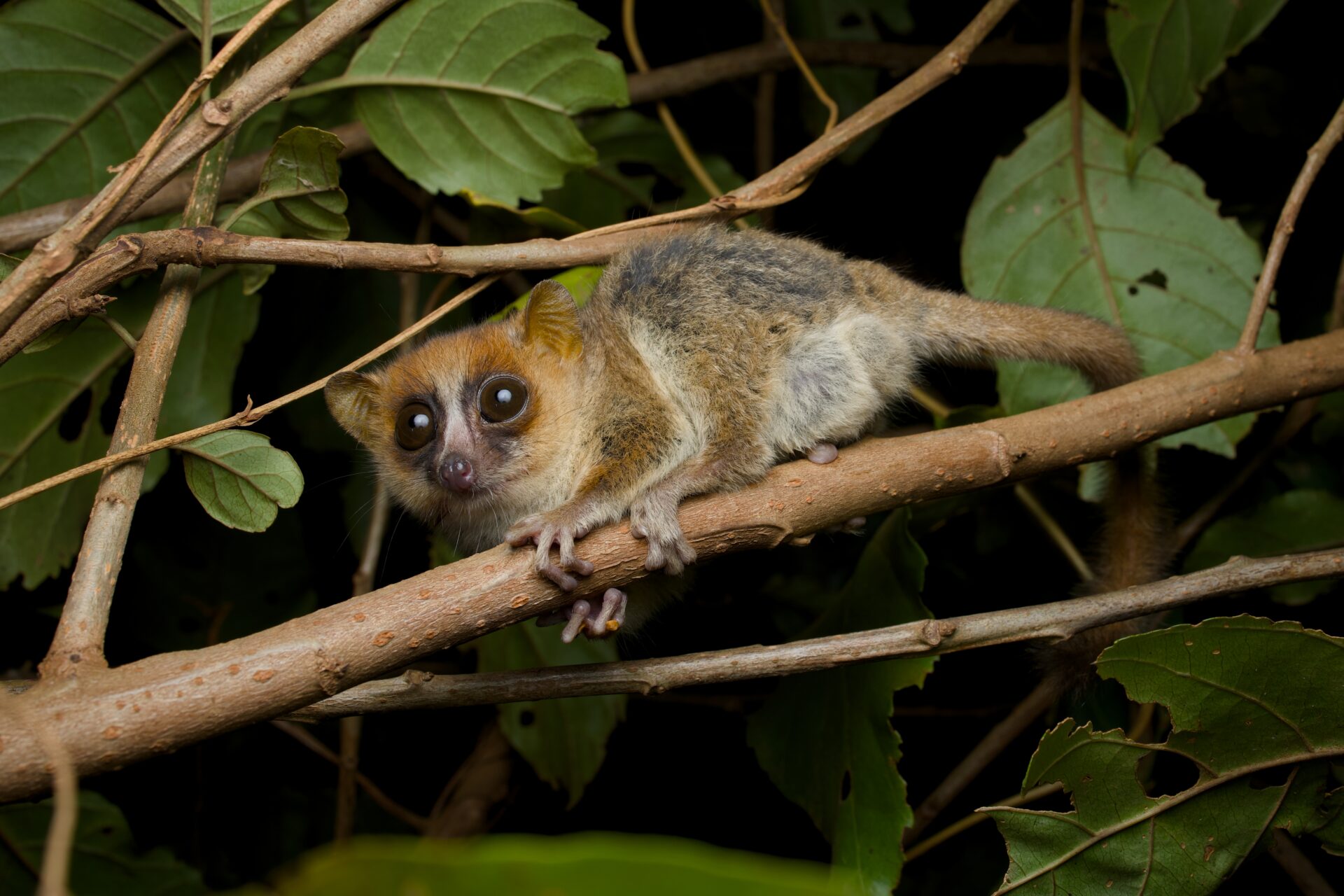
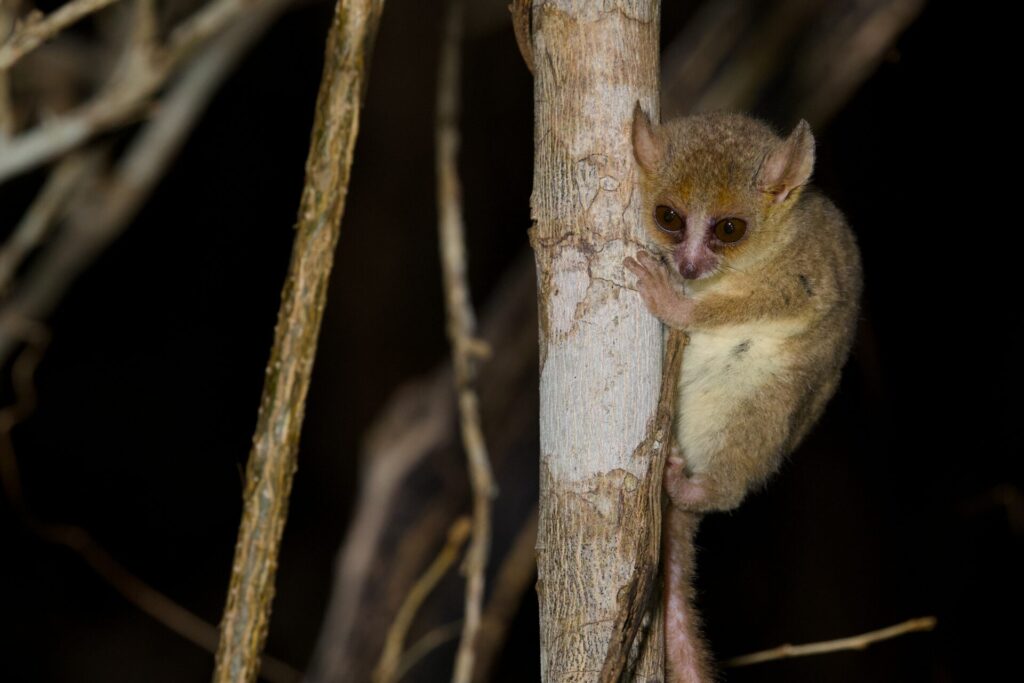
Berthe’s mouse lemur is the smallest primate in the world. It inhabits only a very limited area and is active during a narrow time window, making successful observation highly challenging.
With the support of experienced local guides, we position ourselves at the right place at the right time, greatly increasing the chances of observing this remarkable species in the wild.
- Highlights④
-
Tsingy Exploration & Wildlife Search
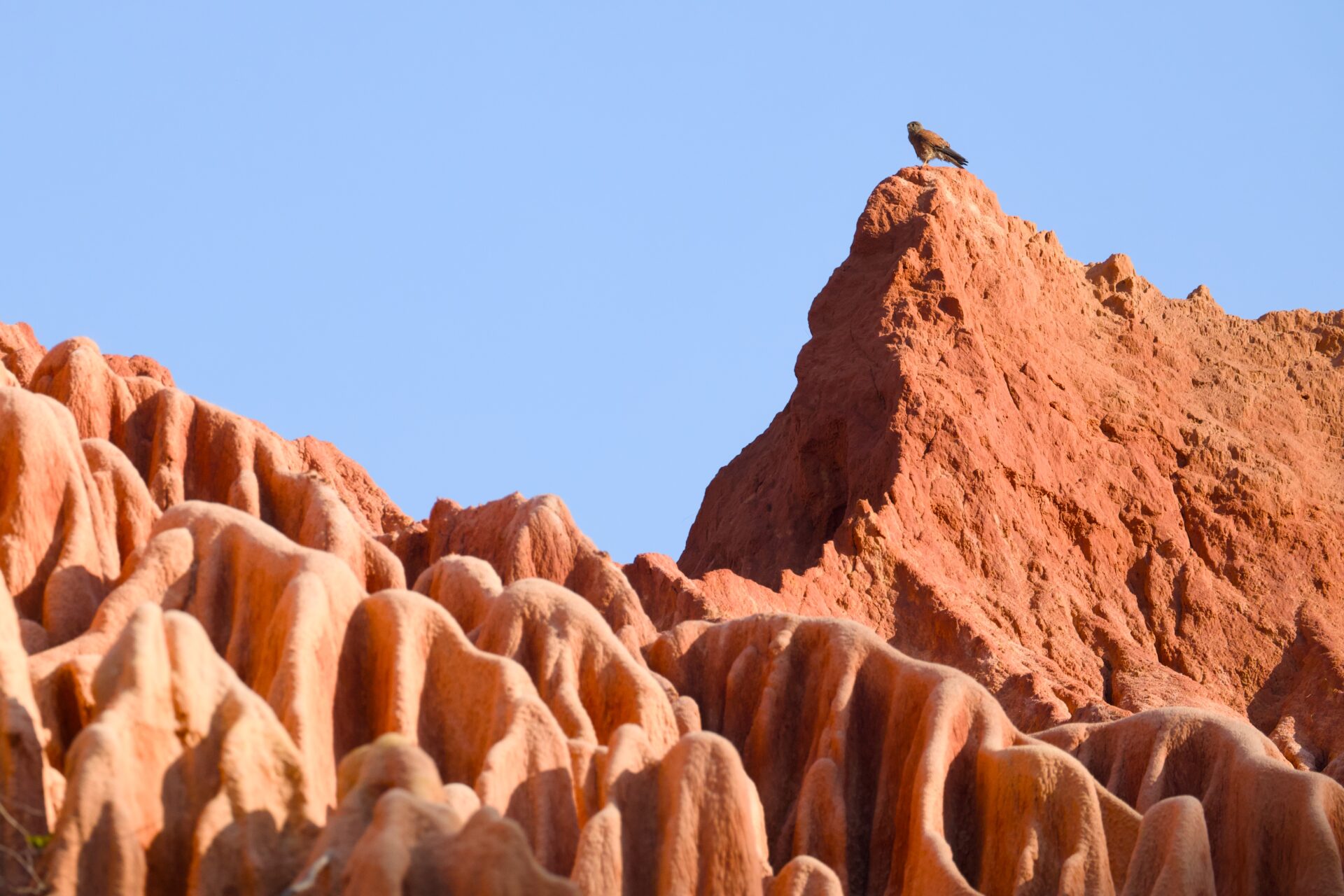
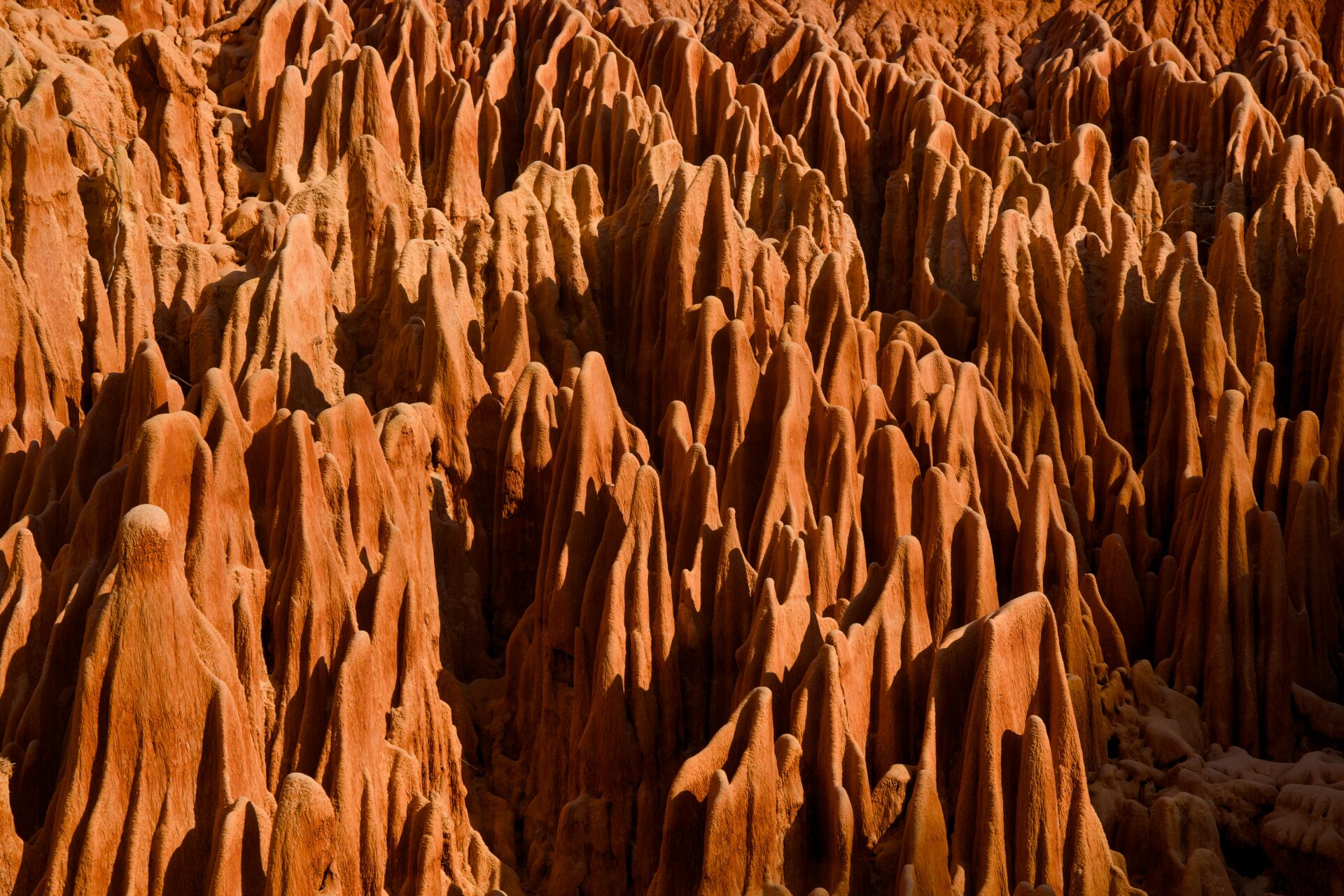
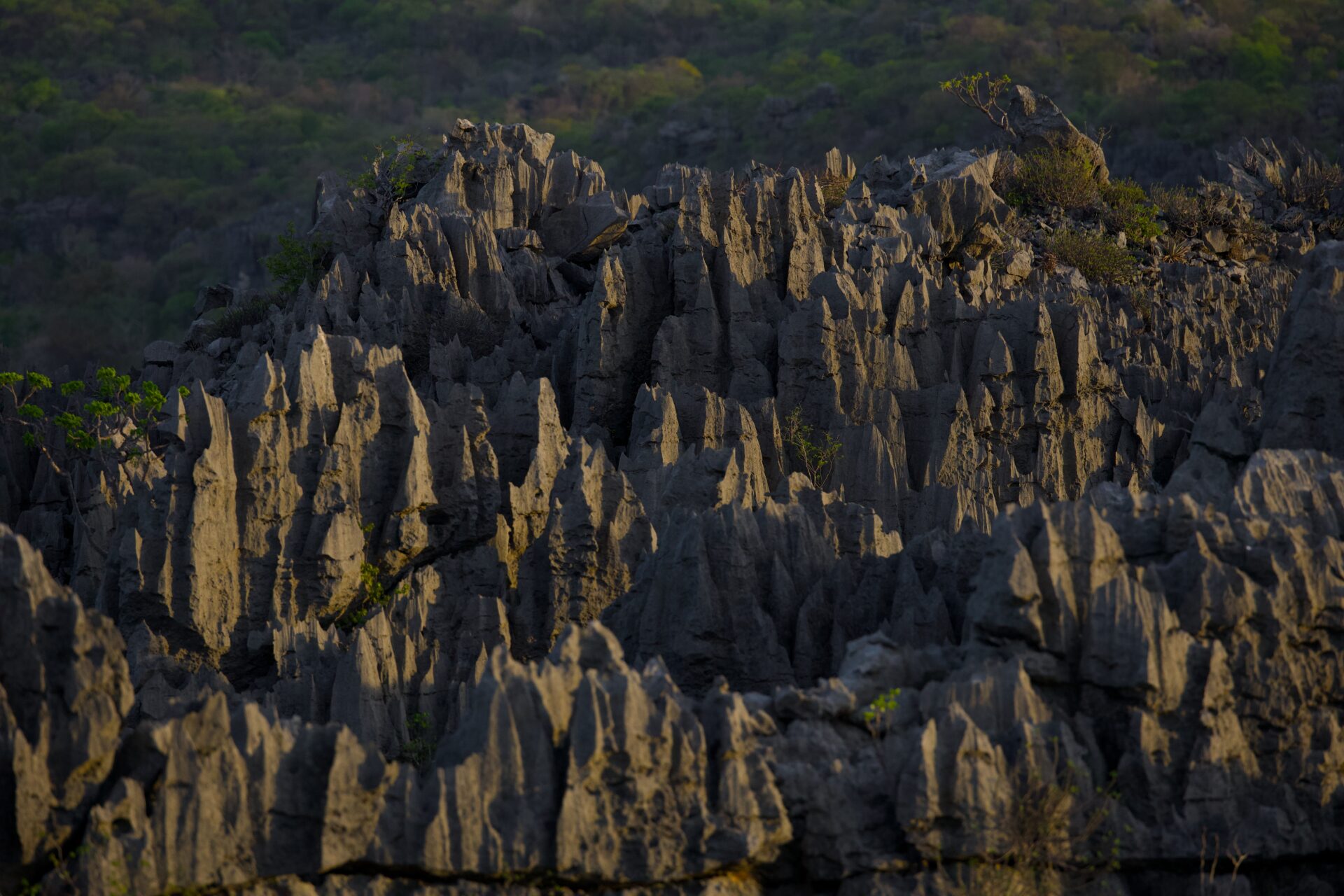
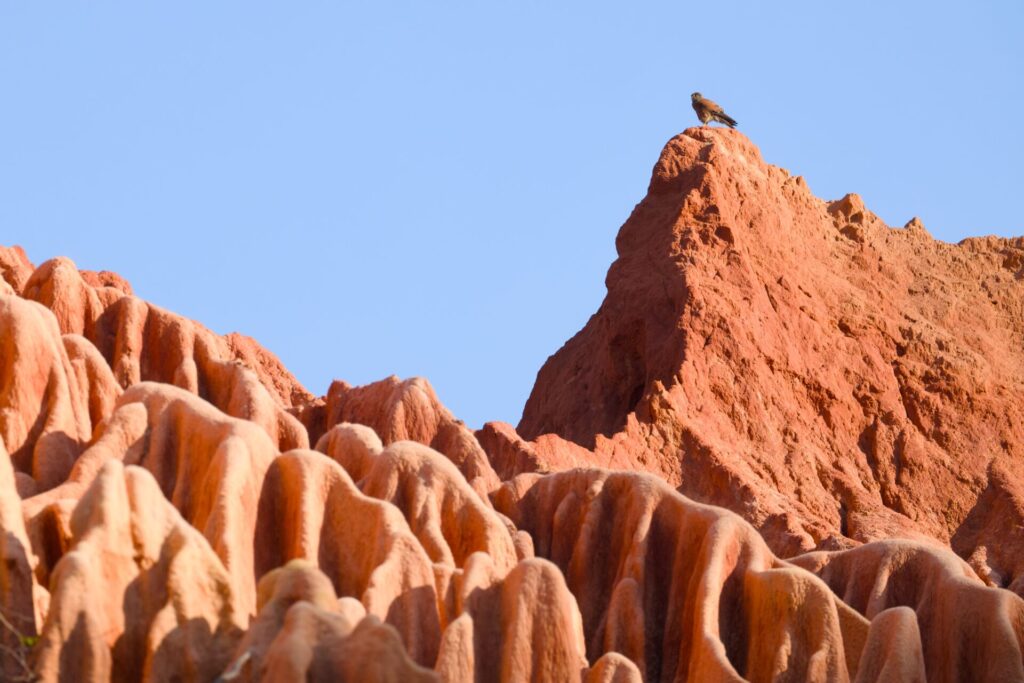
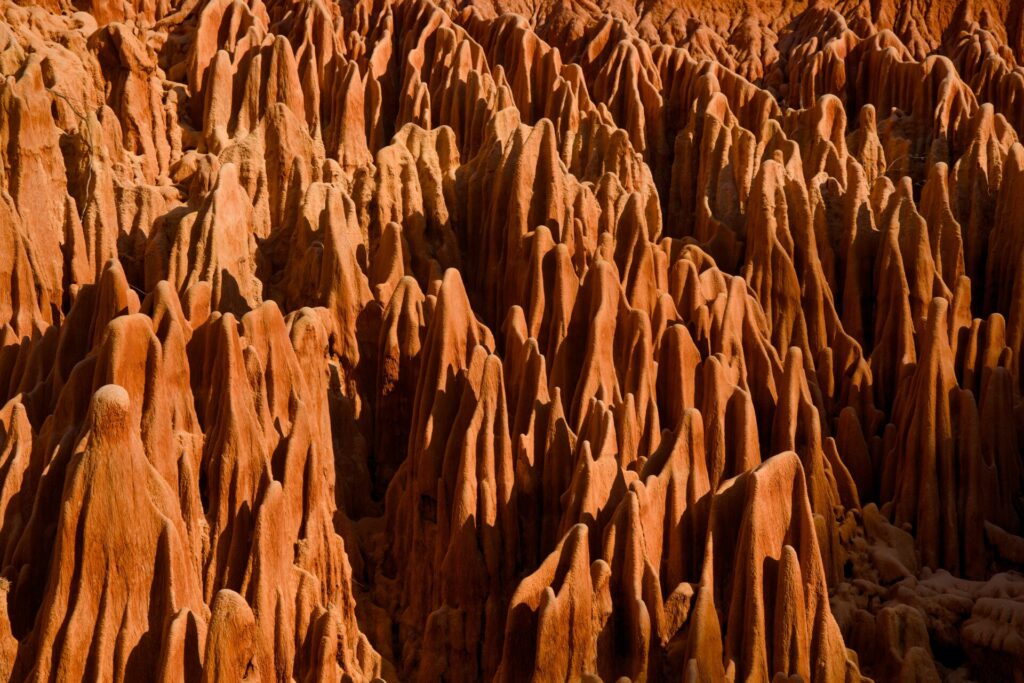
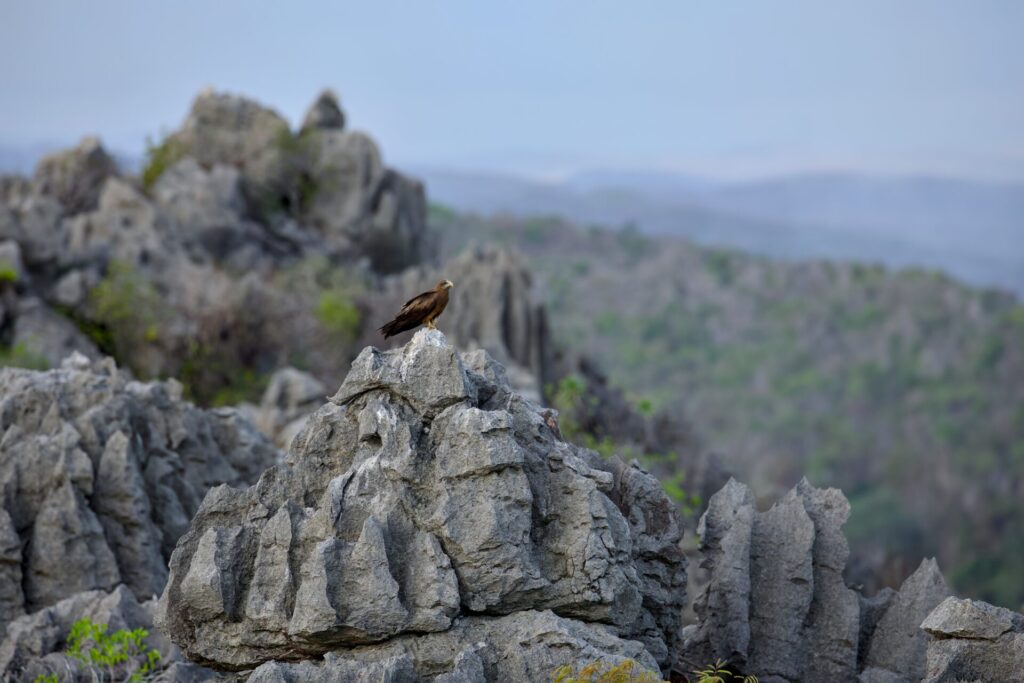
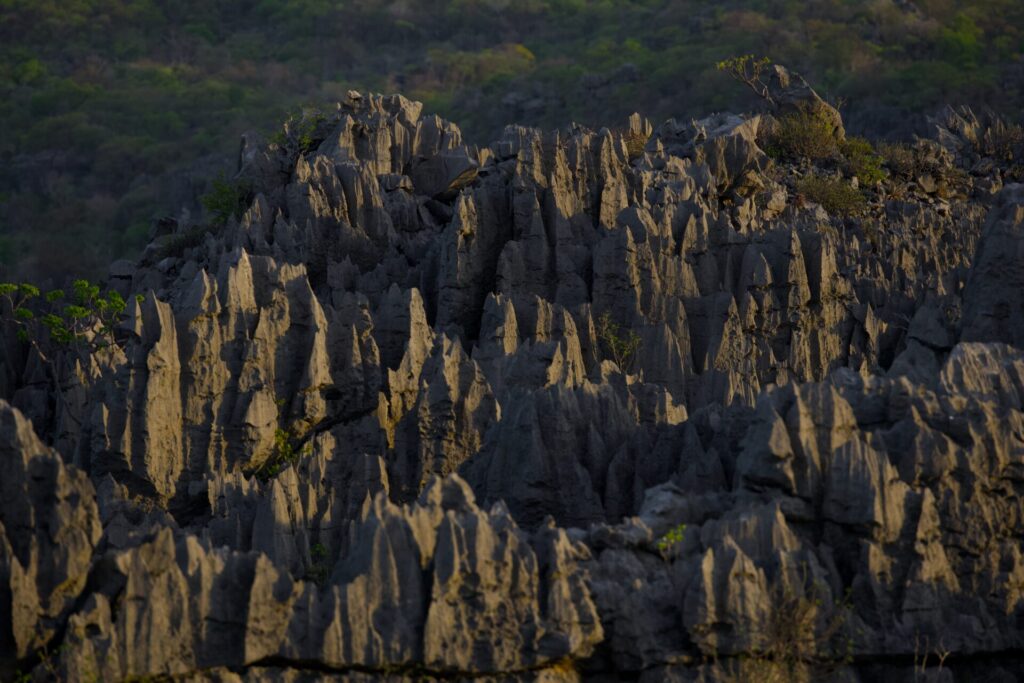
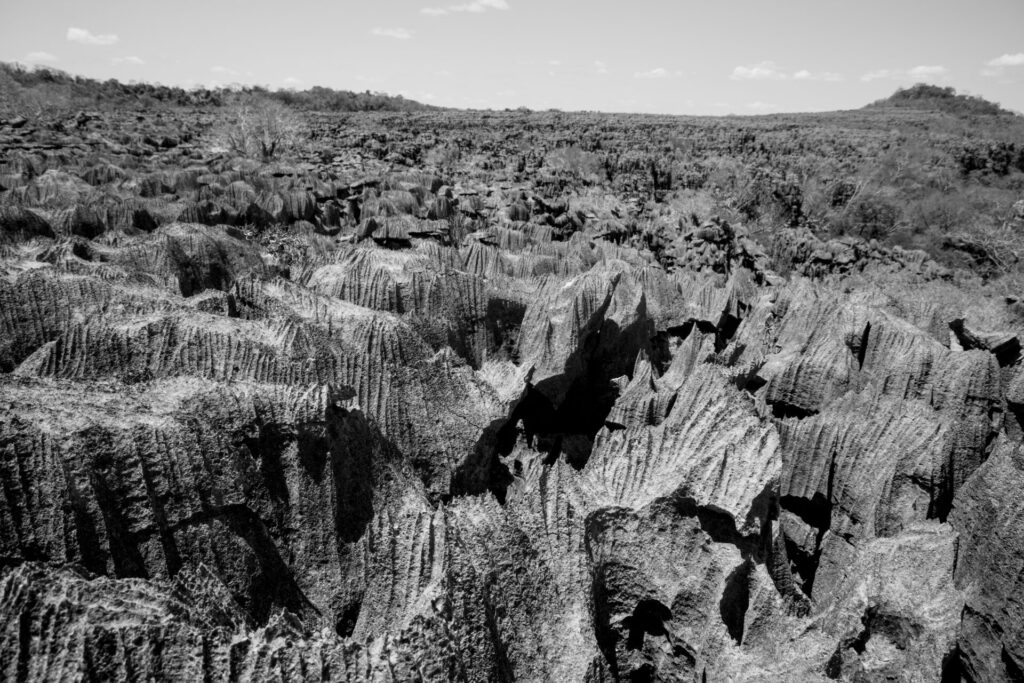
When people think of Madagascar, they often think of the Tsingy. On this expedition, we visit not only the famous limestone pinnacles of Tsingy, but also the striking Red Tsingy.
Beyond exploring these extraordinary landscapes, we actively search for wildlife adapted to this unique environment. Participants will have the opportunity to photograph both the dramatic formations and the species that inhabit them, capturing a side of Madagascar found nowhere else on Earth.
- Highlights⑤
-
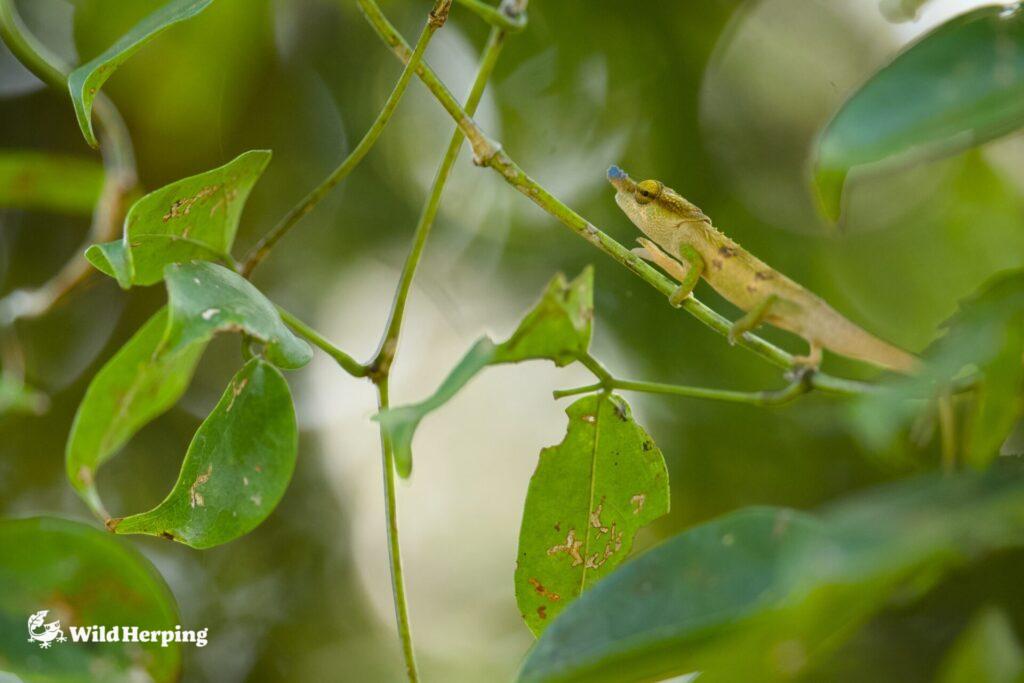
Chameleons & Iconic Malagasy Reptiles
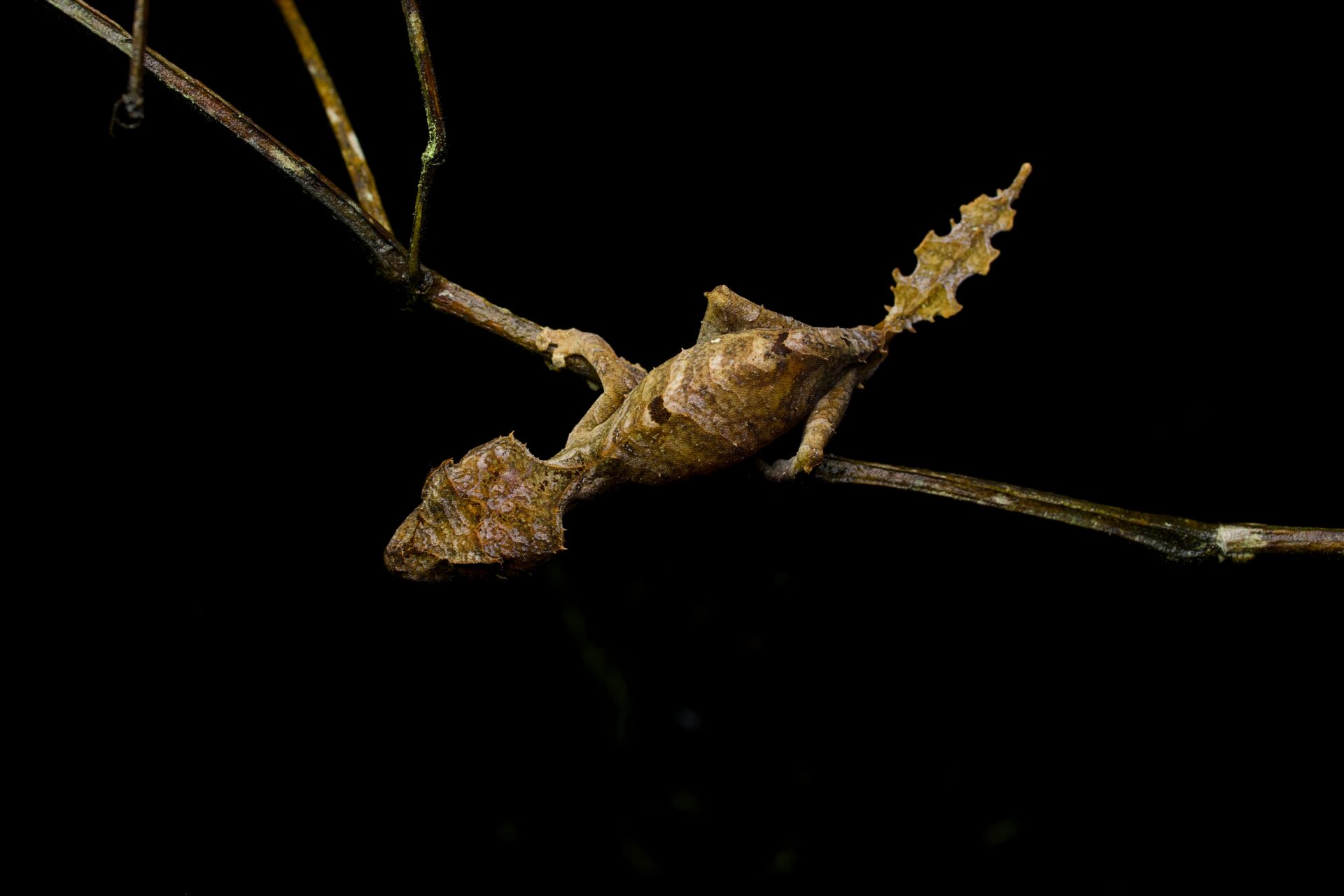
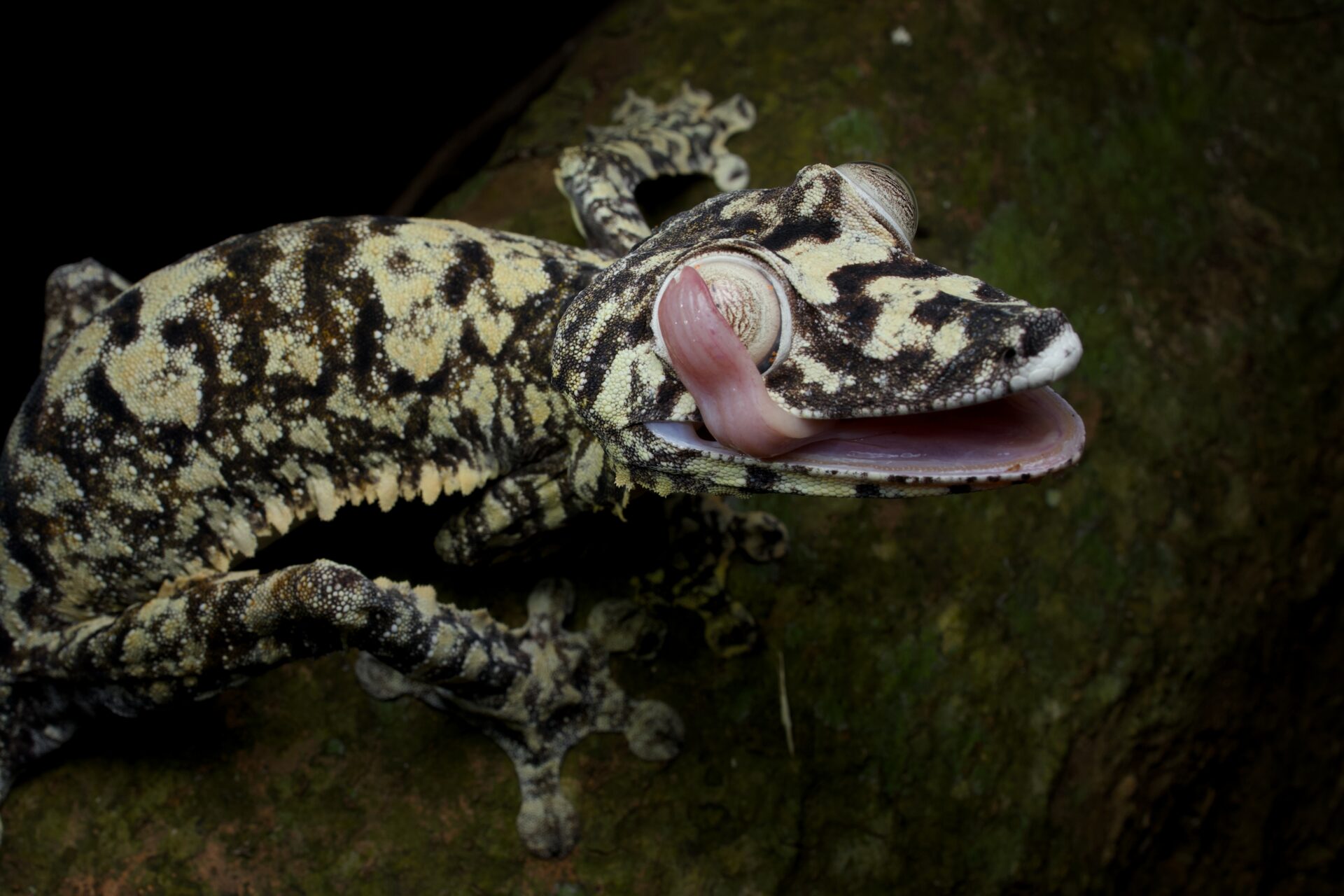
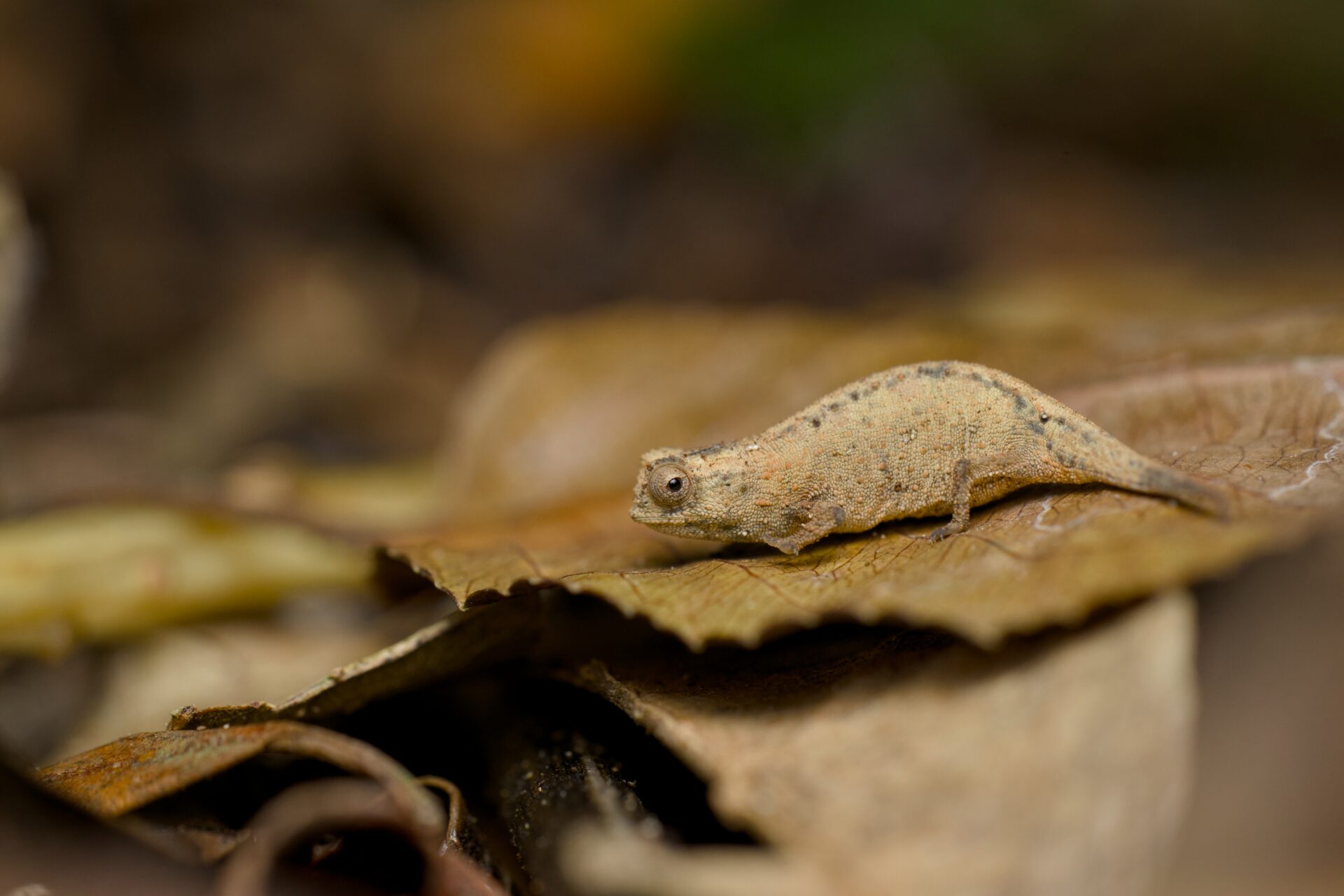
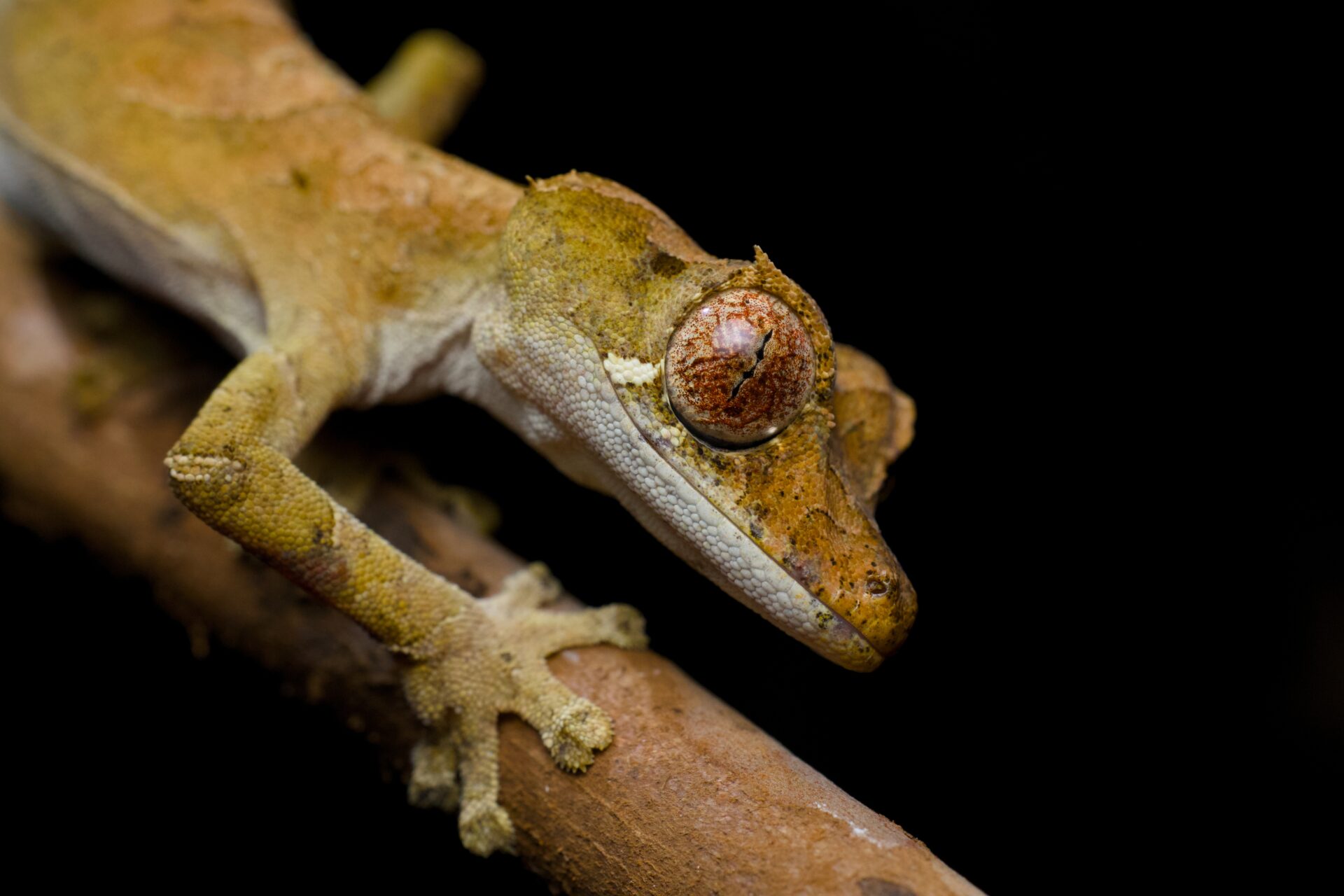
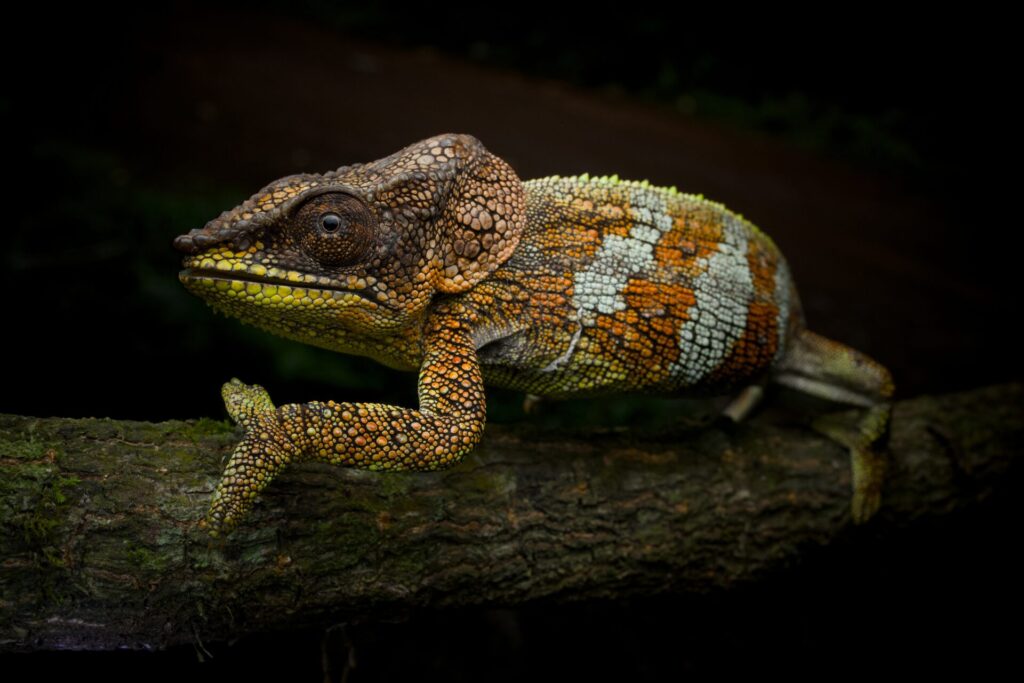
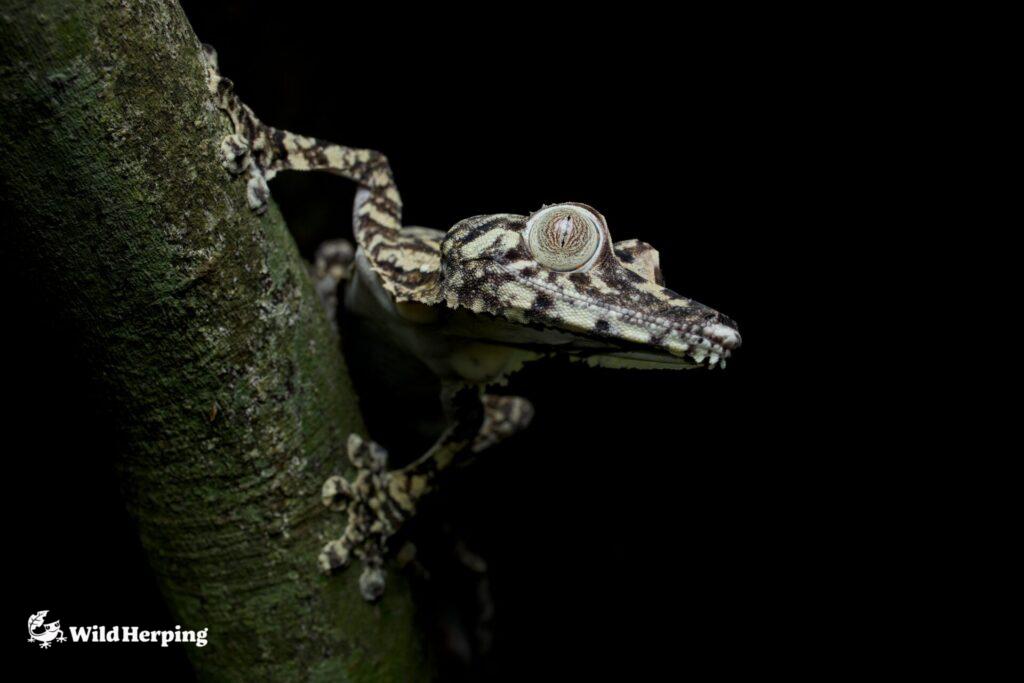
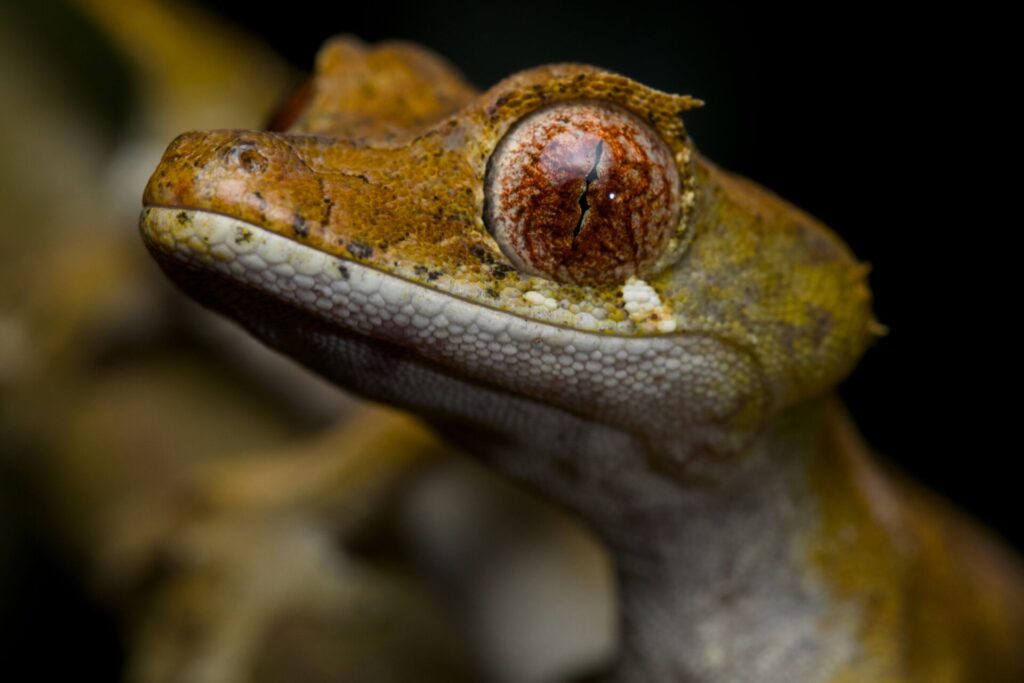
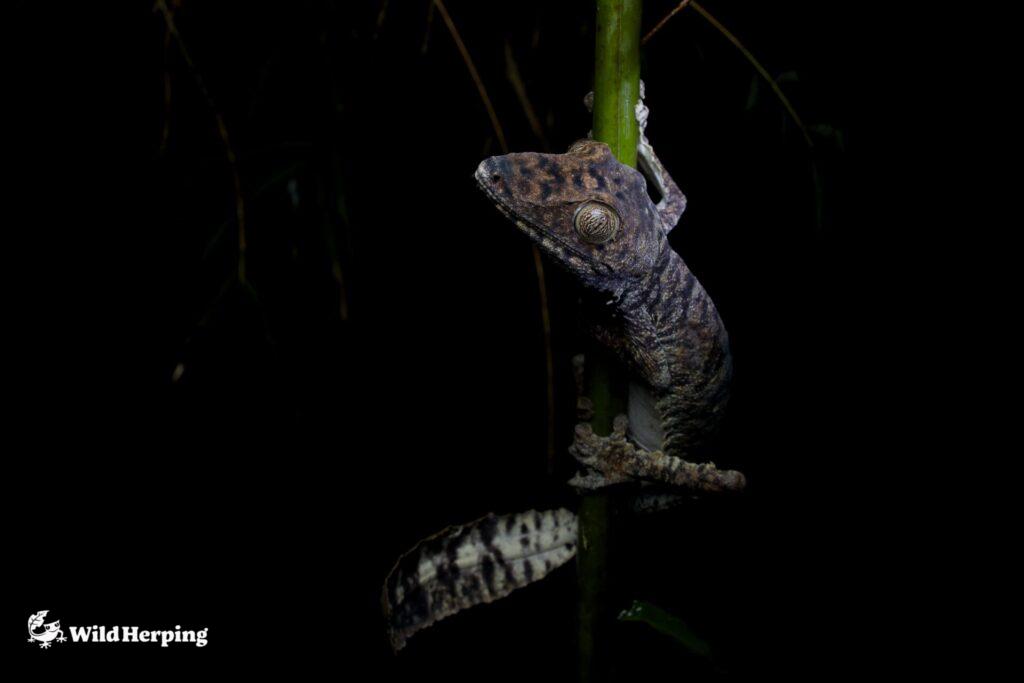
Madagascar’s unique reptiles, including chameleons and leaf-tailed geckos, are an essential highlight of this expedition. We visit habitats of more than seven species of leaf-tailed geckos, searching for these masters of camouflage in their natural environments.
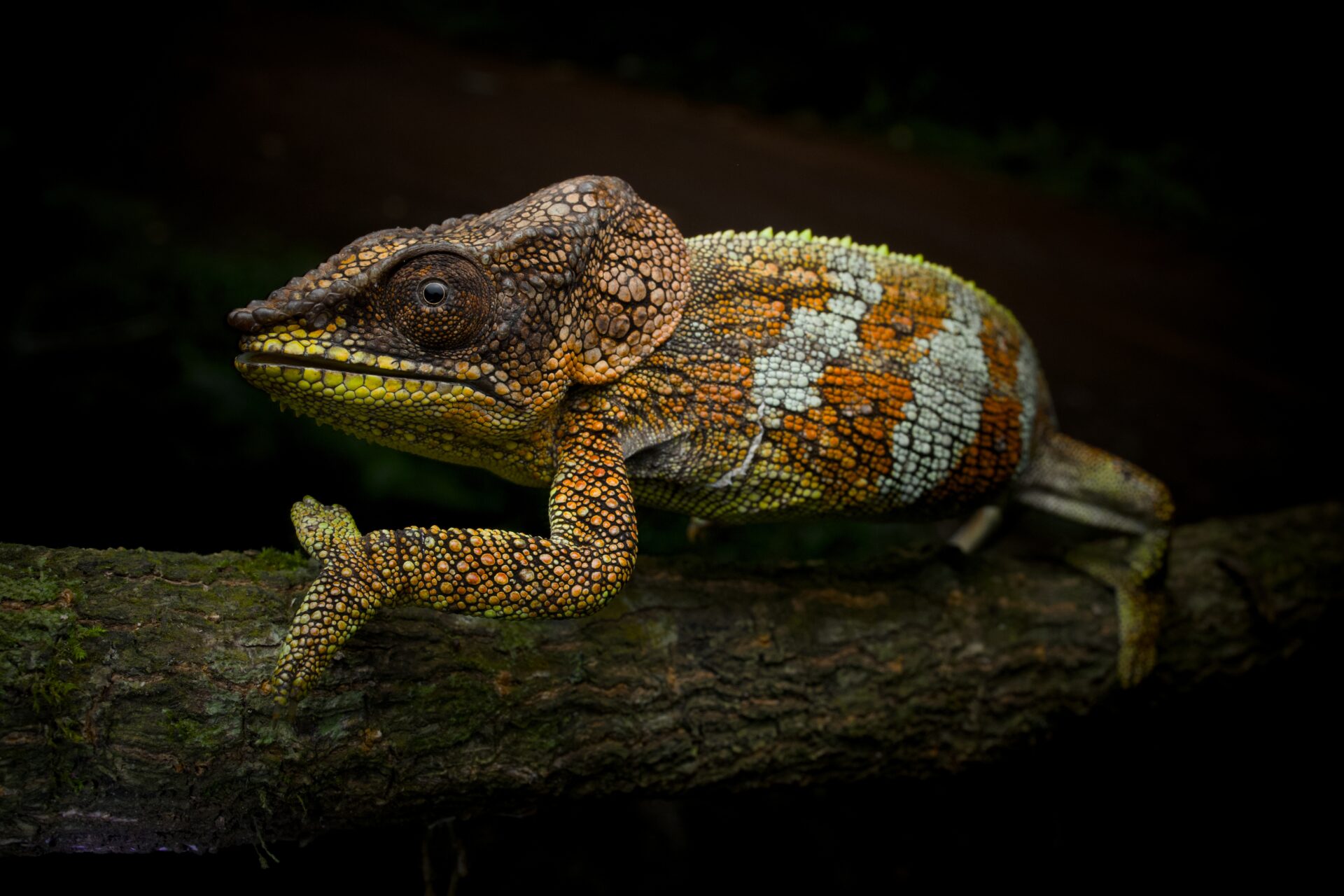
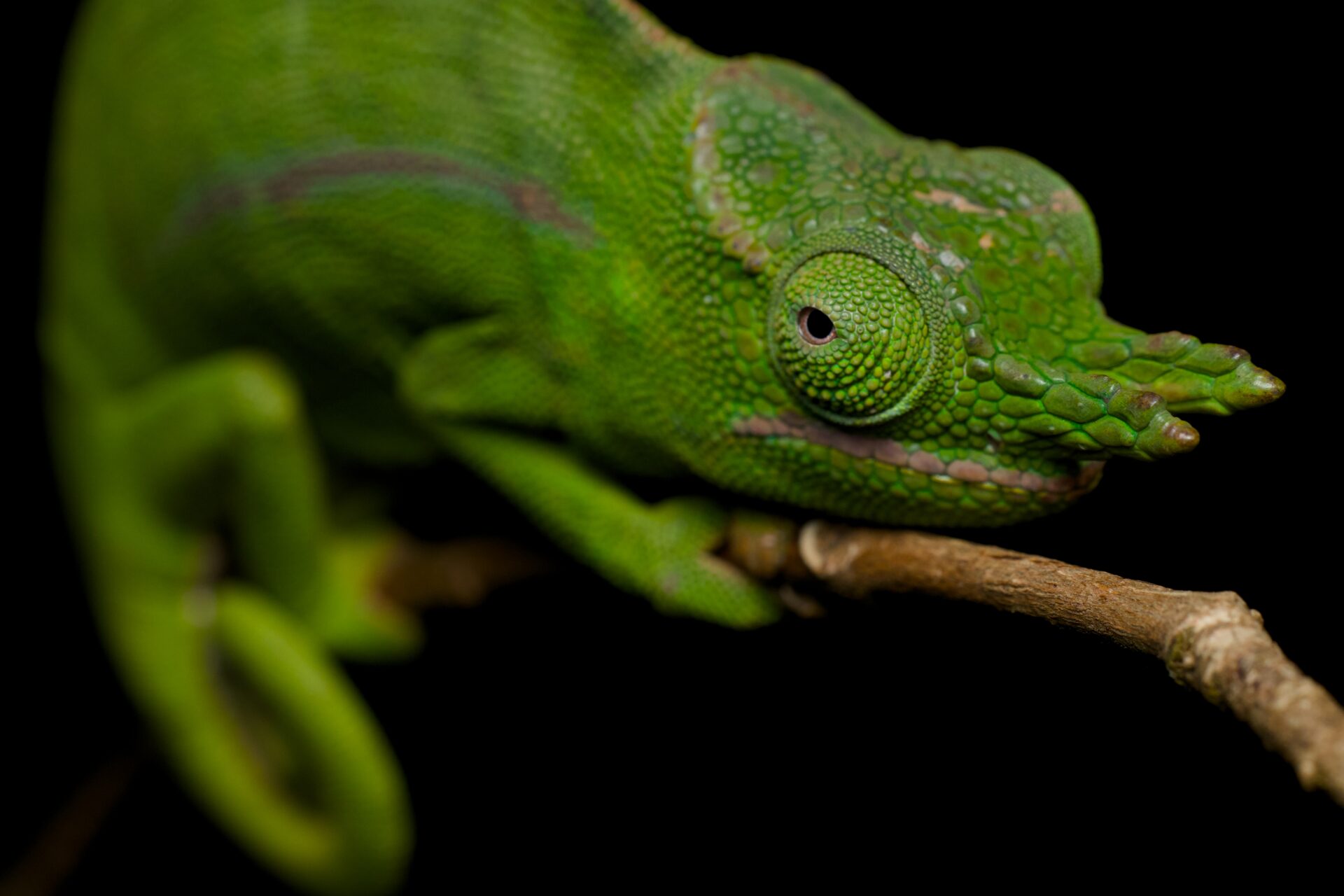
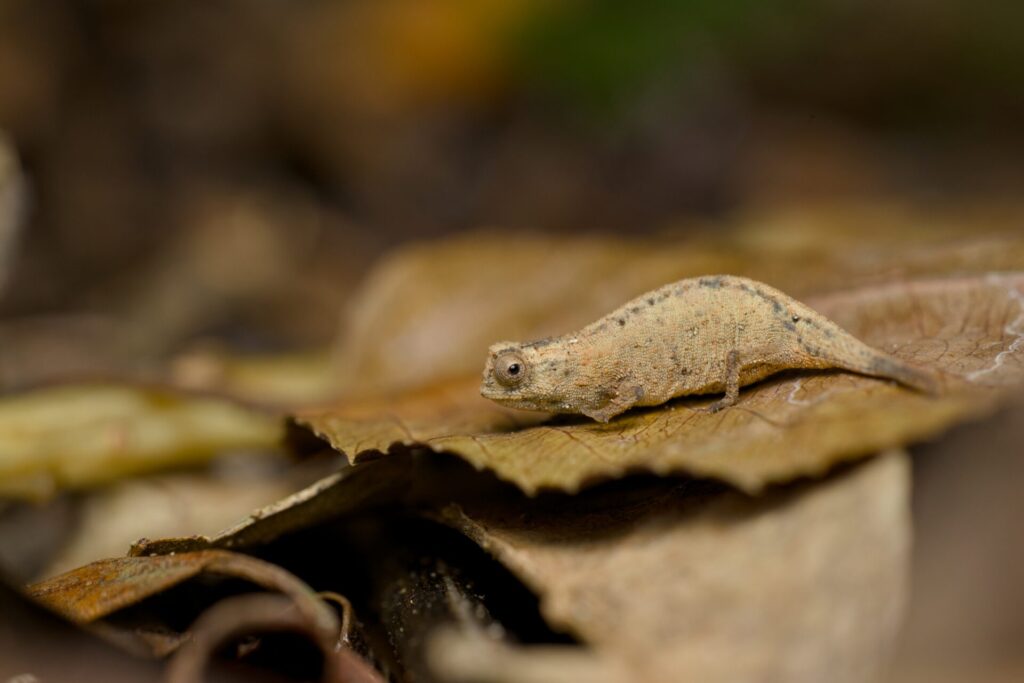
Our chameleon encounters include a wide range of species, from my personal favorite, the Blue-nosed Chameleon, to the tiny Brookesia tuberculata, one of the world’s smallest chameleons. We also observe the spectacular Panther Chameleon across multiple regions, where individuals display extraordinary color variations—orange, green, pink, and even the so-called “Picasso” morphs, named for their painterly, multicolored patterns.
With guidance from experienced handlers, participants may also have the opportunity to photograph rare behaviors, such as chameleons actively feeding, capturing dynamic scenes that are rarely seen or photographed in the wild.
- Highlights⑥
-
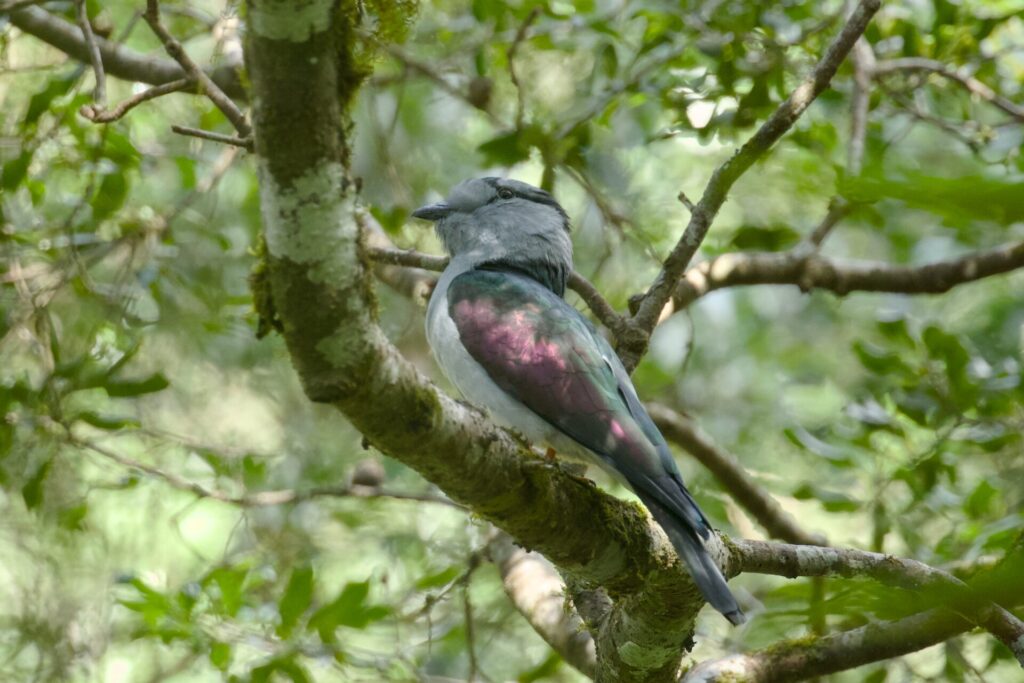
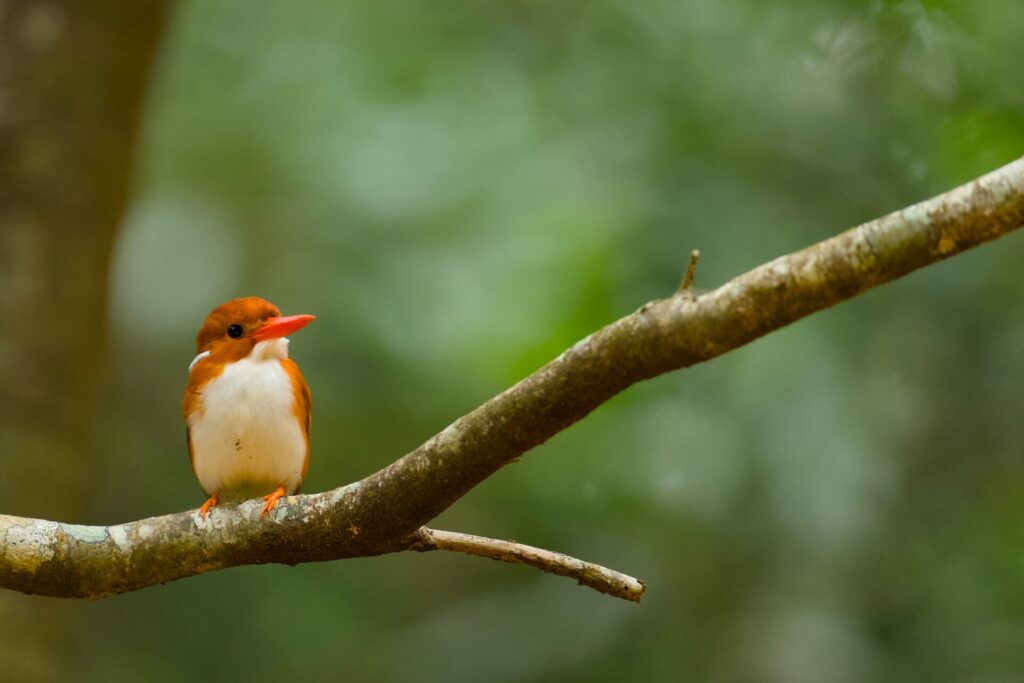
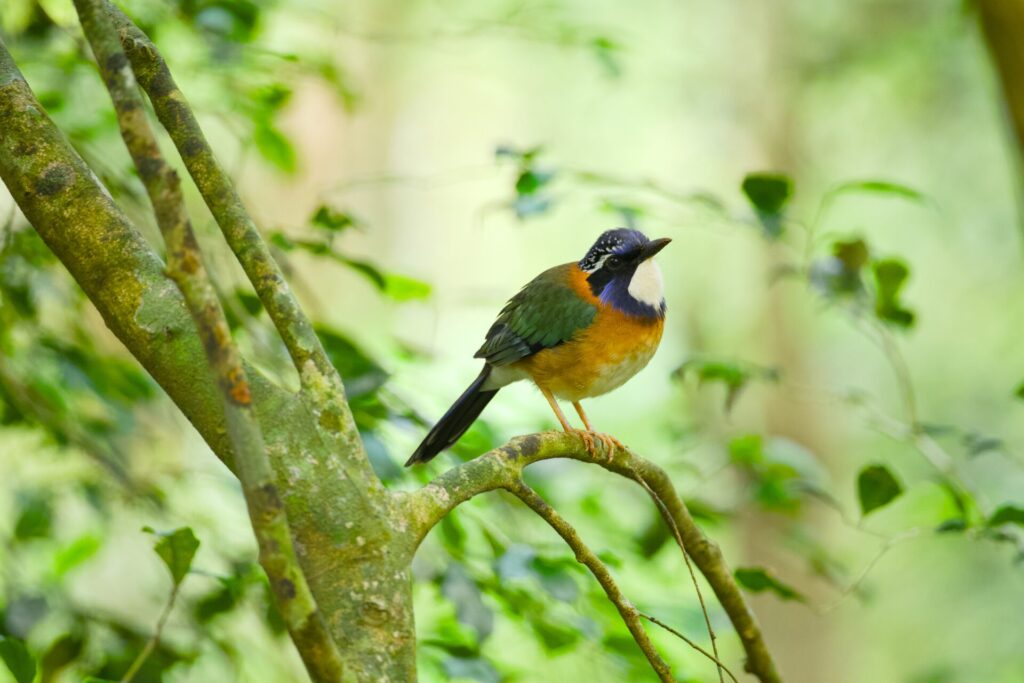
Birdwatching Highlights
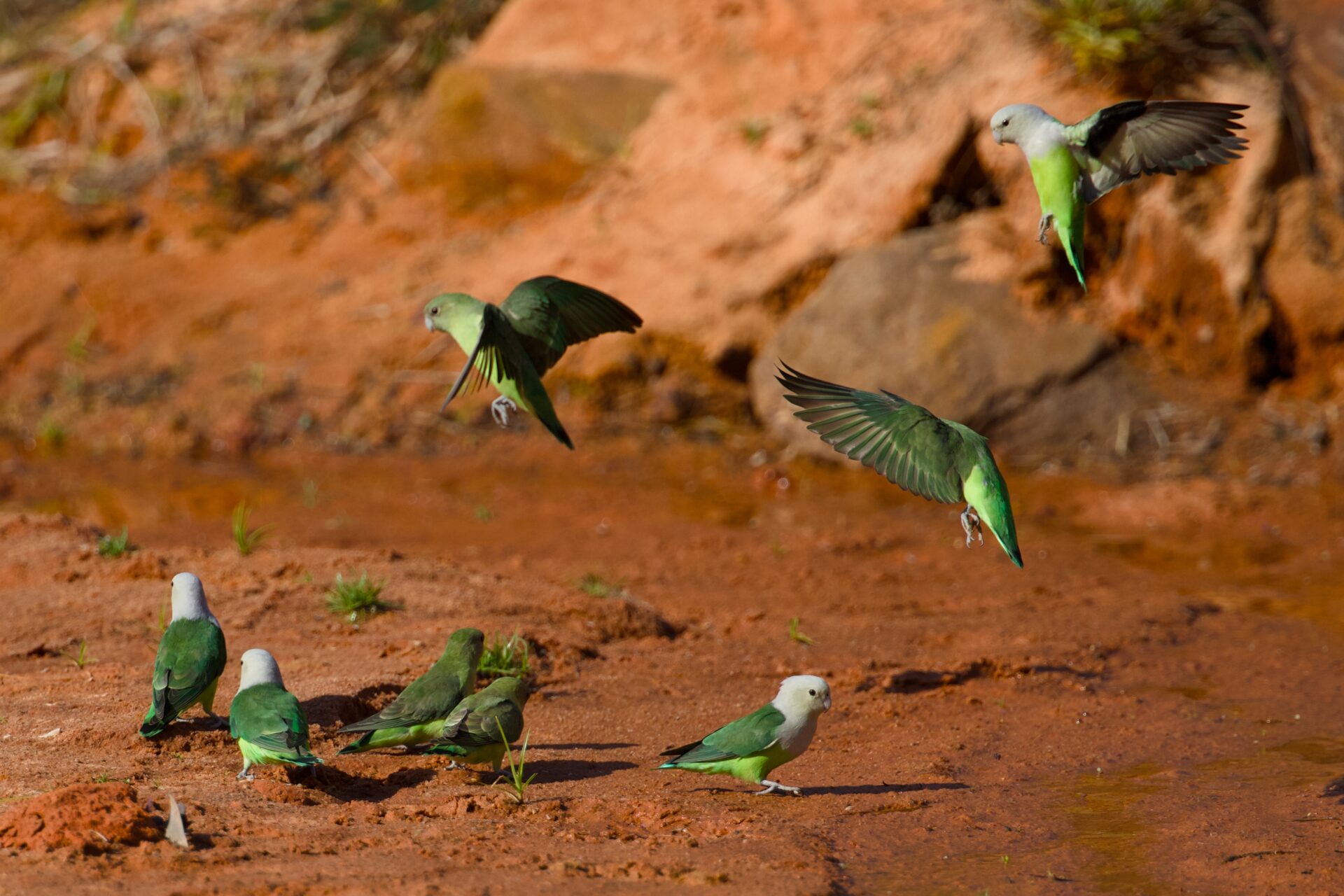
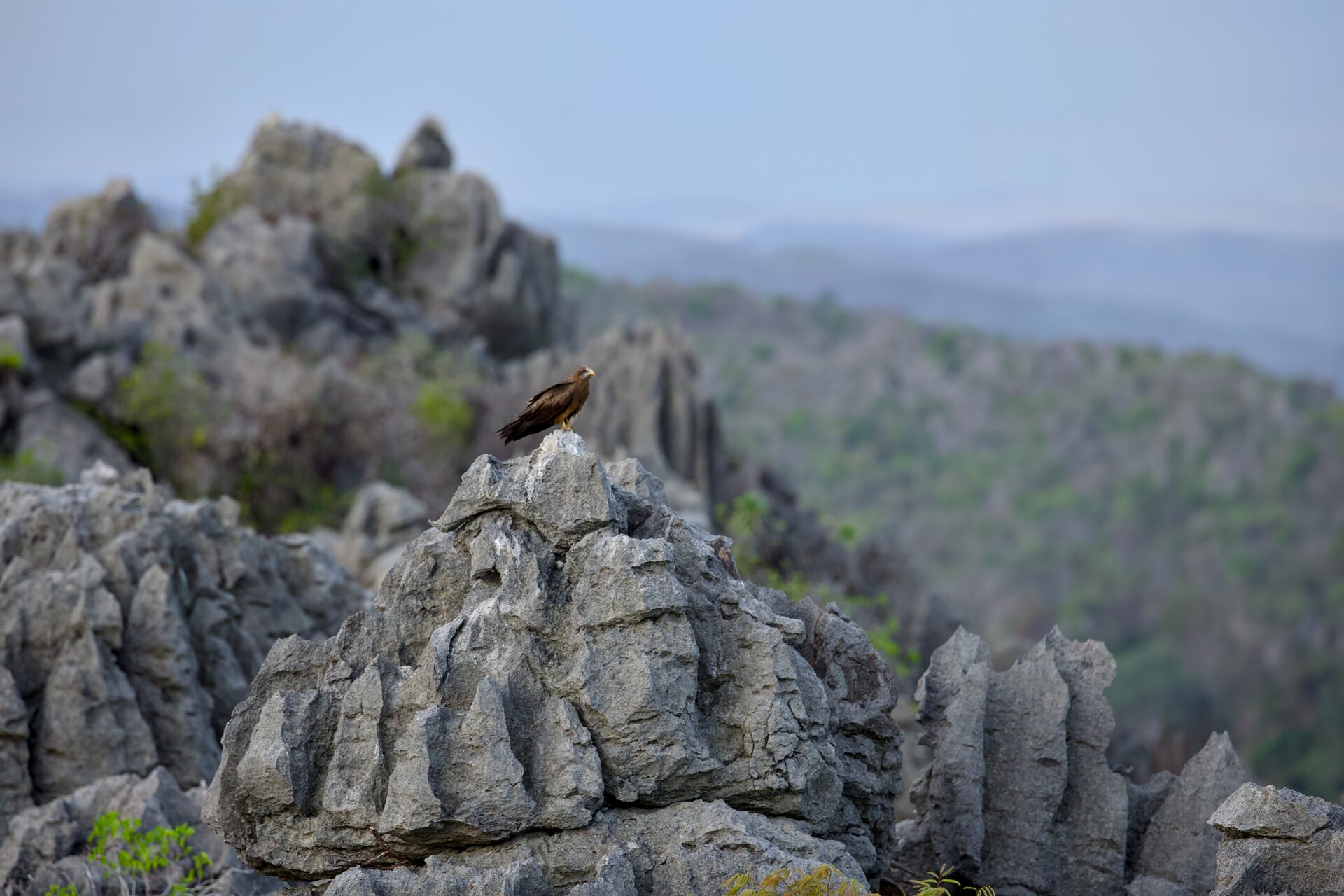
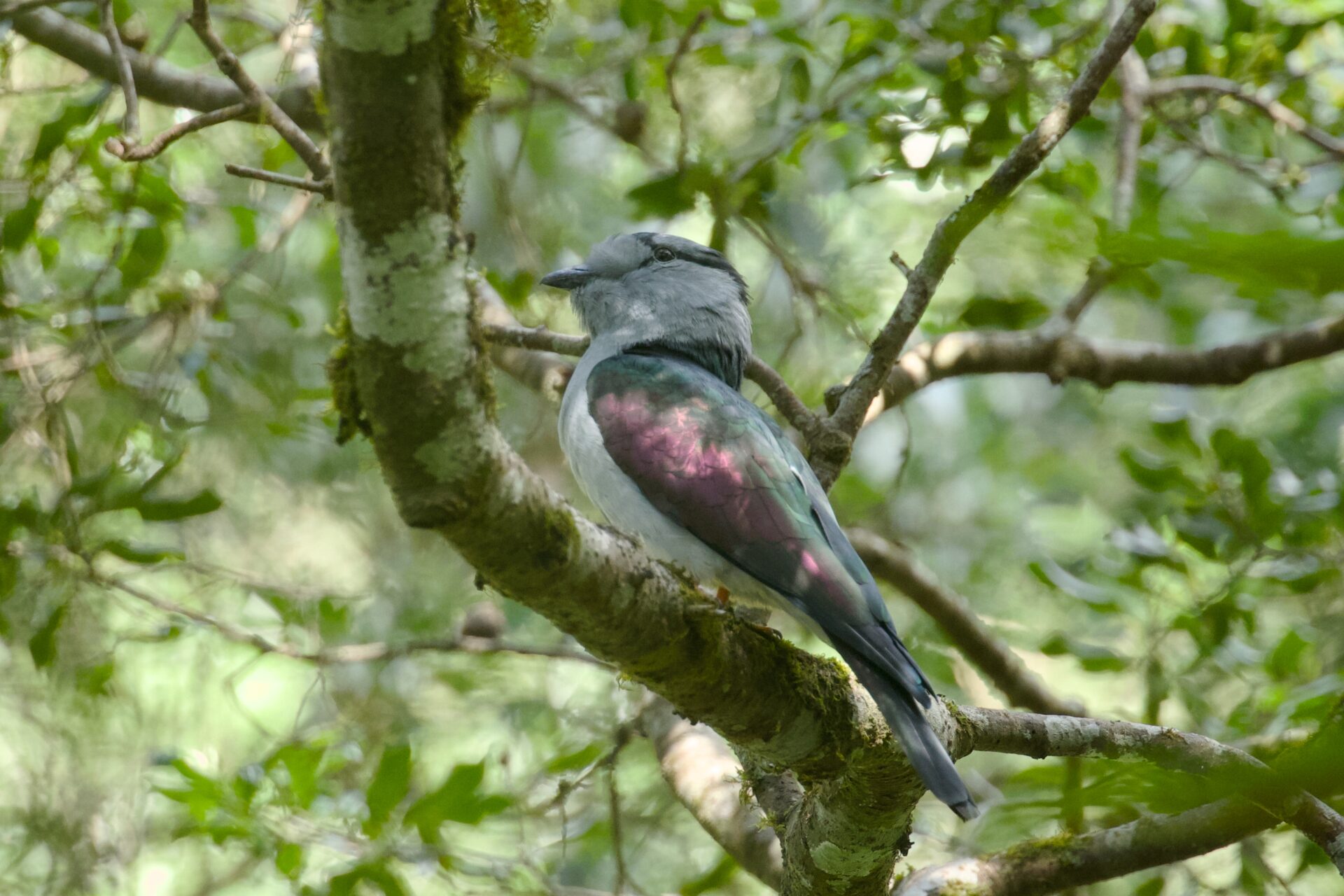
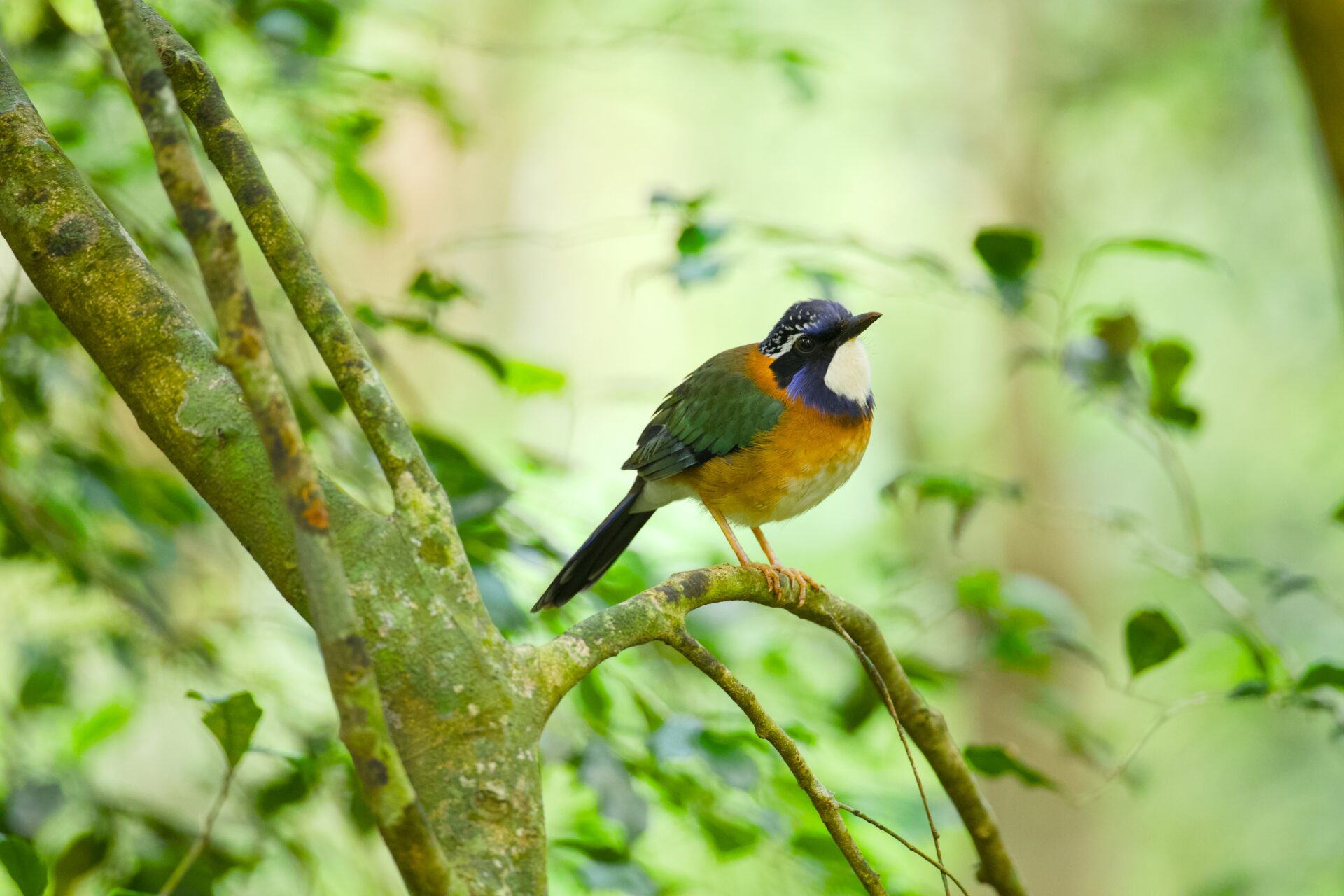
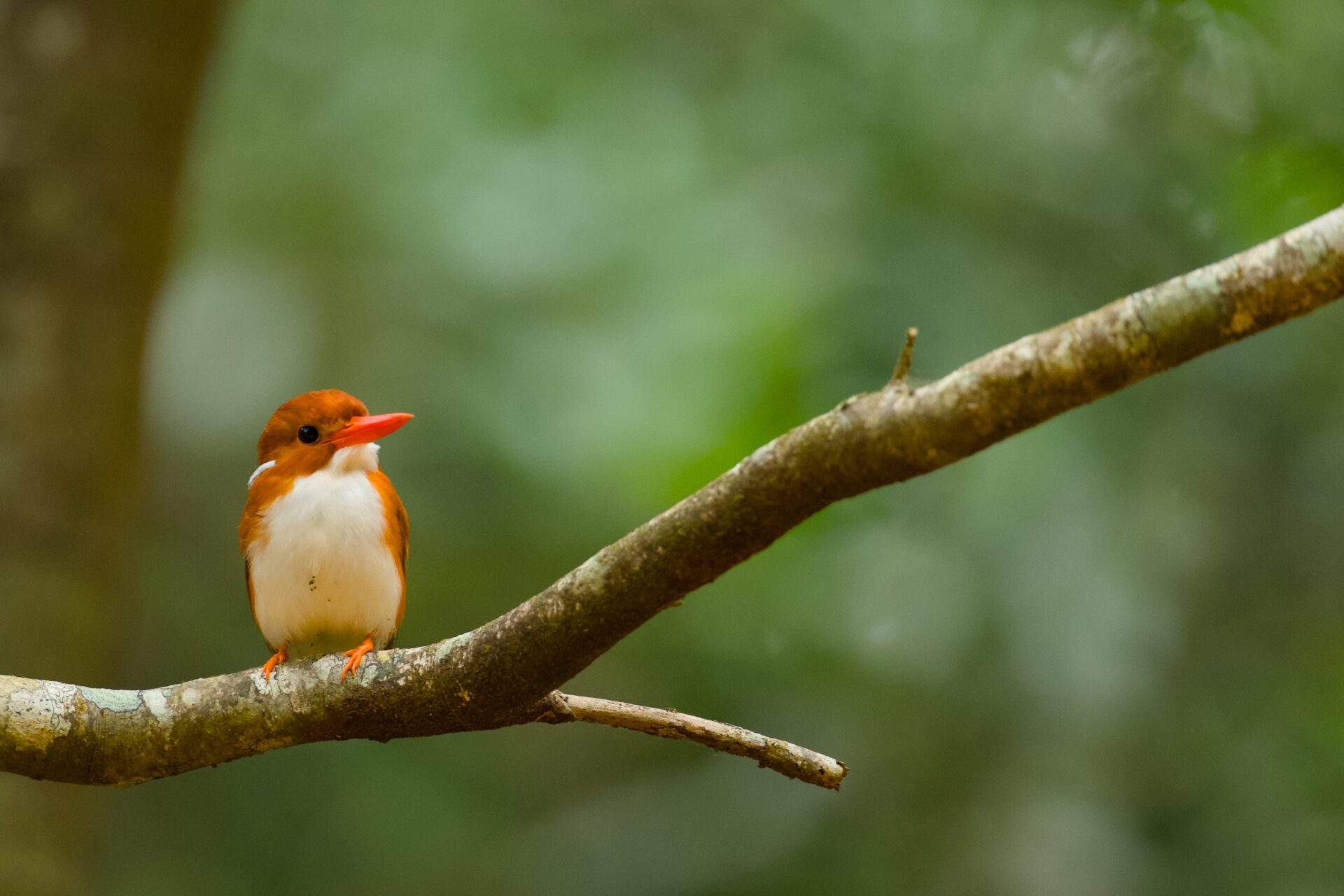
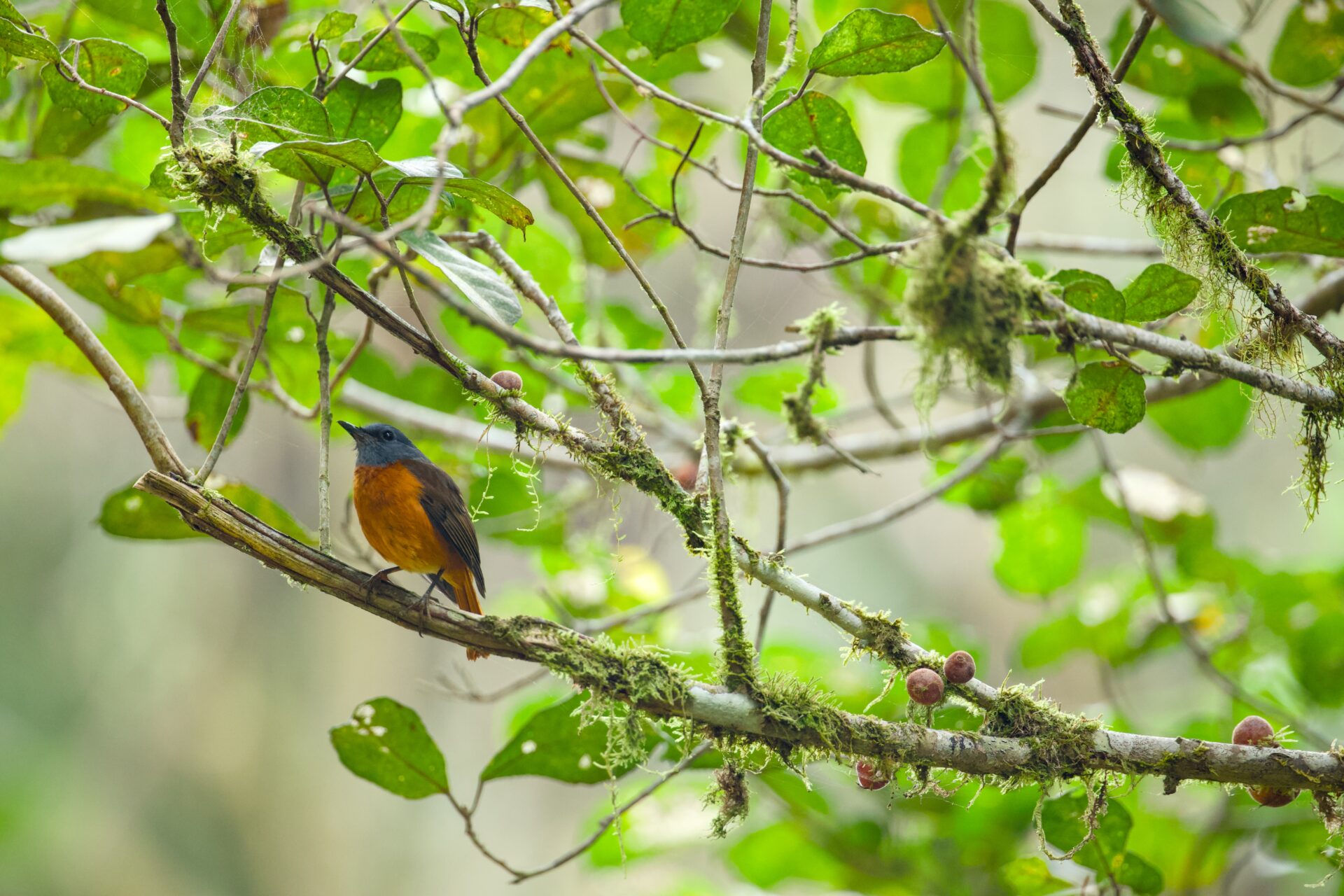
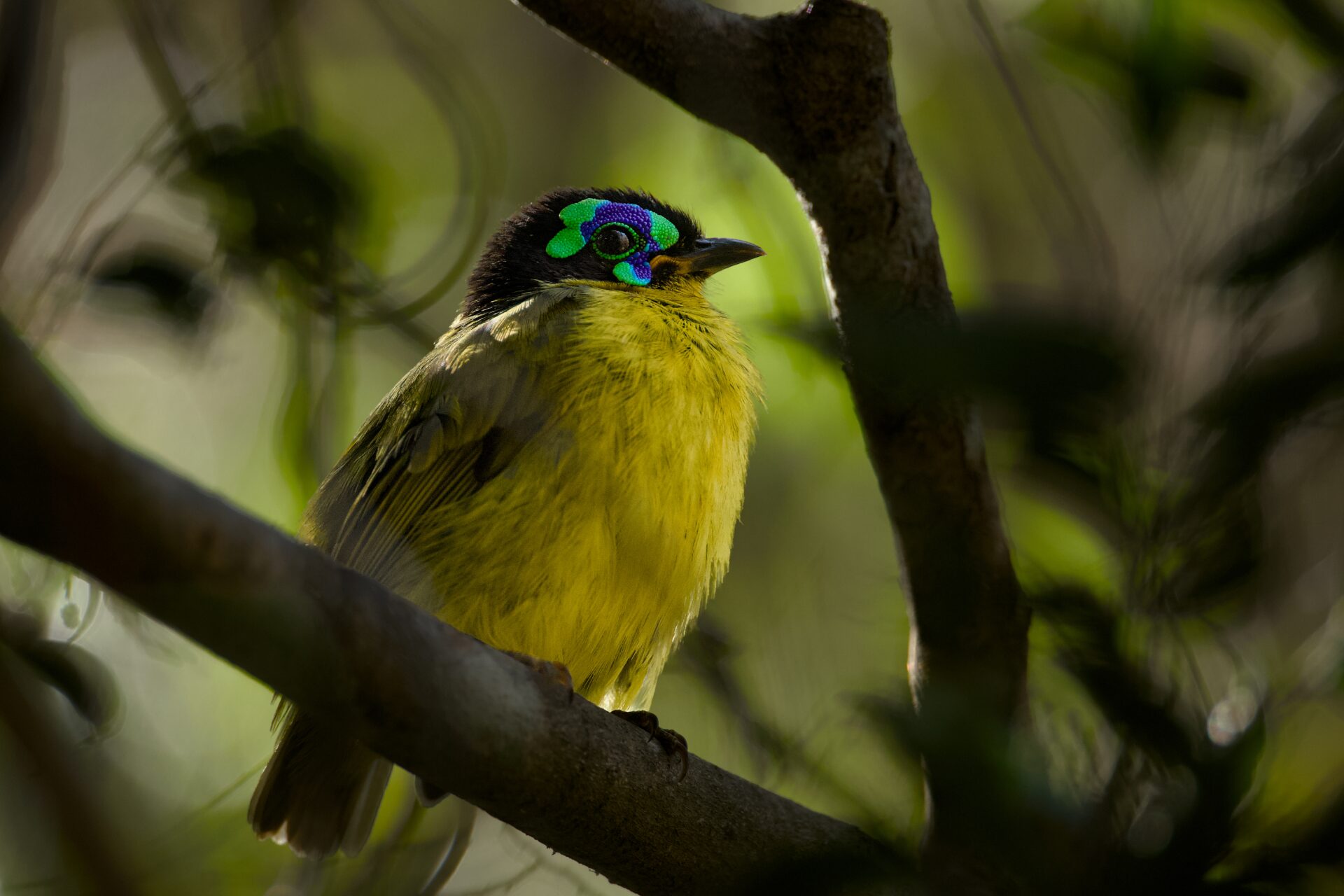
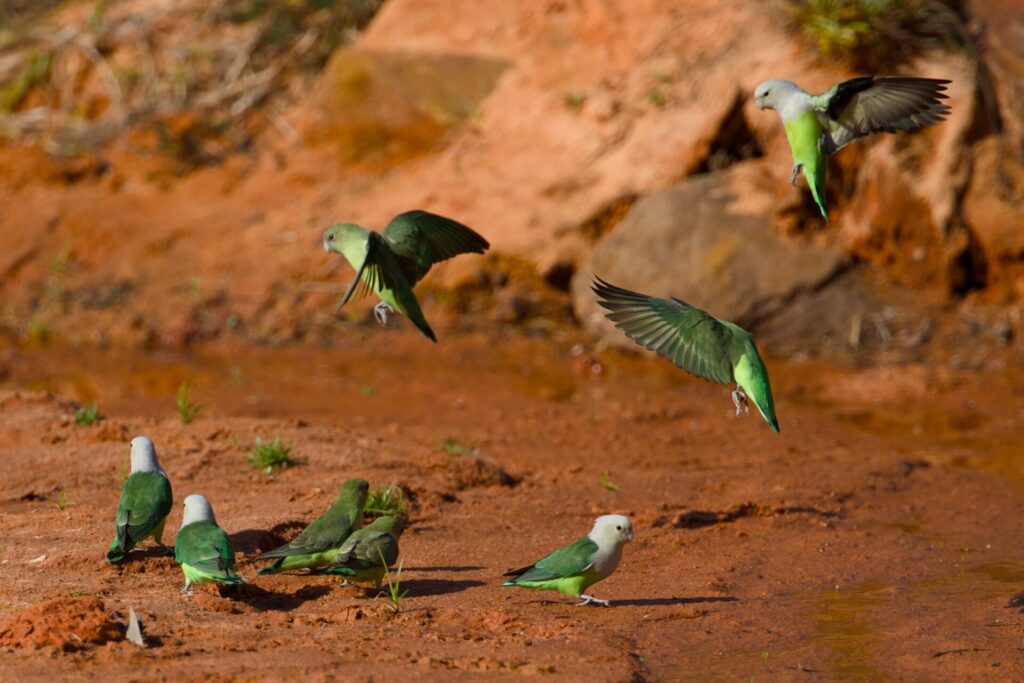
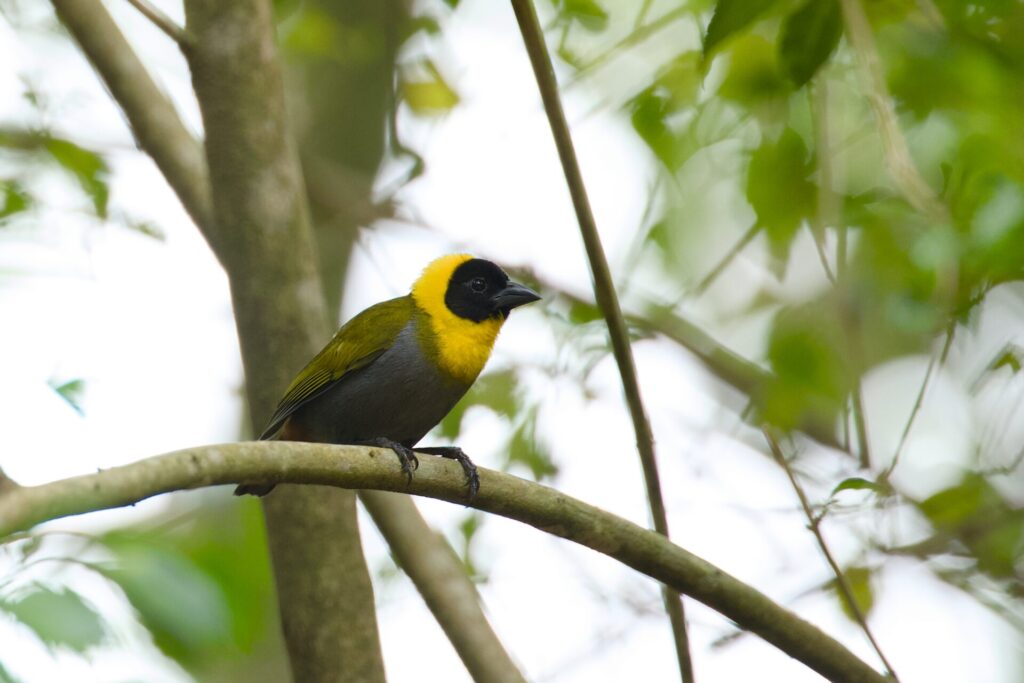
Observing Madagascar’s beautiful birdlife is an essential part of this expedition. One of the main highlights is the Short-legged Ground Roller, whose males display striking and unusual patterns around the eyes—an unforgettable sight for anyone fortunate enough to see it.
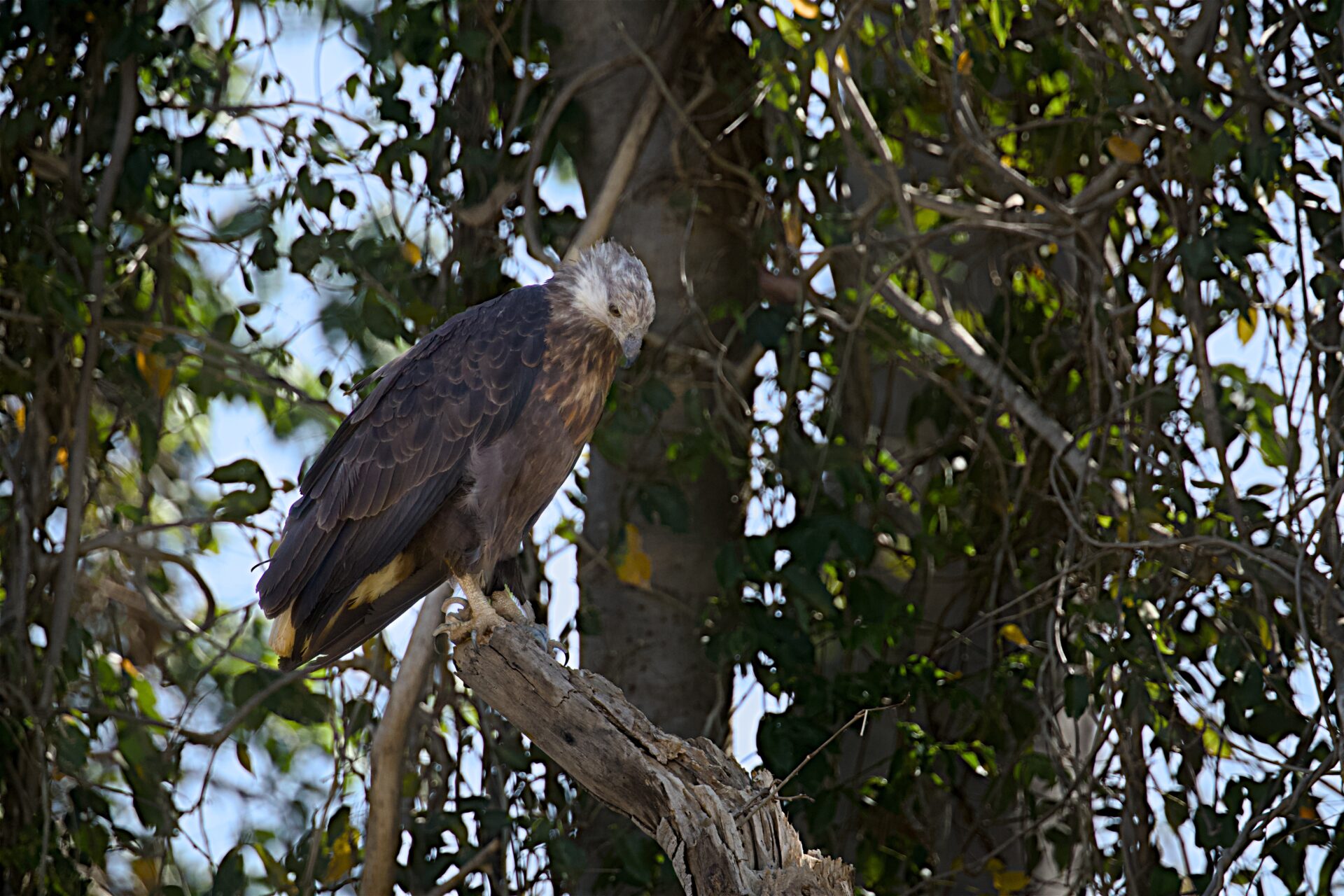
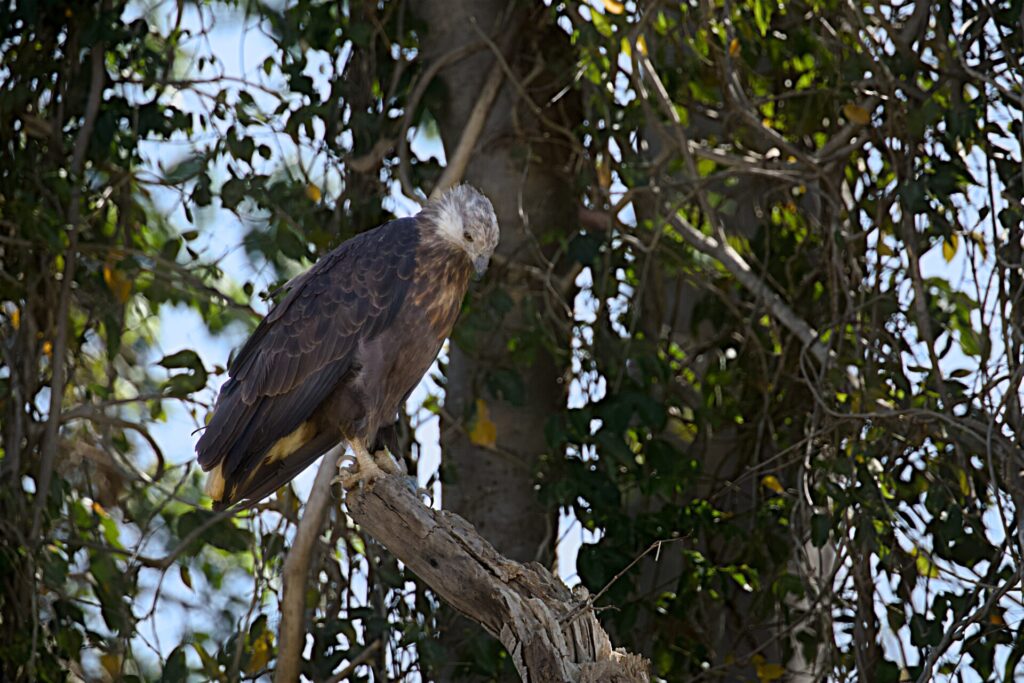
We also search for one of the world’s rarest birds of prey, the Madagascar Fish Eagle, which is both an endangered species and the national bird of Madagascar. Encounters with these iconic birds offer a rare opportunity to experience the island’s unique avian diversity.
【Group tour】Small Group Nature Photography Expedition to Madagascar


関連記事
-
 【scheduled-on-request tour】Kyoto 1-Day Herping Tours
 -
 【Group tour】Southern Japan Herping Expedition
 -
 【scheduled-on-request tour】Herping Japan|Okinawa Herping Expedition
 -
【scheduled-on-request tour】Herping Japan|Honshu Herping Expedition(Tokyo, Osaka, Hiroshima,,,etc)
-
【Group tour】Madagascar Birdwatching Expedition|Where Birds Evolved in Isolation
-
【Group tour】Madagascar Rare Wildlife Expedition | Discover Unique Creatures of the Northeastern Rainforest

_250721_1-300x200.jpg?v=1766809847)


