
In this installment, following our previous report, I would like to introduce the avian species we observed on the Tibetan Plateau.
Birds of the Tibetan Plateau
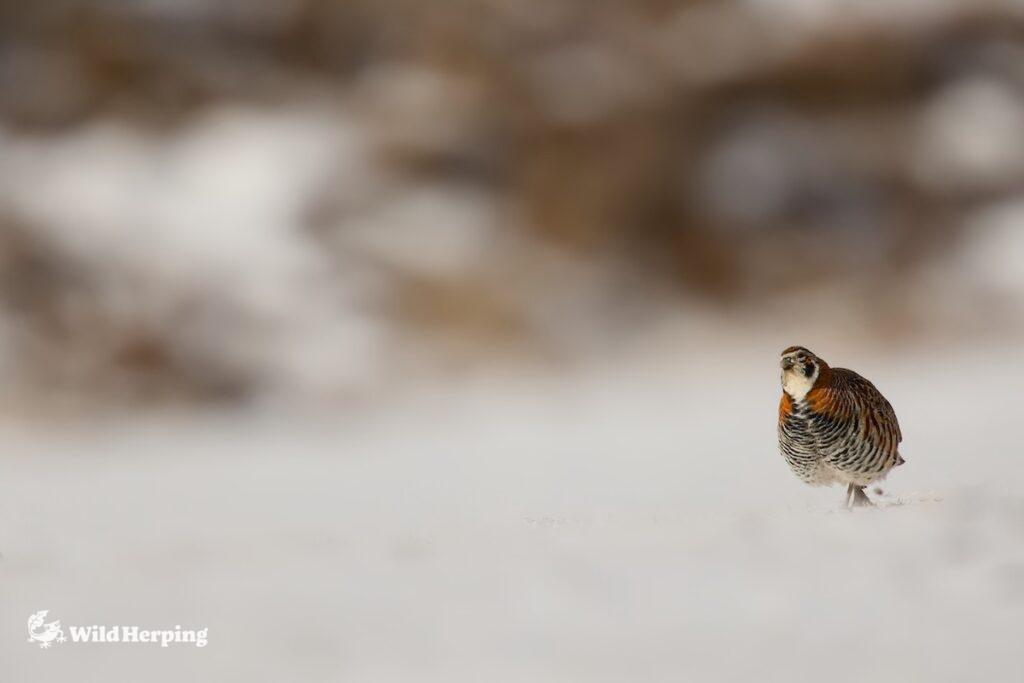
- Tibetan Partridge (Perdix hodgsoniae) Huddled on the snow, they look exactly like rocks, making them incredibly difficult to spot from a distance. However, they are quite numerous and could be observed in various locations.
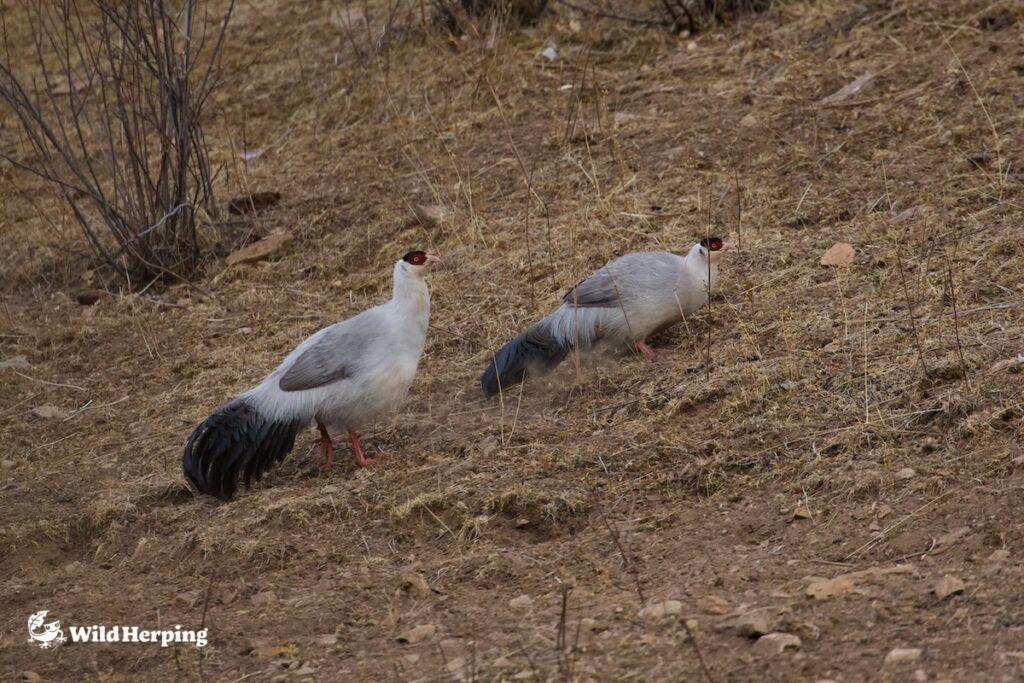
- White Eared Pheasant (Scientific name: Crossoptilon crossoptilon) In the evening, I encountered a flock of about 40 at the foot of a mountain. Their white plumage stood out beautifully against the snowless slopes.
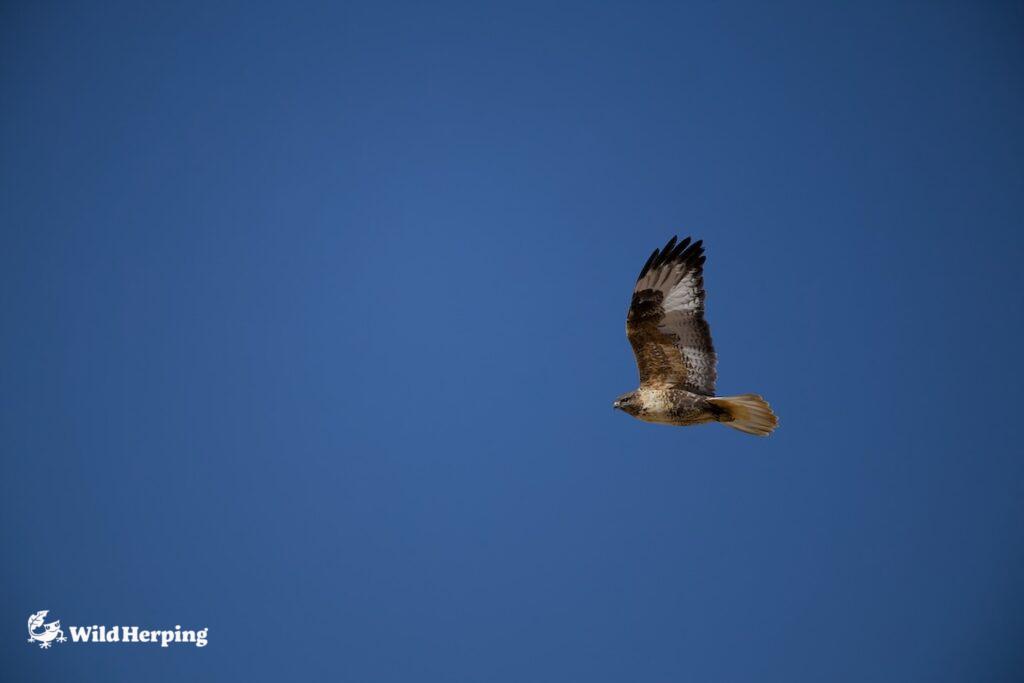
- Upland Buzzard (Scientific name: Buteo hemilasius) These were seen everywhere. I even came across an individual successfully preying on a pika.
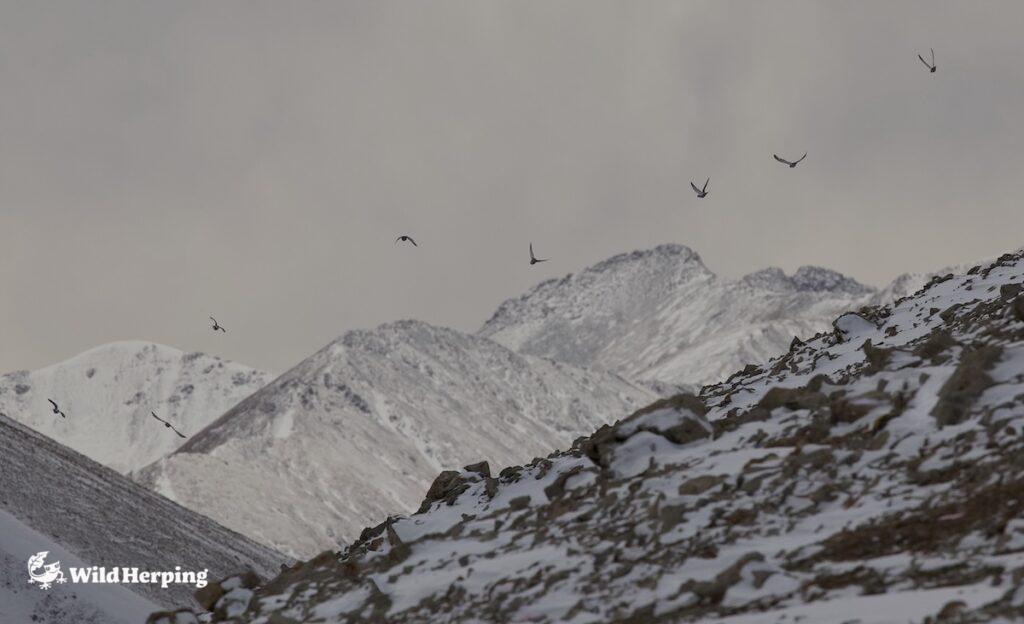
- Snow Pigeon (Scientific name: Columba leuconota) At first glance, they resemble common Rock Pigeons, but upon closer inspection, their patterns are distinct. Seeing them fly in flocks against the snowy landscape was truly breathtaking.
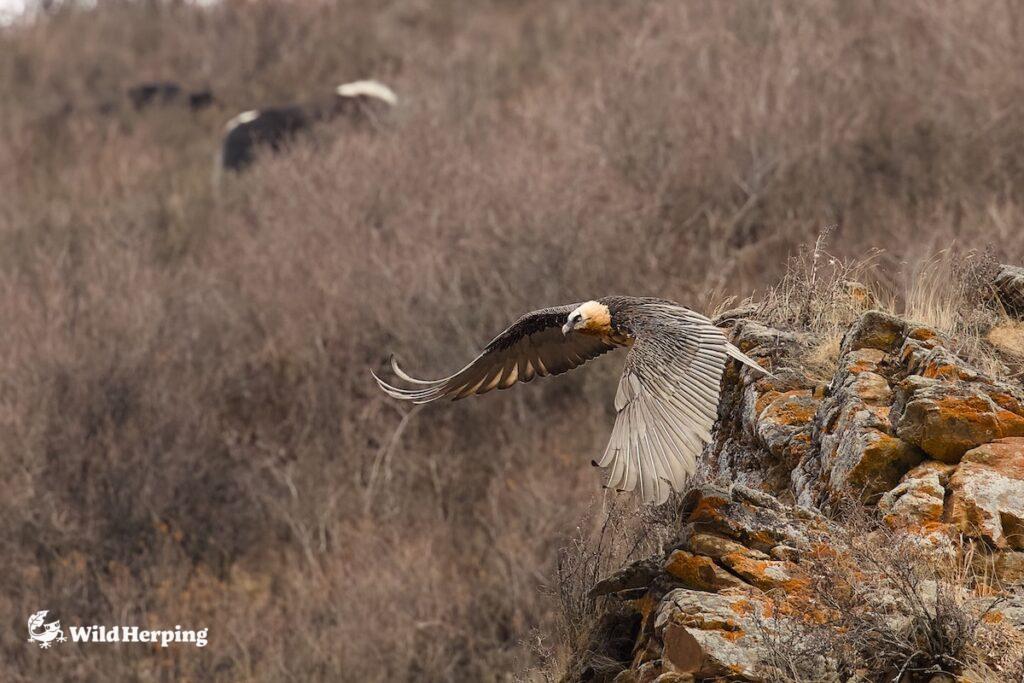
- Bearded Vulture / Lammergeier (Scientific name: Gypaetus barbatus) A bird that feeds primarily on bones; it can only survive in environments with a rich and healthy ecosystem. Due to their exceptionally long lifespans, they are revered by the local people.
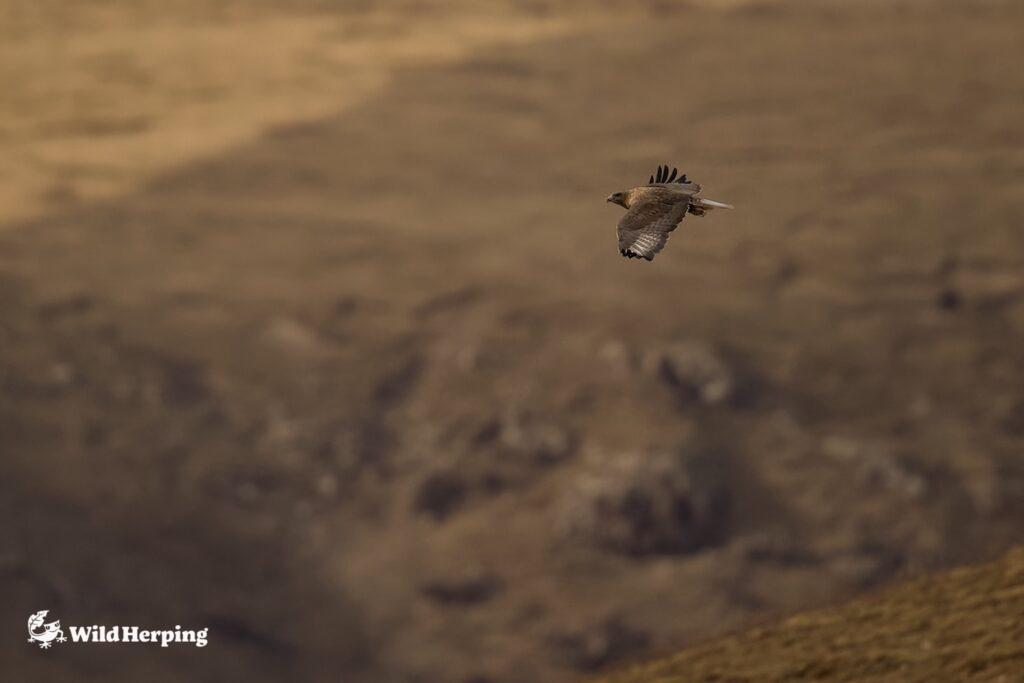
- Himalayan Buzzard (Scientific name: Buteo burmanicus) Sometimes classified as a subspecies of the Common Buzzard, its taxonomic positioning seems to be quite nuanced.
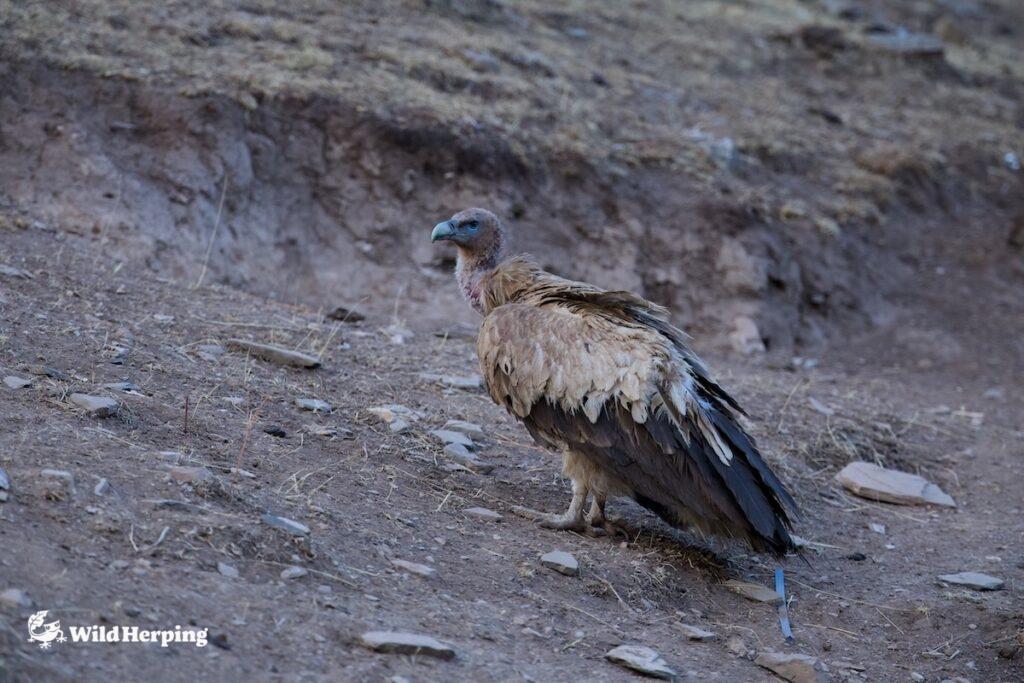
- Eurasian Griffon Vulture (Scientific name: Gyps fulvus) I happened upon a group scavenging the carcass of a Blue Sheep.
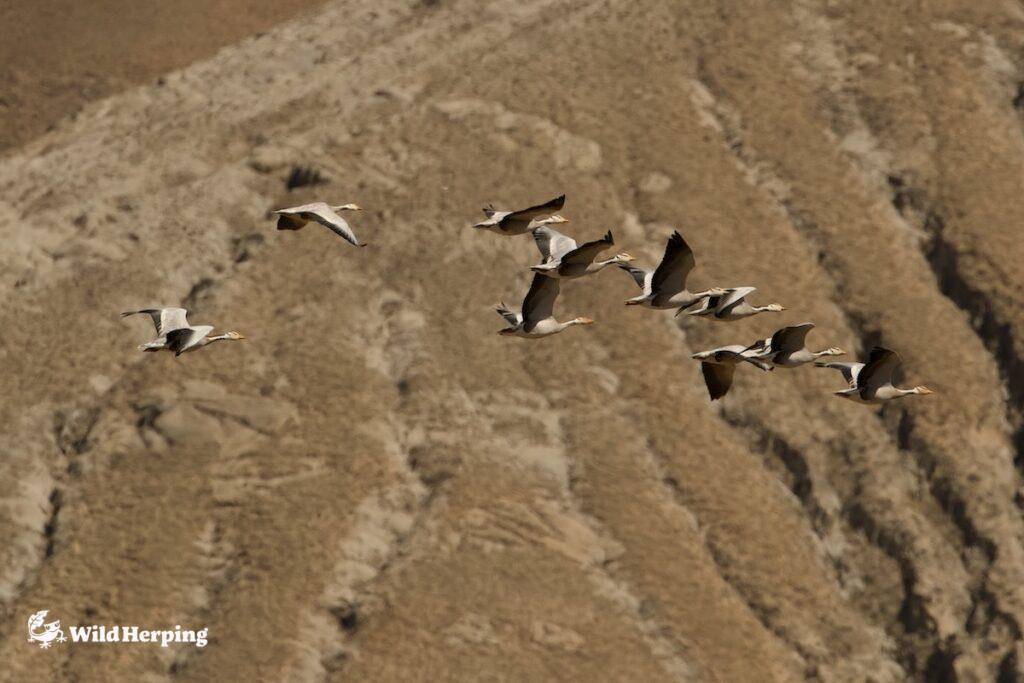
- Bar-headed Goose (Scientific name: Anser indicus) Many were observed in the empty fields during the peak of winter.
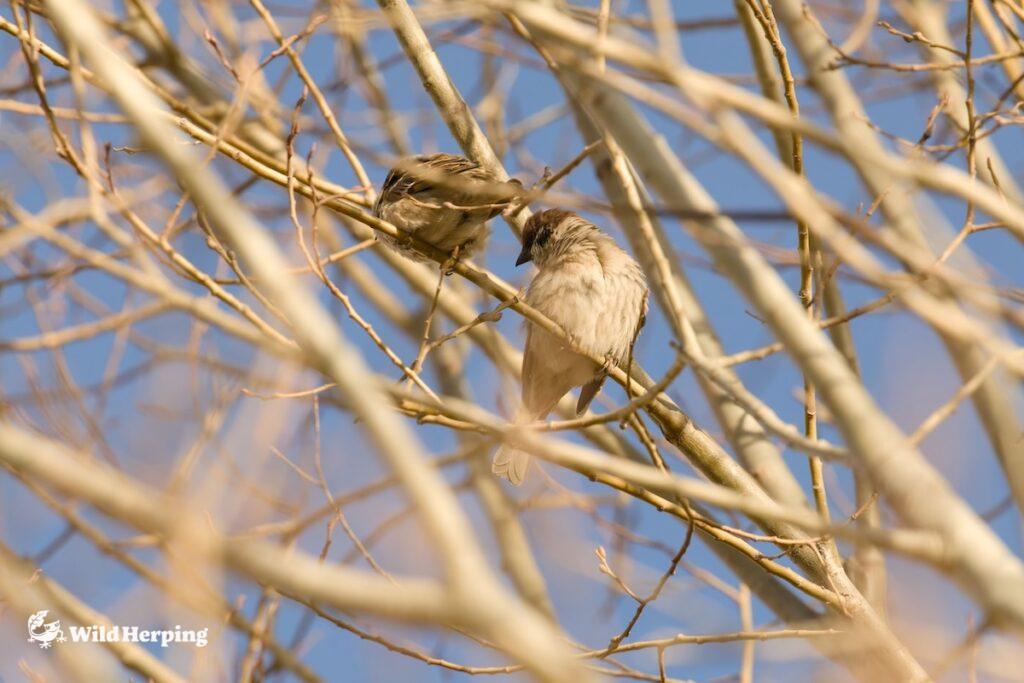
- Eurasian Tree Sparrow (Scientific name: Passer montanus) It is truly surprising to see them thriving even in such an extremely cold climate.
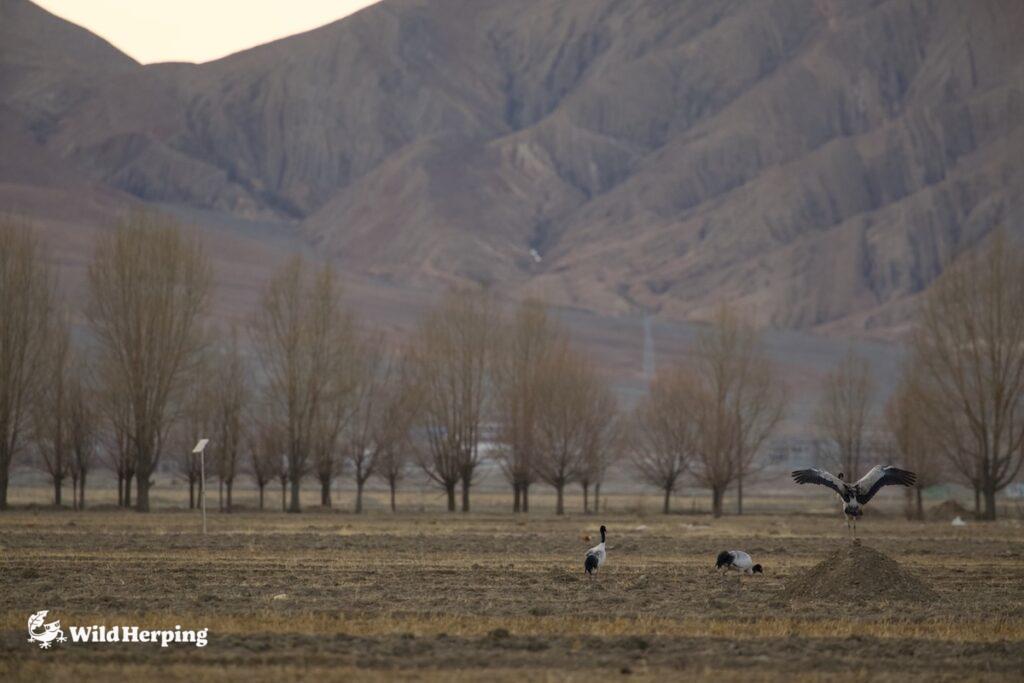
- Common Crane (Scientific name: Grus grus) While they typically migrate south, we were able to observe individuals that remained through the winter.
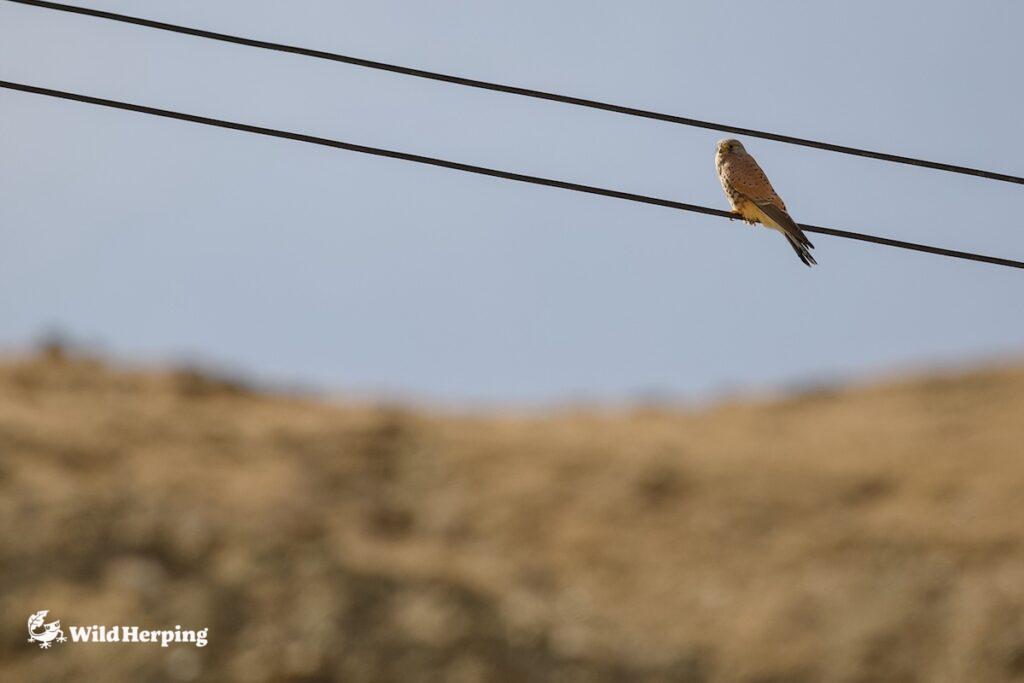
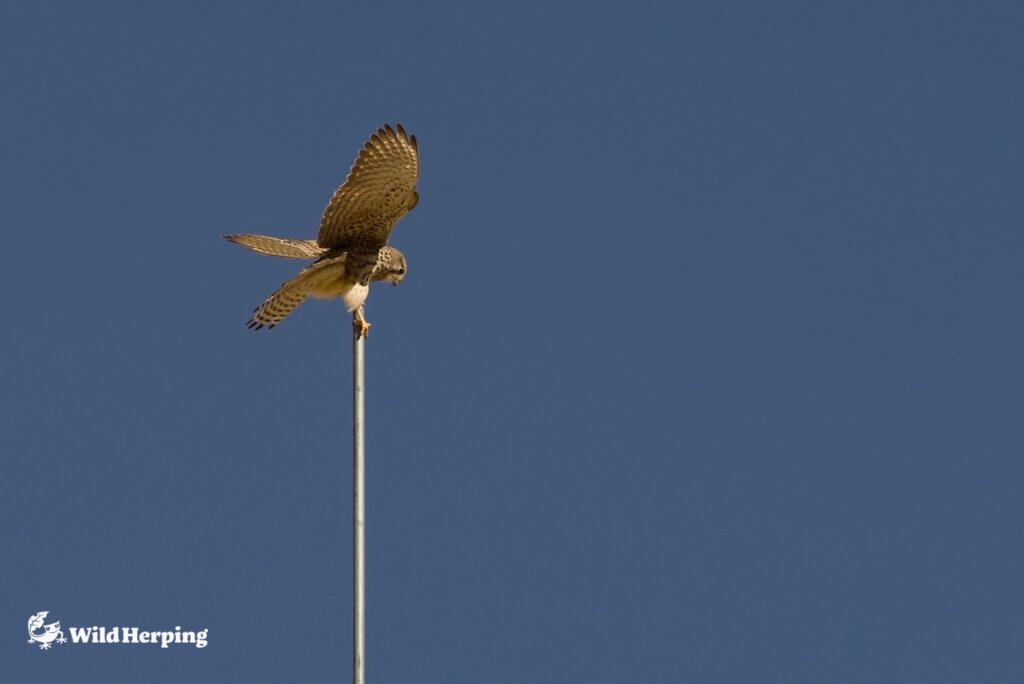
- Eurasian Kestrel (Scientific name: Falco tinnunculus) Observed perched on a power line.
- Pink-rumped Rosefinch (Scientific name: Carpodacus waltoni) I was able to capture their beautiful forms in front of a temple.
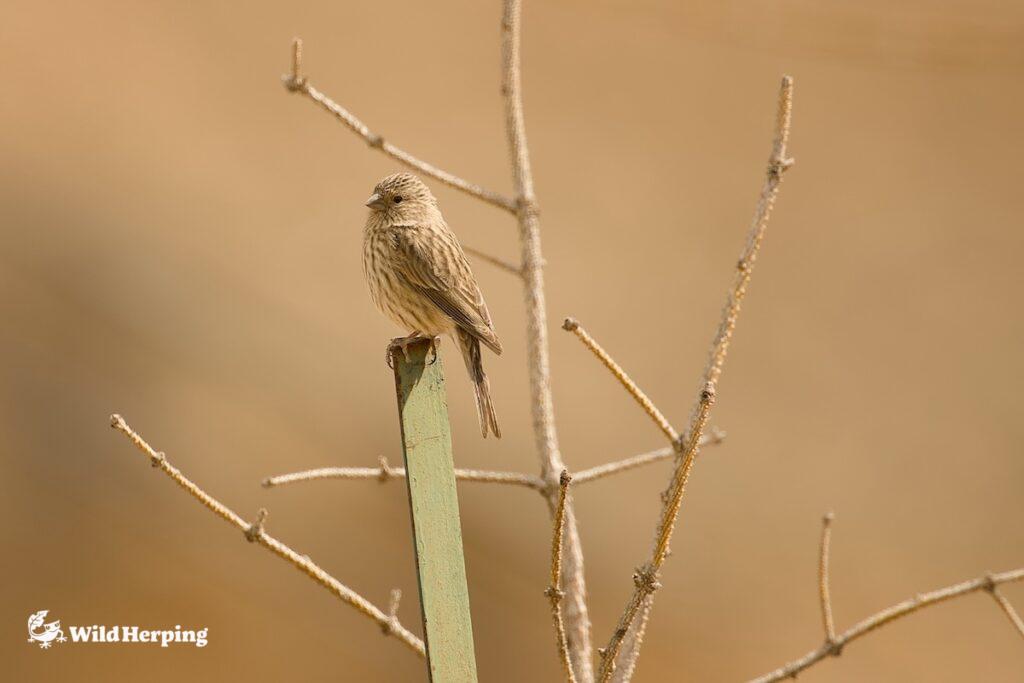
- Rufous-necked Snowfinch (Scientific name: Pyrgilauda ruficollis) A member of the sparrow family adapted to high altitudes, symbolizing the harsh Tibetan winter.
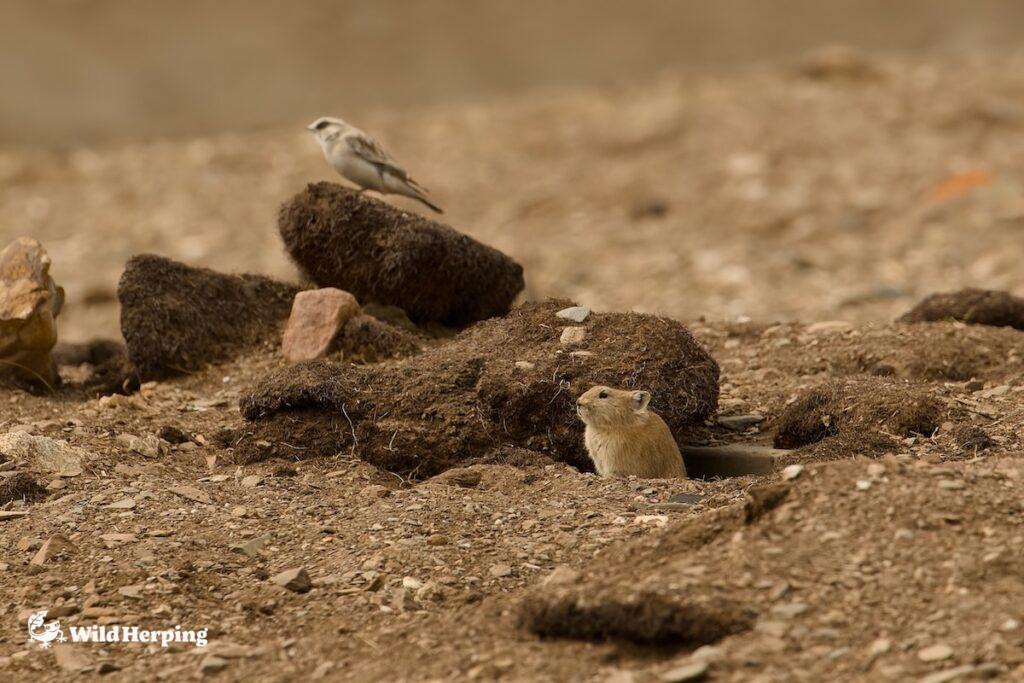
- Himalayan White-browed Rosefinch (Scientific name: Carpodacus thura) Observed at a small puddle in a canyon.
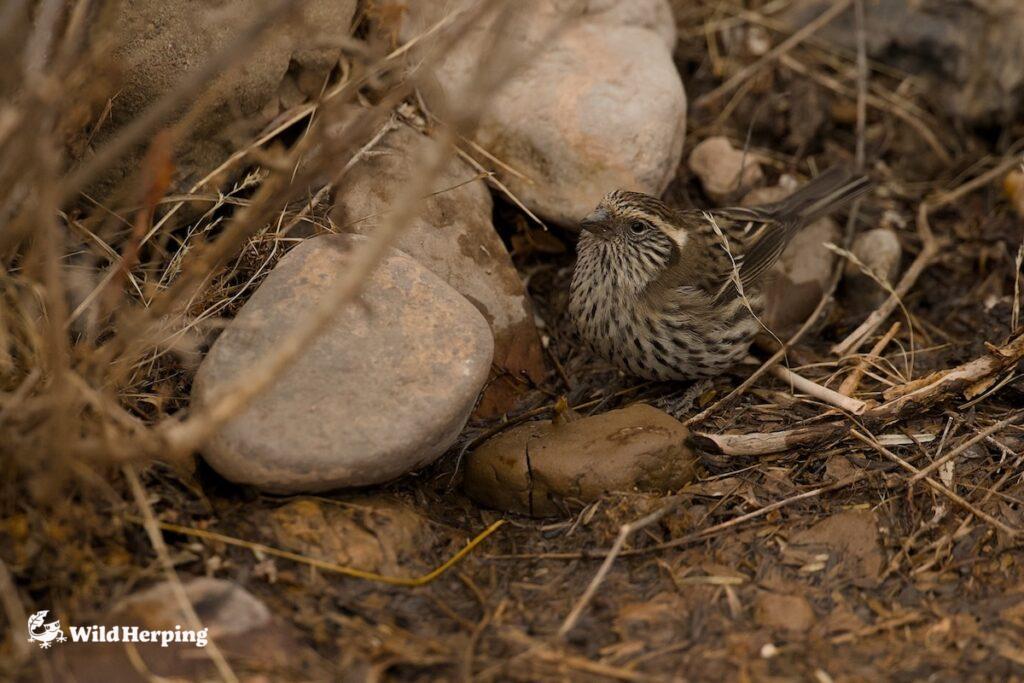
- Lesser Kestrel (Scientific name: Falco naumanni) Spotted perched on a wire while we were tracking a Tibetan Fox.
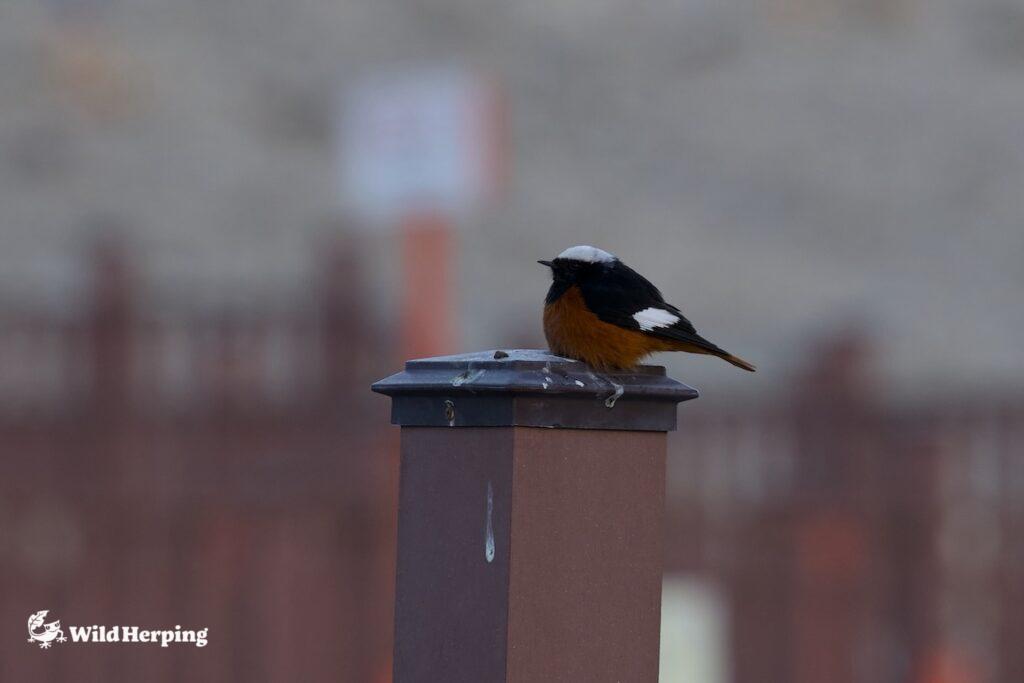
- White-winged Redstart (Scientific name: Phoenicurus erythrogaster) Living resiliently at altitudes exceeding 5,000m—an environment where even walking is a struggle for humans.
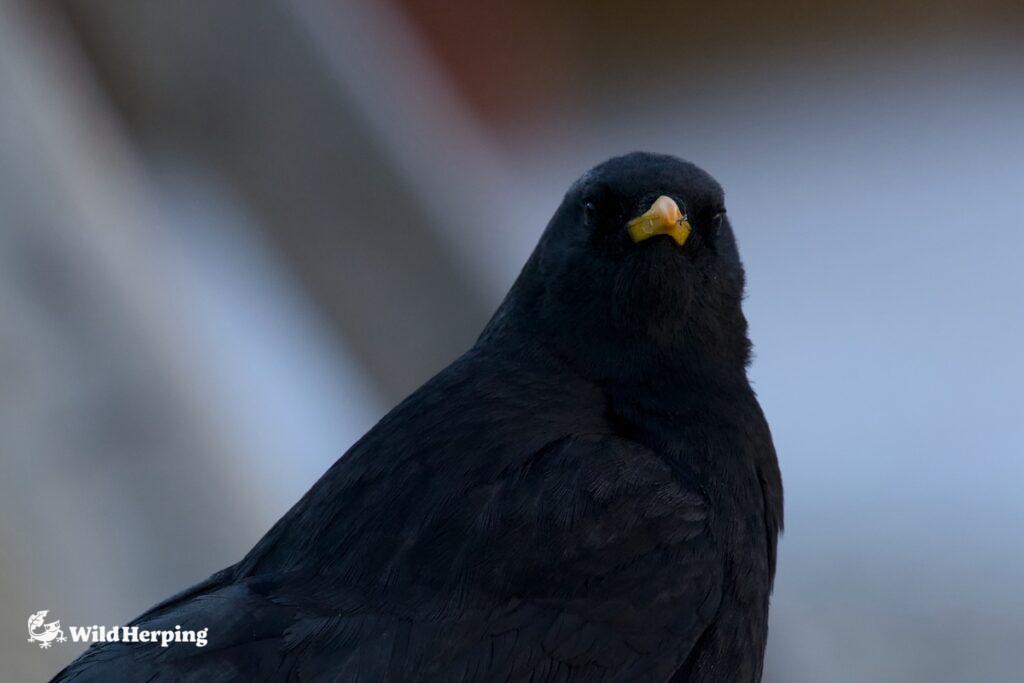
- Yellow-billed Chough (Scientific name: Pyrrhocorax graculus) A mountain-dwelling crow characterized by its vibrant yellow beak.
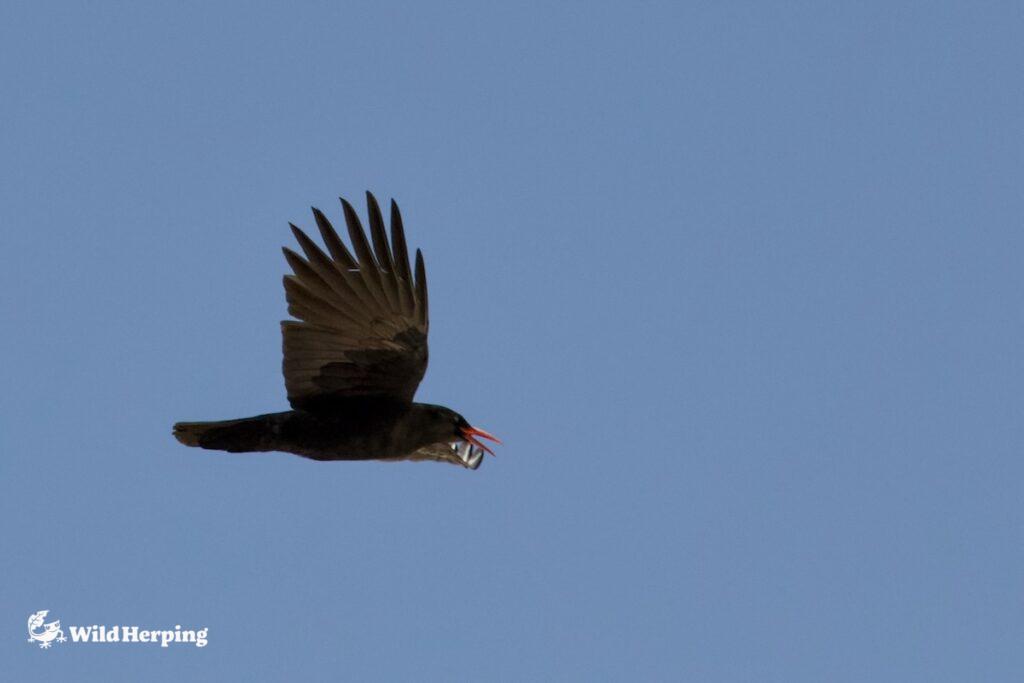
- Red-billed Chough (Scientific name: Pyrrhocorax pyrrhocorax) In contrast, this species possesses a striking red beak.
Though the Tibetan Plateau is an extreme environment where signs of life often seem to vanish, looking up at the sky reveals a remarkable diversity of life in motion. Precisely because the conditions are so harsh, every color and every movement of these creatures feels all the more divine.


