

In this post, I would like to introduce the mammals we observed on the Tibetan Plateau, the world’s largest high-altitude plateau. Our journey began in Lhasa, where the airport sits at an elevation of over 3,500m, and reached a maximum altitude of over 5,200m. Due to the proximity to the sun, the solar radiation is intense, causing temperatures to rise during the day, while plummeting at night with a drastic daily temperature range of up to 30°C. In such a harsh environment, the animals have evolved remarkable adaptations, making our observations truly fascinating.
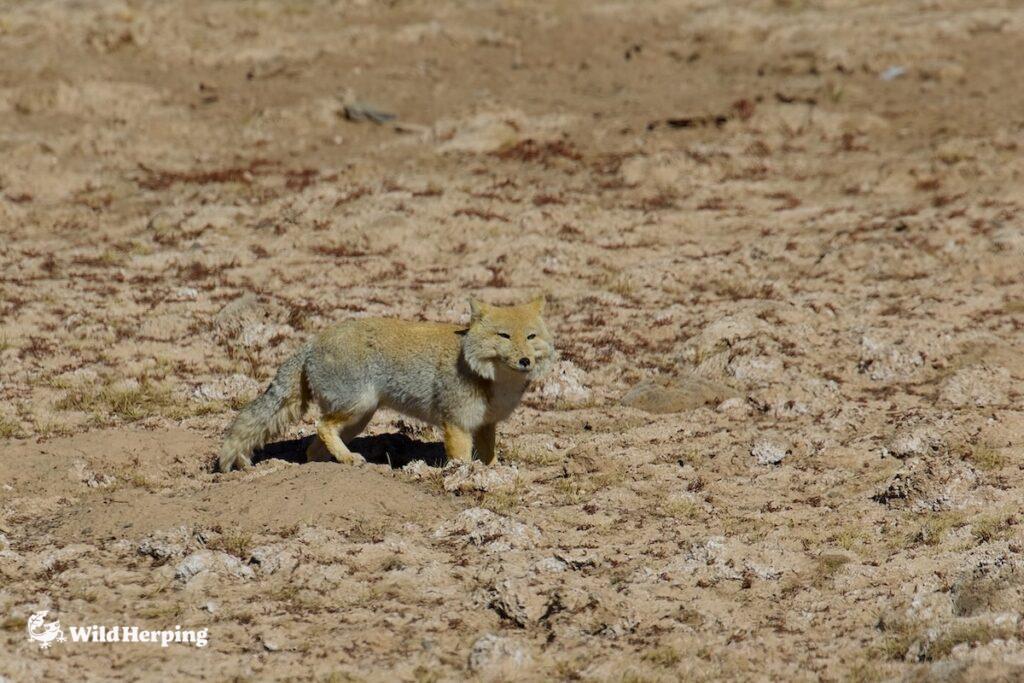
Tibetan fox (Vulpes ferrilata)
Known for its distinctive face, often described as “adorably odd” (busa-kawa). Its primary prey is the fast-moving pika; the facial muscles have developed specifically for tracking and capturing them. Their dense fur protects them from extreme cold, and they often squint to protect their eyes from strong UV rays, creating their unique expression.
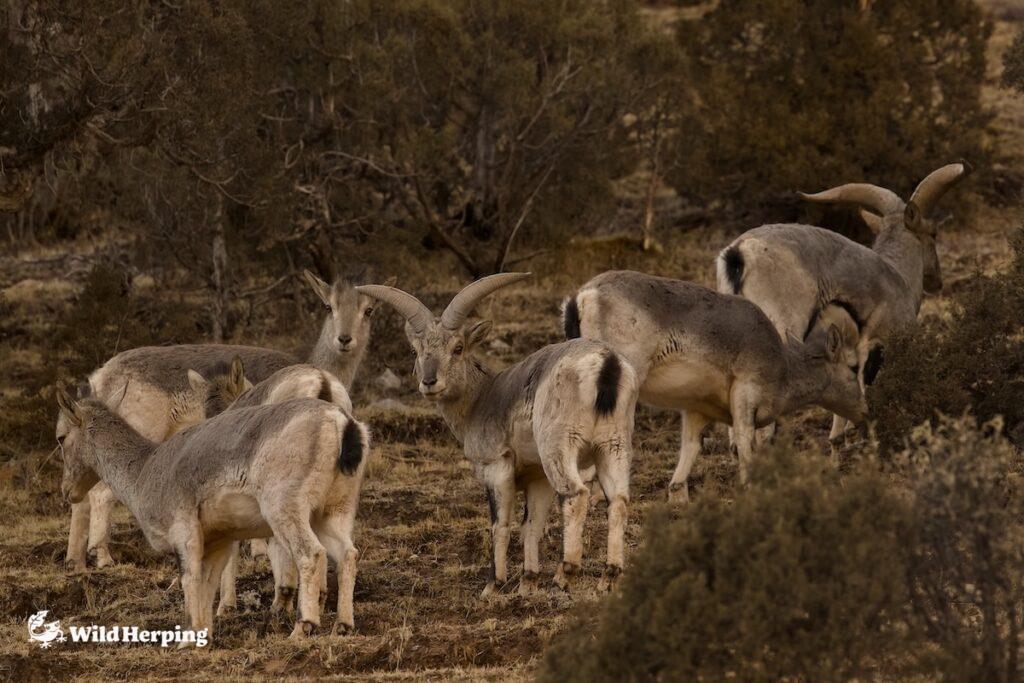
Blue sheep (Pseudois nayaur)
A ruminant that forms herds on high-altitude rocky slopes. We observed large groups of up to 70 individuals. They are called “Blue sheep” because their coats appear to have a bluish tint when seen against the snow.
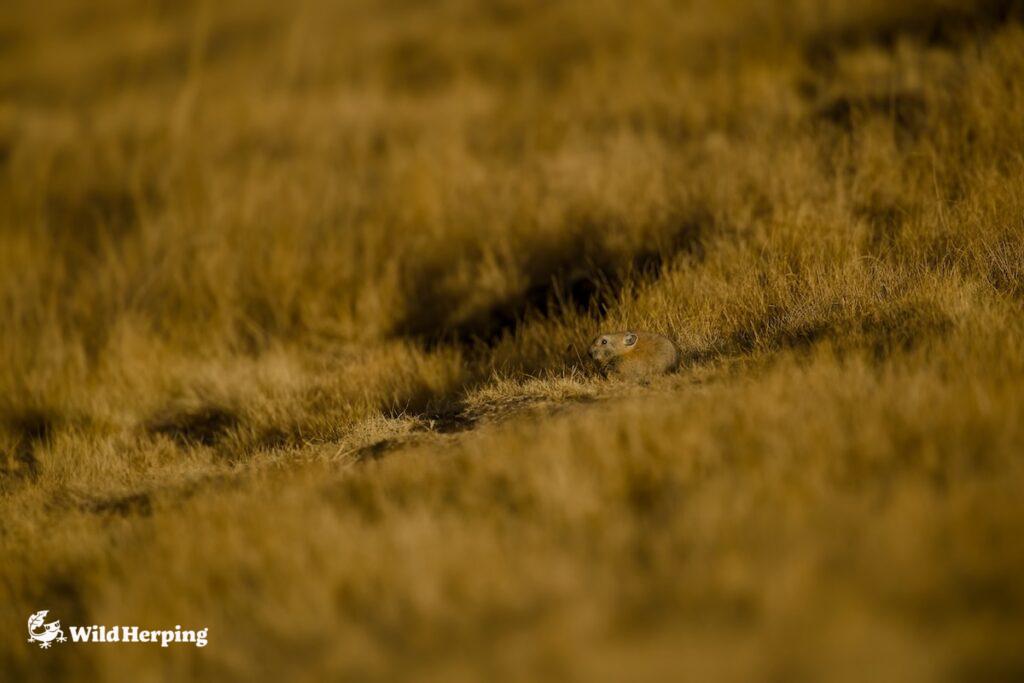
Plateau pika (Ochotona curzoniae)
Frequently observed along roadsides and in open grasslands. Their small-scale skirmishes with short limbs are impressive. They serve as a vital food source for the Tibetan fox.
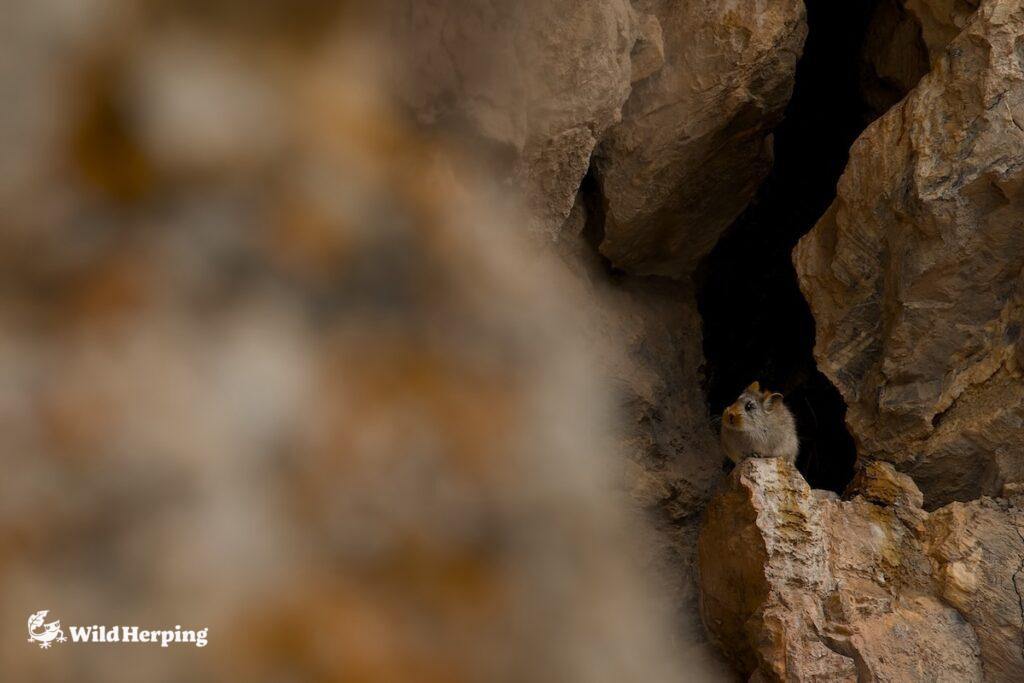
Royle’s pika (Rocky pika, Ochotona roylei)
A relative of the pika that lives exclusively in rocky areas. It is easily distinguished from the Plateau pika due to its completely different habitat.
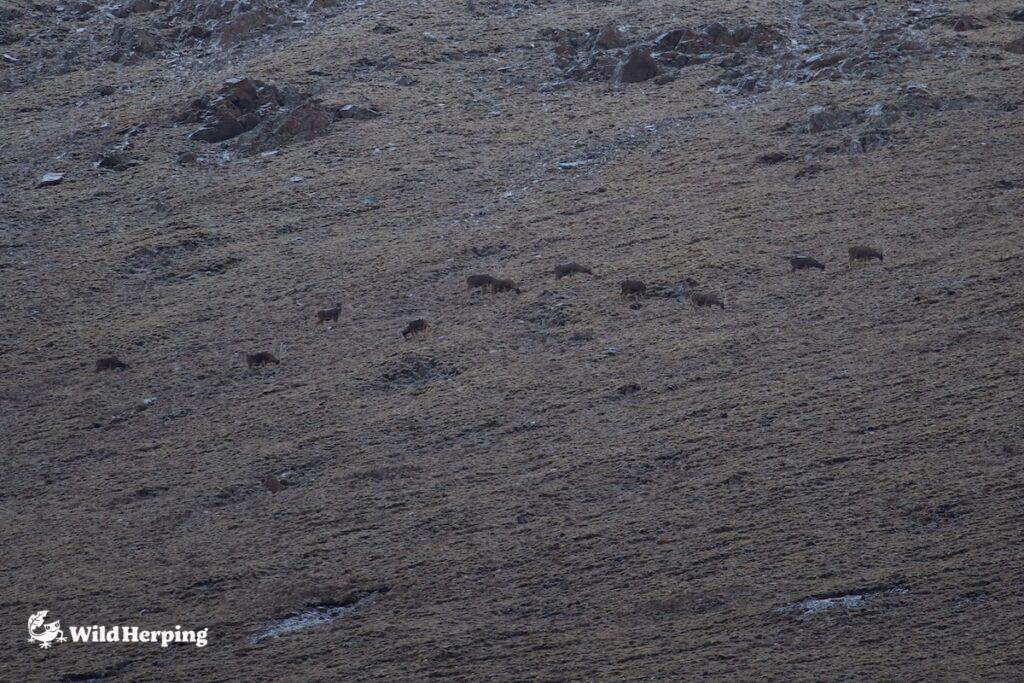
Tibetan red deer (Cervus elaphus wallichi)
A large subspecies of red deer that was once thought to be near extinction. They are characterized by a sturdy build, short legs, and a square muzzle. They can be identified by the white patches around the tail and rump.
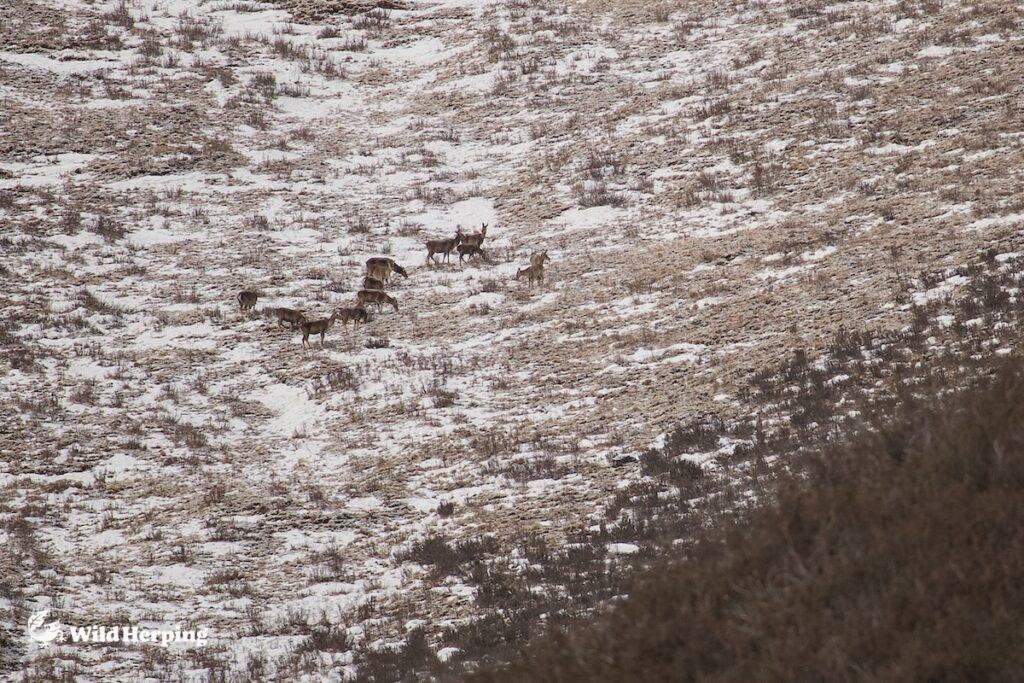
White-lipped deer (Cervus albirostris)
An extremely rare species of deer, named for the white fur around its muzzle. Despite their large size, they are threatened by extinction due to overhunting for their antlers, which are believed to have medicinal properties.
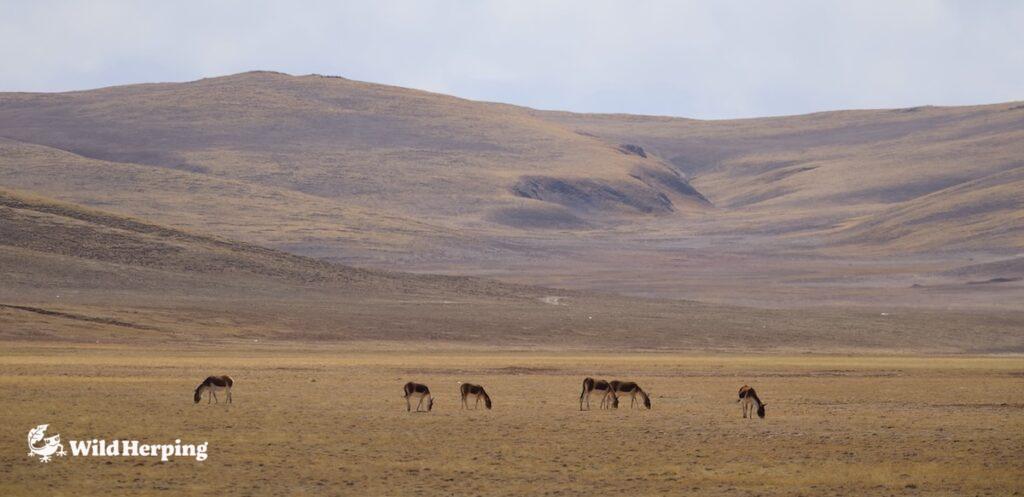
Tibetan wild ass (Equus kiang)
The largest species of wild ass in the world. In winter, their coat grows twice as long, making them a magnificent sight.
Yak (Bos grunniens)
While most individuals seen locally are domestic, we were able to observe wild individuals in high-altitude regions. Their massive bodies are truly powerful and imposing.
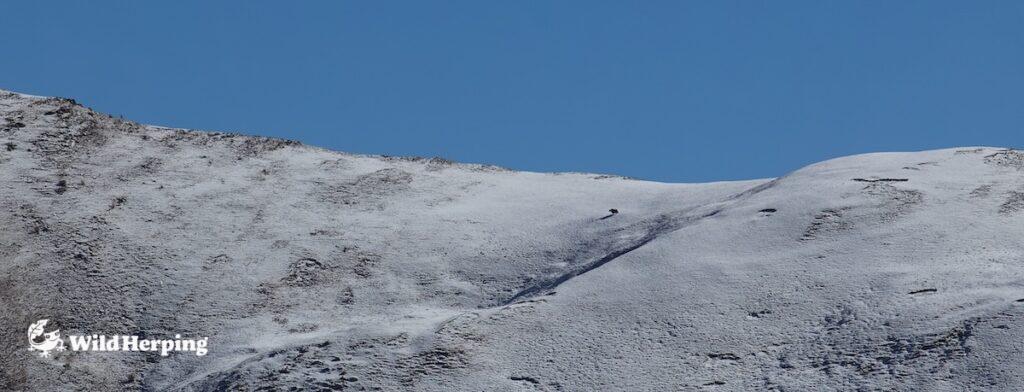
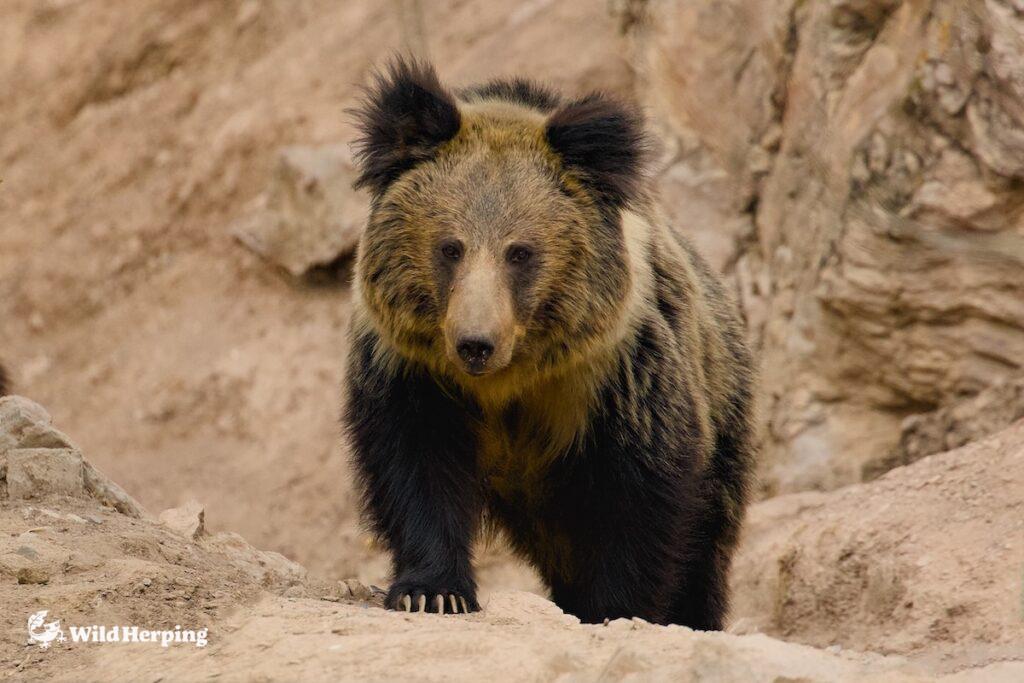
Tibetan brown bear (Ursus arctos pruinosus)
Despite our mid-winter visit, many individuals seem to forgo hibernation, possibly due to climate change. We observed a total of four bears, including a mother and her cubs. Their fur is light and characteristically two-toned.
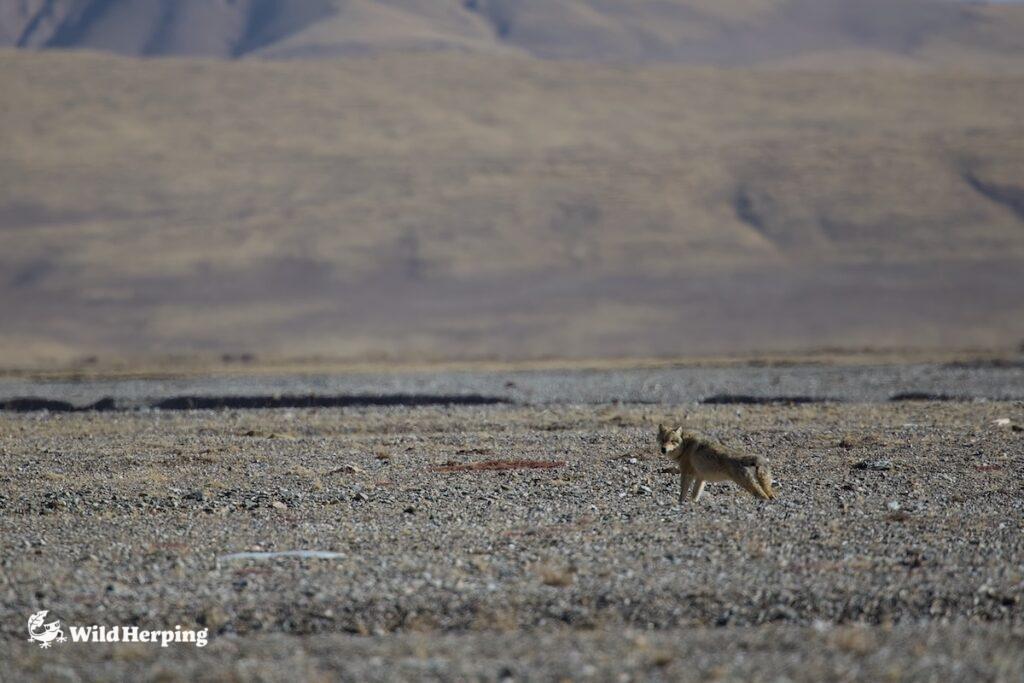
Tibetan wolf (Canis lupus chanco)
A subspecies of wolf adapted to high altitudes, characterized by its thick, long, sheep-like fur (also known as the Woolly wolf). This is a precious species inhabiting altitudes above 4,000m.
Himalayan red fox (Hill fox, Vulpes vulpes montana)
A subspecies of the red fox known for its smaller body and dense fur. They are extremely cautious and fled immediately upon being spotted under a cliff.
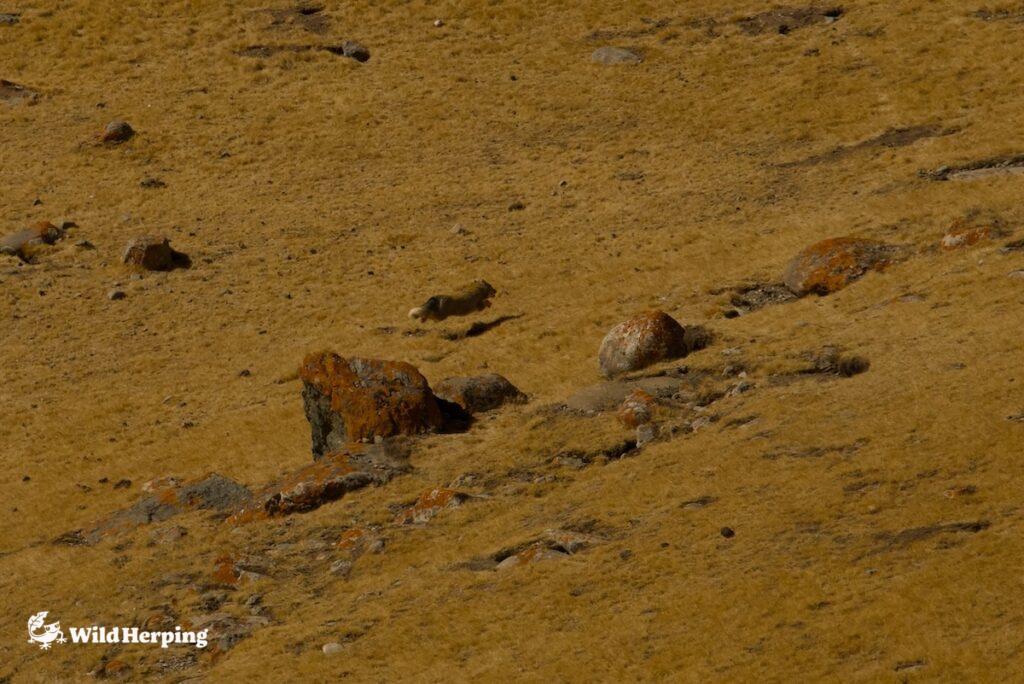
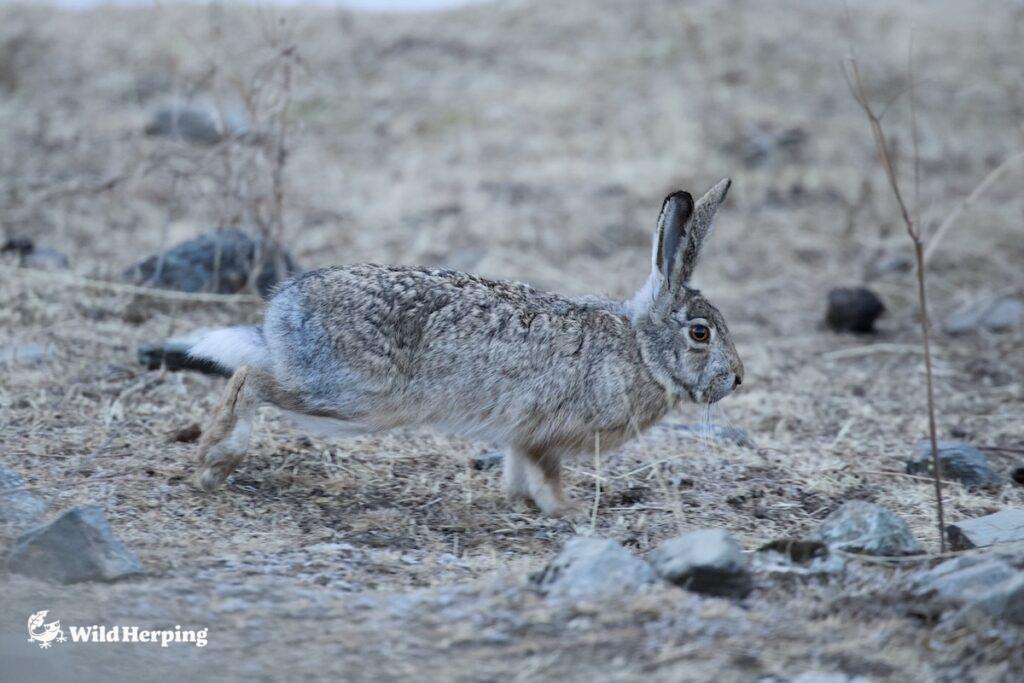
Woolly hare (Lepus oiostolus)
We observed many individuals in the canyons during the early morning.
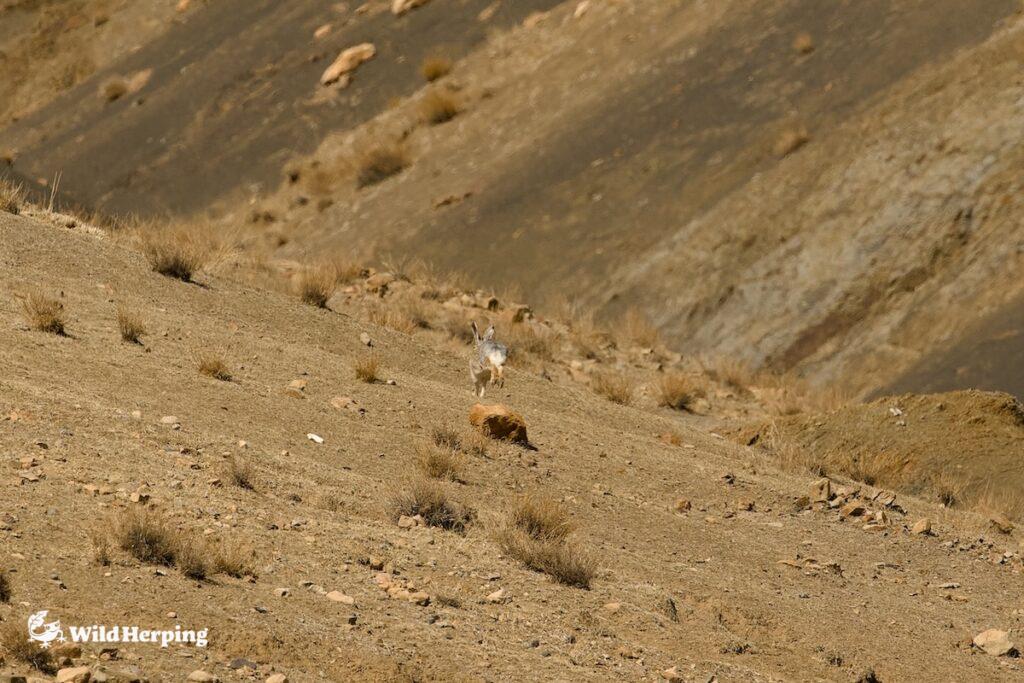
Unidentified Hare (Lepus sp.)
As it dashed away at full speed, we were unable to identify the specific species.
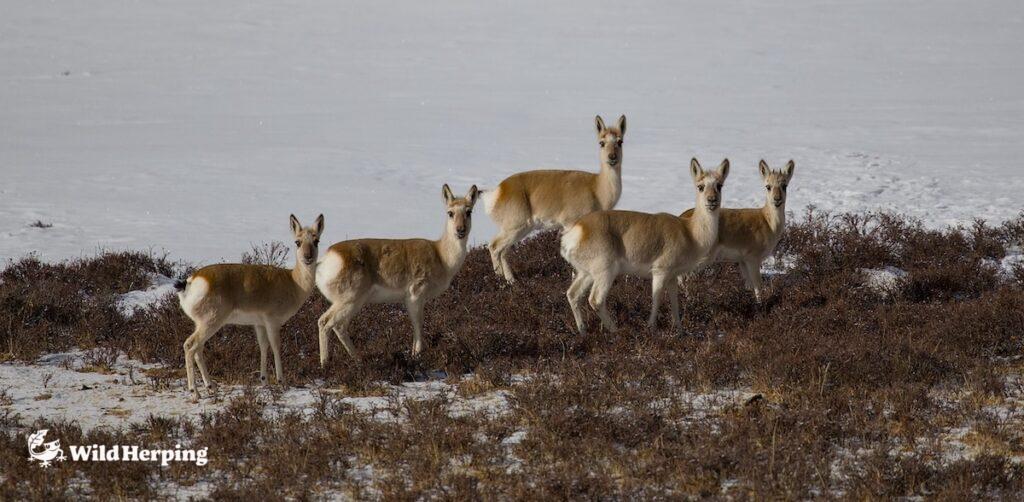
Tibetan gazelle (Procapra picticaudata)
We observed a social structure where one male leads a herd consisting of many females.
Mountain weasel (Mustela altaica)
While small and agile, they are fierce predators that primarily prey on pikas.

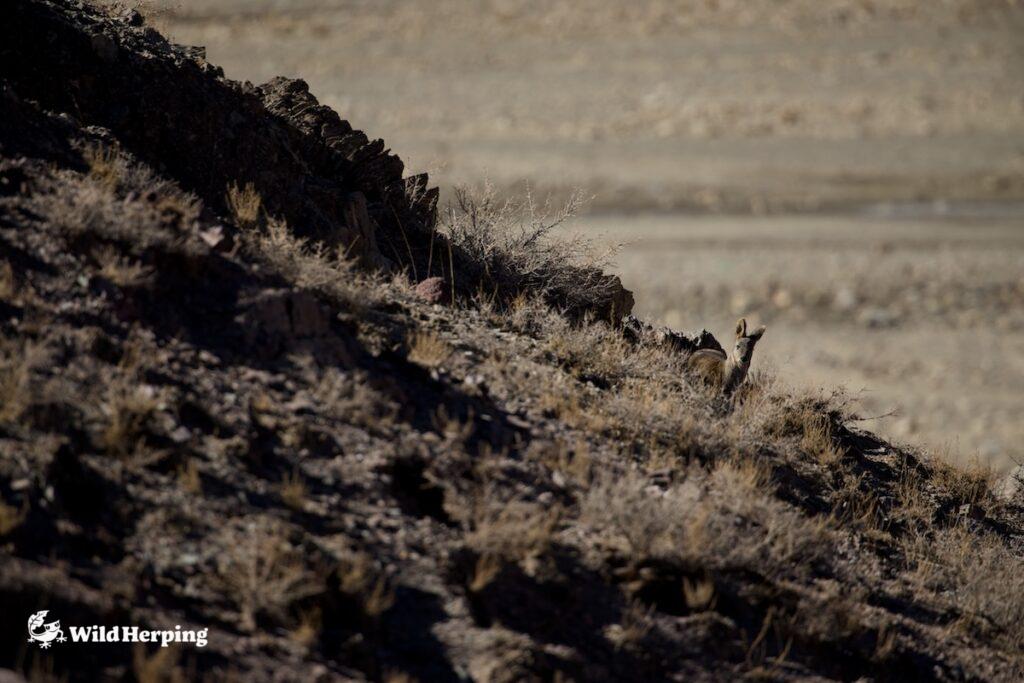
Himalayan musk deer (Moschus leucogaster)
Characterized by large ears and a kangaroo-like habit of jumping with both hind legs. Although primarily nocturnal, they were also observed being active during the day. Despite being a member of the deer family, they do not possess large antlers.
In this installment, we focused on the mammals observed on the Tibetan Plateau. It was a truly precious experience to witness the diverse ecology of animals that have adapted to such an unforgiving environment at close range.


