
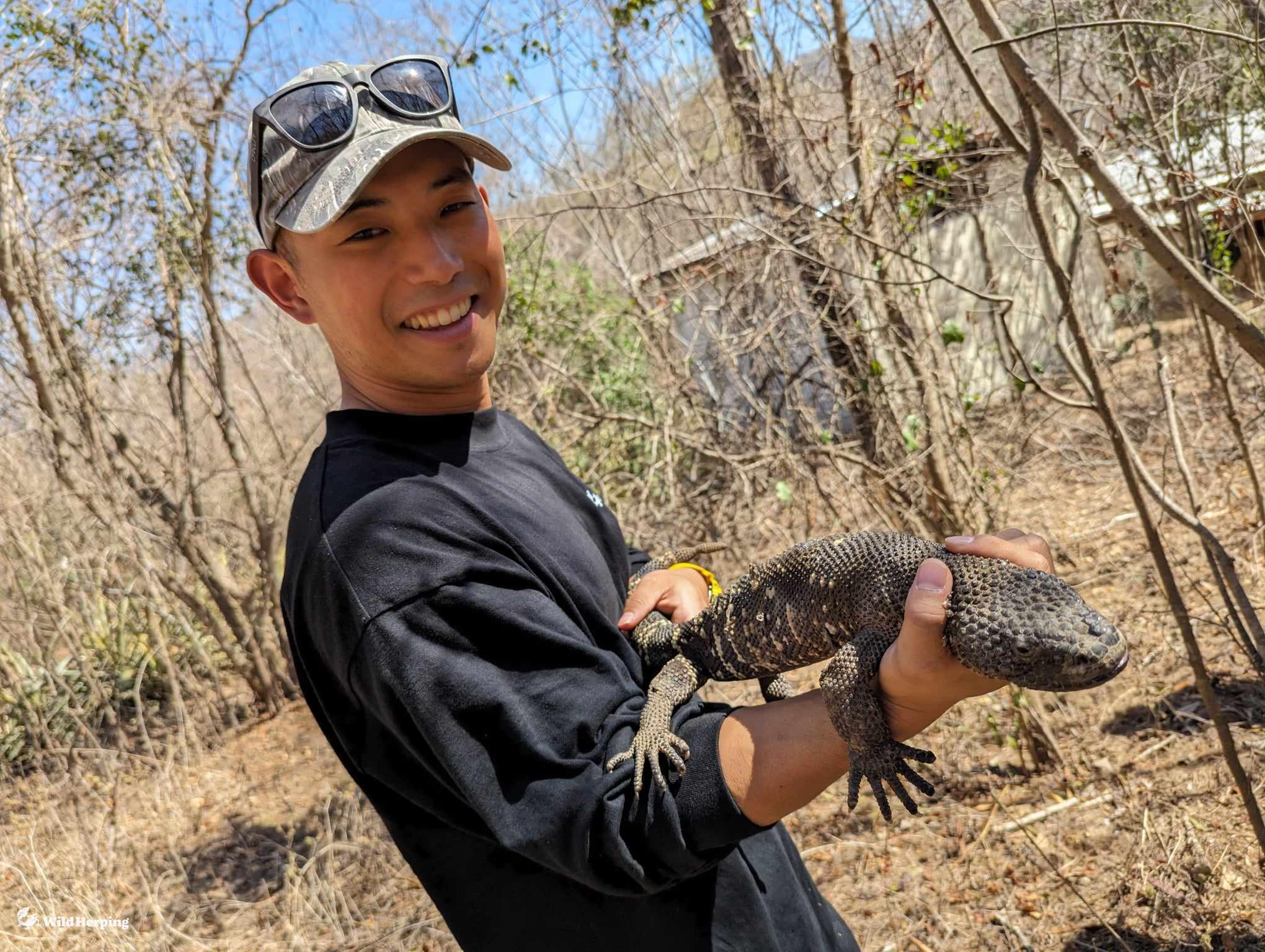
This is the first report from our Panama birdwatching expedition, conducted in the first half of January.
Upon arrival, we first headed to the highland region in western Panama. At an elevation of around 700 meters, this area offers opportunities to observe several bird species that are otherwise difficult to find within the country.
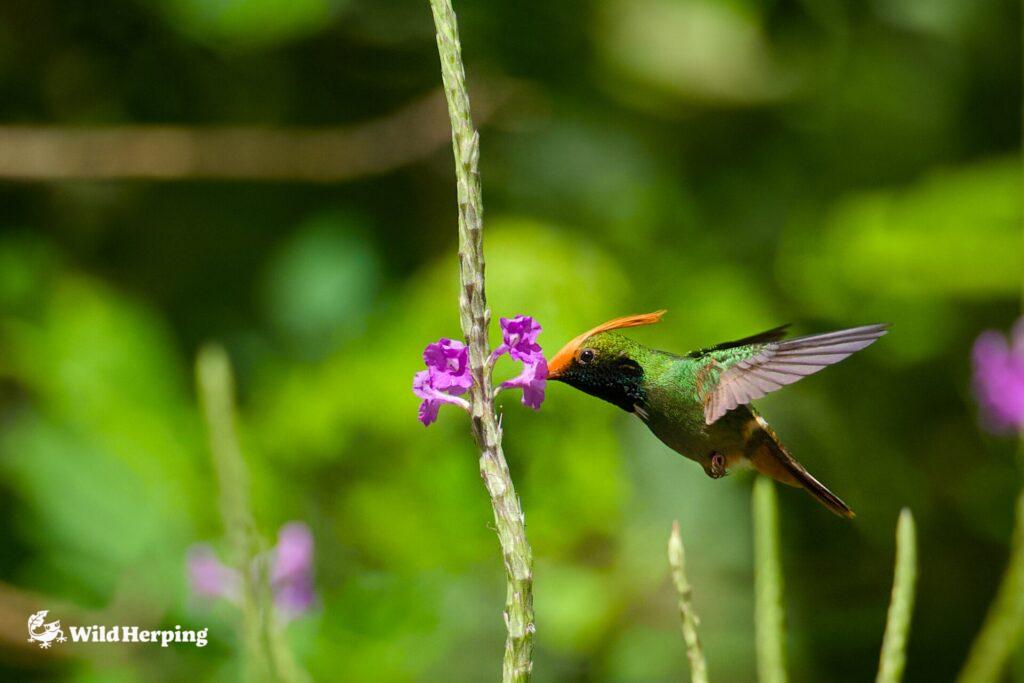
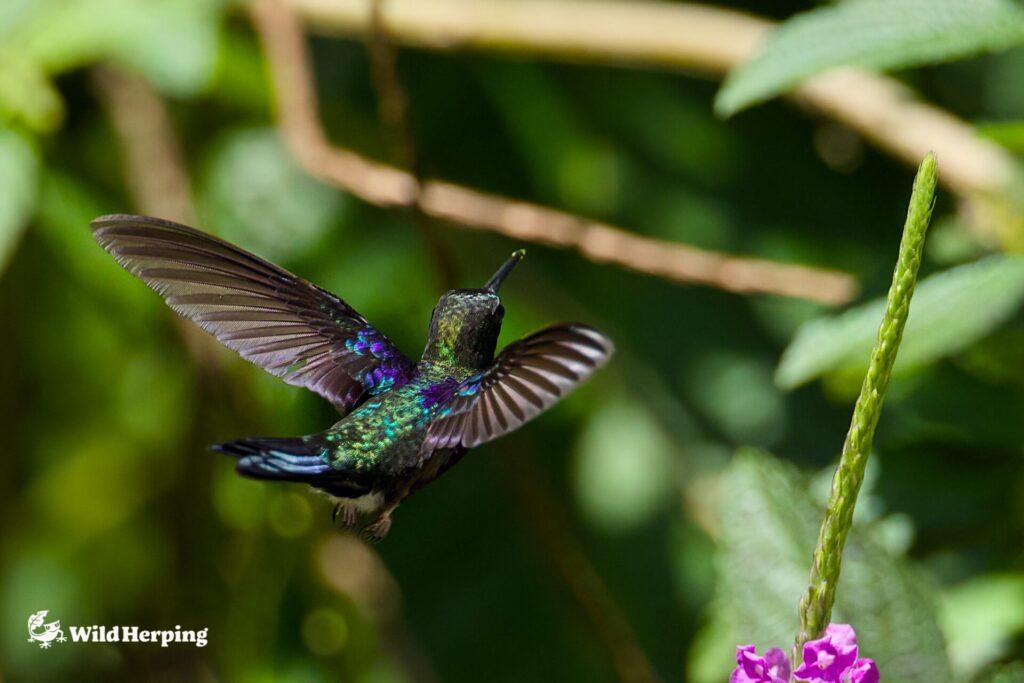
One of the main target species was the Rufous-crested Coquette (Lophornis delattrei). As this species rarely visits feeders, we searched for territorial males while walking through the forest. On several occasions, we were fortunate enough to observe individuals visiting flowers to feed on nectar.
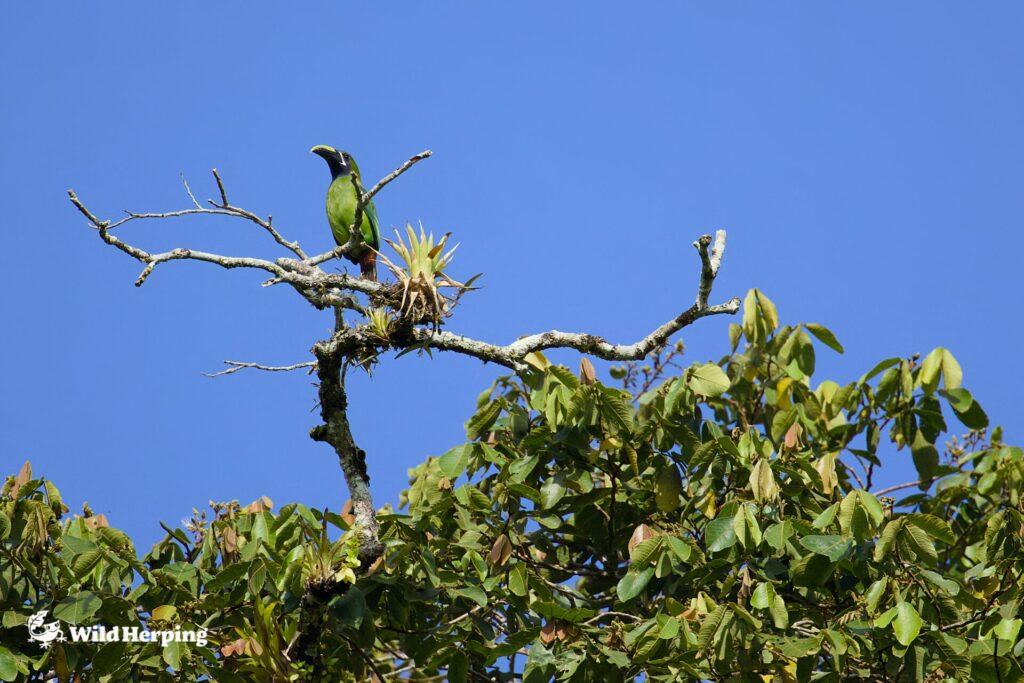
The Northern Emerald Toucanet (Aulacorhynchus prasinus) is another species that is relatively easy to observe in this region. In addition to fruits and berries, it is also known to prey on small birds such as hummingbirds. Because these toucanets tend to roost in the same area each evening, we searched for them toward dusk.
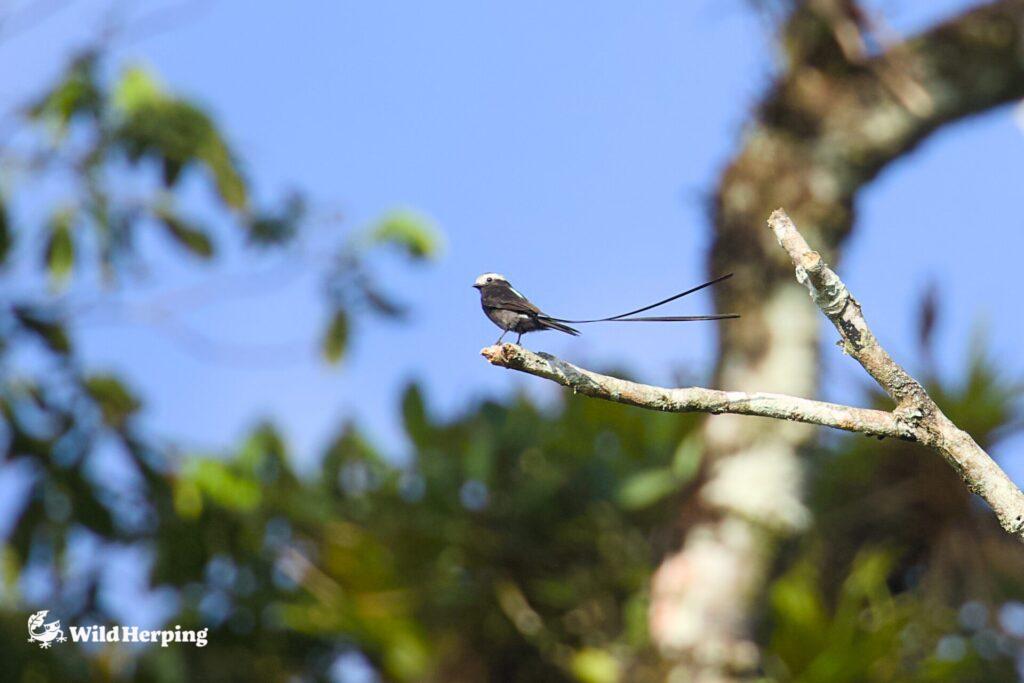
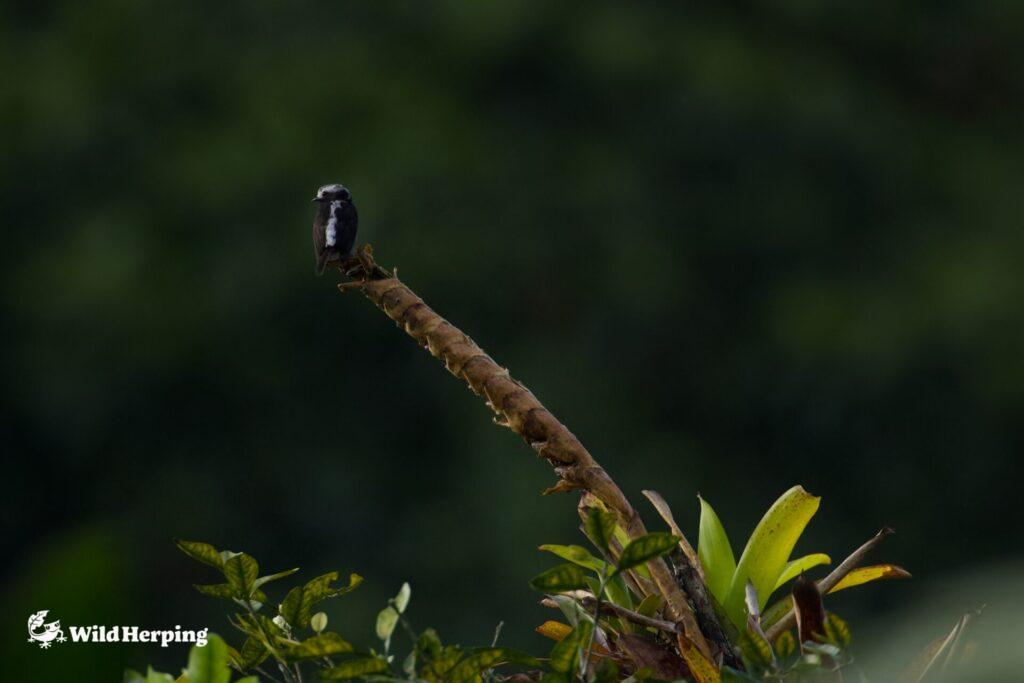
We also observed the Long-tailed Tyrant (Colonia colonus). In this species, males with a mate possess noticeably longer tail feathers, while unmated males have shorter tails—making their “popularity” immediately apparent from their appearance alone.
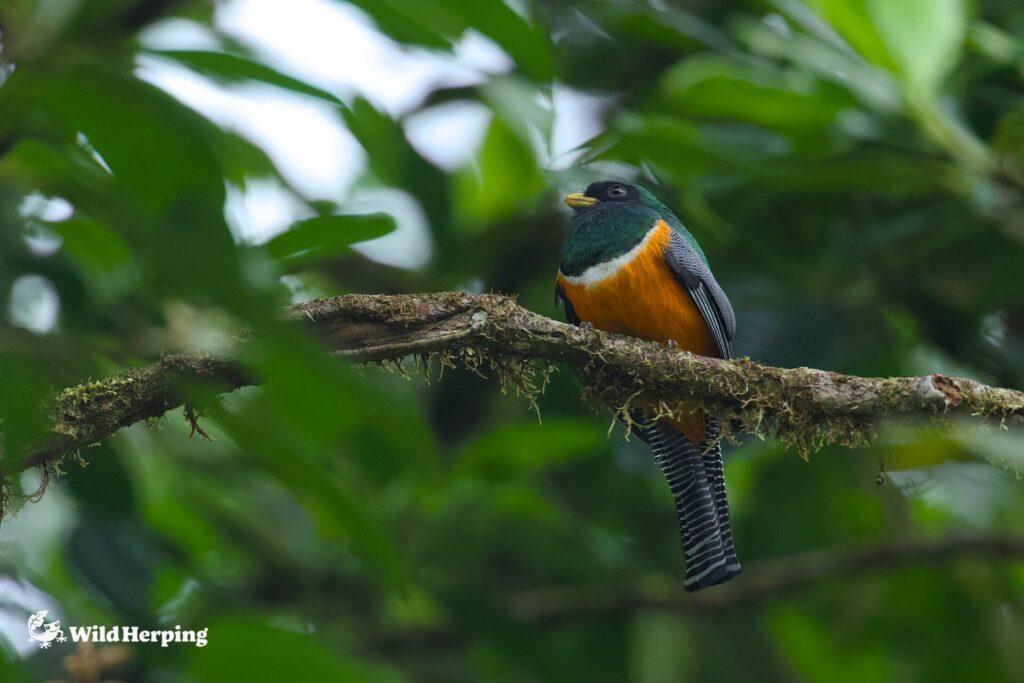
Another highlight was the Collared Trogon (Trogon collaris). The local population in this area is known for having a more orange-toned belly compared to individuals from other regions, resulting in particularly striking coloration.
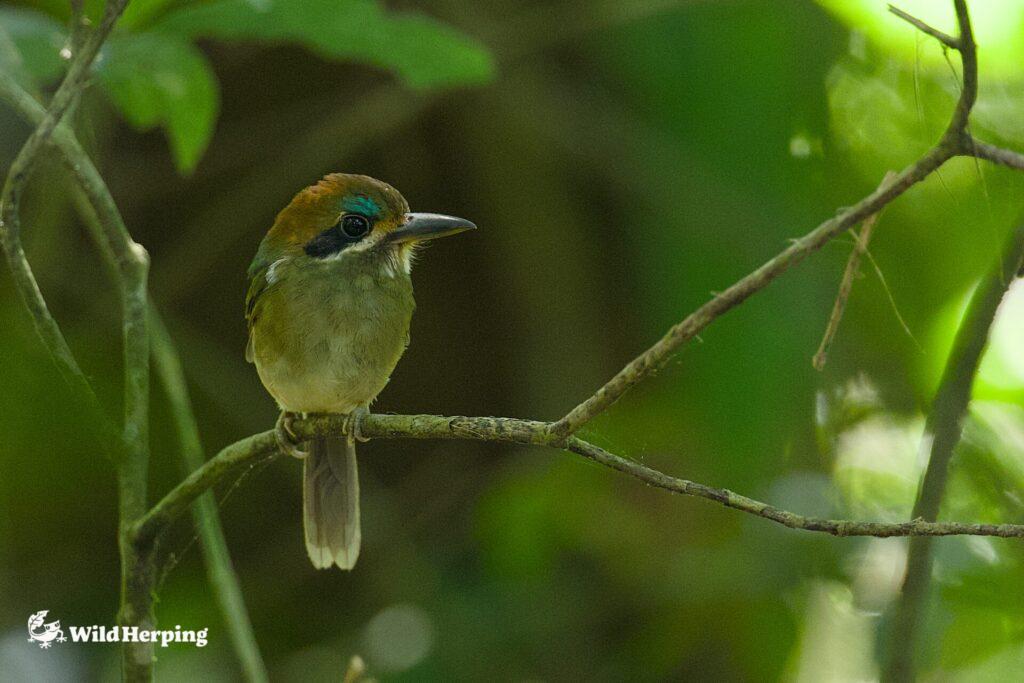
We also encountered the world’s smallest motmot, the Tody Motmot (Hylomanes momotula). Although its body shape differs from that of typical motmots, the characteristic tail-wagging behavior is unmistakably motmot-like.
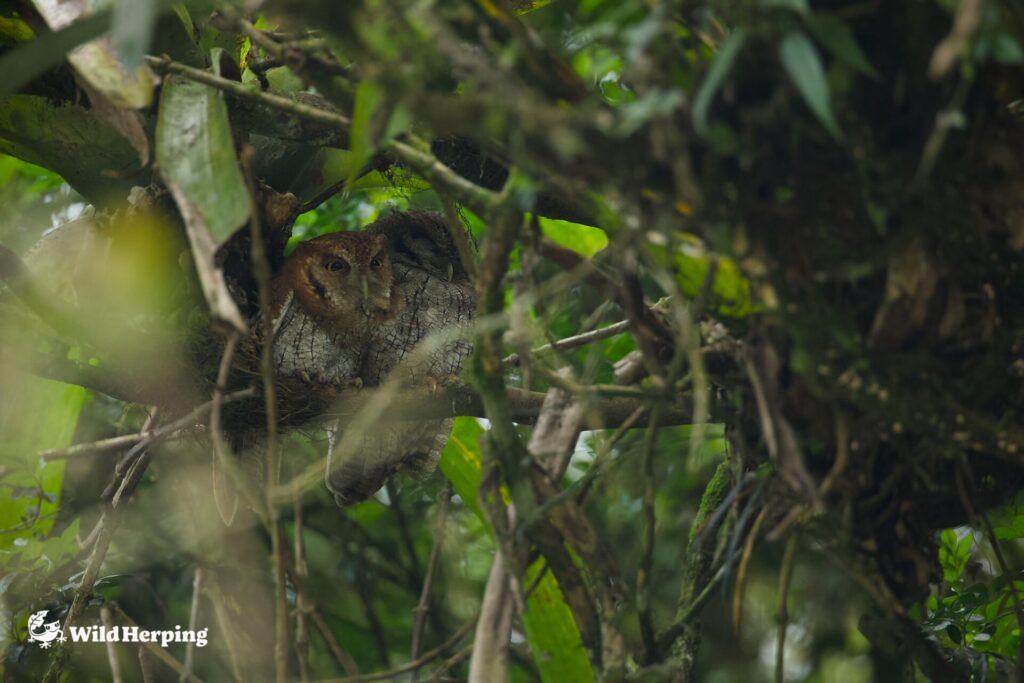
The Tropical Screech Owl (Megascops choliba) was observed resting during the daytime, perched side by side as a pair. While remaining close to one another, they were frequently seen preening, and their calm, intimate behavior left a particularly strong impression.
In addition to these species, we observed a wide variety of other birds, including numerous members of the tanager family, making for a highly rewarding birdwatching experience.
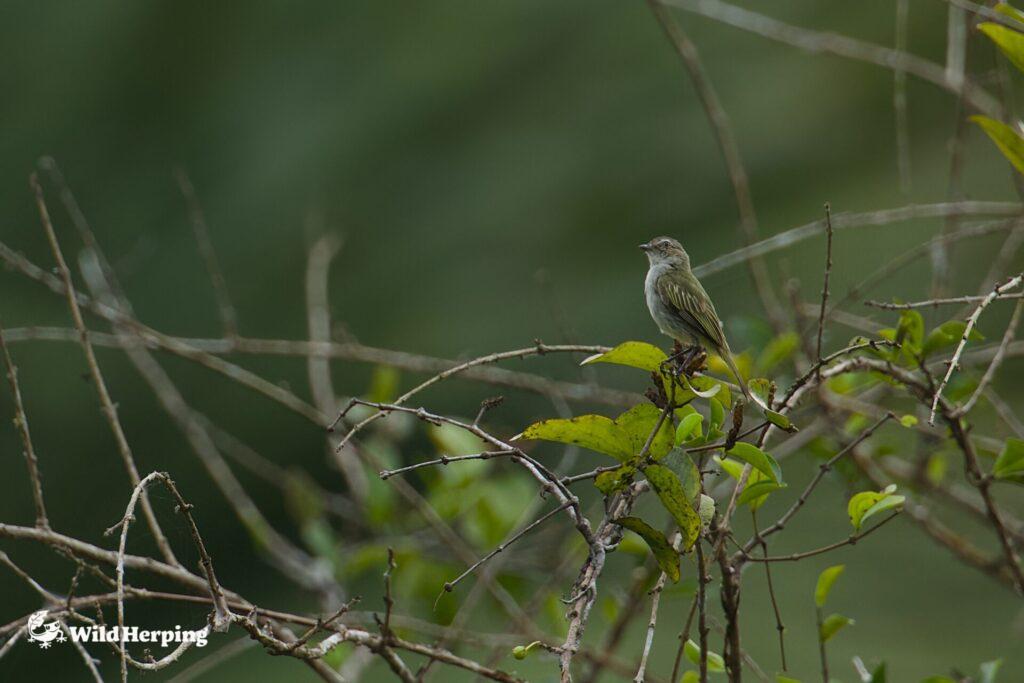
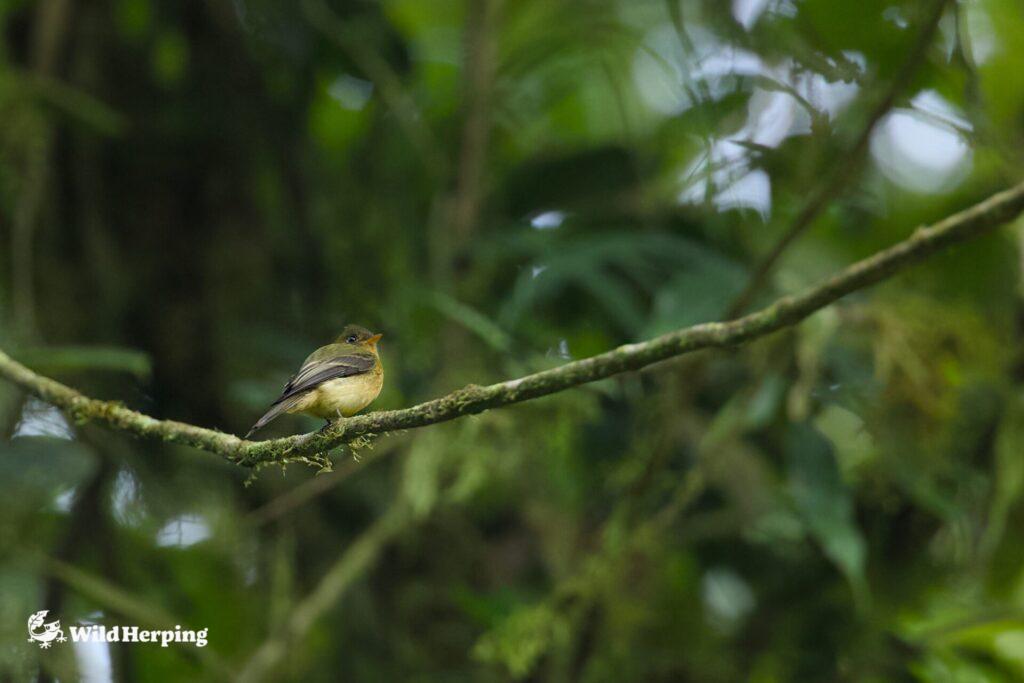
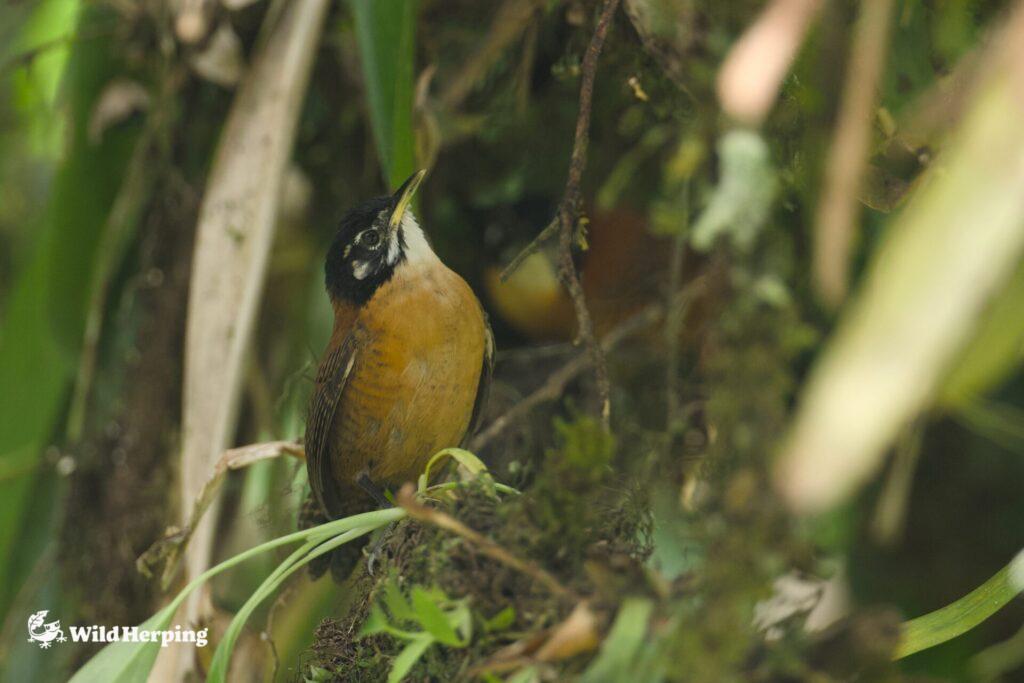
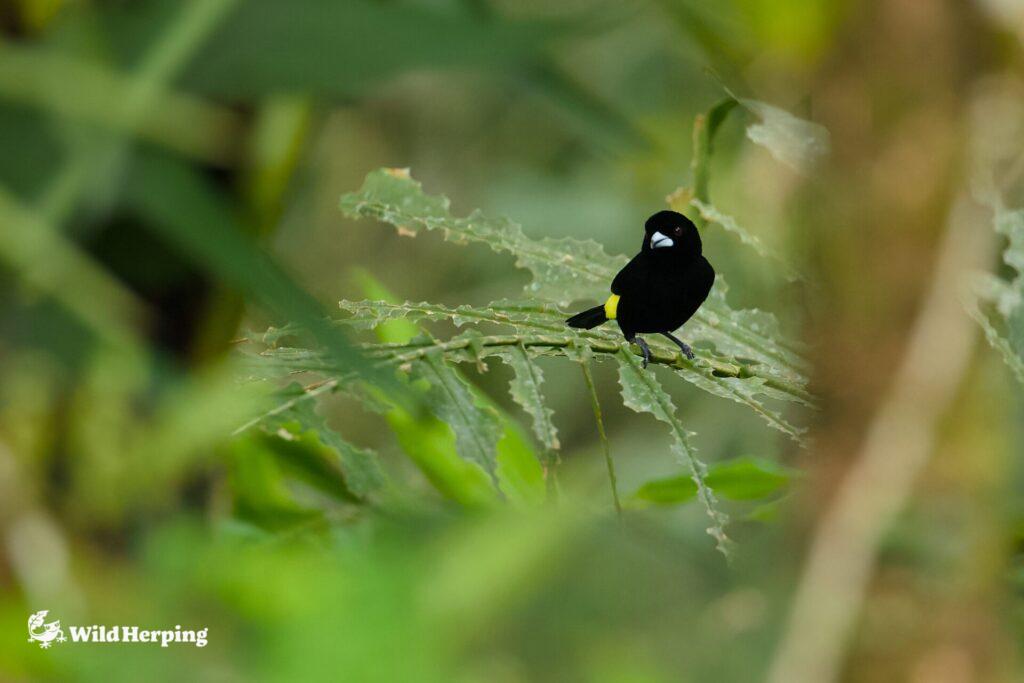
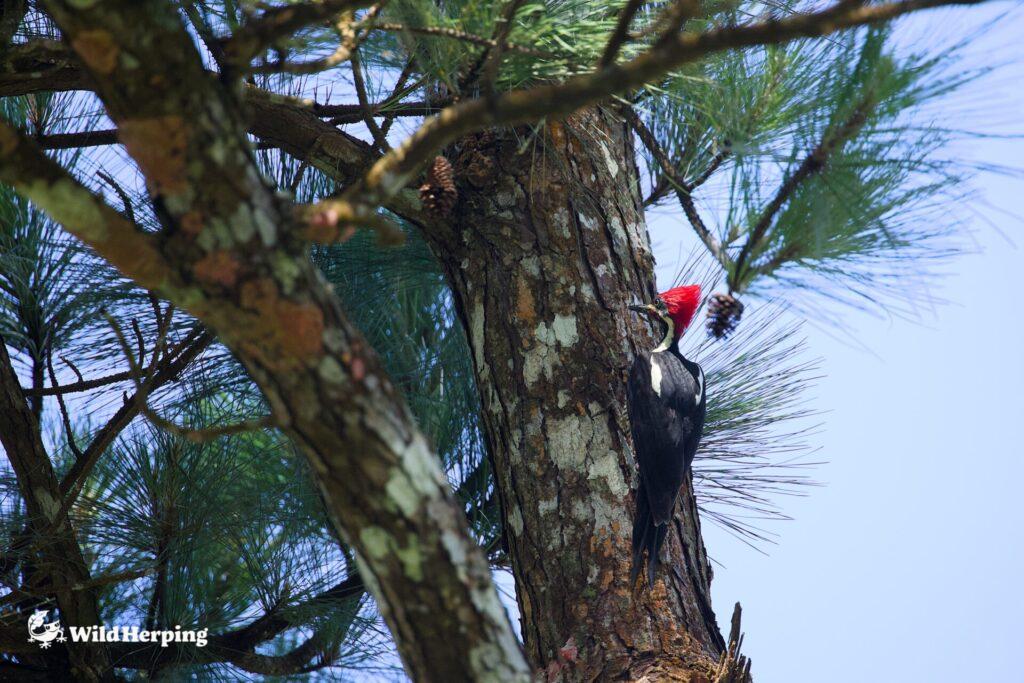
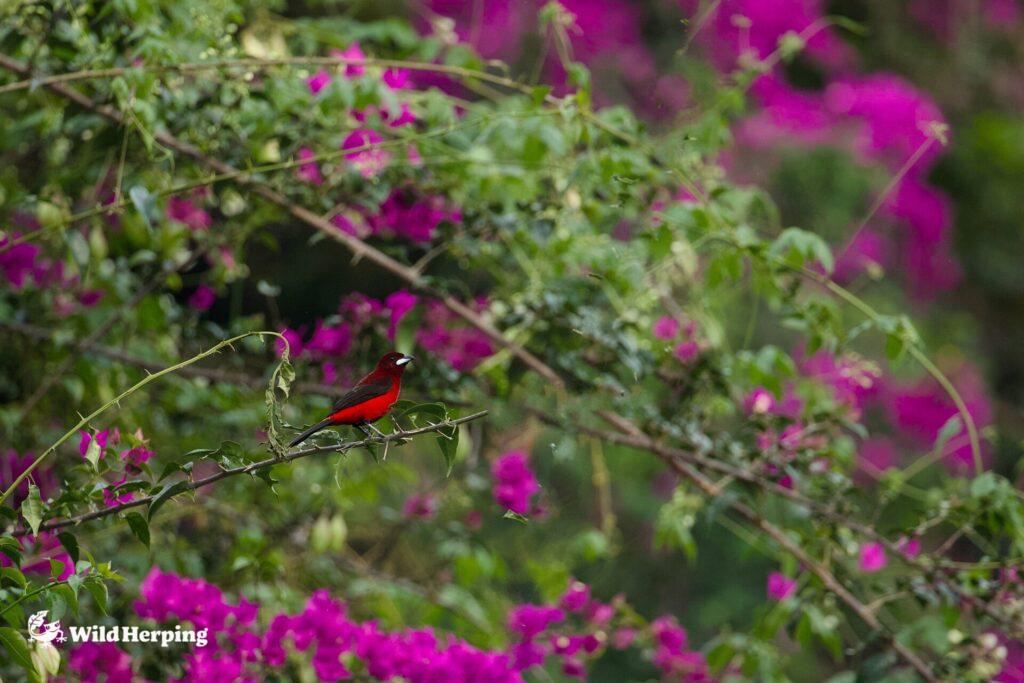
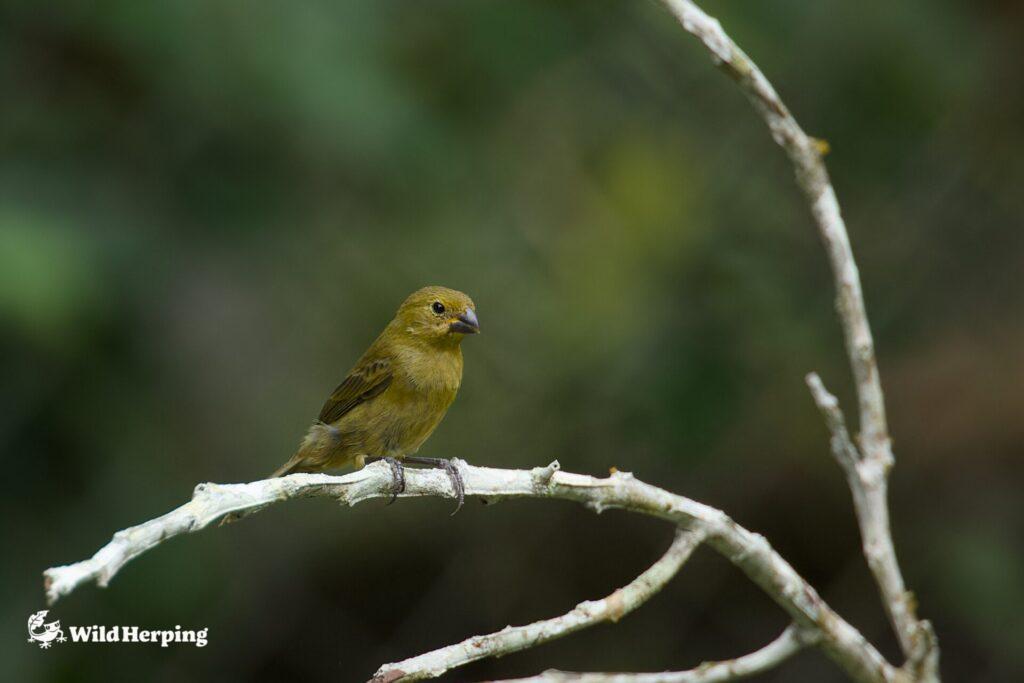

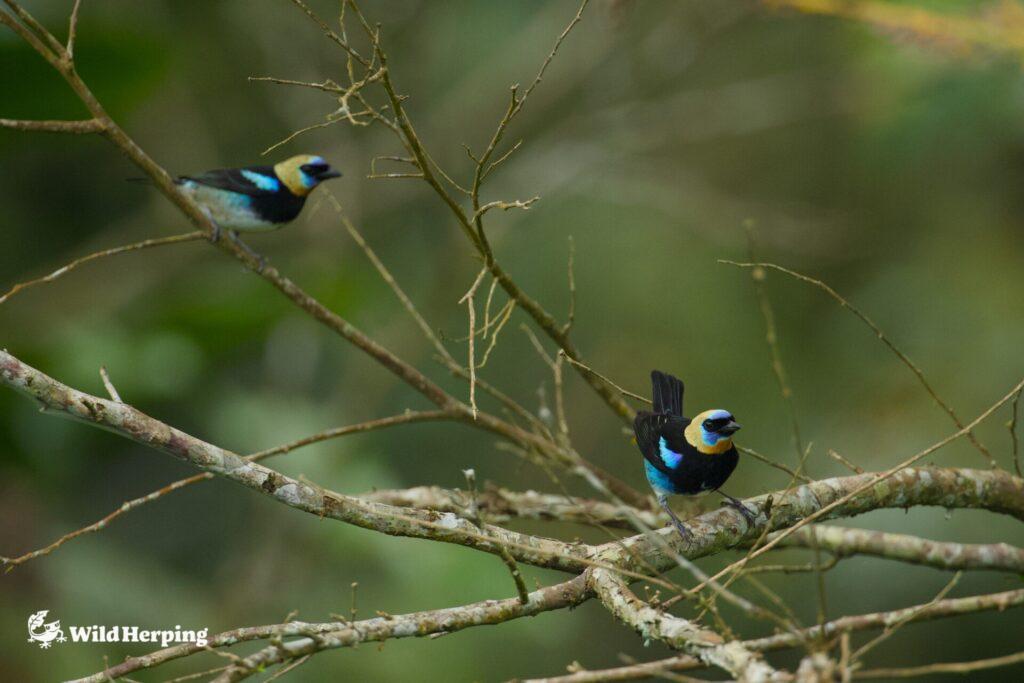

⬜︎Other species we observed
Bananaquit (Coereba flaveola)
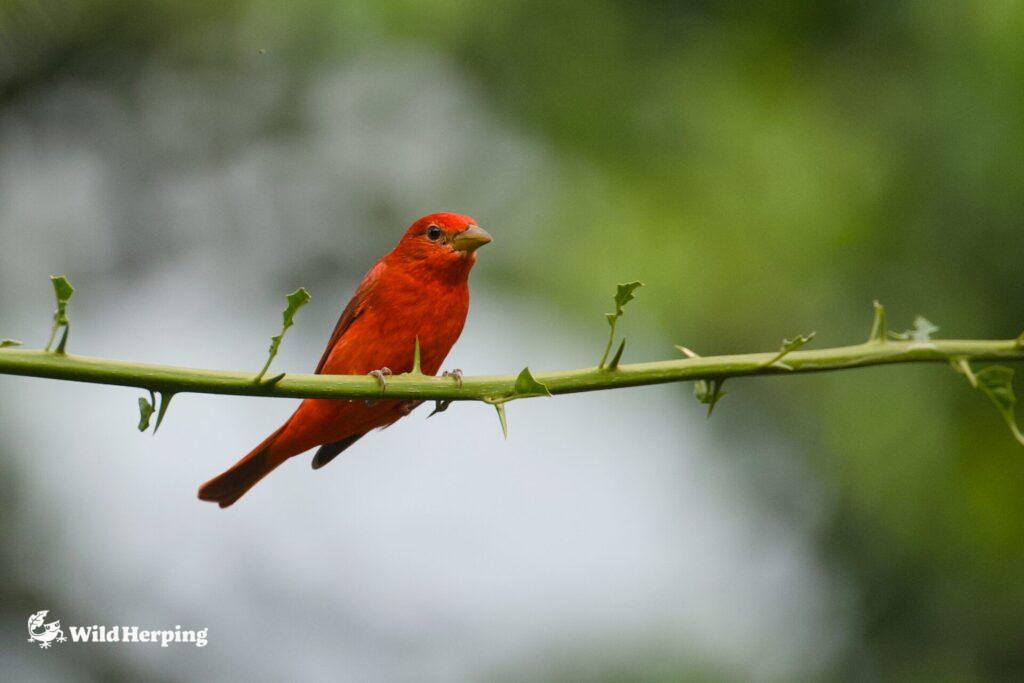
Summer Tanager (Piranga rubra)
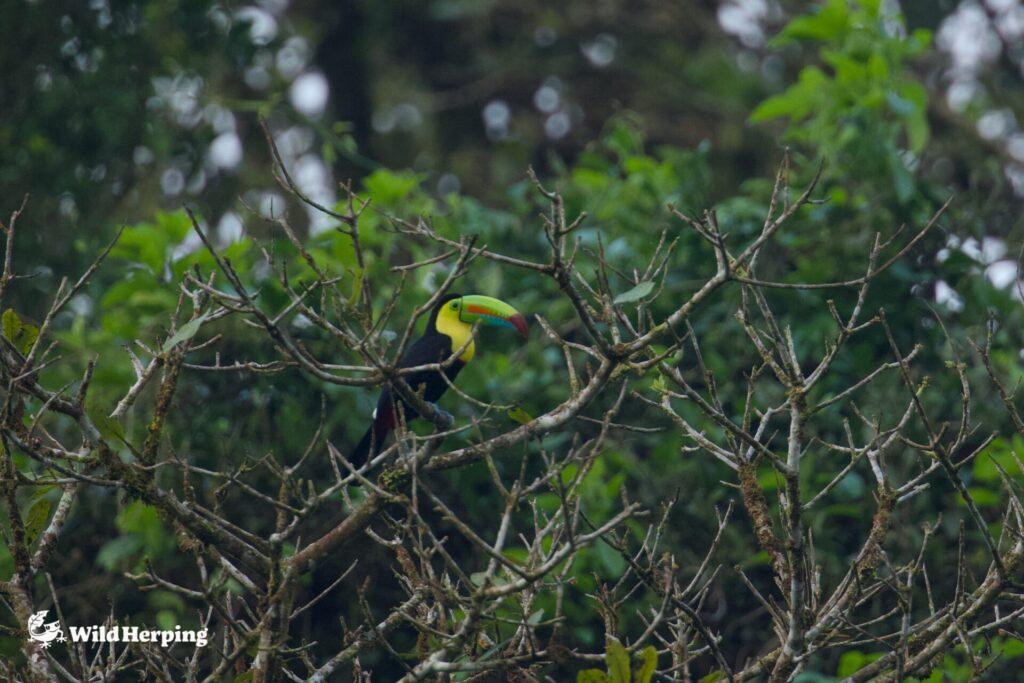
Keel-billed Toucan (Ramphastos sulfuratus)
Social Flycatcher (Myiozetetes similis)
Plain-colored Tanager (Stilpnia inornata)
Palm Tanager (Thraupis palmarum)
Bicolored Antbird (Gymnopithys leucaspis)
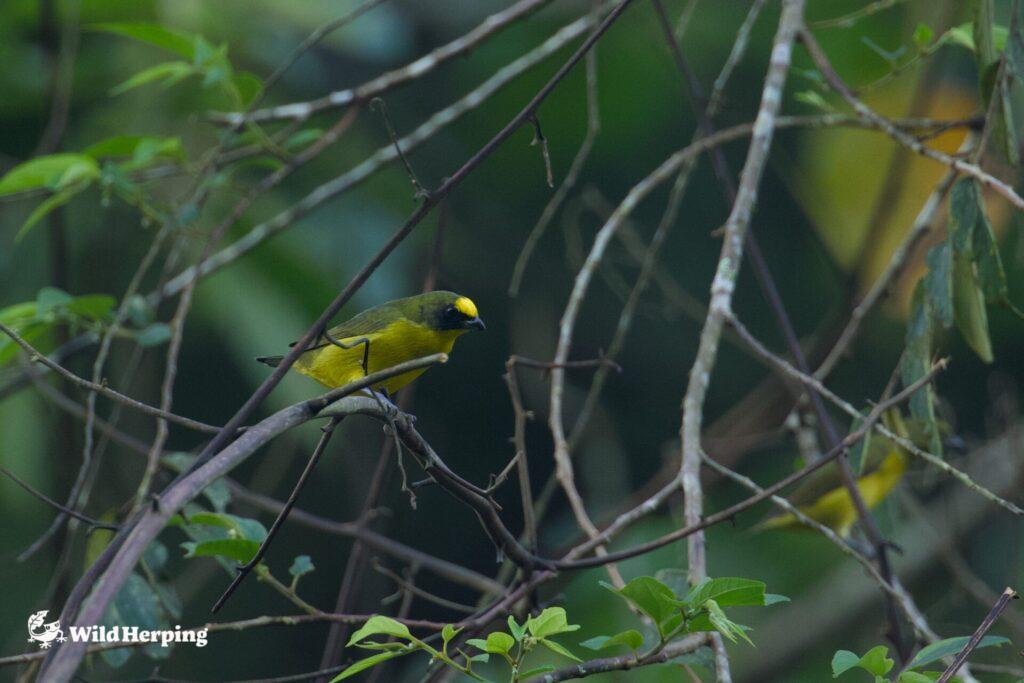
Yellow-crowned Euphonia(Euphonia luteicapilla)
Thick-billed Euphonia (Euphonia laniirostris)
Dusky-faced Tanager (Mitrospingus cassinii)
Golden-hooded Tanager (Stilpnia larvata)
Flame-rumped Tanager (Ramphocelus flammigerus)
Silver-throated Tanager (Stilpnia icterocephala)
Bay Wren (Cantorchilus nigricapillus)
Crowned Woodnymph (Thalurania colombica)
Black-and-white Warbler (Mniotilta varia)
Tufted Flycatcher (Mitrephanes phaeocercus)
Chestnut-capped Warbler (Basileuterus delattrii)
Bay-headed Tanager (Stilpnia gyrola)
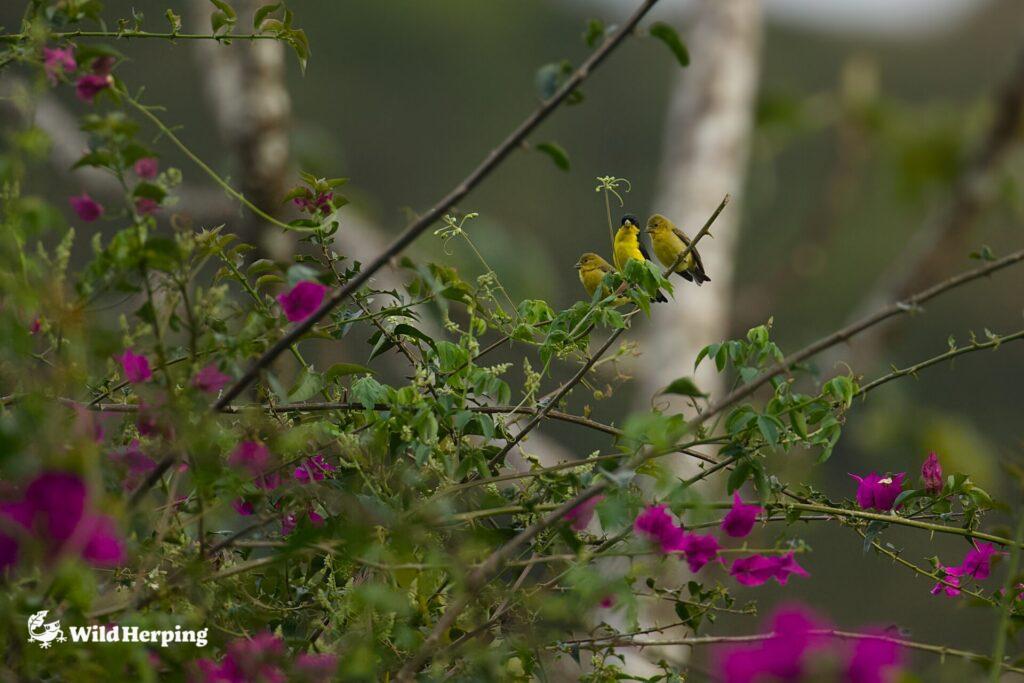
Variable Seedeater (Sporophila corvina)
Yellow-olive Flatbill (Tolmomyias sulphurescens)
Roadside Hawk (Rupornis magnirostris)
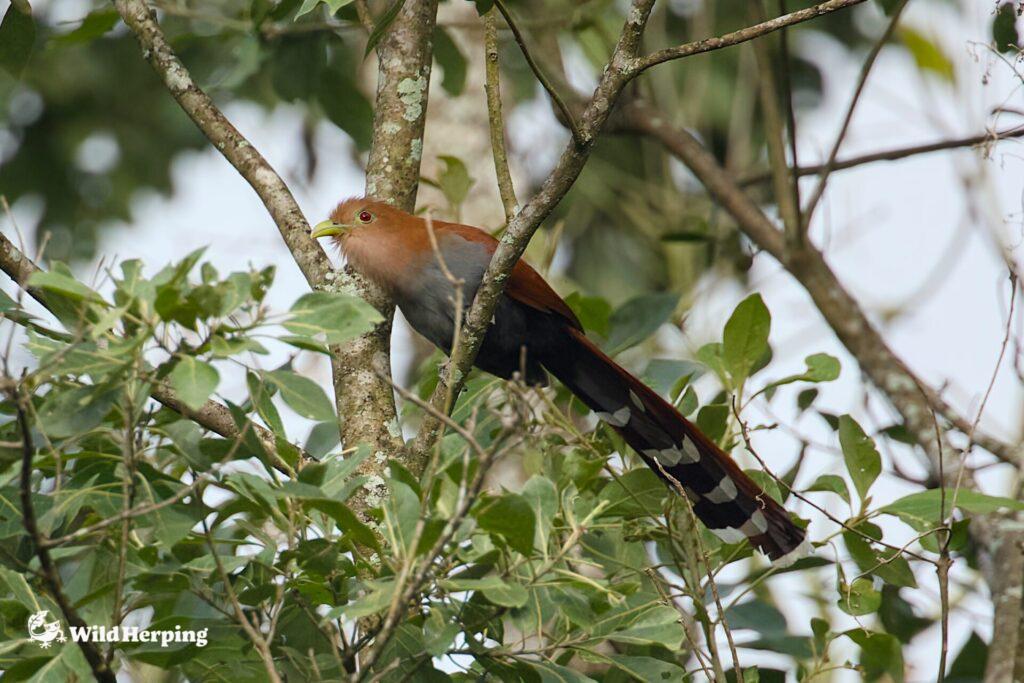
Common Squirrel Cuckoo (Piaya cayana)
Common Tody-Flycatcher (Todirostrum cinereum)
Lesson’s Motmot (Momotus lessonii)
Broad-billed Motmot (Electron platyrhynchum)
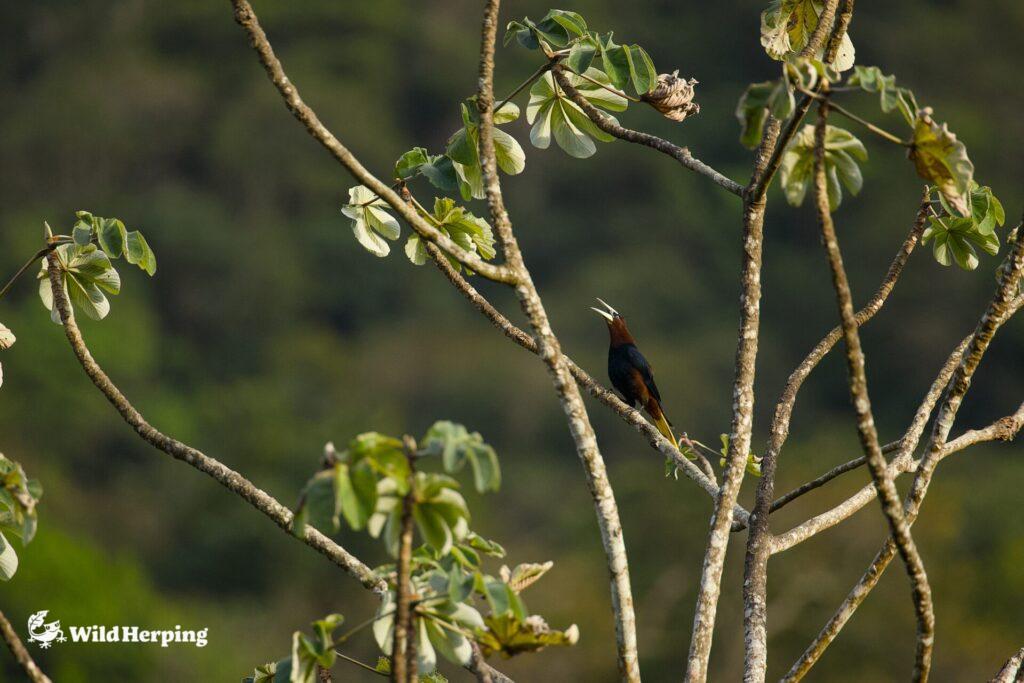
Chestnut-headed Oropendola (Psarocolius wagleri)
Streaked Flycatcher (Myiodynastes maculatus)
Red-crowned Woodpecker (Melanerpes rubricapillus)
Lineated Woodpecker (Dryocopus lineatus)
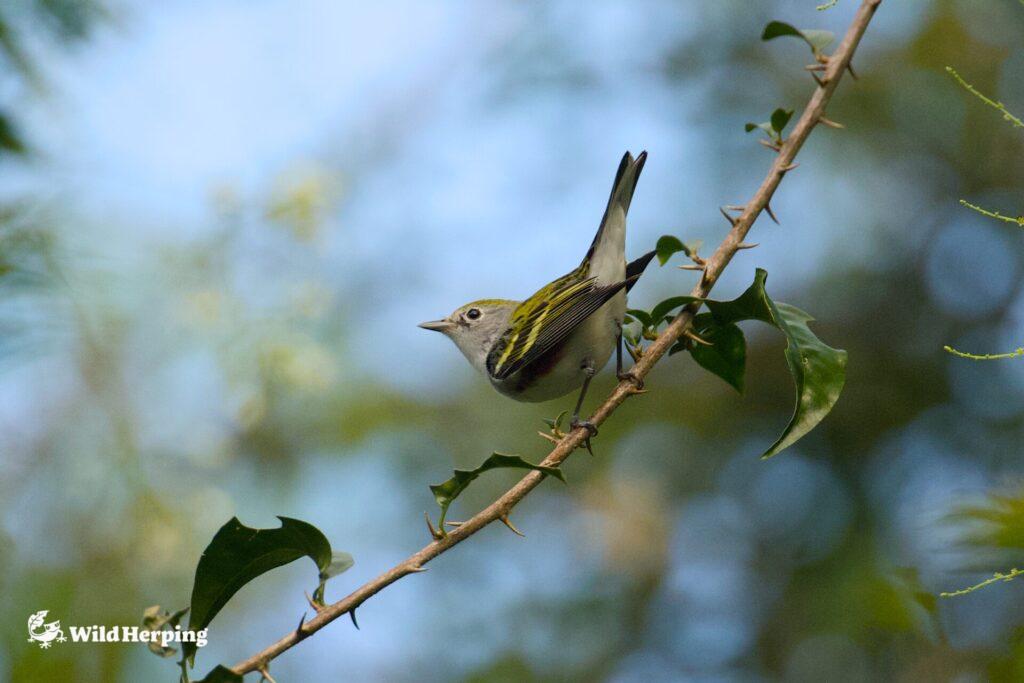
Chestnut-sided Warbler (Setophaga pensylvanica)
Crimson-backed Tanager (Ramphocelus dimidiatus)
Tropical Mockingbird (Mimus gilvus)


