
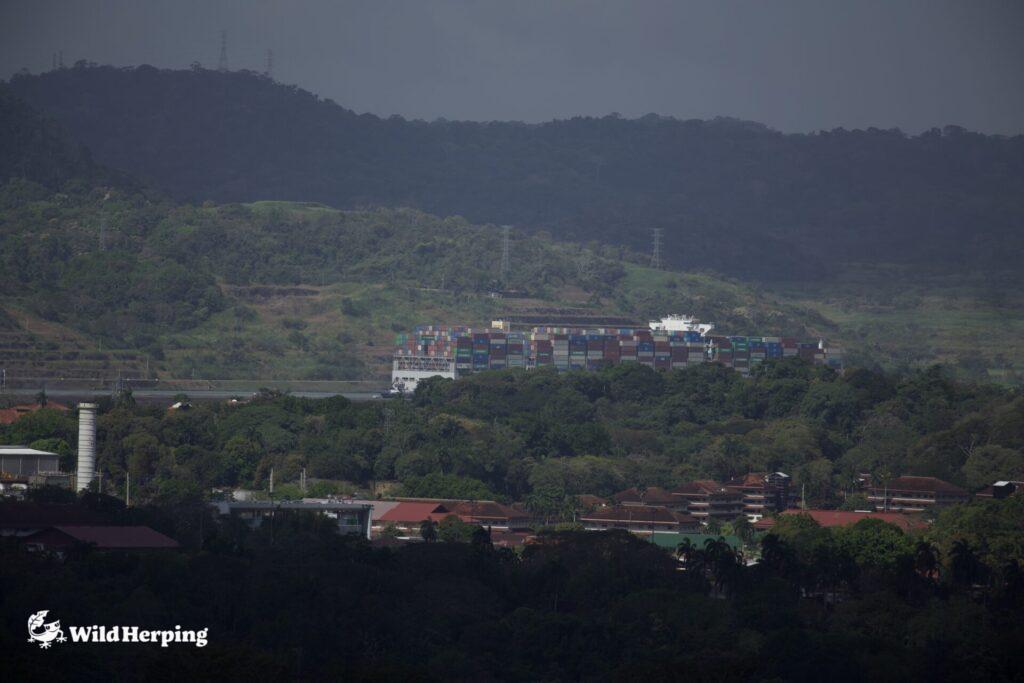
Continuing from the previous installment, this is the second report from our Panama Birdwatching Expeditionconducted in the first half of January.
This time, I will introduce the birds we observed at several sites around Panama City, the capital of Panama.
The areas surrounding Panama City have long been protected to secure water resources for the Panama Canal, resulting in well-preserved forests and lakes. Thanks to this conservation history, a wide variety of excellent birdwatching sites can be reached with only a short drive from the city.
During this trip, we spent three nights and four days observing birds in these areas.
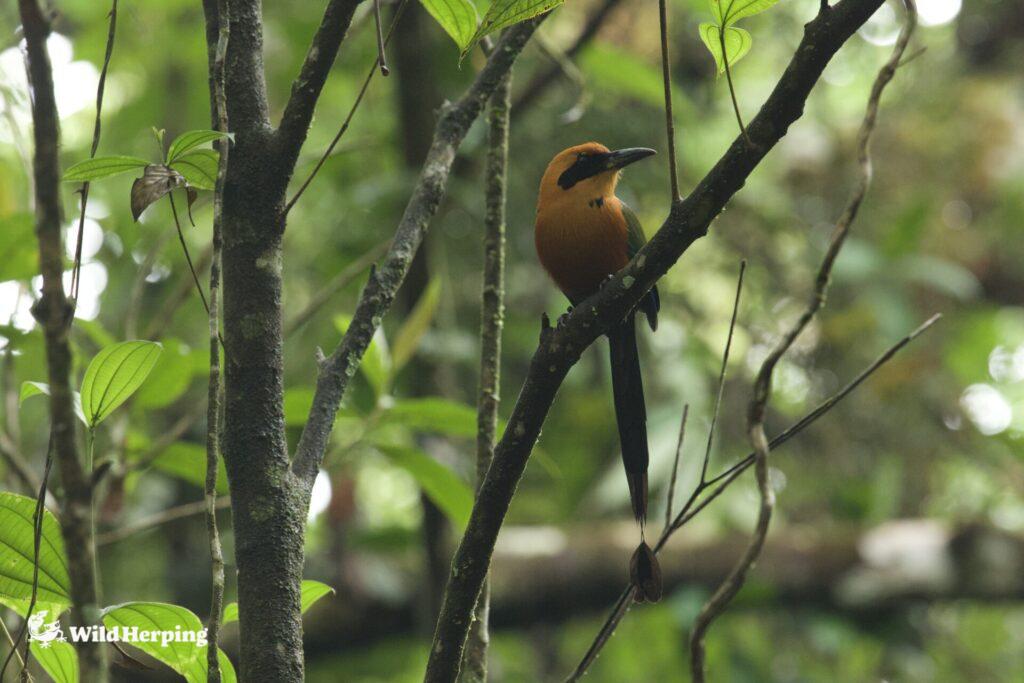
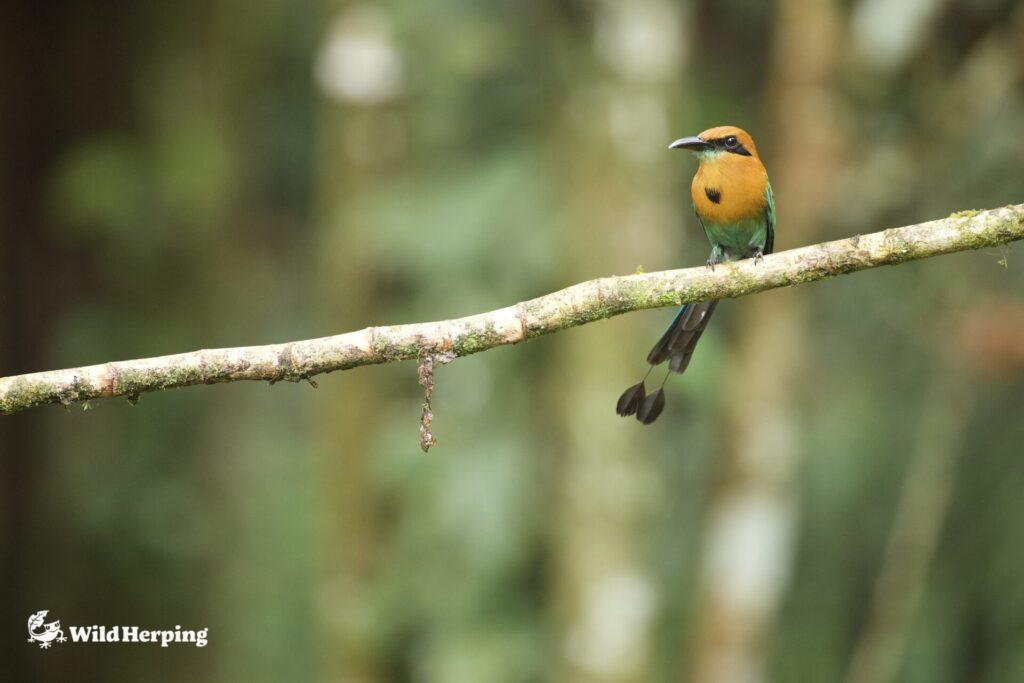
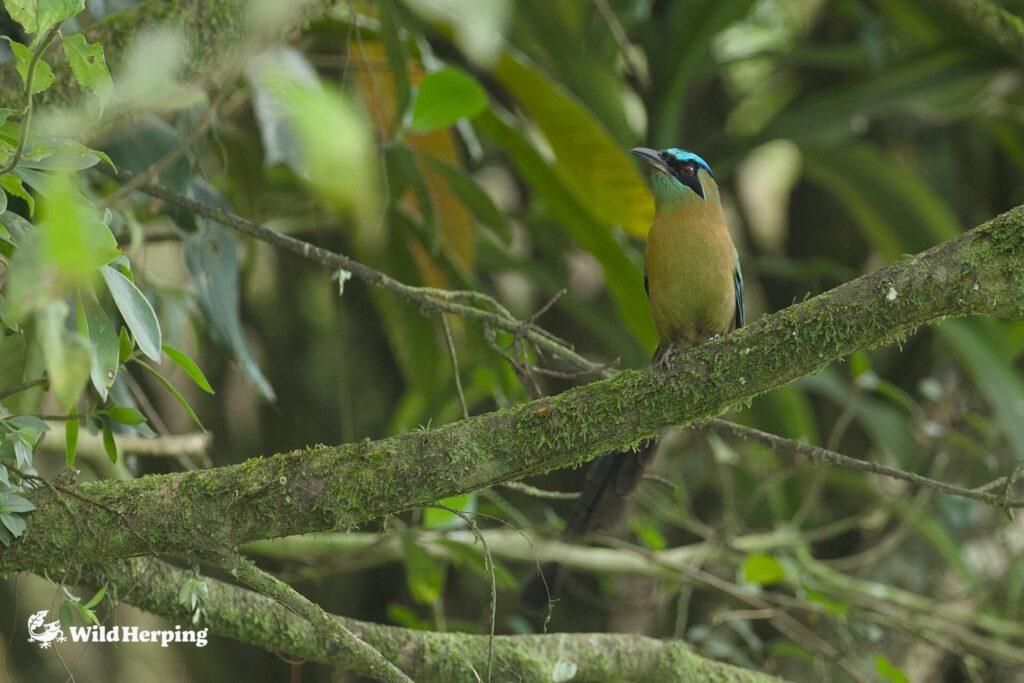
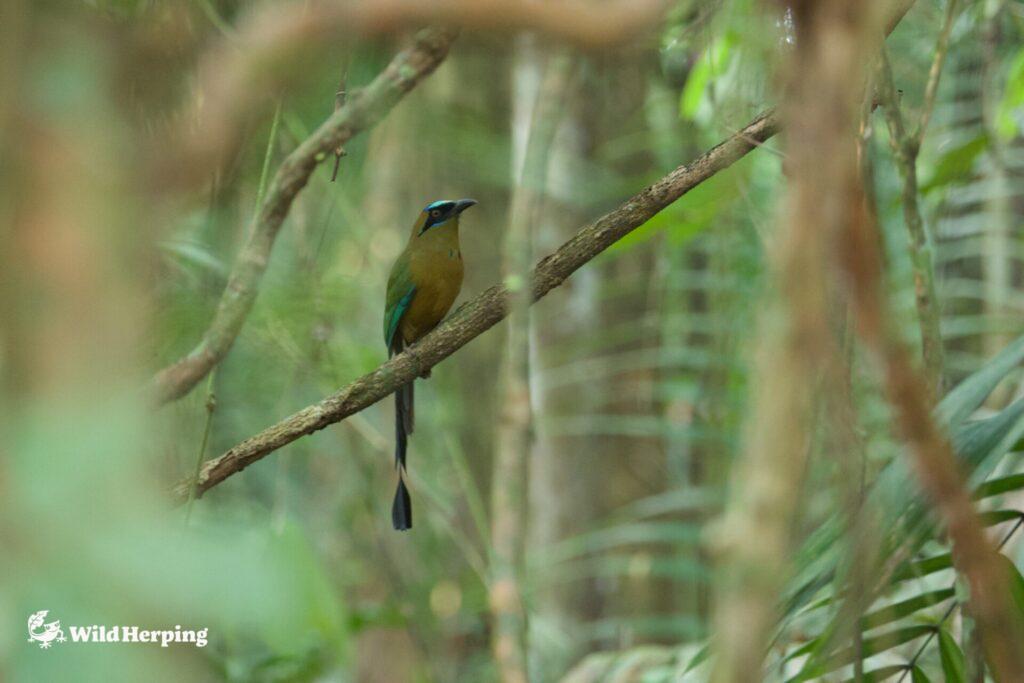
One of our greatest highlights was our success with the motmot family. Including the species introduced in the previous report, we were fortunate enough to observe all five motmot species found in Panama, a truly rewarding achievement.
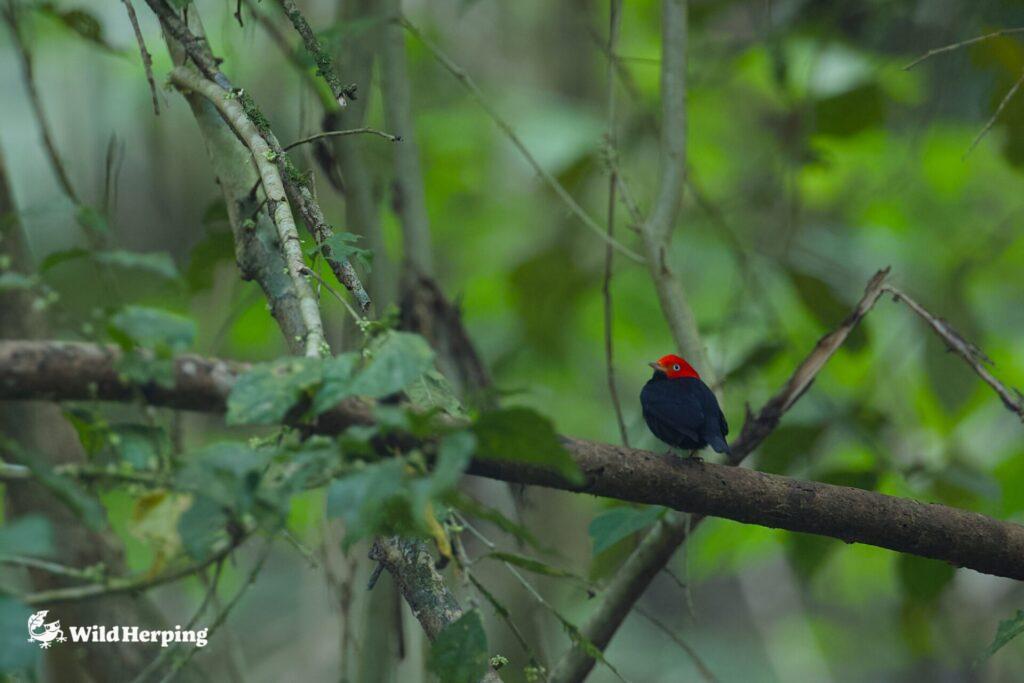
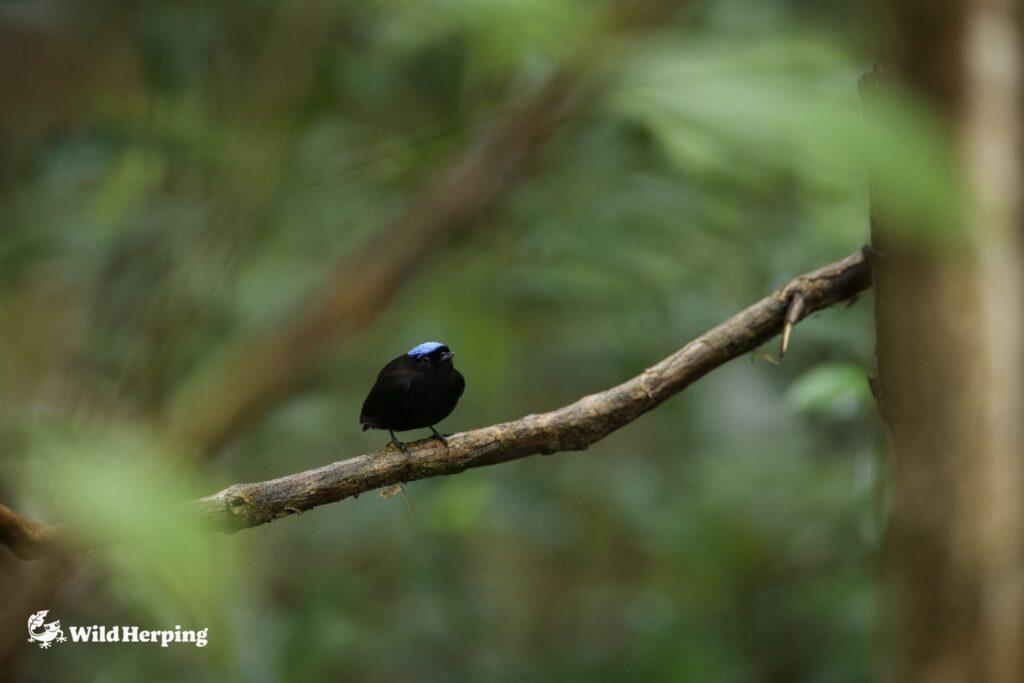
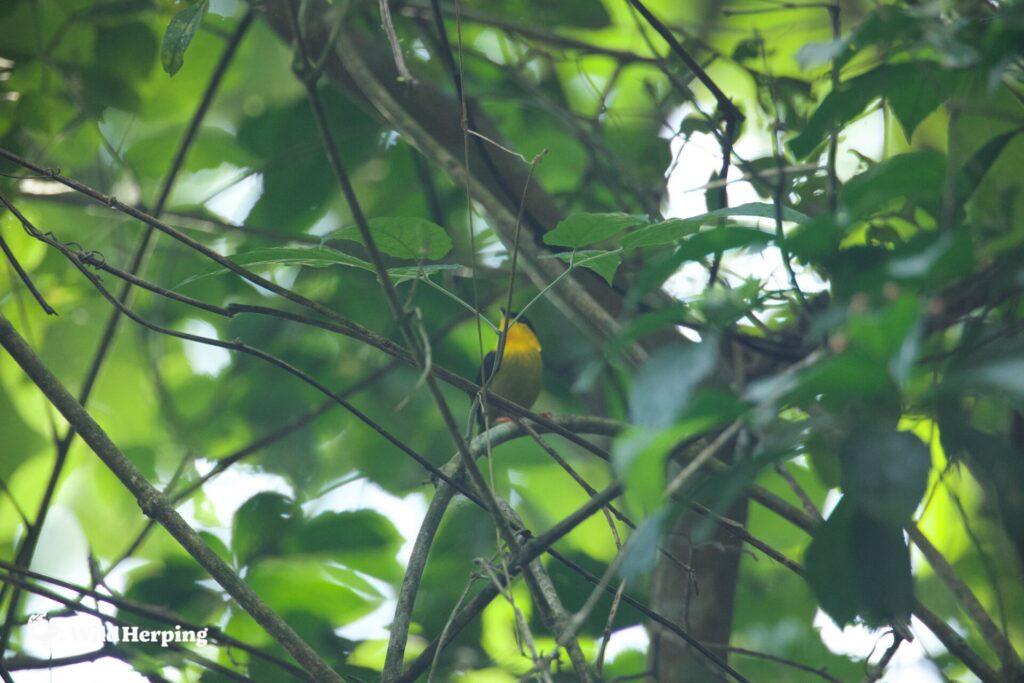
The ever-popular manakins were also present. Their short legs and round bodies give them an irresistibly charming appearance, captivating everyone who encounters them.
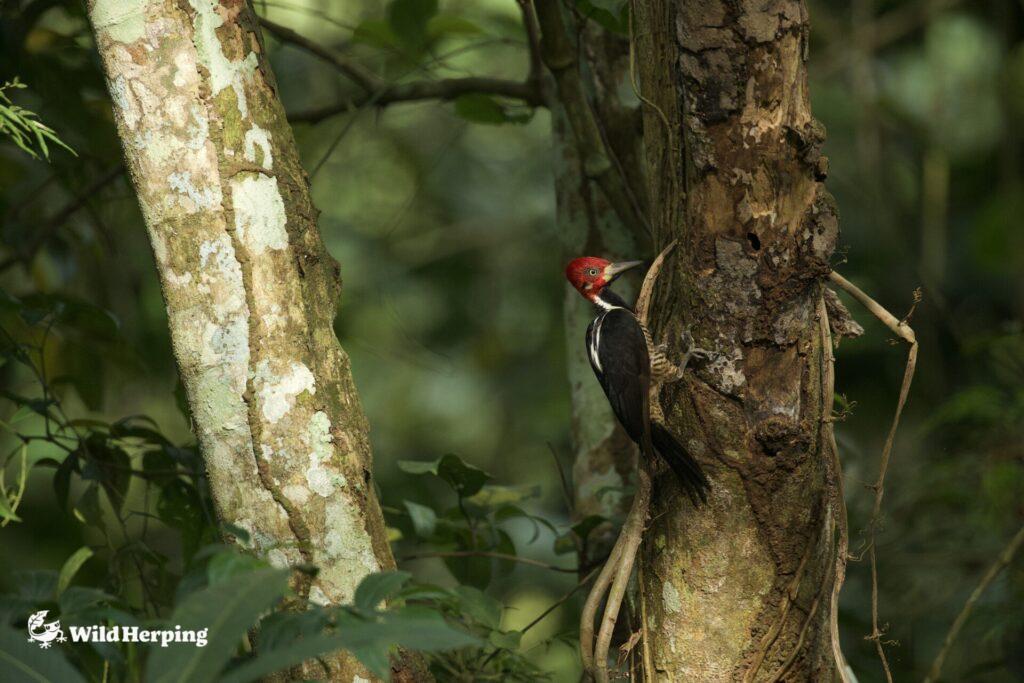
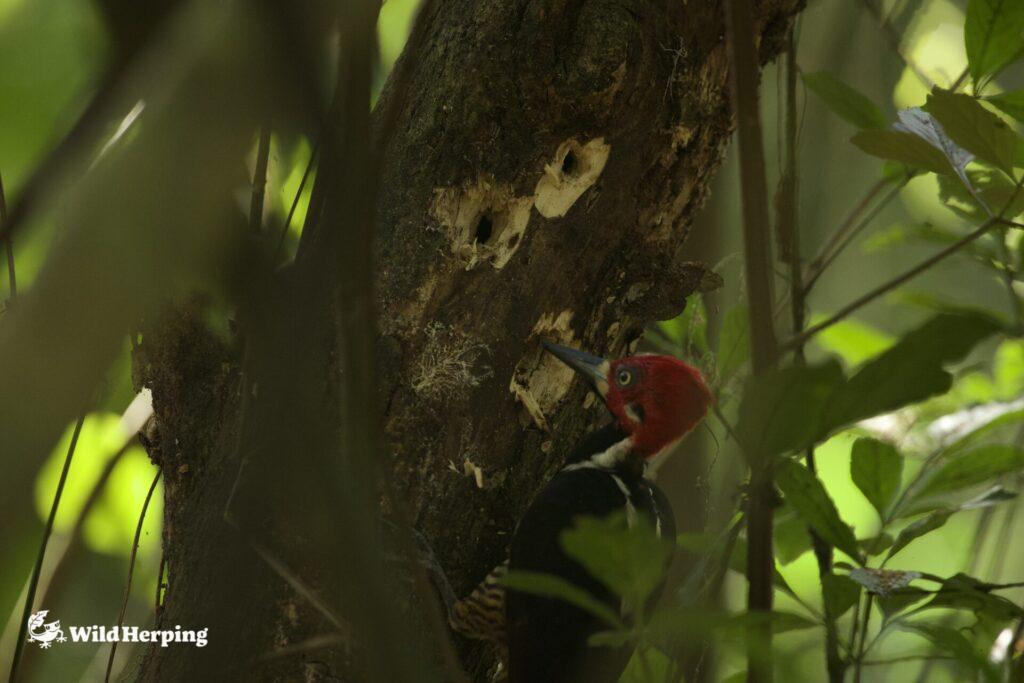
Even our local guide was surprised by our encounter with the Crimson-crested Woodpecker. Normally a species that stays high in the canopy, these birds were in the peak of the breeding season. The male, focused entirely on collecting food to present to the female, paid little attention to people. This allowed us to photograph the species at exceptionally close range.
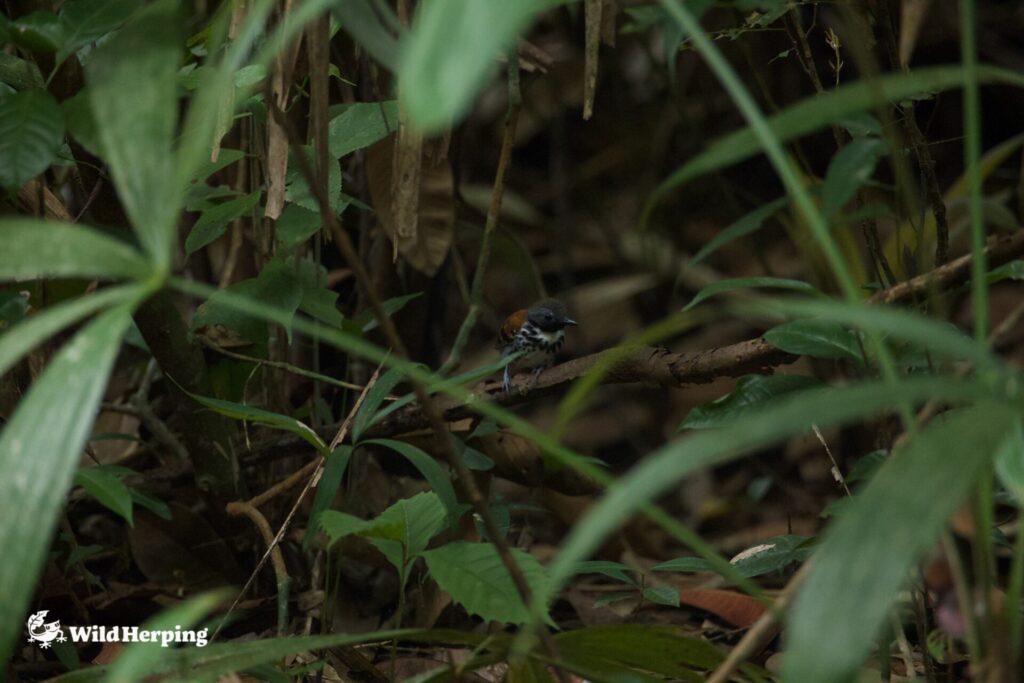
During our birding sessions, we encountered army ant swarms on several occasions. At times numbering over one million individuals, army ants move en masse across the forest floor, sweeping up insects hiding beneath leaf litter and fallen branches. As insects flee in panic, antbirds and other insectivorous species gather to take advantage of the feeding opportunity.
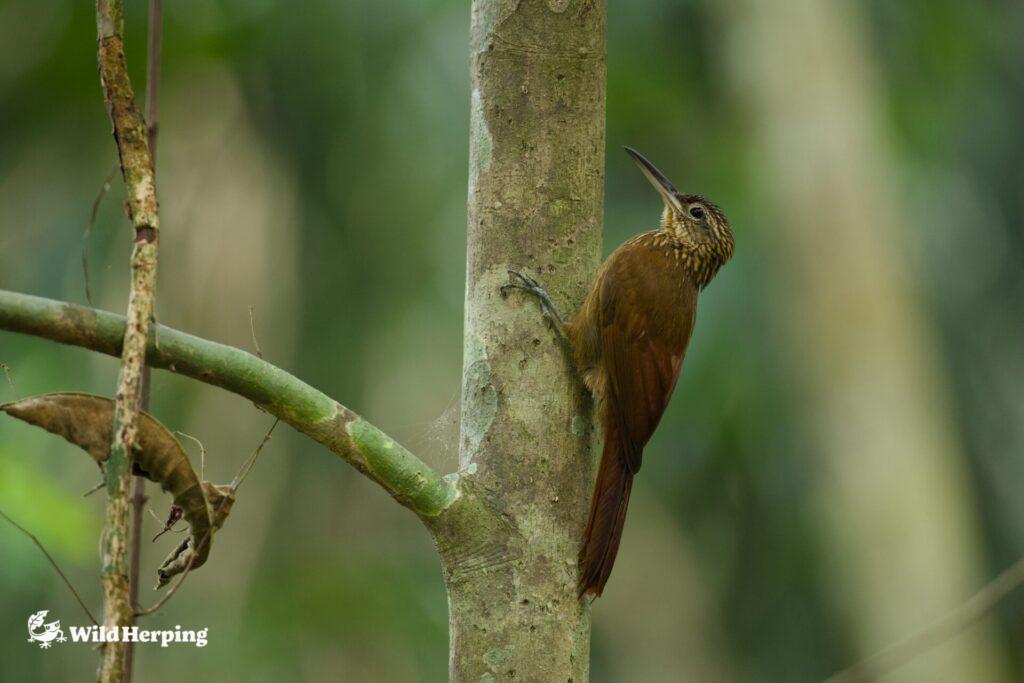
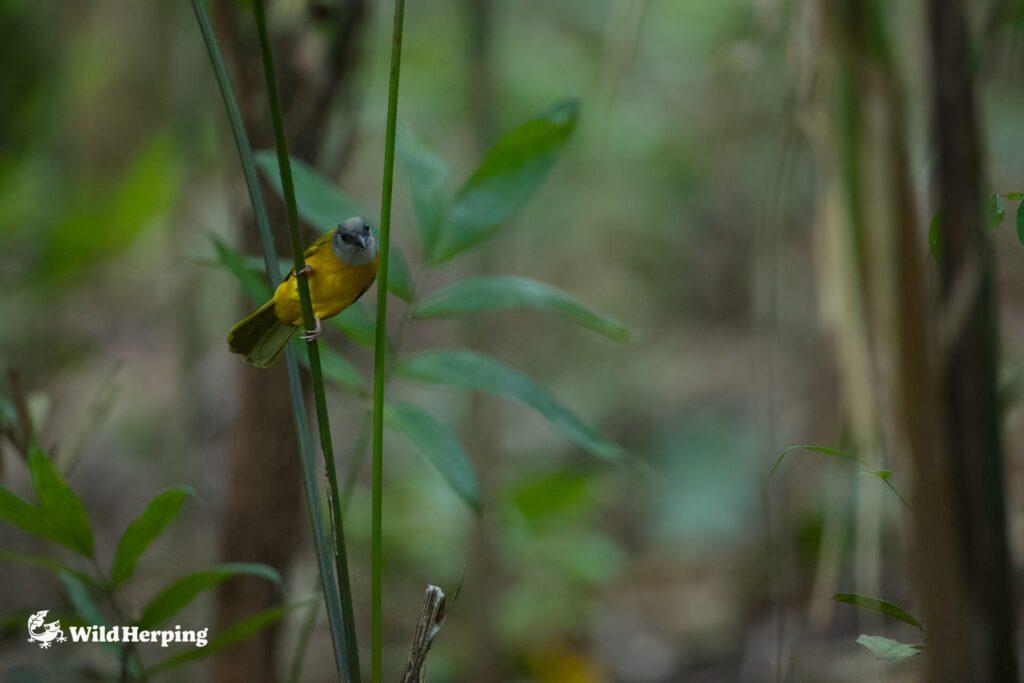
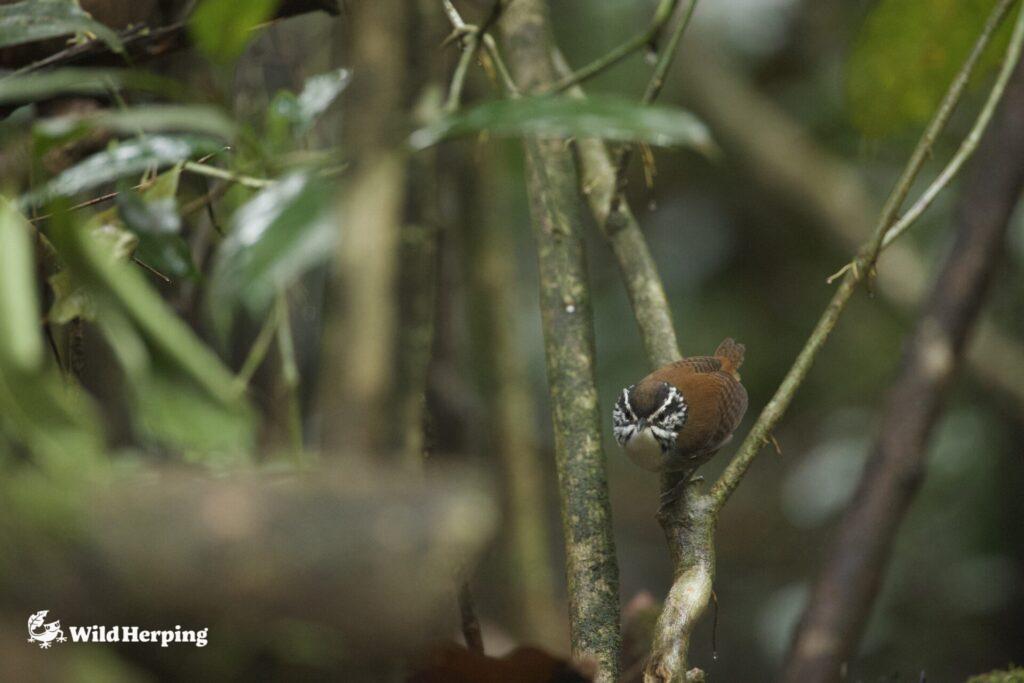
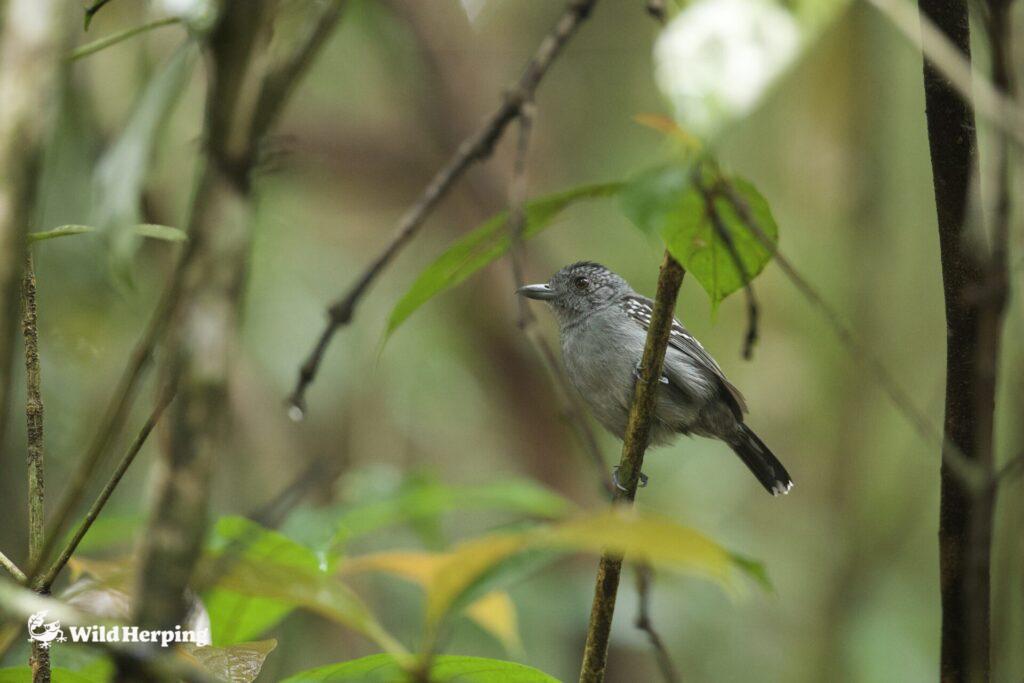
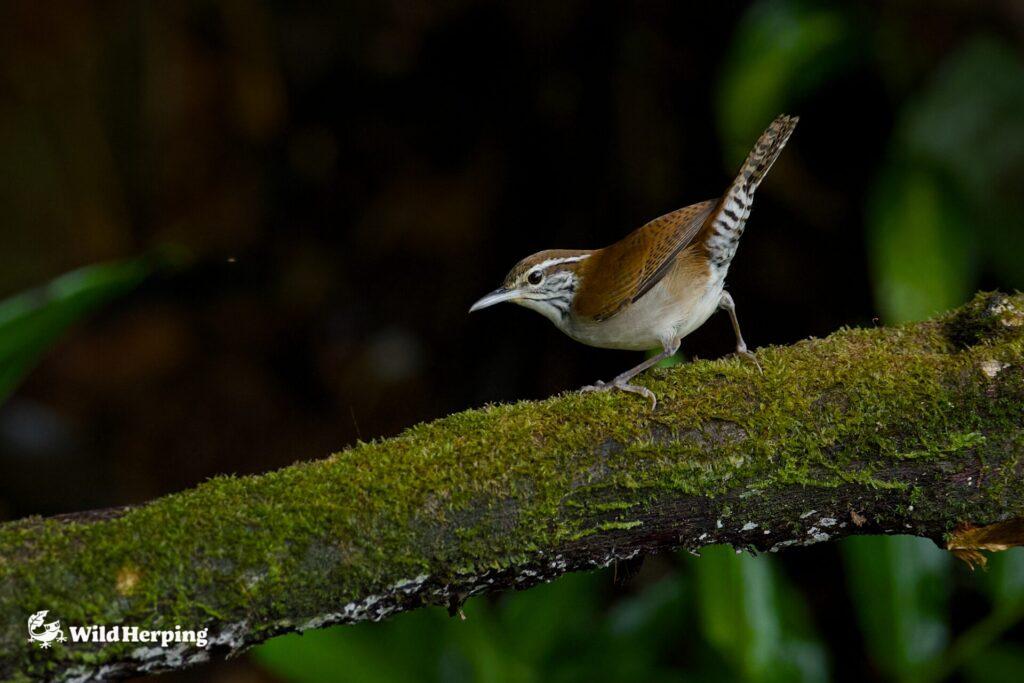
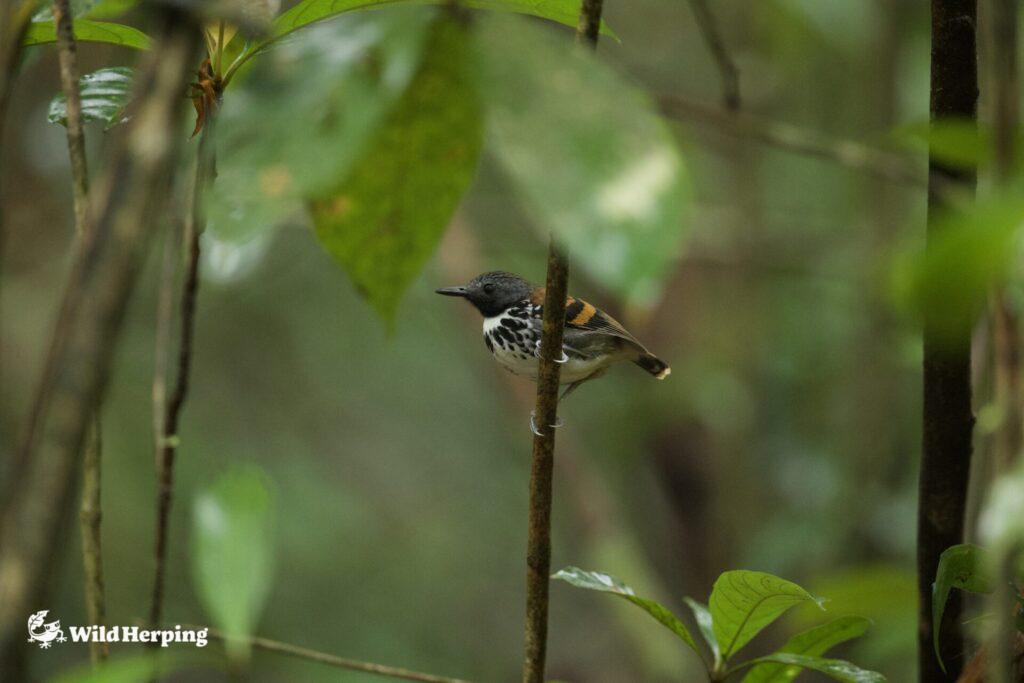
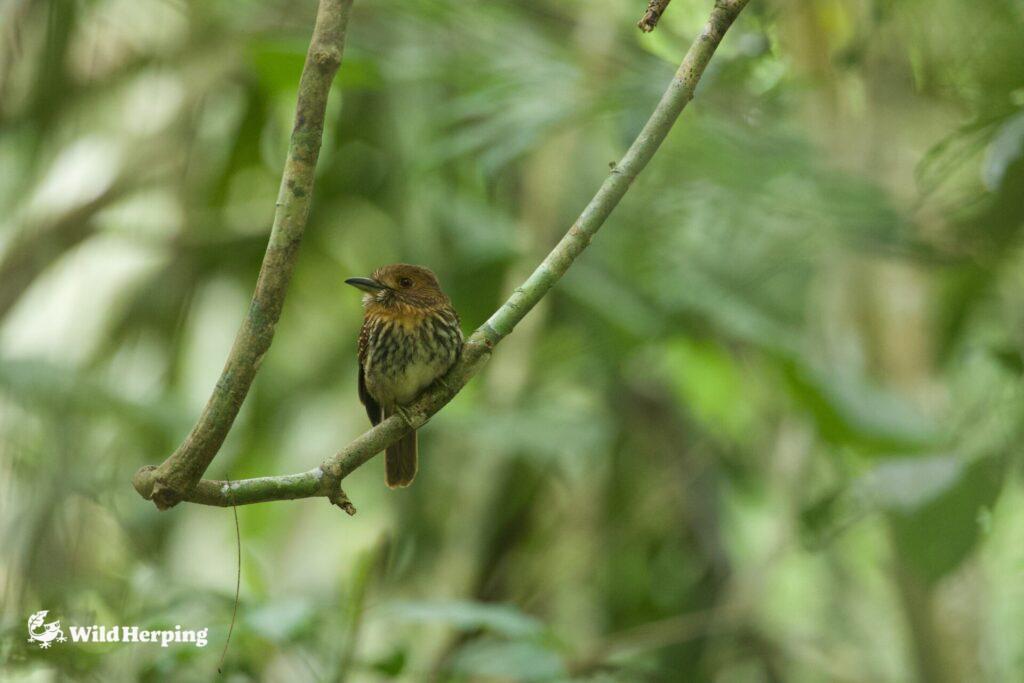
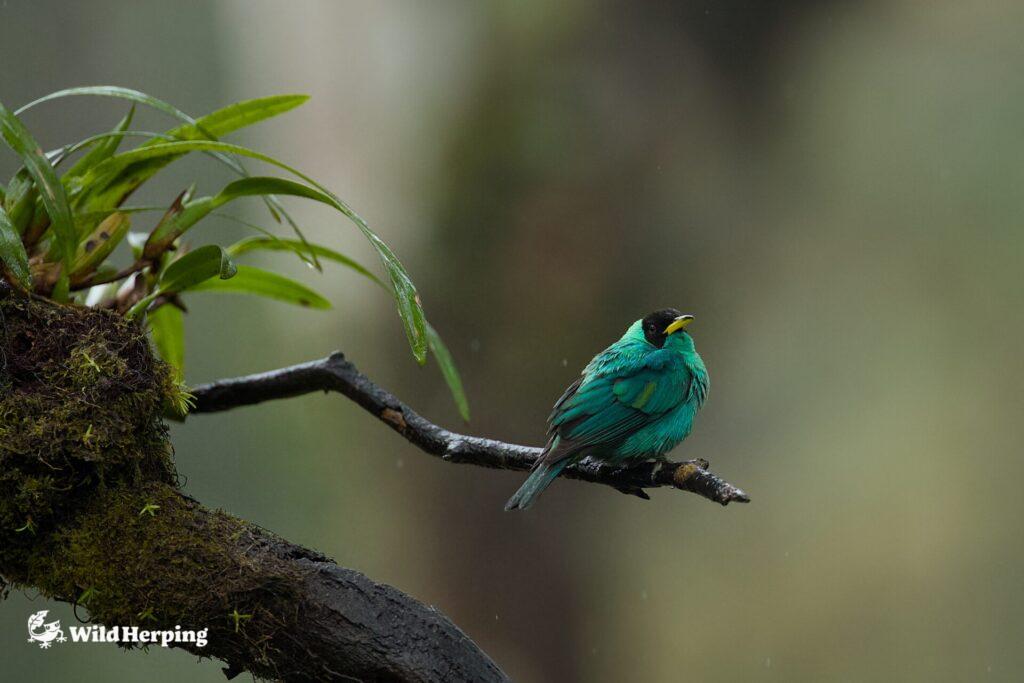
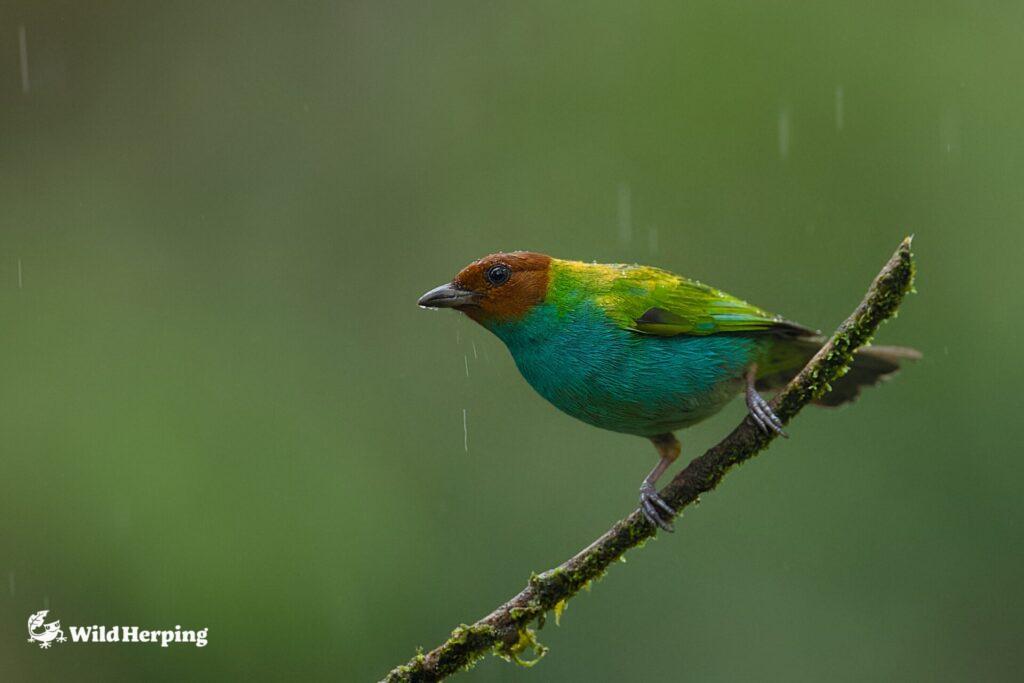
We also observed many colorful honeycreepers, a hallmark of Central America. These species often form mixed-species flocks with tanagers, and the vivid diversity of colors within these flocks is truly characteristic of the region.
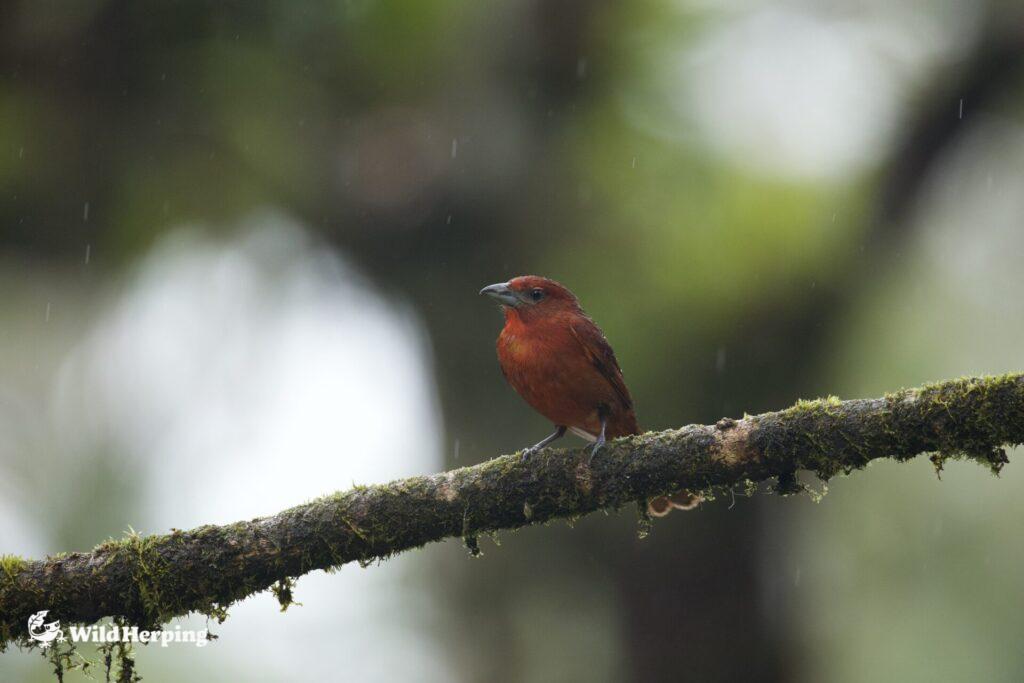
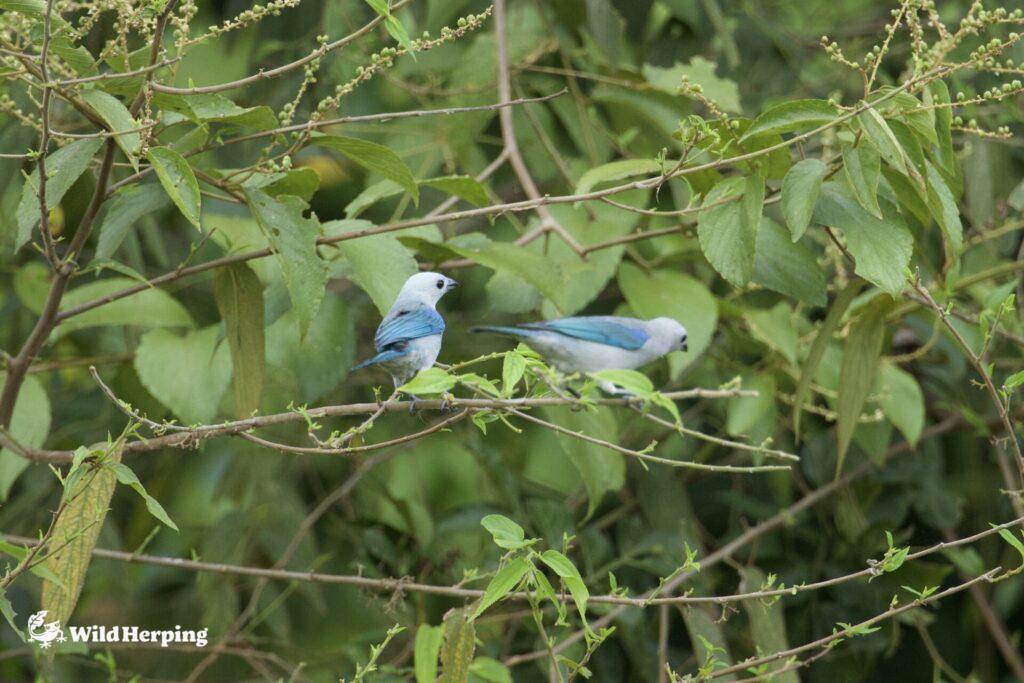
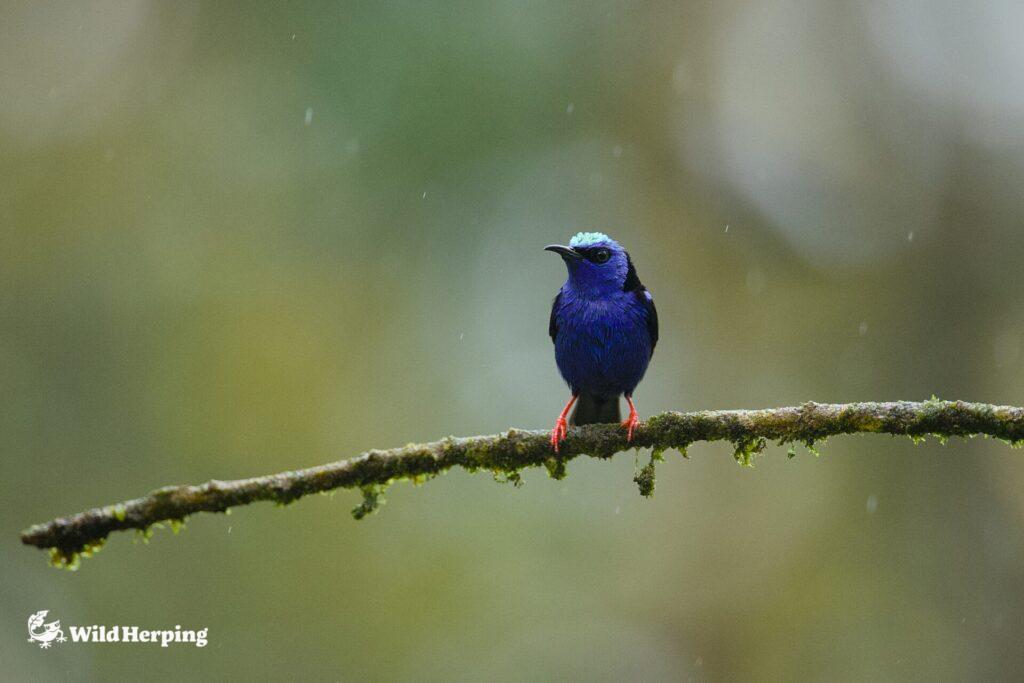

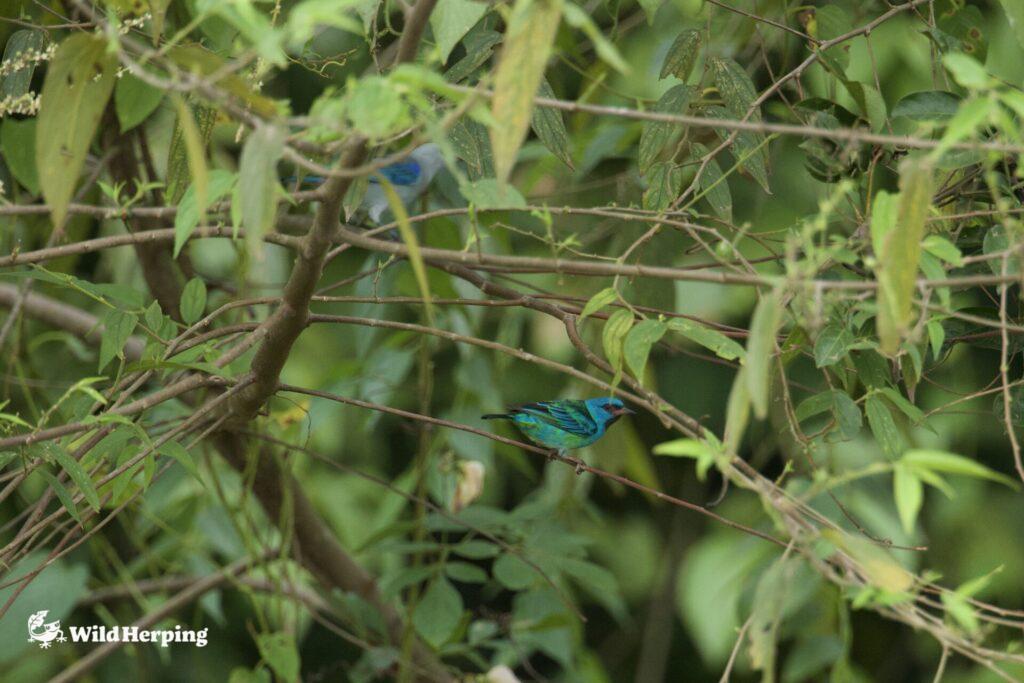
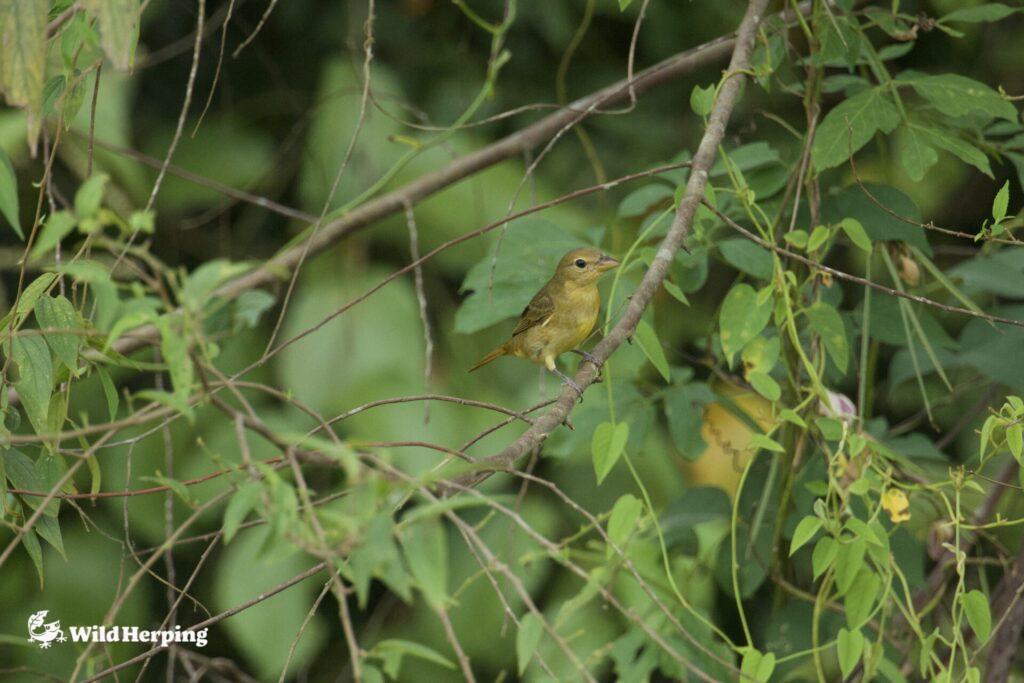
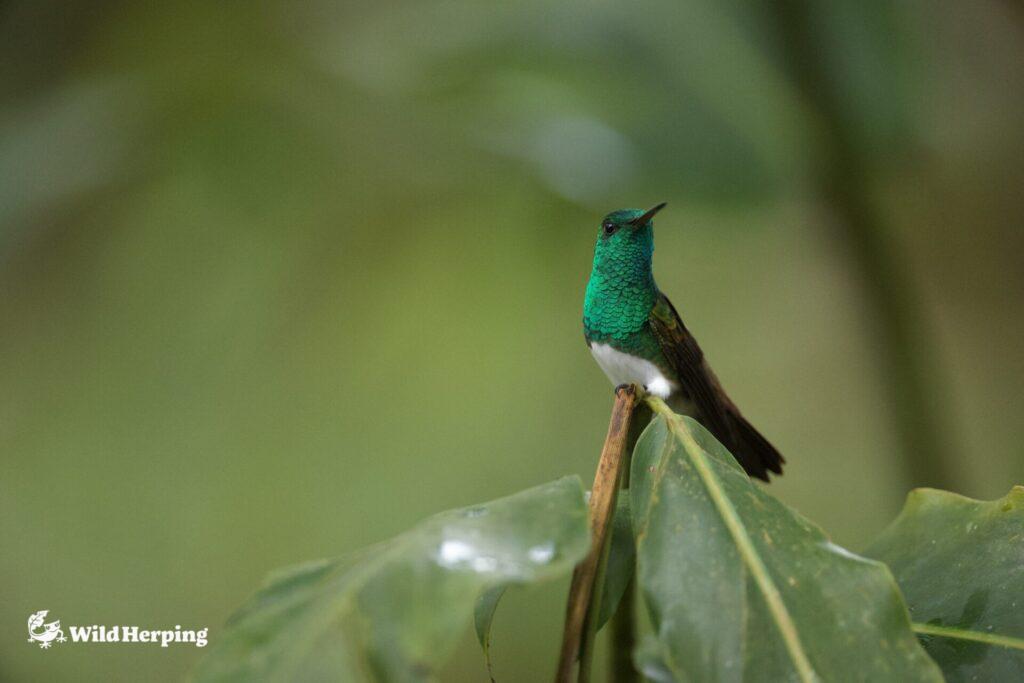
Numerous hummingbird species were recorded as well. My personal favorite was the Booted Racket-tail, a remarkable hummingbird distinguished by its feathered legs.
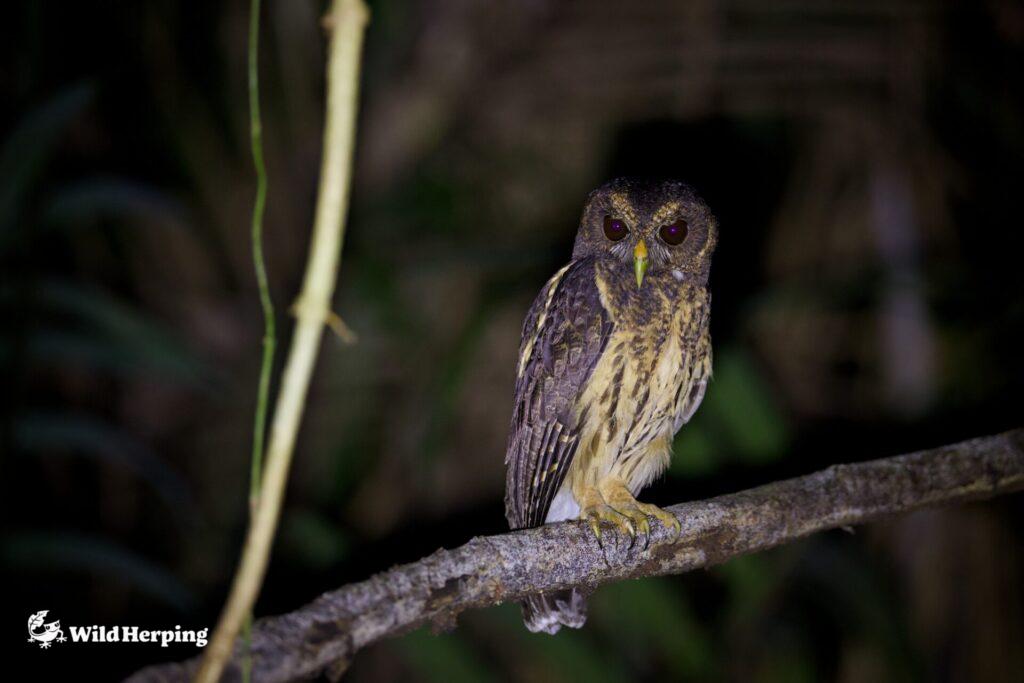
Night excursions were equally rewarding. We observed owls patiently waiting in silence for prey to pass by, bringing our expedition to a deeply satisfying conclusion.
Other birds we observed.
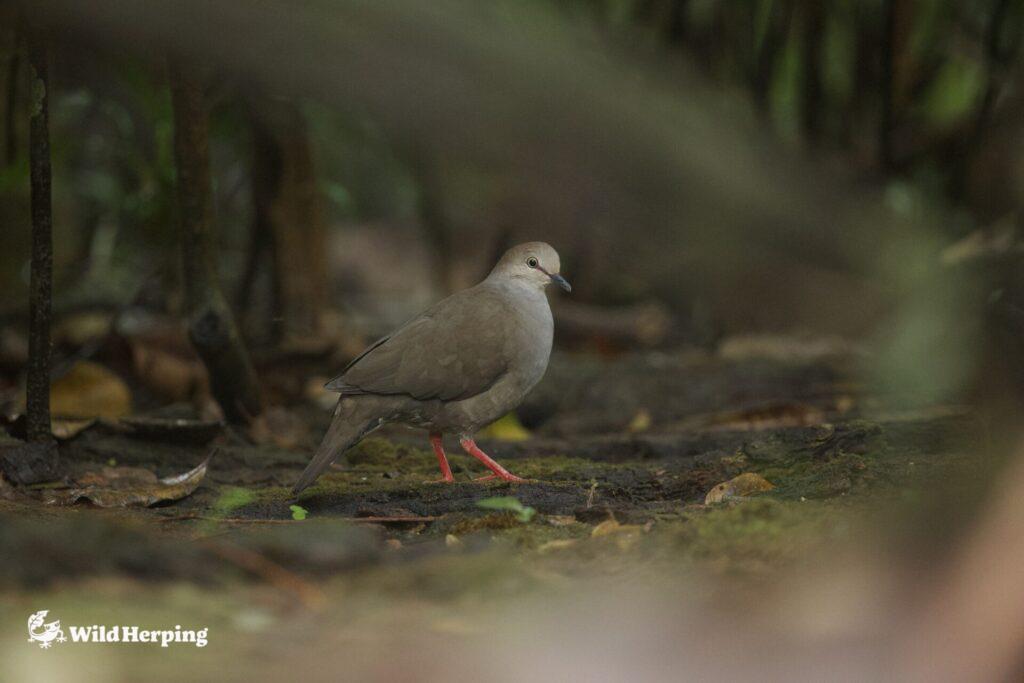
(Leptotila cassinii)
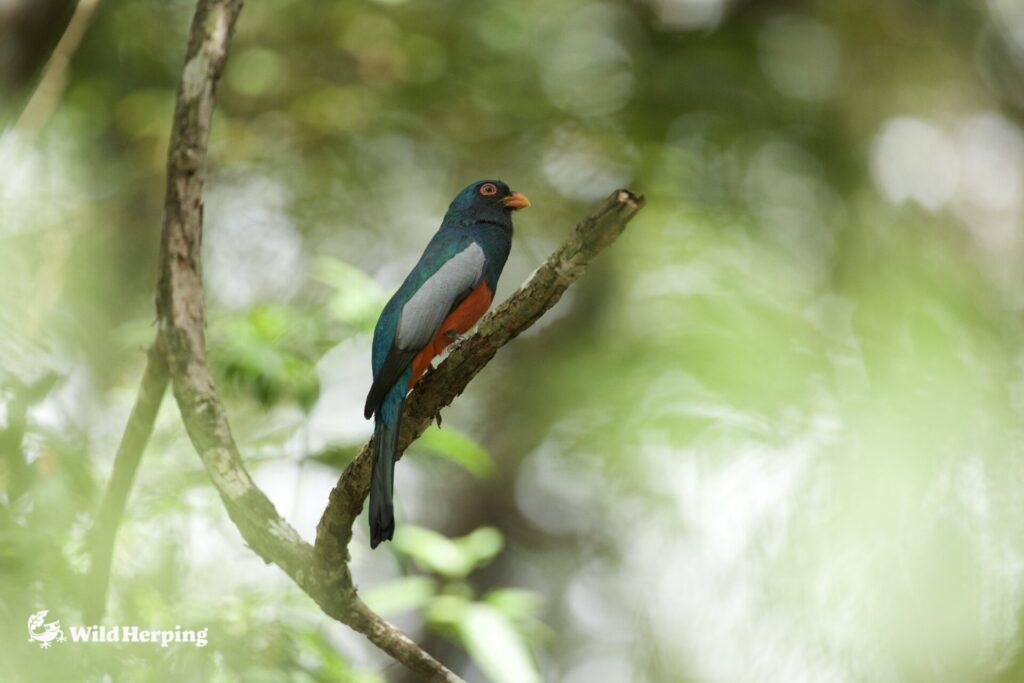
(Trogon massena)
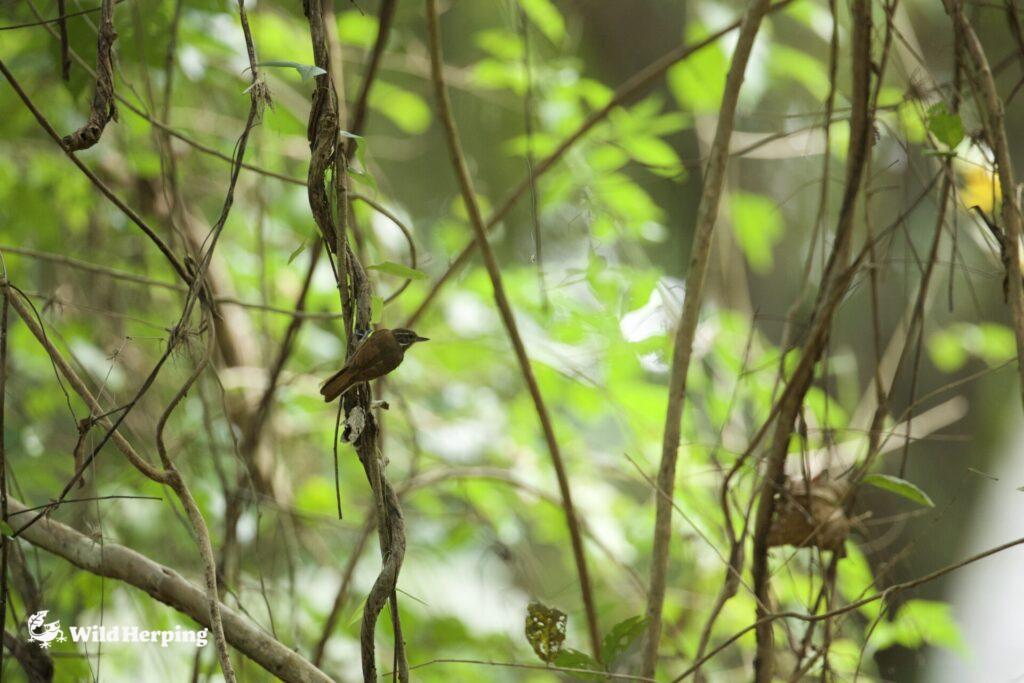
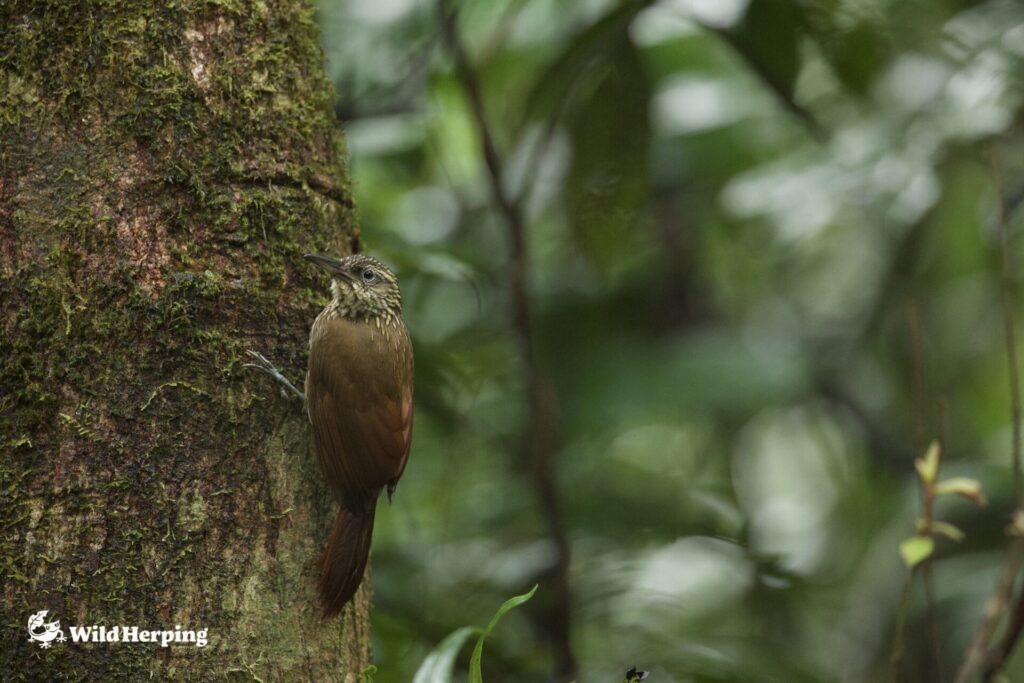
(Xenops rutilans)
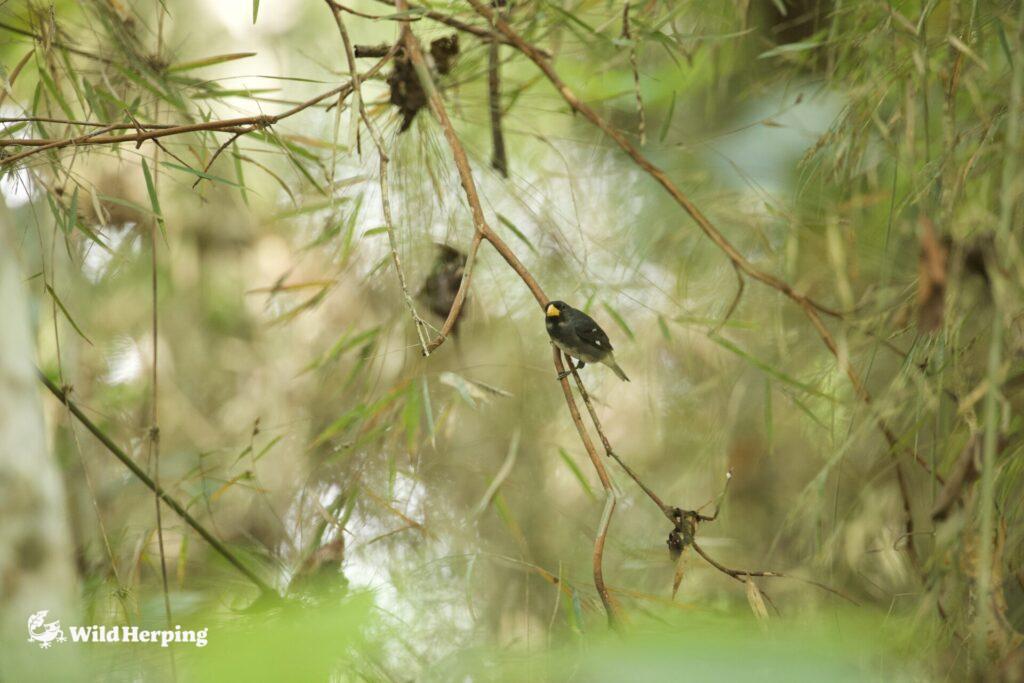
(Sporophila funerea
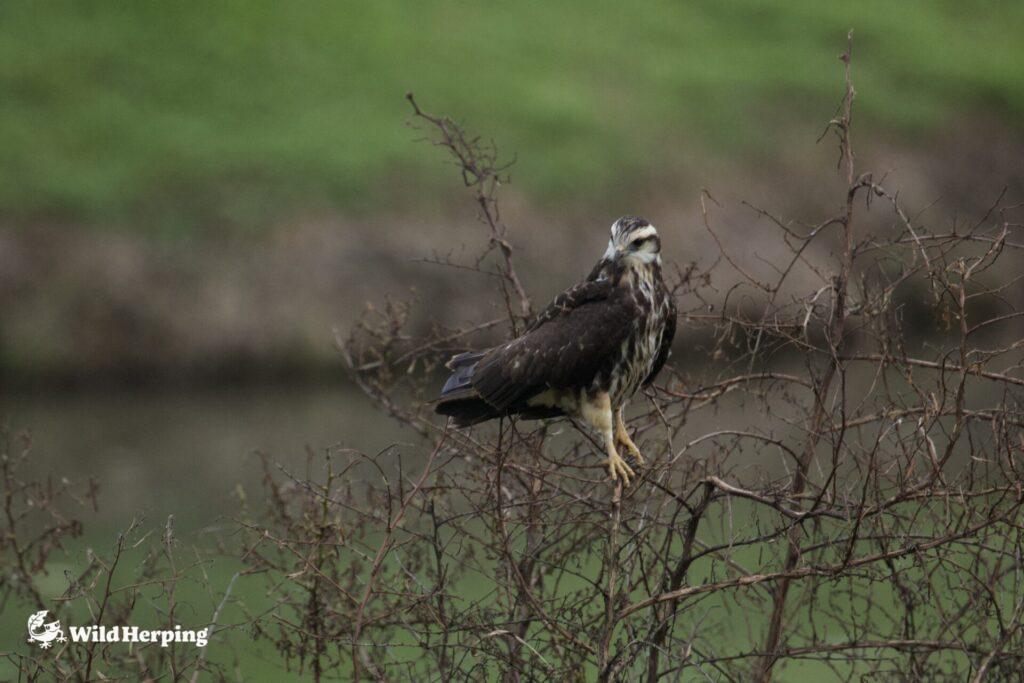
(Rostrhamus sociabilis)
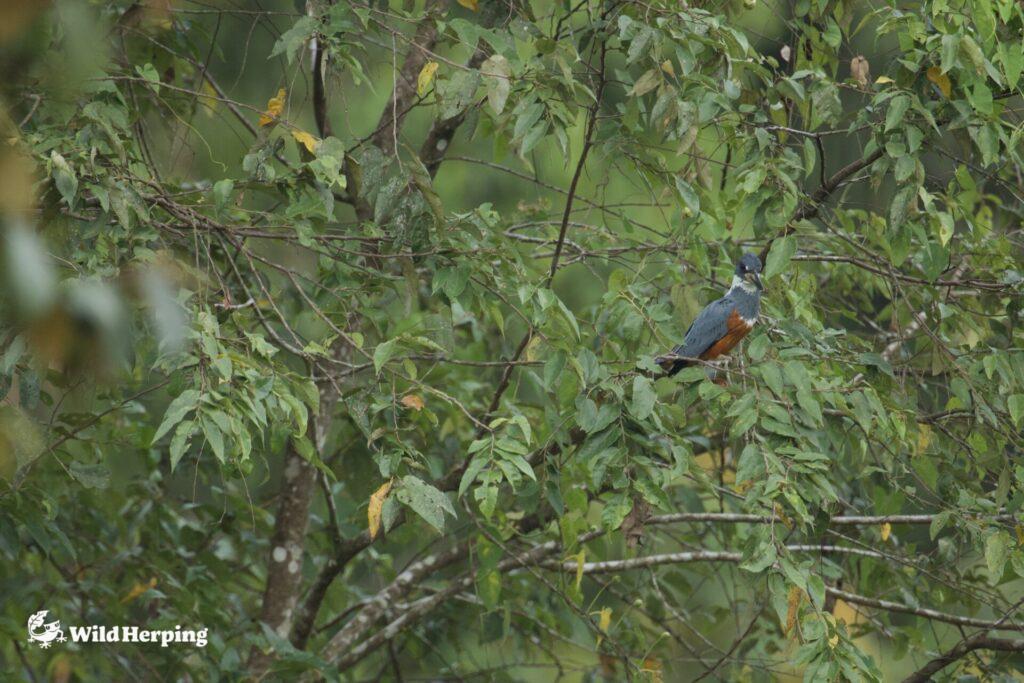
(Megaceryle torquata)
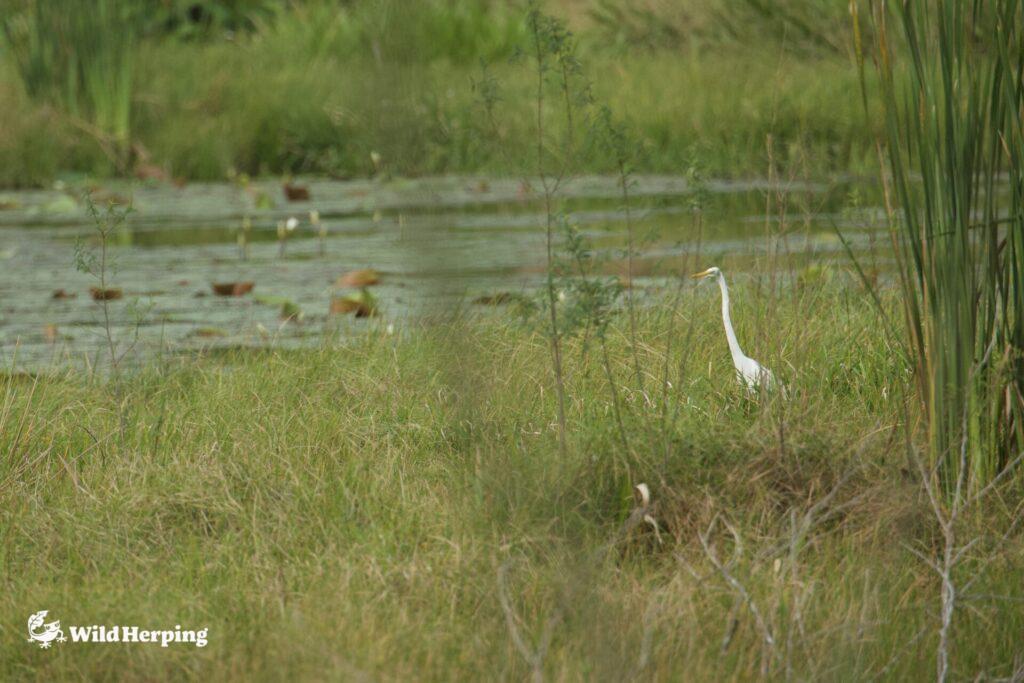
(Ardea alba)
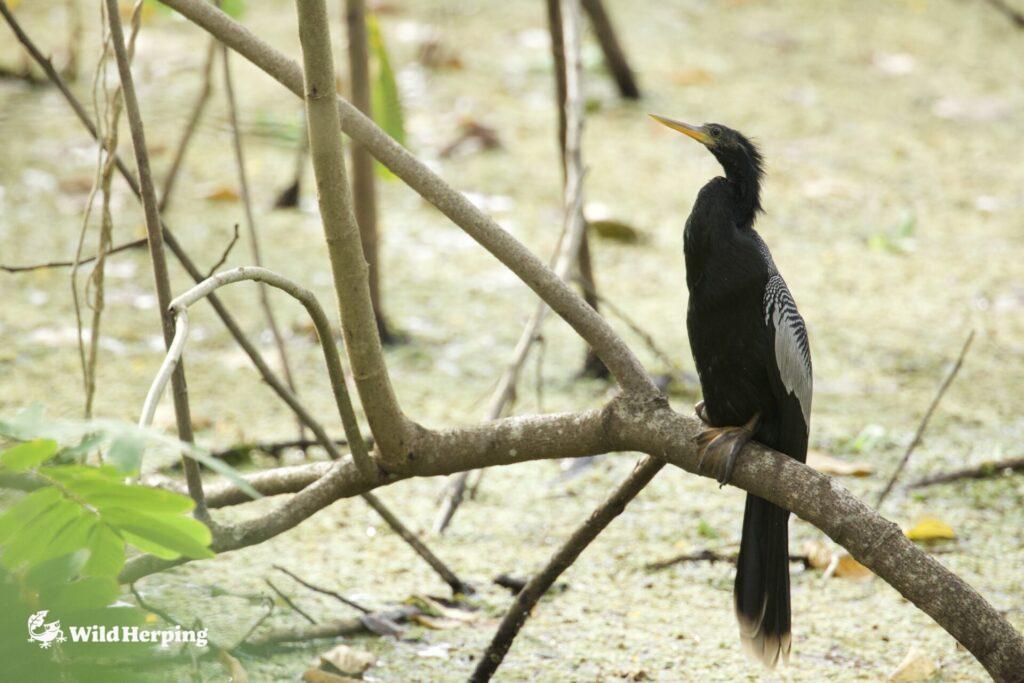
(Anhinga anhinga)
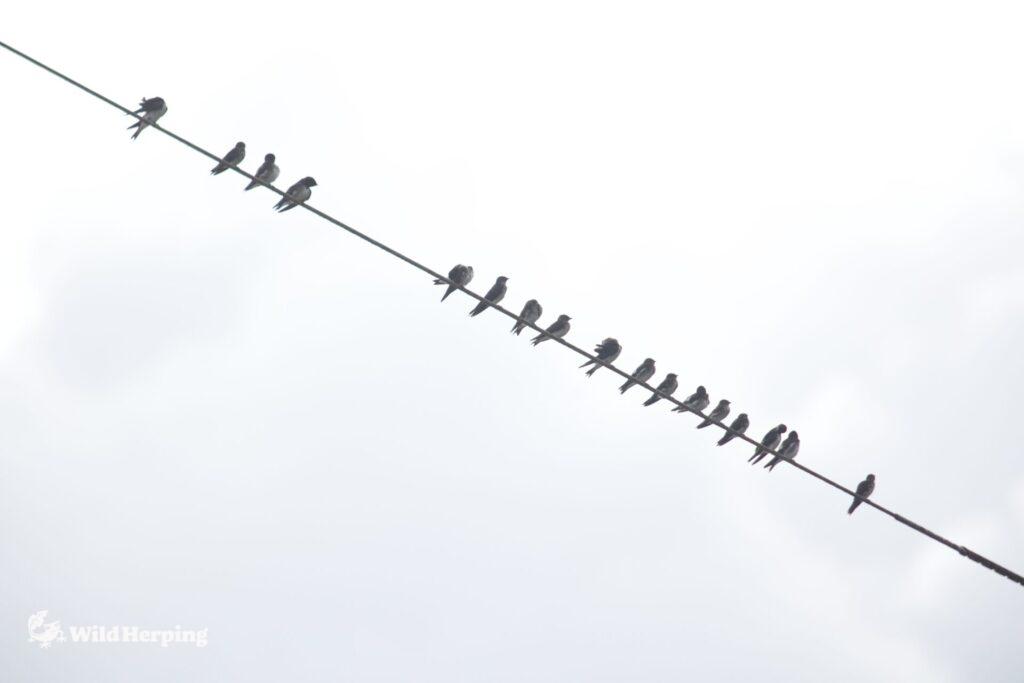
(Progne chalybea)
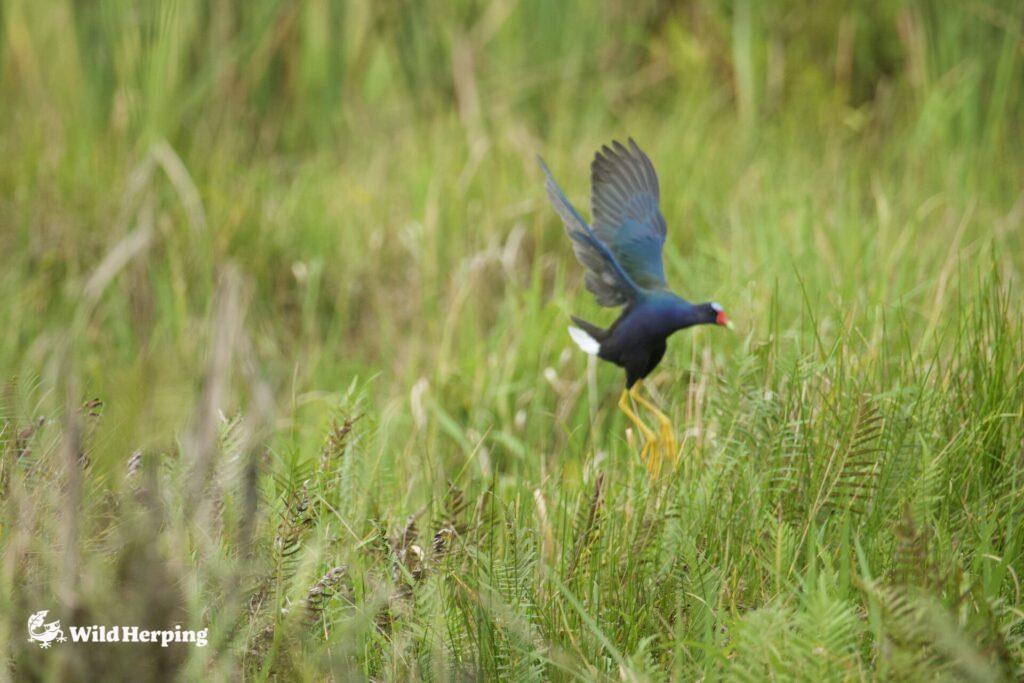
(Porphyrio martinicus)
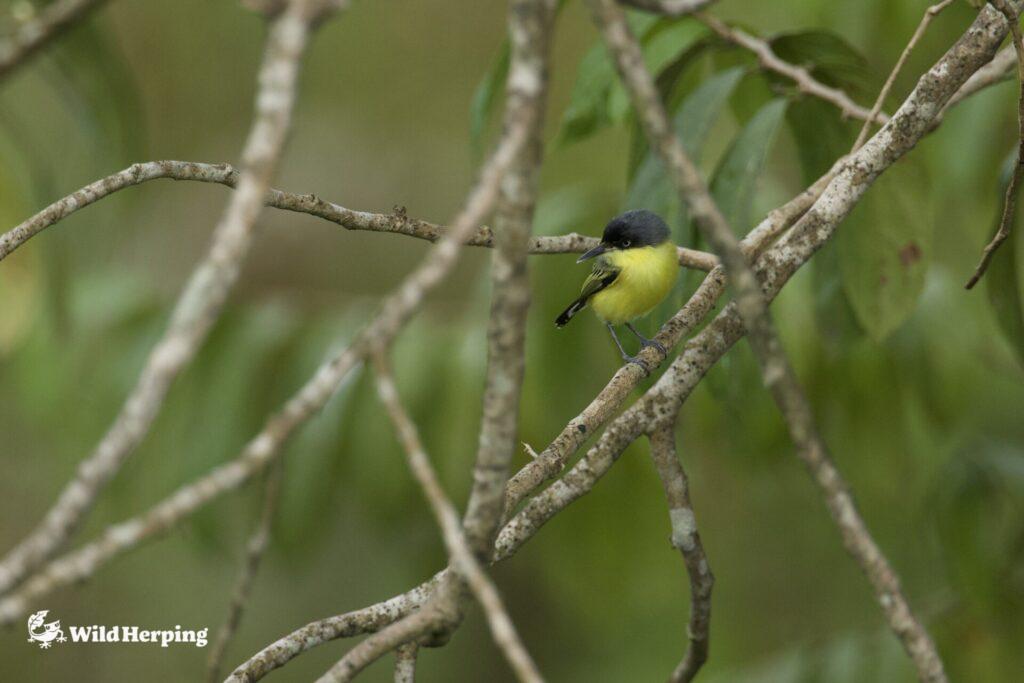
(Dendrocincla fuliginosa)
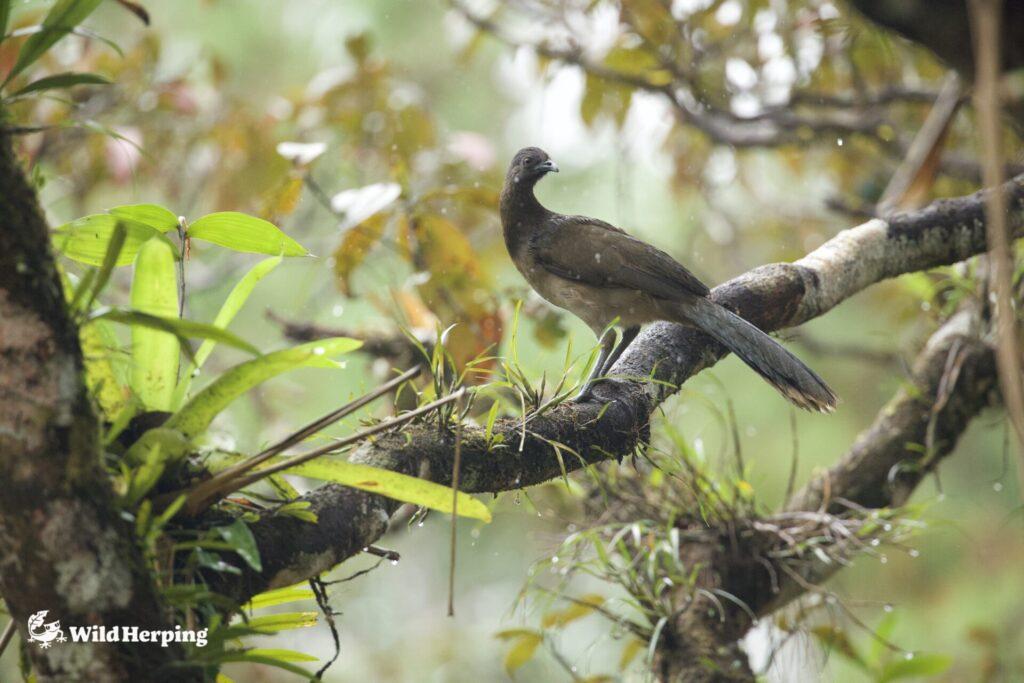
(Ortalis cinereiceps)
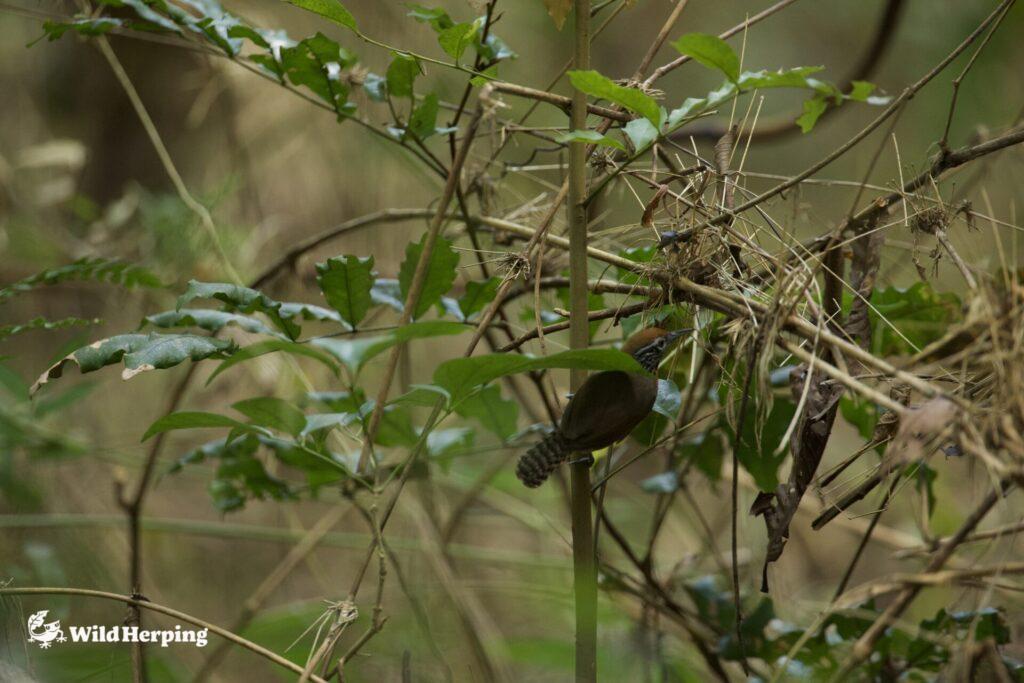
(Pheugopedius rutilus)
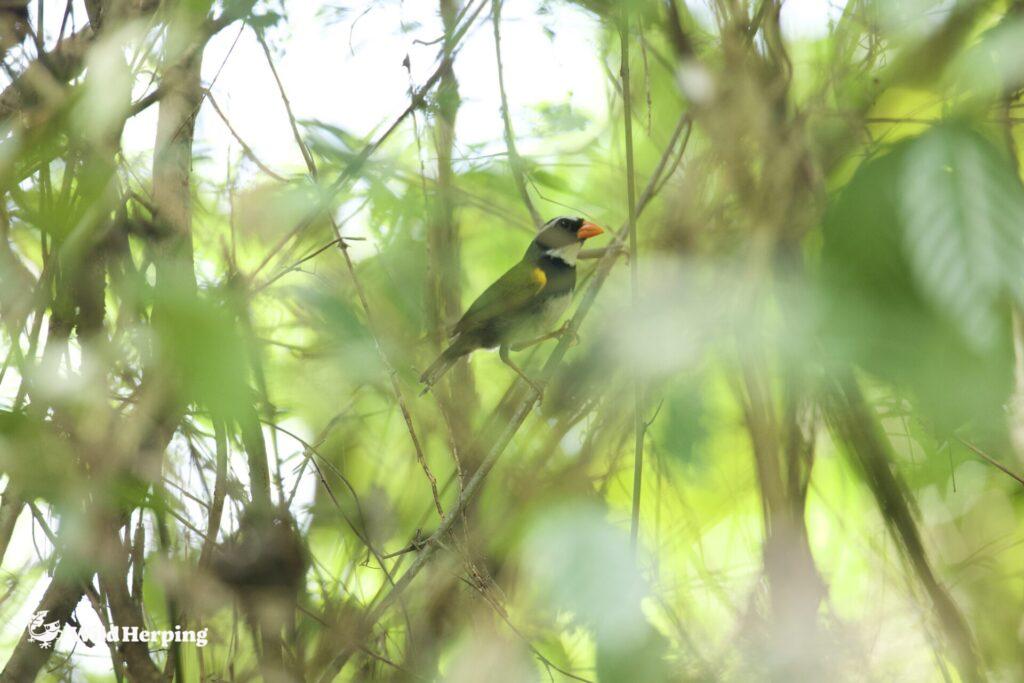
(Arremon aurantiirostris)
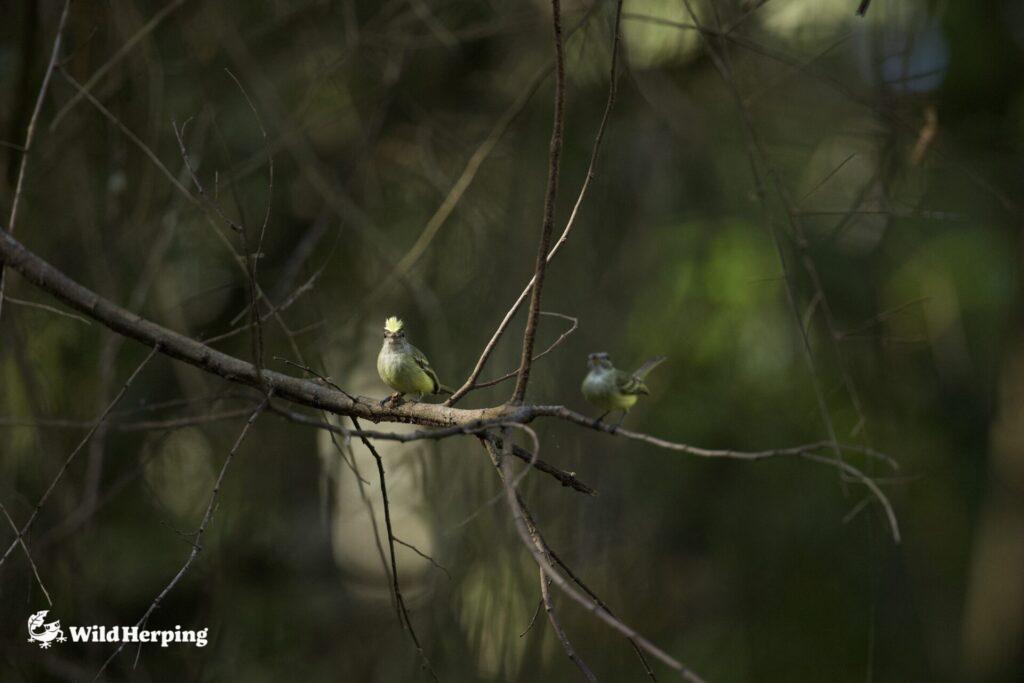
(Myiopagis gaimardii)
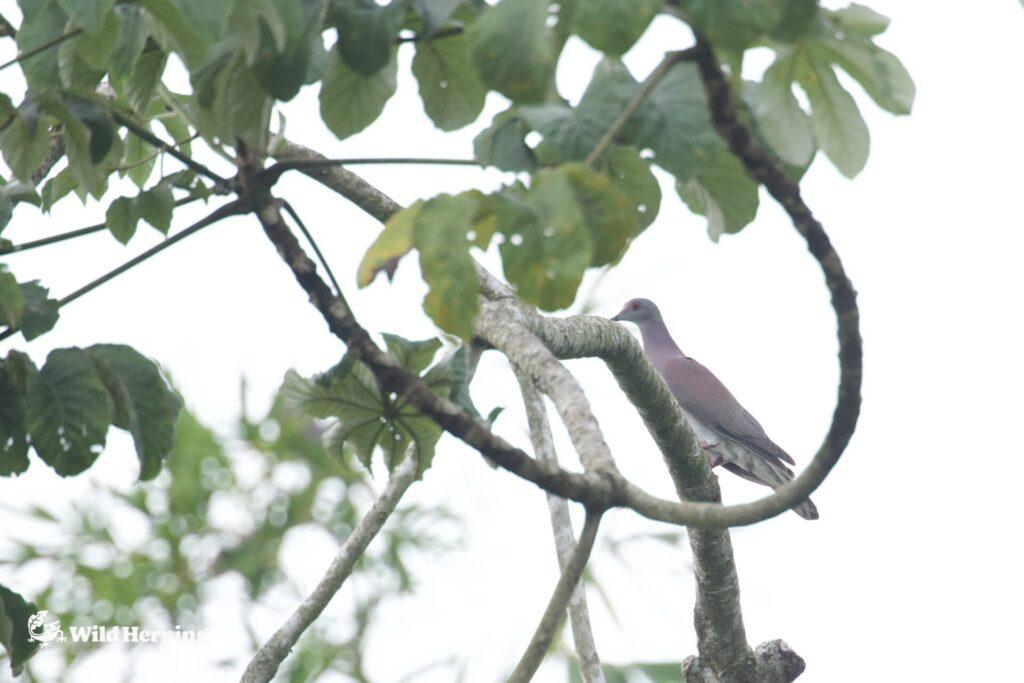
(Patagioenas cayennensis)
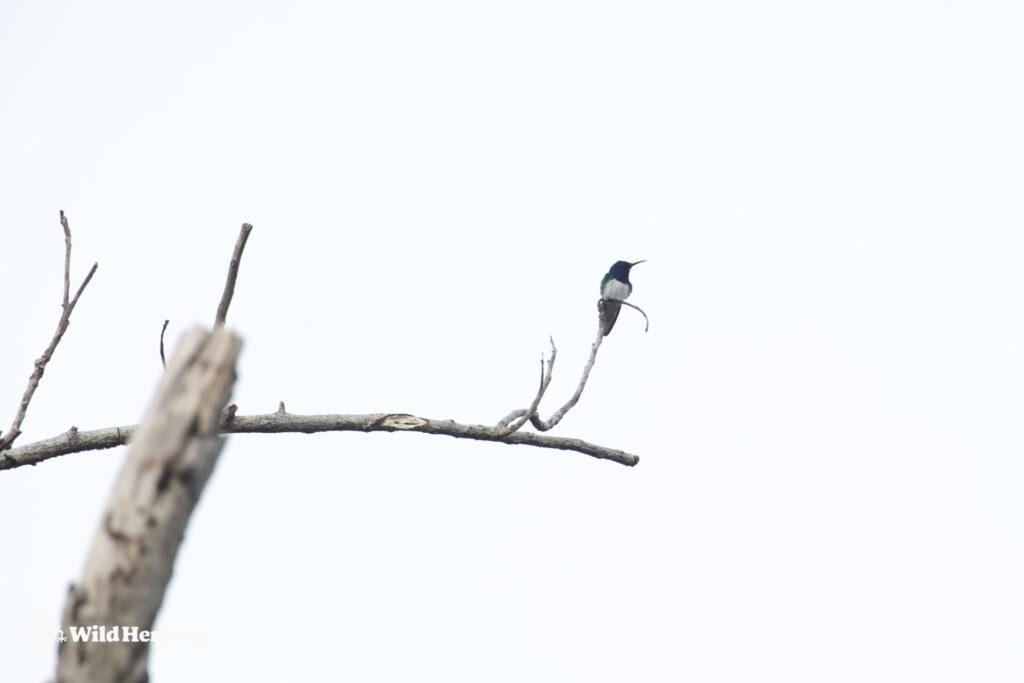
(Florisuga mellivora)
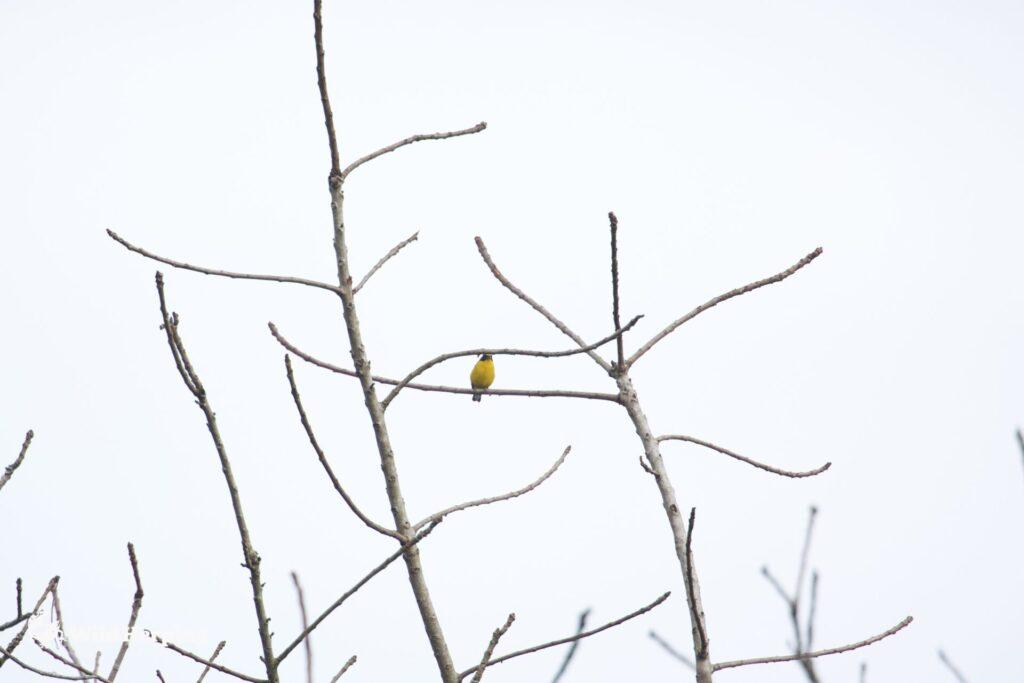
(Euphonia laniirostris)
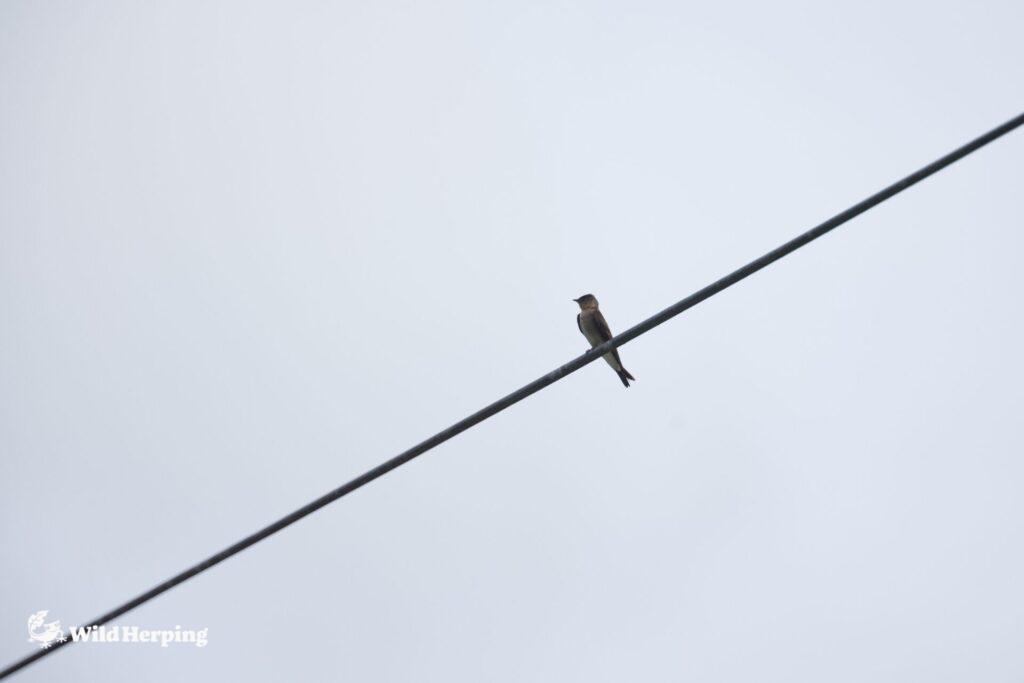
(Stelgidopteryx ruficollis)
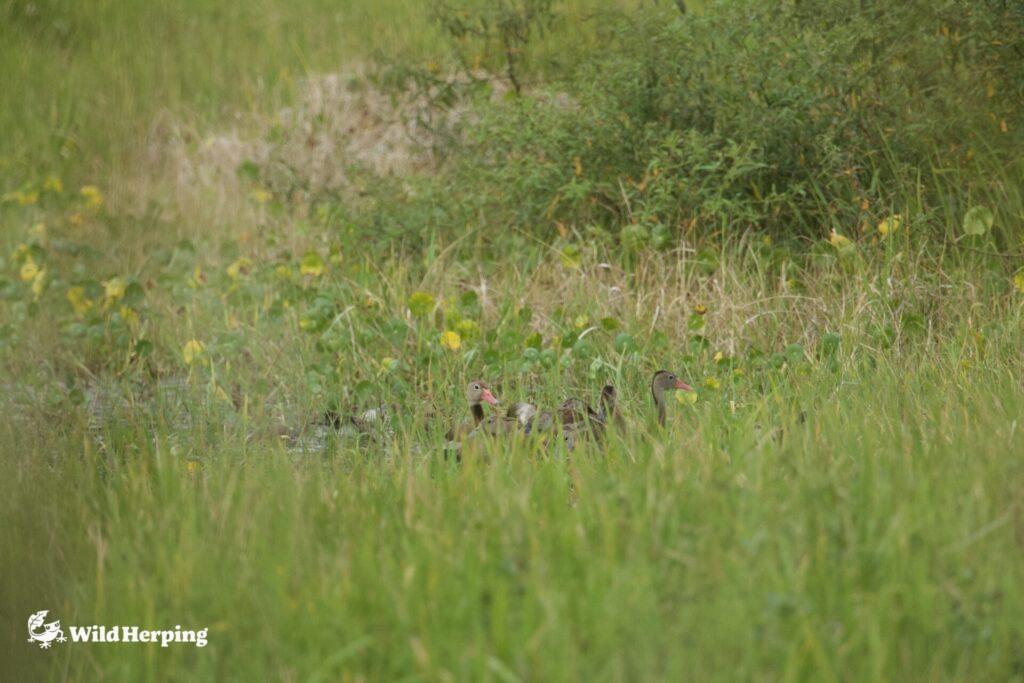
(Dendrocygna autumnalis)
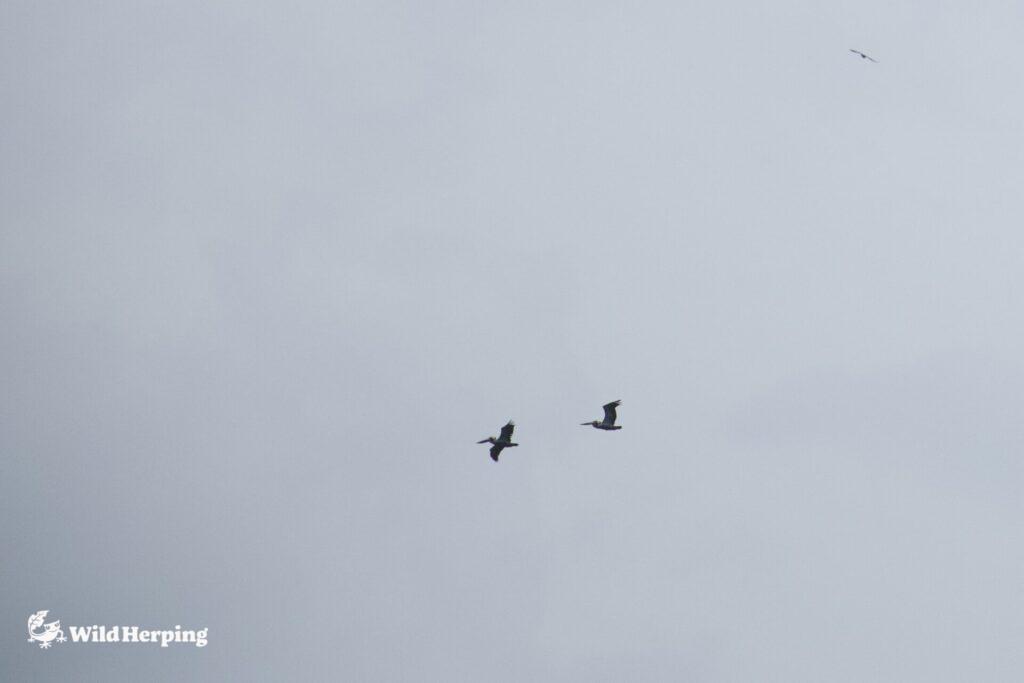
(Pelecanus occidentalis)
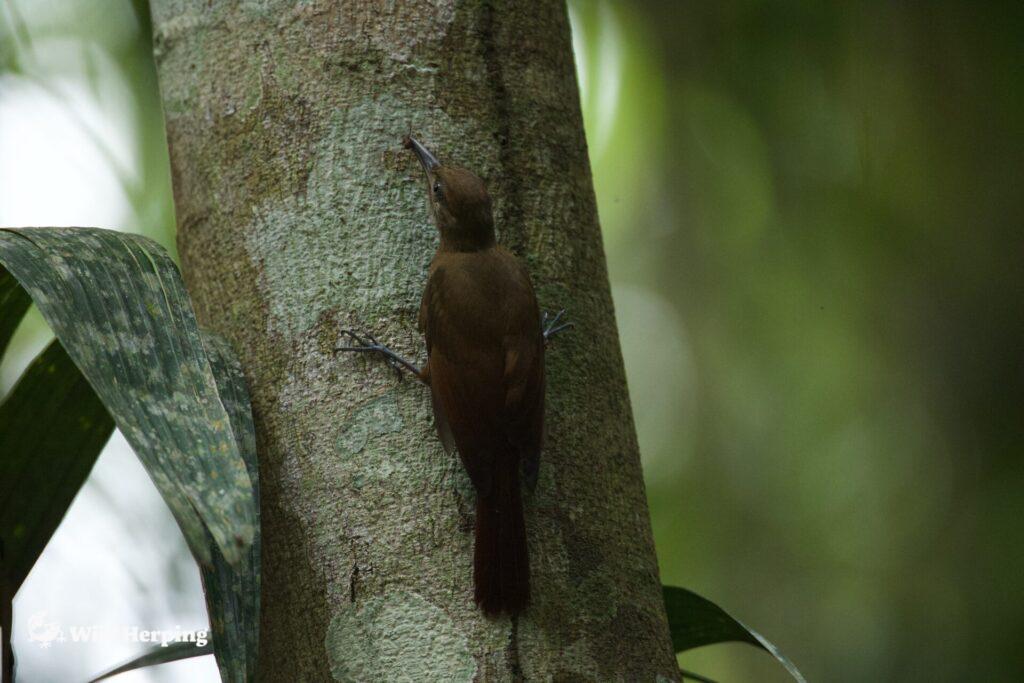
r(Dendrocincla fuliginosa)
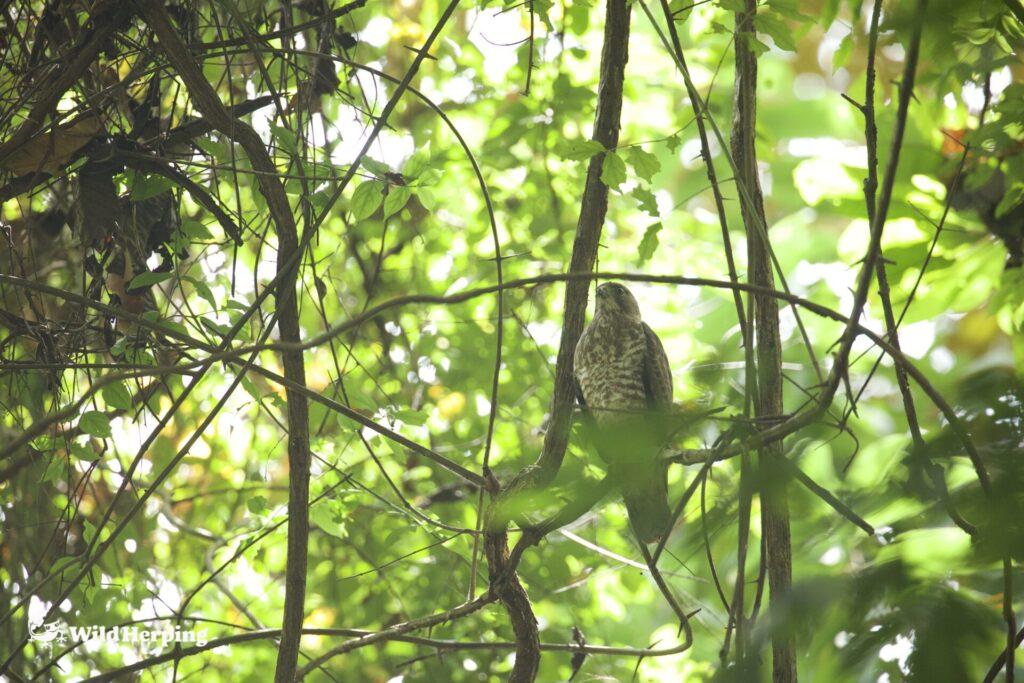
(Rupornis magnirostris)
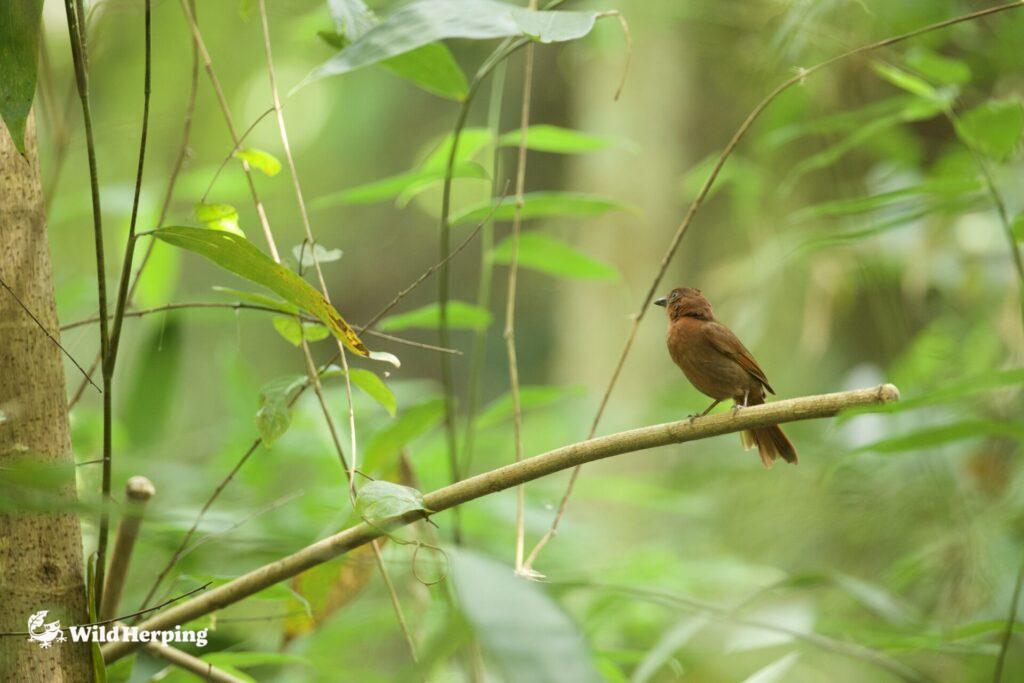
(Cinnamon Becard)
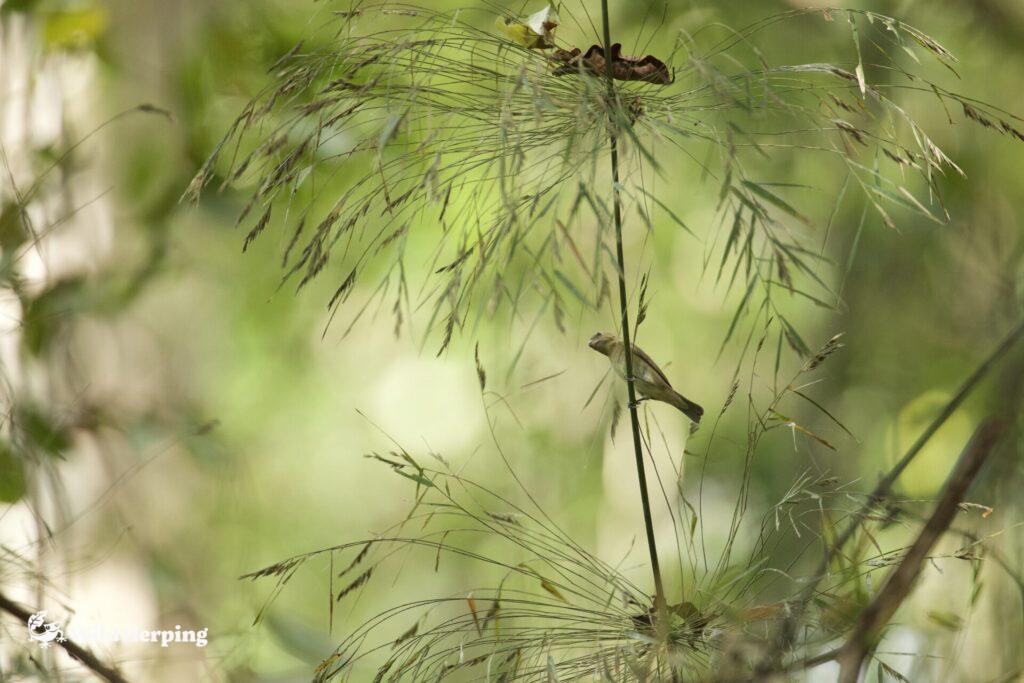
(Sporophila funerea)
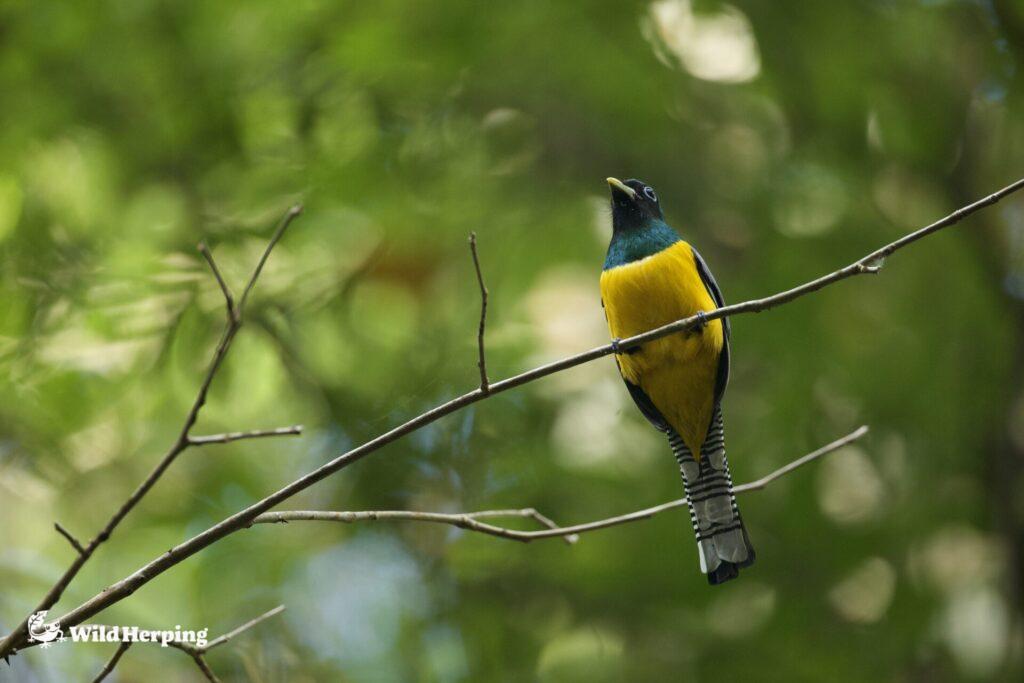
(Trogon tenellus)
(Tachycineta albilinea)
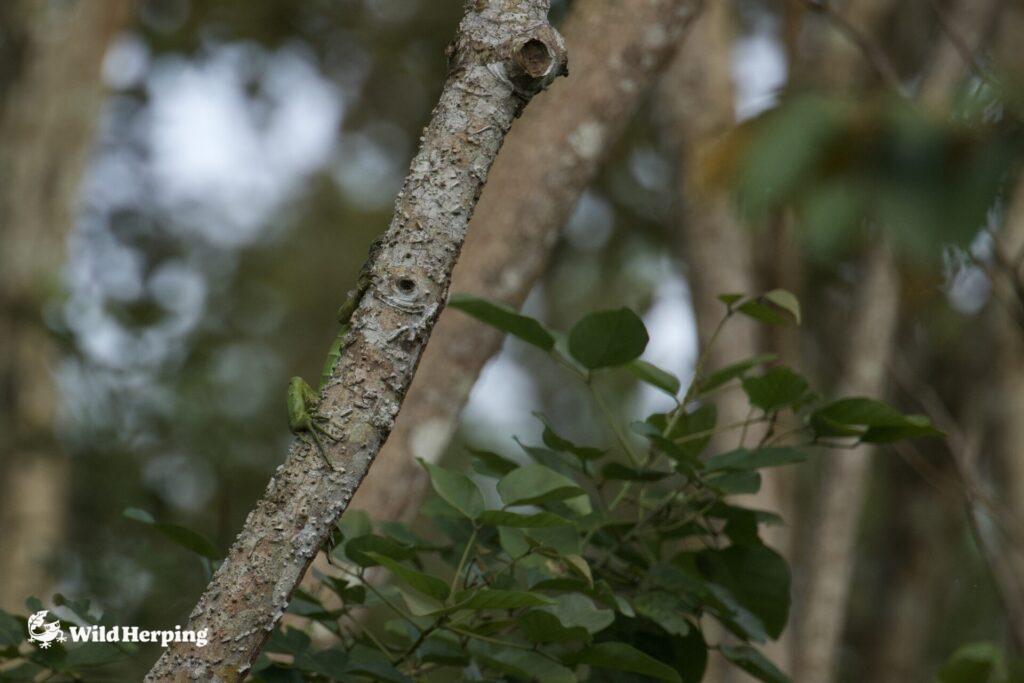
(Iguana iguana)
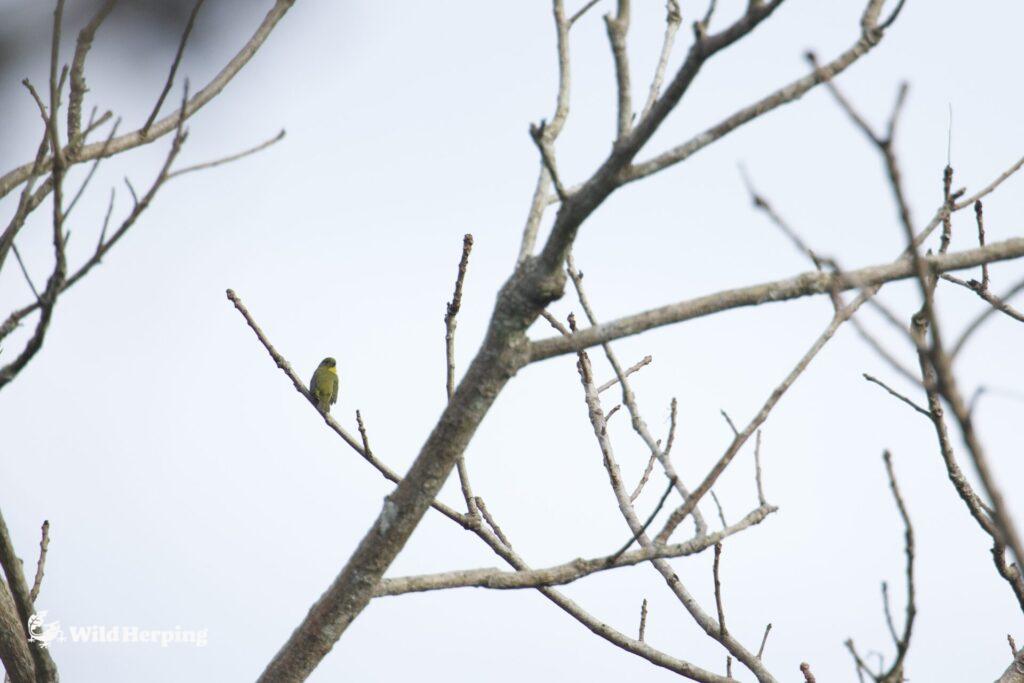
(Euphonia laniirostris)
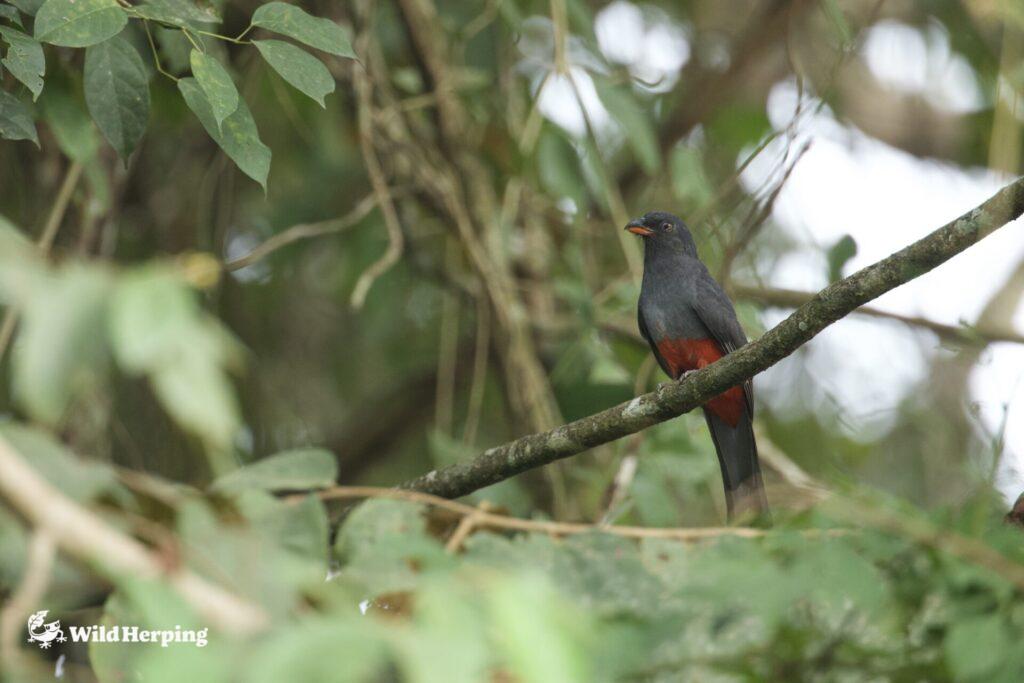
(Trogon massena)
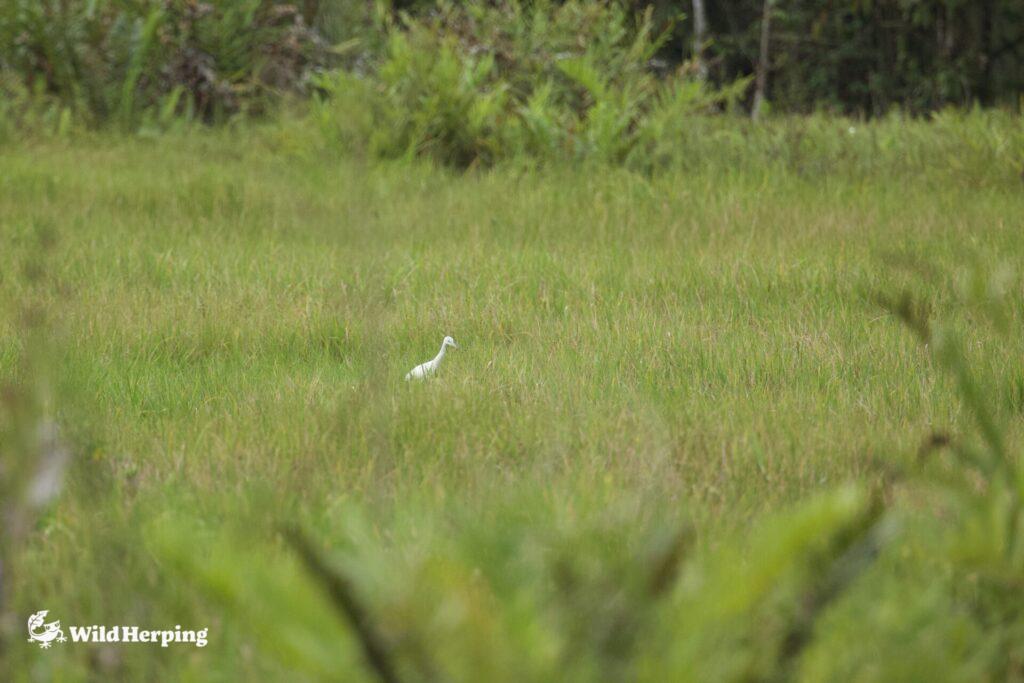
(Ardea intermedia)
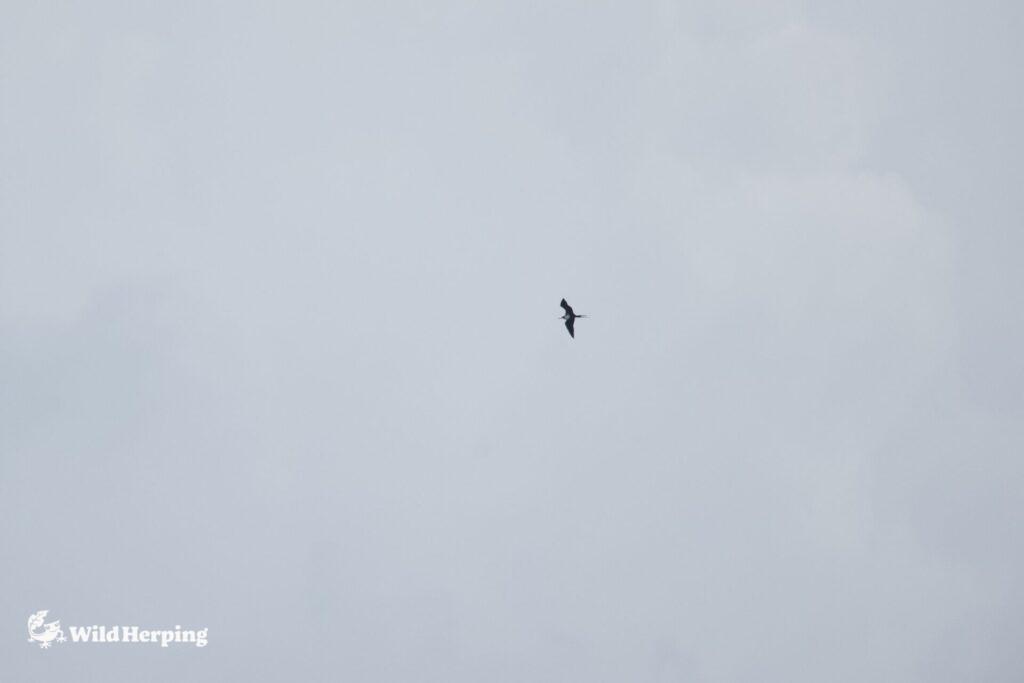
(Fregata magnificens)
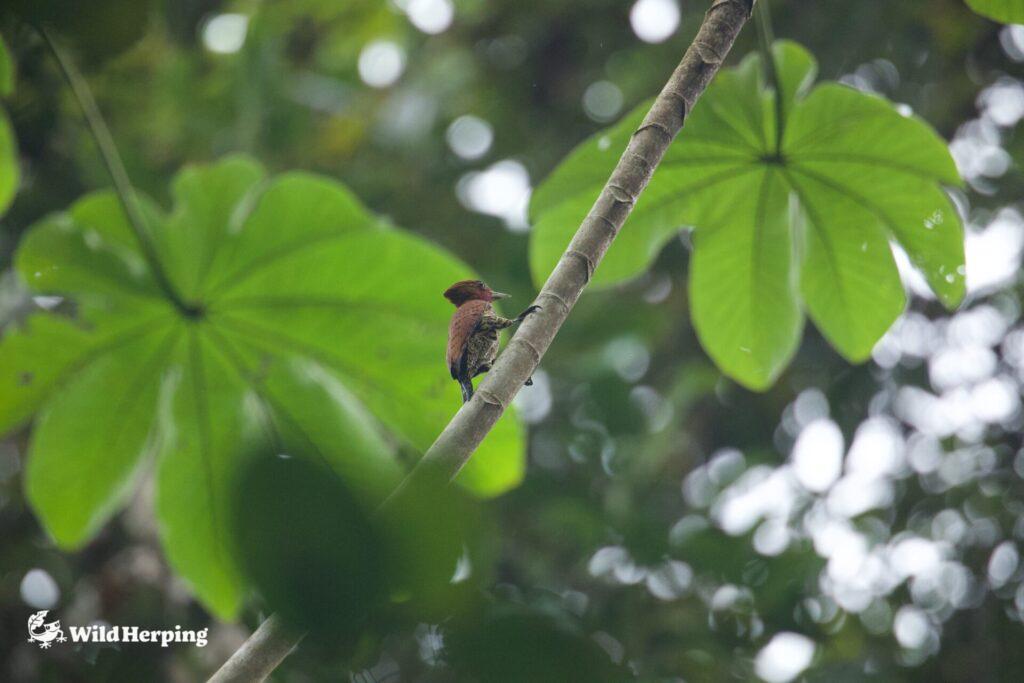
(Celeus loricatus)


