Mammals, Birds, and Insects
Following our previous report, here is the second installment of our Madagascar Herping Expedition from this November! While our main focus was on reptiles and amphibians, this time we’re diving into the other incredible wildlife we encountered.
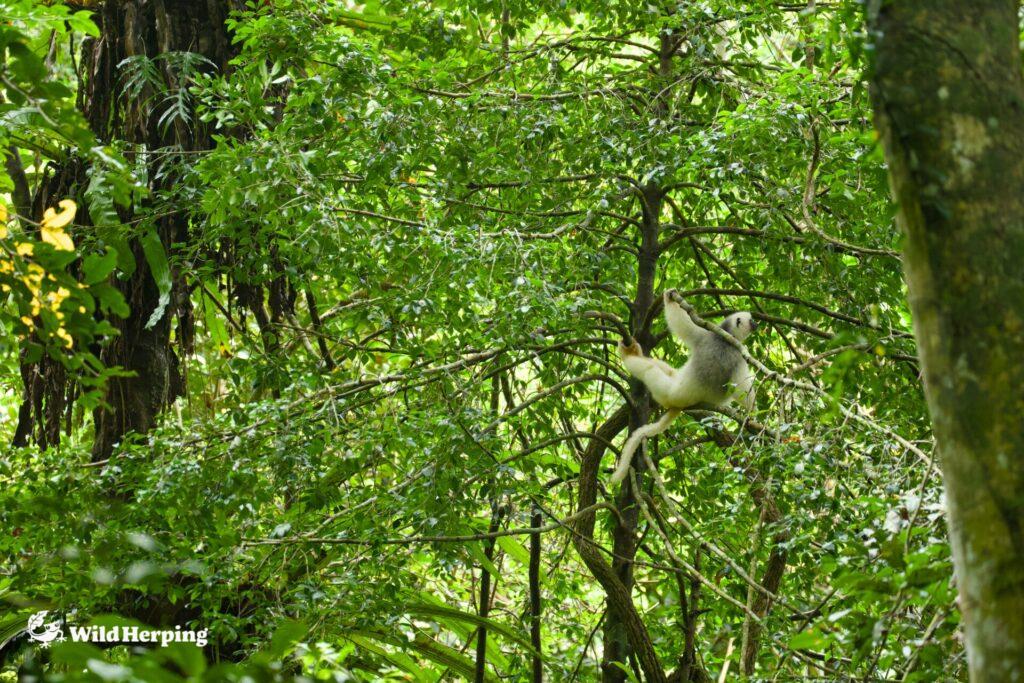
Silky Sifaka (Propithecus candidus) Found only in a tiny fragment of cloud forest in northeastern Madagascar. It’s truly mystical to see the world’s whitest primate living in the densest, darkest green forests. They primarily inhabit elevations between 700m and 1,200m, an area known for heavy rainfall. Observing these pristine white lemurs through the mist and rain was a profoundly moving experience.
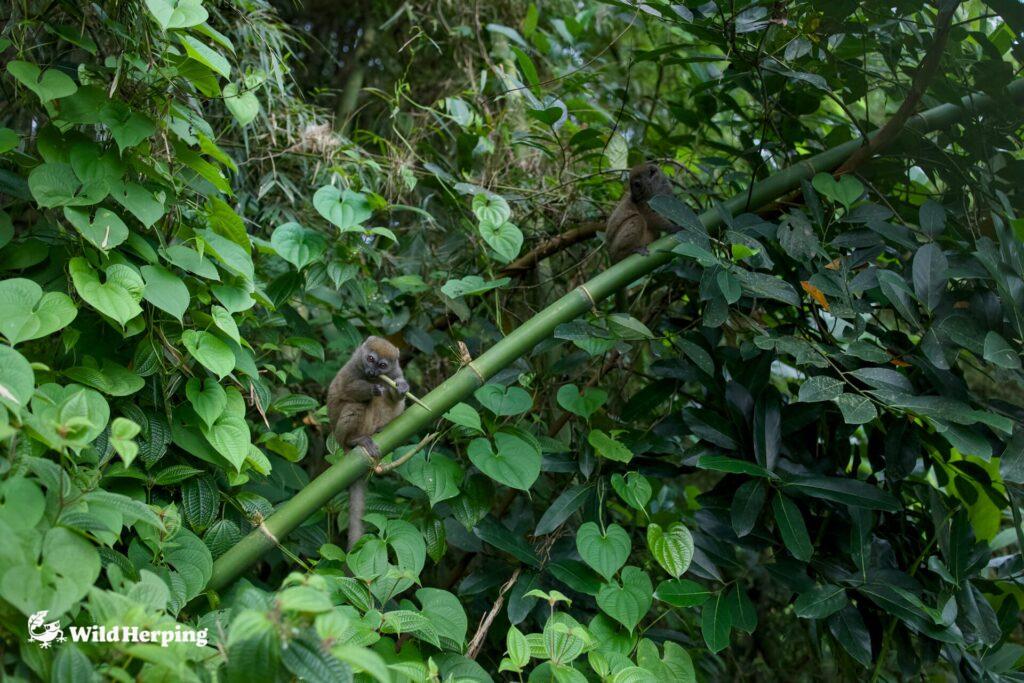
Eastern Lesser Bamboo Lemur (Hapalemur griseus) A specialist that feeds primarily on bamboo—a plant toxic to most other animals. They are often affectionately called the “Pandas of Madagascar.”
White-fronted Brown Lemur (Eulemur albifrons) Another resident of the northeastern forests. They range from coastal areas inland, and the males are easily distinguished by their striking white foreheads.
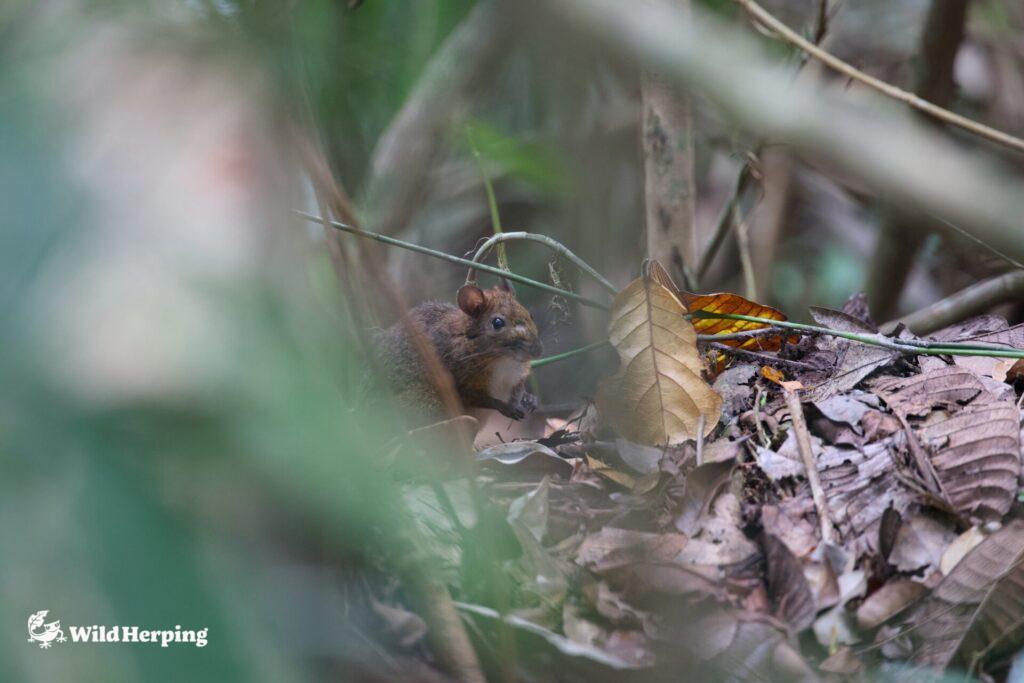
Western Nesomys (Nesomys lambertoni) We spotted one foraging for nuts on the forest floor. The moment it noticed us, it vanished into the undergrowth—a remarkably fast and alert rodent!
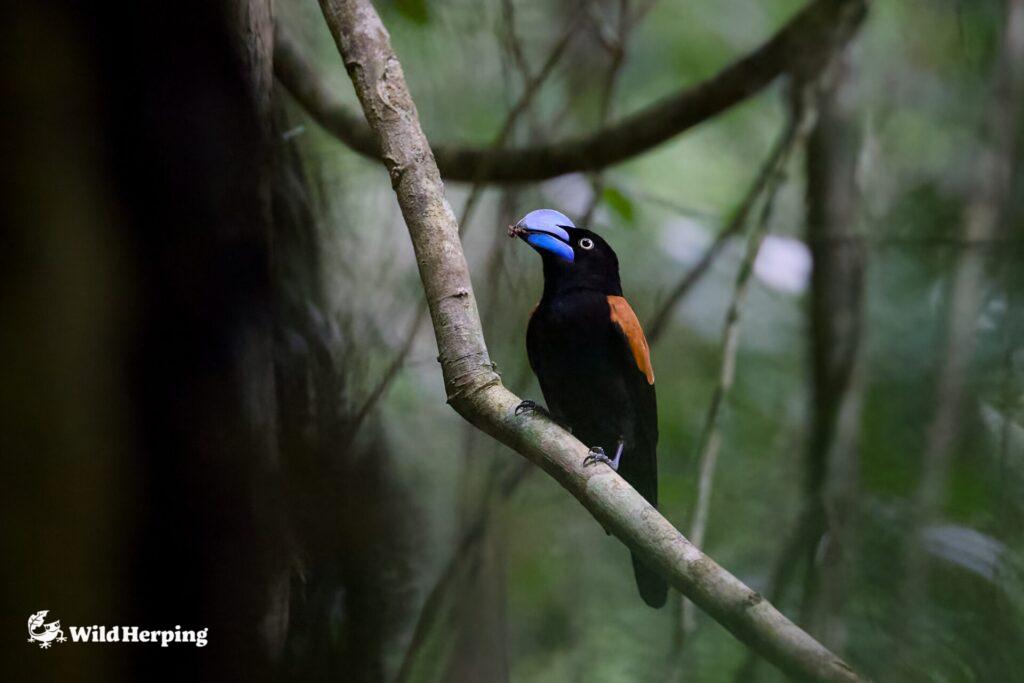
Helmet Vanga (Euryceros prevostii) A “holy grail” for birdwatchers worldwide, famous for its massive, electric-blue beak. As it was nesting season, we were incredibly fortunate to observe them closely.
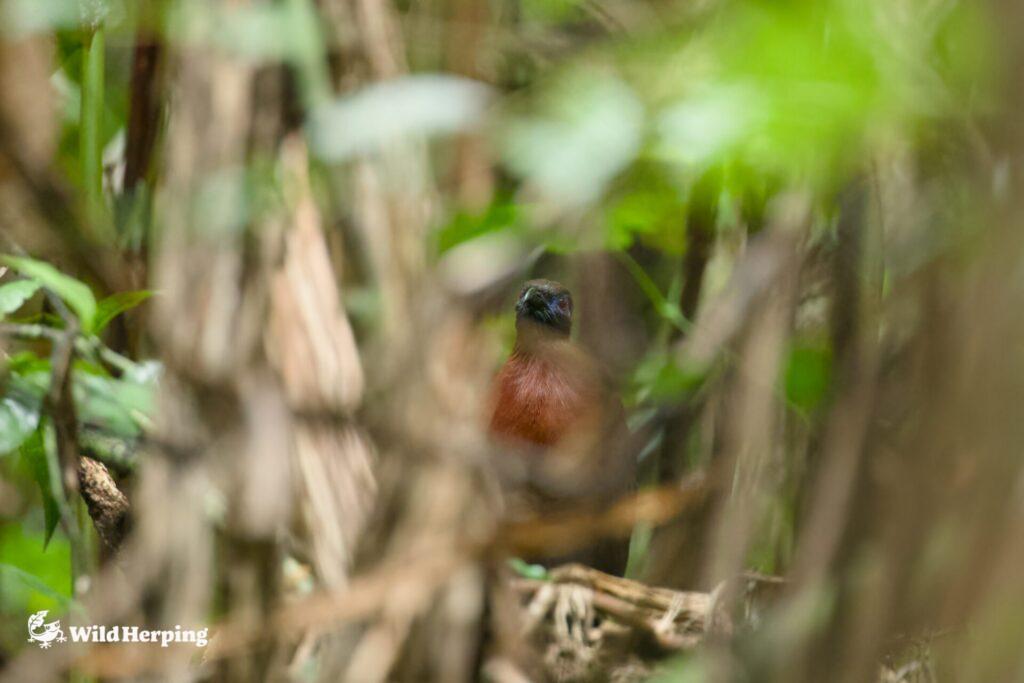
Red-breasted Coua (Coua serriana) We followed a distinct call echoing through the trees. After scanning the canopy intently, we finally spotted this beautiful bird.
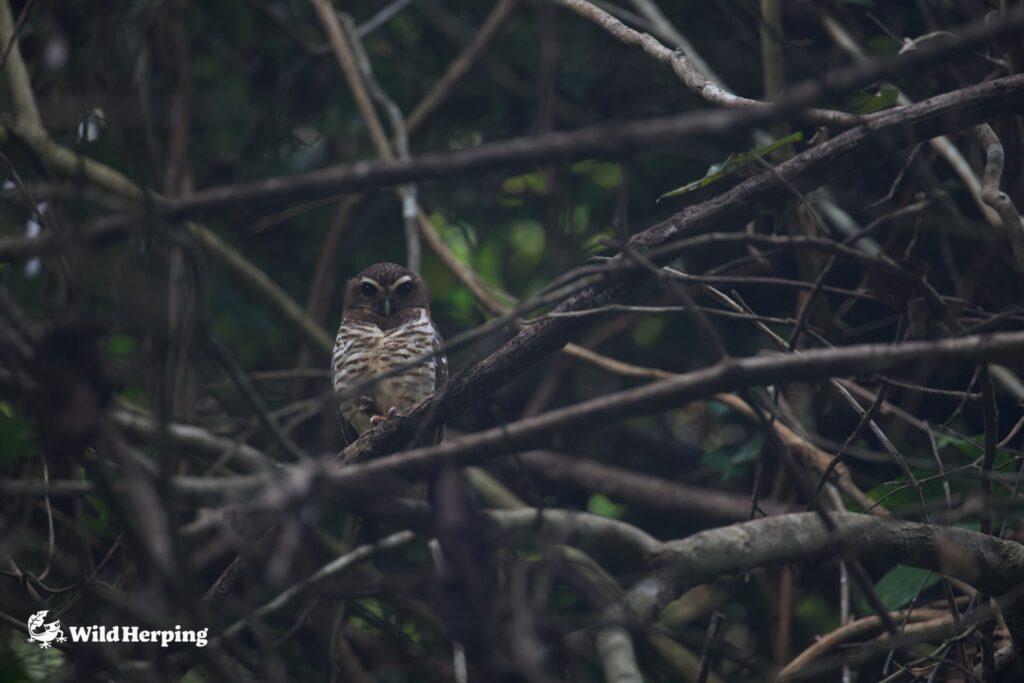
White-browed Owl (Athene superciliaris) We found this one resting on its favorite daytime roost. As the name suggests, its white “eyebrows” give it a charming and expressive look.
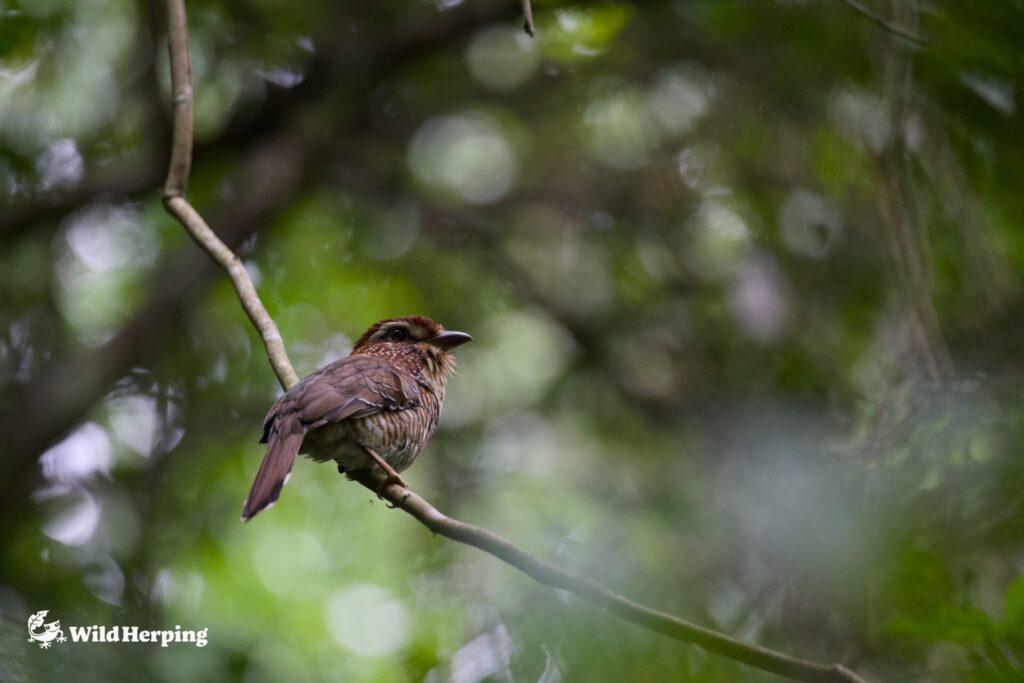
Short-legged Ground Roller (Brachypteracias leptosomus) Arguably the most difficult of the ground rollers to observe. Despite its name, it isn’t strictly terrestrial and spends quite a bit of time in the mid-canopy, making it a challenge to spot.
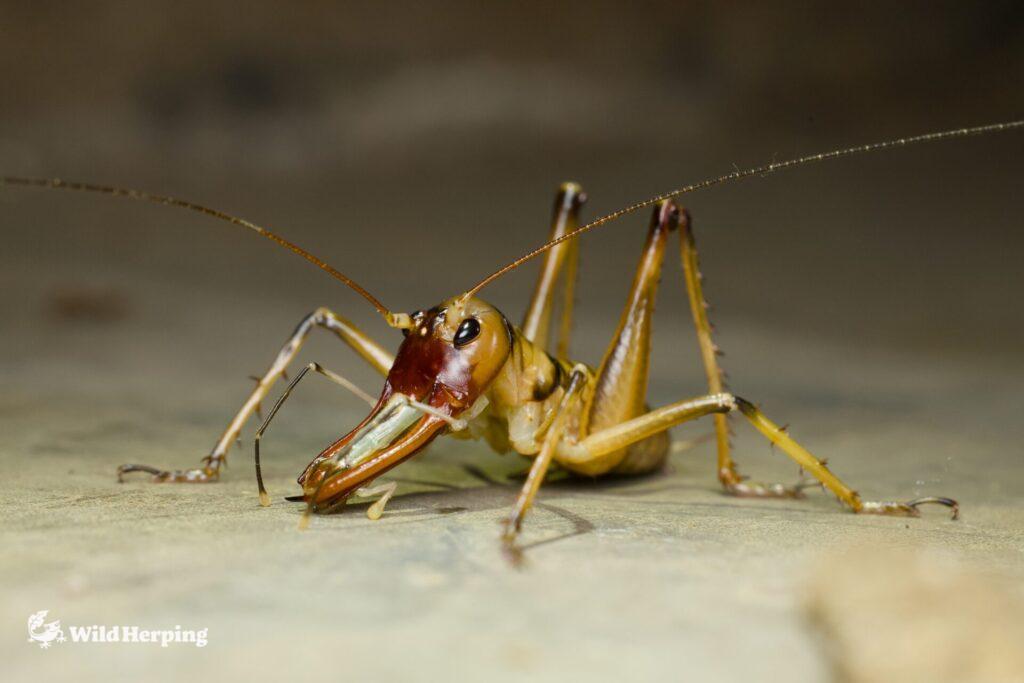
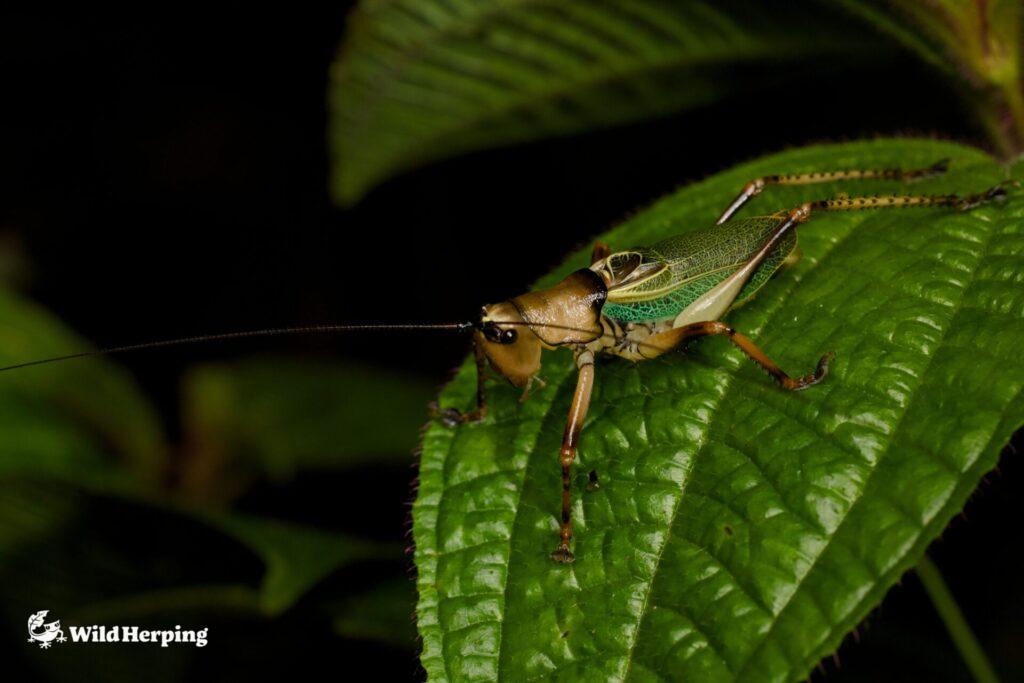
Malagasy King Cricket (Libanasidus sp.) An insect with an unforgettable visual impact! While generally omnivorous, they are known to wait in ambush on leaves at night to catch smaller insects.
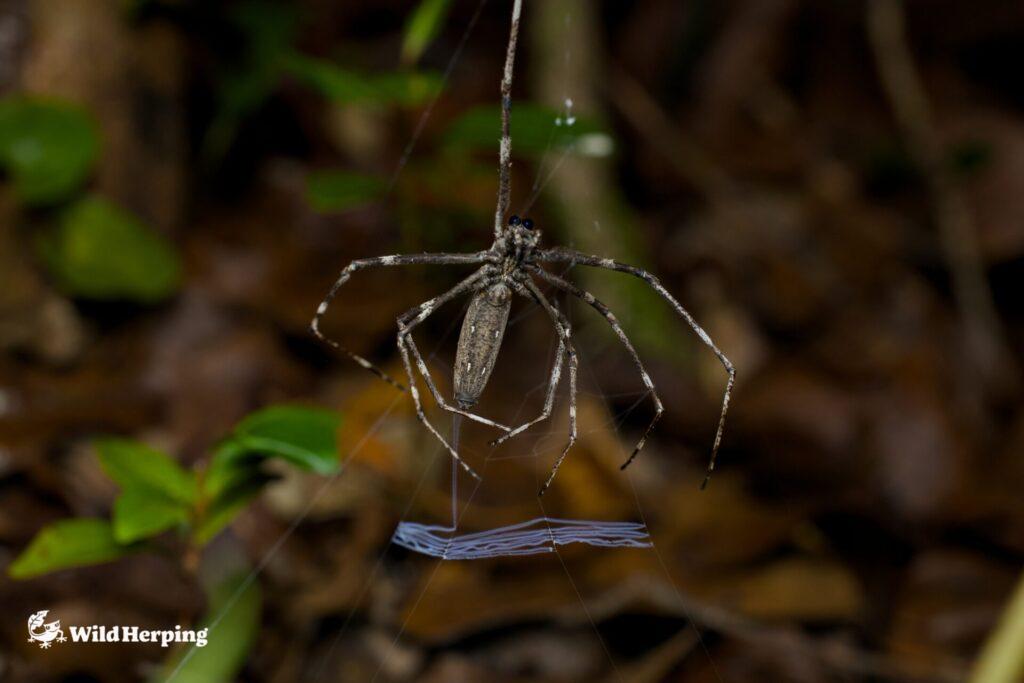
Malagasy Hunting Spider / Net-casting Spider (Deinopis sp.) A true architect of the forest. It uses four of its legs to hold a handheld web, skillfully “casting” it over prey. A feat only possible with the coordination of eight legs!
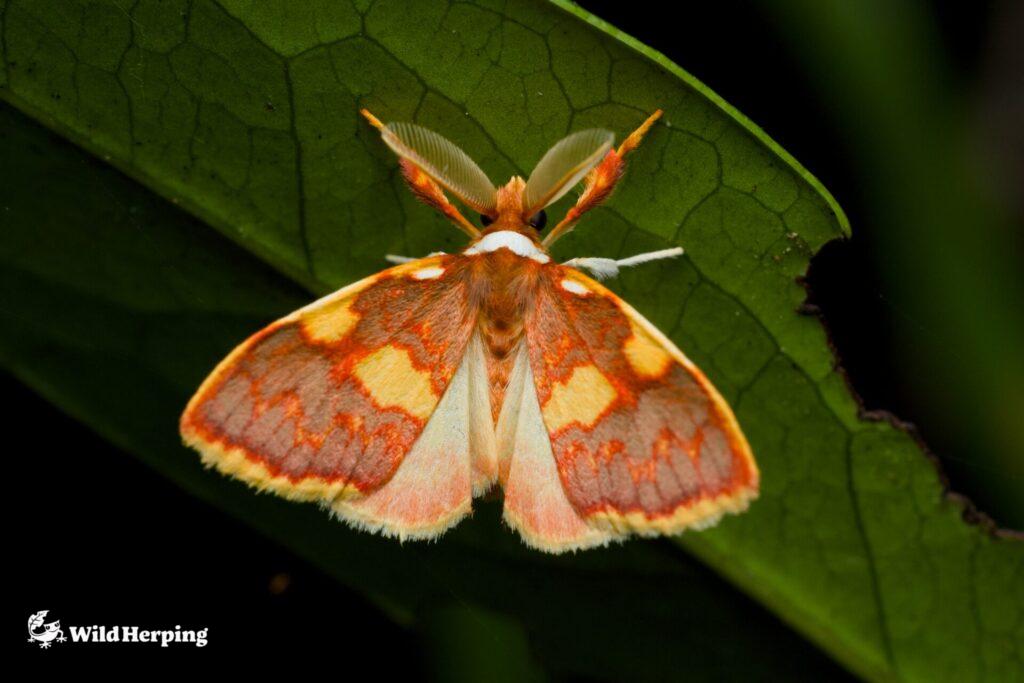
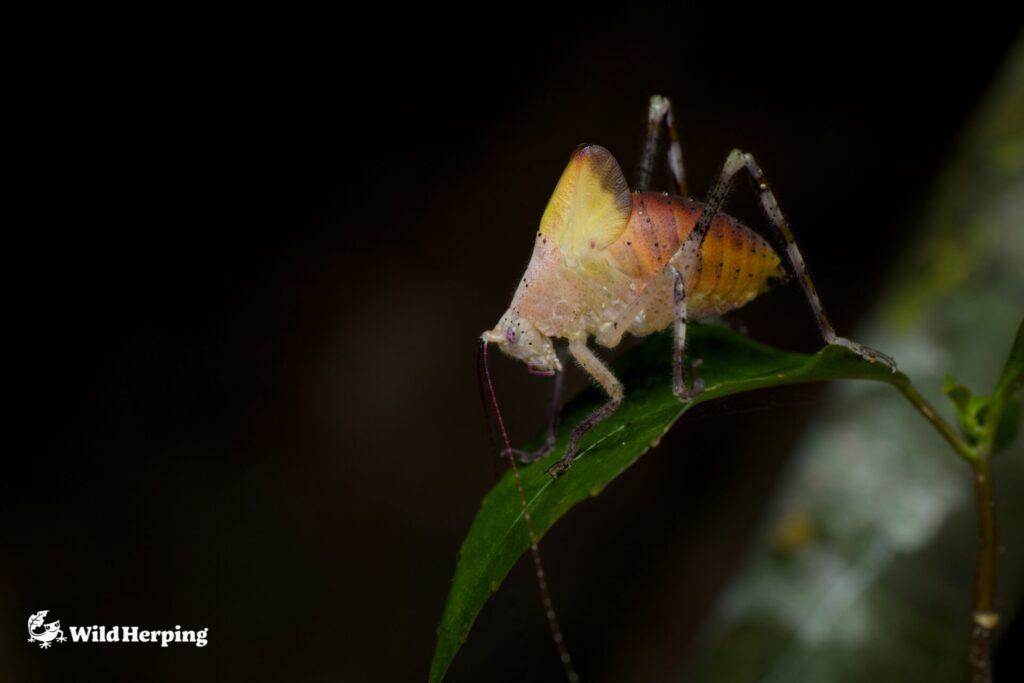
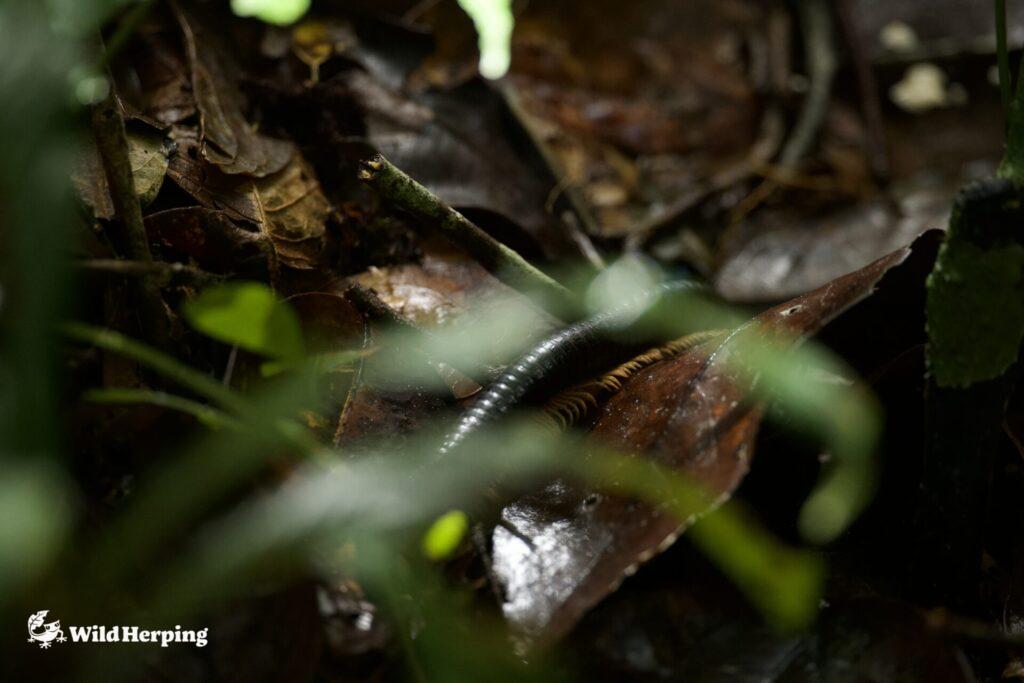
Other Invertebrates Since the island is teeming with geckos and chameleons, their food source—insects—is equally abundant. We encountered countless grasshoppers, spiders, and crickets, far too many to list.
This concludes our look at the diverse wildlife beyond the herpetofauna. Even on a “Herping” focused trip, the sheer biodiversity of Madagascar ensures that mammal and bird lovers will be equally thrilled. If you’re a “greedy” nature lover who wants to see it all, I highly recommend joining a herping expedition. I hope this report inspires you to head out into the field yourself!